Côte d'Ivoire: As the Election Nears, Electoral Uncertainty Fuels Distrust Spécial
Timbuktu Institute September 2026, Week 2
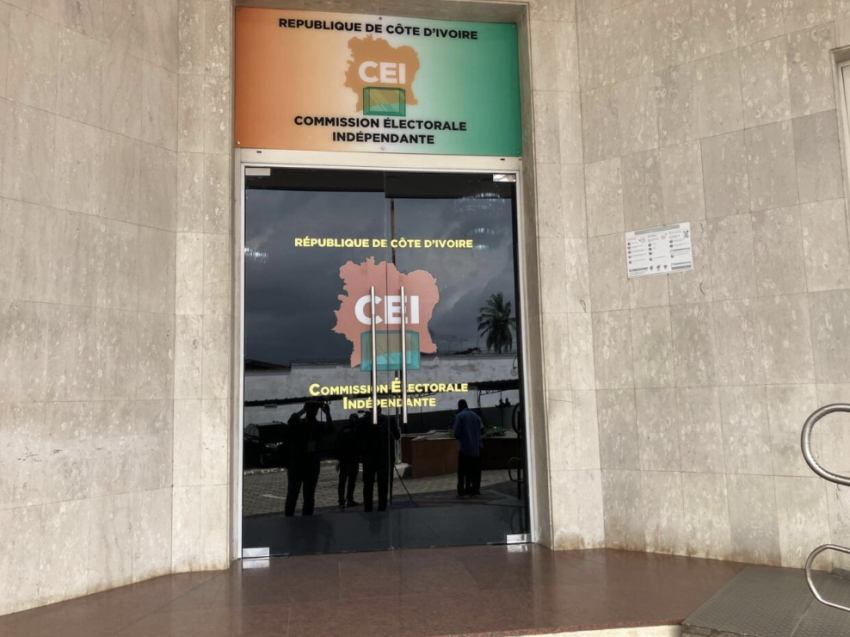
In Côte d'Ivoire, the news has been dominated by the question of transparency in the electoral process since the dissolution of the CEI (Independent Electoral Commission). To this day, Ivorians remain unaware of the composition of the body that will be responsible for organizing the elections. What will its makeup be? Will it be autonomous? For their part, opposition political parties continue to multiply meetings in order to speak with one voice and push the State to settle the matter. On September 7, the chapter on the CEI's liquidation was opened at ahandover ceremony between the outgoing secretary-general and the liquidator. Many observers fear that this distrust between the different parties could be the source of future disputes.
Reform of the Electoral Roll: A Test of the Electoral Process's Credibility
A purely technical question thus becomes a political one. Indeed, the revision of the electoral roll will have towait for the new body to be set up in charge of the elections. A first meeting was held last June between the government and the various political parties, but since then, things do not appear to have moved forward. A section of the opposition sees this as a way for those in power to exert greater control over the electoral roll in question. This situation could lead to an electoral crisis if no solution is found. The reform would benefit from being more inclusive, so that the upcoming elections are free and transparent — a guarantee of political stability.
The Koné Katinan Affair and the Risk of Judicializing Political Competition
Elsewhere, Ivorian news was also marked by the questioning, last Wednesday, of Justin Koné Katinan, following a complaint filed by the RHDP. Indeed, the former Budget Minister under Gbagbo had denounced illegal gold mining and its consequences for the criminal economy, drug trafficking and corruption, among other things. As a reminder, the PPA-CI's fourth vice-president had claimed that “illegal gold mining is a phenomenon born of the RDR's method of seizing power” (Alassane Ouattara's former party, now part of the RHDP). According to him, the ruling party was itself at the very origin of the situation it claims to be fighting. These serious accusations led to his placement in pretrial detention on Friday, September 11. According to the government spokesperson, it is important to note that the complaint came from the party, not the government. The ruling party has referred to “baseless claims” that portray it as a “hotbed of criminals.” This situation is likely to reignite political tension in Côte d'Ivoire, after several years of strain. Several observers thus fear a degree of judicialization of political competition.
Illegal Gold Mining: Côte d'Ivoire Bets on Intelligence and New Technologies
Meanwhile, the government has set itself a deadline of six months to put an end to this illegal gold-mining phenomenon eating away at the economy. To this end, the authorities are relying on intelligence gathering, increased surveillance, capacity-building for agents, and the enforcement of sanctions, among other measures. The use of drones will be an asset in this effort. According to the prefect of Indénié-Djuablin, Kouadio Kouassi Eugène, “these devices fly over the department at least once a week in order to detect any new site and quickly relay information to the authorities.” This is a phenomenon that deserves to be tackled, given the criminal networks it can generate.

Timbuktu Institute
Sacré-Coeur 3 – BP 15177 CP 10700 Dakar Fann – SENEGAL. +221 33 827 34 91 / +221 77 637 73 15
contact@timbuktu-institute.org
timbuktu-institute.org