Ivory Coast : Between political consolidation and regional challenges Spécial
Source : Sahel weather January 2026
Download the full Sahel weather report
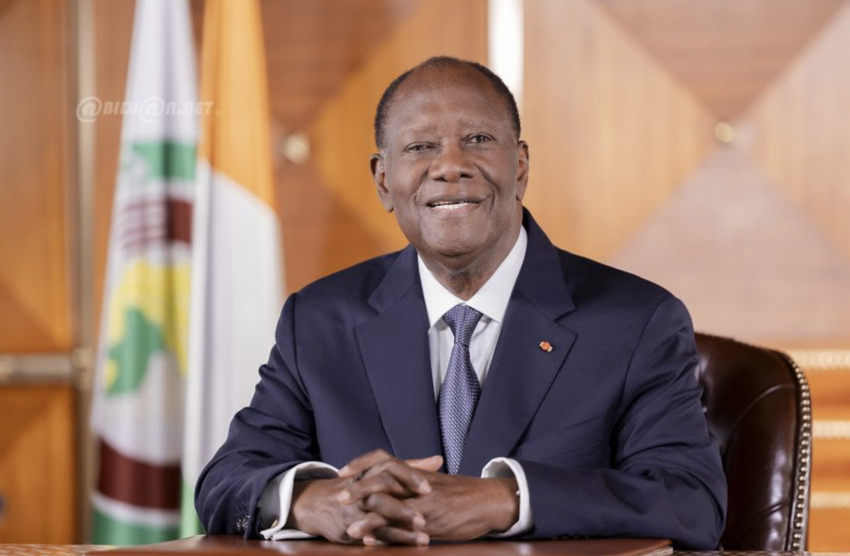
In his New Year's speech, the Ivorian president called for "the consolidation of peace and security, the strengthening of national cohesion, and the resolute pursuit of our march toward development, in a spirit of active solidarity with the most vulnerable segments of society." The head of state, re-elected for a fourth term, thus reaffirmed his commitment to continuing to build the country and invited Ivorians to embrace what he called the "new social contract" that binds them together. In an unstable regional context, he took advantage of this solemn moment to announce that the fight against money laundering and terrorist financing would be intensified, so that the country remains a model of transparency and good governance in Africa. During his swearing-in ceremony last December, he painted a bleak picture of the fragile regional environment. According to him, "terrorist threats persist, transform, and become digital. Cyberterrorism, in particular, requires us to be vigilant at all times." Like most West African countries, Côte d'Ivoire faces increasingly complex and demanding political and security challenges.
This week was marked by the post-election period in Côte d'Ivoire, with legislative elections that resulted in a landslide victory for the RHDP. According to provisional results, the ruling party is well ahead with 197 of the 255 seats at stake. The electoral dispute was then opened until January 5 to allow political parties to file appeals in case of disagreement. The statement specifies that "in accordance with Article 101 of the Electoral Code, the Constitutional Council informs candidates that they have five days from the date of this announcement to submit their complaints or observations in ten original copies." As a reminder, reports indicate that 15 young people were arrested in the Tonkpi region and brought before the public prosecutor. Legal proceedings were then initiated for possession of voter cards; eleven of them were released and the other four will appear in court on January 6. For its part, the opposition continues to fight for the strengthening of democracy and against abuses of power. Meeting on January 3 at their headquarters, members of the African People's Party-Côte d'Ivoire (Ppa-Ci) reaffirmed their determination to continue the fight against a fourth term and for the release of prisoners of conscience. They also plan to reorganize their party in order to be better prepared for the upcoming elections.
Meanwhile, there has been a major development in Ivorian politics that has attracted a lot of attention. This is the resignation of the government, which came after two major elections in Côte d'Ivoire that saw a resounding victory for the ruling party. On Wednesday, January 7, Prime Minister Robert Beugré Mambé resigned along with his entire government, which will remain in office until the next reshuffle. After two years at the head of the prime minister's office, Robert is leaving the government.