 French
 Arabic
 English
 Portuguese
 Spanish
 Swahili




Sacré-Coeur 3 – BP 15177 CP 10700 Dakar Fann – SENEGAL.
+221 33 827 34 91 / +221 77 637 73 15
contact@timbuktu-institute.org


L’Arabie Saoudite et les Emirats Arabes Unis ont annoncé respectivement des décaissements de 100 et de 30 millions de dollars, le 13 décembre 2017 à Saint-Cloud (France) pour soutenir la mise en place de la force multinationale du G5Sahel (coalition de cinq pays sahéliens contre le terrorisme). Que cherchent ces monarchies du Golfe à travers un tel geste ? Le fardeau ou le fameux pré-carré sahélien serait-il désormais trop lourd pour le président français Emmanuel Macron ?
Dans cet entretien exclusif accordé à Ouestafnews, Dr Bakary Sambe, enseignant à l’Université Gaston Berger de Saint-Louis (Sénégal), spécialiste du monde musulman et des réseaux transnationaux dans le Sahel, analyse cette immixtion saoudienne et émiratie dans le dossier sahélien.
Ouestafnews – Pourquoi les monarchies du Golfe ont décidé d’aider financièrement les forces militaires des pays du Sahel seulement en ce moment?
Bakary Sambe – C’est un des signes de la profonde mutation de l’attelage diplomatique et des relations internationales contemporaines. La logique d’influence s’est substituée indéniablement à celle de puissance. Mais la visite de Donald Trump en Arabie Saoudite et l’apparente révolution de palais à Ryad n’y sont pas pour rien. Que l’Arabie Saoudite s’engage aussi activement dans la lutte contre le terrorisme est un signal fort et une volonté de donner des gages sur son changement d’attitude par rapport à cette question qui lui donnait l’image de pays exportateur d’idéologies radicales.
Que cela se fasse sur le terrain miné du Sahel devenu le cadre géostratégique d’une compétition entre les puissances occidentales et où la France promeut le G5 Sahel pendant que les Etats-Unis, bien positionné à Agadez, garde encore dans un tiroir à portée de main le dispositif Africom, relève vraiment d’un calcul savamment mené.
Il s’agit, en tout cas, d’un positionnement clair loin des tentatives timides, surtout dans un contexte de rivalités entre l’Arabie Saoudite, le Qatar et l’Iran.
Ouestafnews- Quels gains peuvent-elles escompter suite à cette contribution financière?
B.S – En plus d’un lifting politico-diplomatique de leur image de pays dont l’exportation des idéologies a contribué à la radicalisation depuis des décennies, ces monarchies ne veulent pas se mettre en dehors d’un terrain où se jouent les grandes compétitions pour l’accès et le contrôle des ressources et des positions stratégiques.
Certes, on savait l’intérêt de ces pays pour les terres agricoles en prévision d’une crise alimentaire annoncée et qui risquerait de les affecter. Mais, il y a aujourd’hui, leur souci de diversification des partenariats dans un monde incertain, de faire circuler et fructifier leurs pétrodollars dans un vaste espace d’opportunités d’investissements loin des pays occidentaux qui pourraient les geler sur fond de lutte contre le terrorisme, comme après le 11 septembre.
Cependant, un élément important est, aussi, la rivalité entre ces puissances qui datait déjà des lendemains de la révolution iranienne, lorsque l’Arabie Saoudite était dans une logique de «containment» de la poussée présumée du chiisme. Ce souci a toujours été, aussi, partagé par le Maroc qui est devenu le pays de transit, d’intermédiation et de redistribution financière avec ses nombreuses institutions bancaires en Afrique subsaharienne.
Les derniers développements avec la tension qui monte entre le Qatar et l’Arabie Saoudite ont aussi montré qu’on n’est toujours pas vraiment sorti de la diplomatie du chéquier adossée aujourd’hui à une quête effrénée d’influence n’hésitant pas à emprunter le biais religieux. Dans ce contexte, la position équidistante, modérée et prudente est la meilleure pour notre pays.
Ouestafnews – Pour l’Arabie Saoudite, est-ce un moyen de gommer un peu l’image de promotrice du salafisme qui lui colle à la peau ?
B.S – Il est sûr que Ryad est dans une vaste opération de charme et d’énoncé de bonnes volontés contre le terrorisme, après des années d’ambiguïtés par rapport à son influence religieuse en termes d’exportation et de promotion du salafisme wahhabite. Son dernier geste envers aussi bien les pays du G5 que ceux du monde occidental qu’elle veut rassurer et rallier à sa cause contre le Qatar diabolisé après avoir été choyé au regard de ses énormes investissements au secours des économies européennes, le monte à suffisance.
Mais la grande équation que l’Arabie Saoudite aura à résoudre est des plus complexes : comment les Al-Saoud au pouvoir pourraient concilier la volonté de réformes telles que préconisées par le prince Mohamed Ben Salmane et l’impératif de maintenir l’union sacrée et le pouvoir dont l’aile religieuse est justement représentée par les tenants du wahhabisme ; les Al-Shaykh.
Tout dépendra de cette alliance objective et l’ingéniosité de Ben Salmane à concilier souci de modernisation socioreligieuse même en apparence et raisons politiques. L’avenir proche nous édifiera.
Ouestafnews – Comment analysez- vous l’attitude de la France qui décide de « partager » sa sphère d’influence avec ses acteurs du Golfe ?
B.S – L’allusion claire et explicite à l’Arabie Saoudite comme nouvelle alliée de la lutte contre le terrorisme lors du discours d’Emmanuel Macron à Ouagadougou semble insinuer plutôt une entente saoudo-française sans précédent pour ne pas dire de circonstances. Mais la France se trouve aussi devant le même dilemme de défendre et de promouvoir les valeurs démocratiques base de sa lutte anti-terroriste au Sahel et de ménager un nouvel allié dont elle ne partage pas toutes les valeurs même devant les raisons réalistement économiques que l’on peut deviner.
L’autre question est de savoir si la lutte contre le terrorisme devrait seulement se limiter aux options militaires qui semblent jusqu’ici avoir la faveur des partenaires internationaux des pays du Sahel.
Ouestafnews – Y a-t-il en particulier un autre moyen en dehors des armes ?
B.S – Peut-être que le prochain sommet de Dakar sur l’éducation posera le débat de la diversification et de la complémentarité des approches et attaquera de front la question éducative et son étroite relation avec la diffusion des idéologies pouvant mener à la radicalisation.
Sachant que c’est dans les universités de ceux qui injectent, aujourd’hui, des milliards dans la surenchère militaire que l’idéologie à la source du mal sahélien en partie est largement véhiculée. D’ailleurs, cette dernière question semblait être au cœur des demandes de Donald Trump lors de sa fructueuse visite en Arabie Saoudite qui a depuis montré d’importants signaux.
Source: www.ouestaf.com
Le choix des zones frontalières n’est pas anodin au regard du caractère stratégique qu’elles représentent pour les candidats aux attaques terroristes. En effet, une analyse plus profonde des différentes attaques terroristes perpétrées récemment sur certains pays d’Afrique de l’Ouest (Burkina Faso, Côte d’Ivoire et Niger) montre qu’elles ont toutes eu lieu à quelques kilomètres des frontières maliennes.
Comme rappelle Dr. Bakary Sambe, « la crise du Nord Mali est devenue une préoccupation pour tout pays ayant des frontières communes avec ce pays »
Mais « Le Sénégal qui jouit, jusque-là, d’une certaine stabilité aux yeux de la communauté internationale ne doit pas se targuer d’une telle réputation car le fléau de l’extrémisme violent étant devenu de plus en plus un problème transnational et, de ce fait, n’épargne plus aucun pays », analyse le coordonnateur du projet.
Pour cette raison, soutient, Seydi Djamil Niane, chercheur au Timbuktu Institute, « une recherche est envisagée sur les zones frontalières du Sénégal et du Mali plus particulièrement à Tambacounda (au Sénégal) et à Kayes (au Mali), zones de brassages d’individus venant de toutes parts en Afrique avec les problèmes sécuritaires que cela peut engendrer ».
Et, globalement, selon Mbassa Thioune, statisticien et consultant du Projet, « l’objectif est de comprendre les raisons qui poussent les jeunes à adhérer à cette nouvelle tendance et de dégager les moyens de la prévenir »
La finalité de toute activité humaine doit être le bonheur de l’Homme. On pourrait ainsi résumer toute l’œuvre et l’action d’Amadou Hampâté Bà (m.1991). Et l’humanisme n’est autre chose que cela. En outre, soulignons que l’humanisme de l’auteur malien se différencie de celui d’un Jean-Paul Sartre. En effet, il y a deux sortes d’humanisme : un humanisme qui pourrait être qualifié d’anthropocentré et un autre théocentré…
Télécharger: Lhumanisme-dans-la-pensée-dAmadou-Hampâté-Ba
Timbuktu Institute-African Center for Peace Studies condamne fermement les terribles actes de violence qui se sont déroulés à Niaguis le samedi 6 janvier 2018. Ces atrocités regrettables, à tous points de vue, visent à porter un sérieux coup au processus et à la dynamique de paix dans cette région de notre pays.
Exhortant l’Etat à poursuivre ses efforts constructifs dans le sens d’un règlement définitif et inclusif de cette crise, Timbuktu Institute appelle, par ailleurs, tous les chefs religieux de toutes confessions à jouer pleinement leur rôle et à appuyer le processus de paix pour l’intérêt du Sénégal
Dans un livre témoignage, « Moi, musulman, je n’ai pas à me justifier » (éd. Eyrolles), le Franco-Sénégalais Seydi Diamil Niane condamne toute violence perpétrée au nom de l’islam. Le jeune chercheur lance au contraire un appel au dialogue, à l’intelligence et à un « humanisme théocentré ».
C’est un livre court, dense et lumineux. Celui d’un citoyen français musulman broyé par la violence islamiste mais aussi par la sourde hostilité qu’elle fait monter envers toute la communauté musulmane.
Alors, il prend la parole. Lui, le jeune chercheur en islamologie – il vient de soutenir une thèse de doctorat à l’université de Strasbourg – n’est-il pas aussi autorisé à le faire que certains « spécialistes de l’islam » des plateaux télé ?
Une éducation marquée par l’approfondissement de la foi musulmane
Seydi Diamil Niane est né en 1991 dans une famille modeste du nord-ouest du Sénégal, un pays où 90% des habitants sont musulmans. Il y a fait de bonnes études, à l’école sénégalaise mais aussi franco-arabe islamique. Puis son père ayant émigré en France de longue date, il est venu poursuivre ses études au département d’études arabes de l’université de Strasbourg. Il y a décroché un double master en islamologie et en études arabes, puis poursuivi en doctorat.
Ainsi, explique-t-il dès le début du livre, « je suis né et ai grandi dans un milieu traditionnel, et toute ma vie, en tant qu’élève, étudiant, et aujourd’hui chercheur, l’islam a été essentiel pour moi. »
« Je n’ai pas à me justifier de crimes que je n’ai pas commis »
Mais Diamil est aussi un militant de la rencontre des cultures. Approfondir et pratiquer sa propre foi ne l’empêche pas de s’intéresser aux autres religions, au contraire. Il est donc membre actif de l’association Coexister, qui rassemble des jeunes de toutes confessions souhaitant créer des liens et mener des actions communes. Tout le contraire du communautarisme et du repli !
Alors, quand en novembre 2015 après l’attentat du Bataclan à Paris, des amis lui disent « Ouh là, Diamil, qu’est-ce que vous avez fait encore ? », il sent qu’il ne peut plus se taire. « Auparavant, explique-t-il, mes ami(e)s se contentaient de me demander ce que, en tant que musulman, je pensais de chaque tuerie commise au nom de ma religion »…
Là, il se sent injustement accusé. Cloué au pilori des regards soupçonneux comme d’ailleurs toute la communauté musulmane en France. Il lui faut expliquer que non, il n’a pas « à se justifier ». Parce que la foi qu’il professe et vit n’a rien à voir avec ces crimes et l’esprit qui les porte !
Répandre la paix et non semer la mort
« Je tiens à exprimer mon indignation et à rappeler que rien, absolument rien au monde, ne peut, et surtout pas Dieu, justifier le massacre d’innocents« , martèle Diamil en appuyant sa condamnation sur de multiples versets du Coran engageant d’abord à répandre la paix.
« La première chose à laquelle appelle le messager de l’islam est de répandre la paix, écrit-il, sans distinction de religion, de culture, de couleur ou de langue. Un musulman doit répandre la paix s’il veut voir les couleurs du paradis, de la même façon qu’un chrétien doit oeuvrer pour la paix s’il veut avoir l’agrément du Seigneur. »
L’intelligence et le savoir sont les meilleures armes contre l’extrémisme
Certes, il ne prétend pas parler « au nom de l’islam », et explique que ses propos n’engagent que lui. Mais tout de même. Sa profonde connaissance des sources scripturaires du Coran force le respect.
Le message du Coran, explique-t-il, doit être à la fois replacé dans le contexte historique où il a été écrit – le monde des tribus arabes du 7ème siècle – et lu dans son ensemble, comme d’ailleurs les textes sacrés d’autres religions.
« Que la jeunesse se purifie par le savoir » Il en appelle donc à l’intelligence des musulmans pour chasser l’ignorance qui les expose, surtout les jeunes, aux manipulations extrémistes. « Que la jeunesse se purifie par le savoir pour ne plus avoir à être manipulée par les laveurs de cerveau », écrit-il. Et aux non-musulmans, qu’ils cessent les amalgames et les paroles d’exclusion qui attisent le racisme et font le lit des extrémistes.
Accepter et aimer l’altérité
« Le point de départ du terrorisme et de l’extrémisme, selon moi, c’est la négation de l’altérité, explique Diamil. Si je ne n’admets que d’autres puissent avoir d’autres opinions que moi, notamment religieuses, alors je vais les traiter par le mépris ou la domination ».
Et à nouveau de nous entraîner dans la lecture de versets du Coran et d’auteurs musulmans rappelant que l’Unicité de Dieu se conjugue avec la multiplicité de sa création. Confesser l’Unicité d’Allah n’empêche donc aucunement de le rechercher dans le dialogue et la multiplicité des êtres. « Le dialogue avec l’autre s’impose de plus en plus », écrit même Diamil.
Mais comment s’y prendre concrètement pour dialoguer avec des personnes d’autres religions ? « Ce que je conseillerais à des jeunes, répond Diamil, ce n’est pas de commencer par des débats théologiques sur les différences entre les religions. Montez plutôt des actions ensemble, par exemple pour l’accueil des migrants ou pour l’écologie. Ainsi vous apprendrez à faire-ensemble pour l’intérêt de l’homme et à vous respecter. C’est ce que nous faisons à CoExister ».
Pour un humanisme théocentré
Dans la deuxième partie de son livre, l’auteur dévoile un peu plus le coeur de sa foi musulmane. Depuis l’âge de 17 ans, il s’inscrit dans le soufisme, courant spirituel de l’islam sunnite qui invite l’homme à revenir à sa nature primordiale, à l’âge d’or prééternel où il contemplait la face de Dieu.
Et c’est parce qu’il est « réceptacle du souffle créateur » que l’homme doit être ainsi respecté, que la vie humaine doit être « sacralisée ». C’est à cet « humanisme théocentré » que les soufis appellent.
L’importance de l’amour et de la liberté dans la foi
Autre valeur importante pour l’islam soufi, l’amour. « Le soufisme insiste sur l’amour plus que sur la crainte de Dieu », écrit Diamil.
Un peu plus loin, il explique : « Dieu a opéré toute la Création par pur amour. Les hommes et les génies, l’eau et le feu, les montagnes et la terre, les cieux et les étoiles ne sont rien d’autre que le reflet de l’amour divin. Dans cet amour il n’est pas question de faire la différence entre une personne de notre religion et une autre avec qui nous ne partageons pas la même foi ».Enfin, si l’islam est « soumission », la foi est une « adhésion intime » et « elle ne peut être entièrement réalisée sans une liberté garantie par Dieu lui-même ». Pour prévenir toute mise en question, le chercheur précise : « Musulman pratiquant, loin de moi l’idée ou la volonté d’inviter qui que ce soit à quitter la religion musulmane. Je dis tout simplement que la foi n’a de sens que si elle est libre ».
Pour un islam spirituel
C’est donc à l’approfondissement de ces valeurs que Diamil invite ses frères musulmans, afin qu’il vivent un « islam spirituel ».
Et les cinq prières quotidiennes de l’islam, ne faut-il plus les faire ? « Bien sûr que si, nous a répondu Diamil. Cela me paraissait si évident que je ne l’ai pas précisé dans mon livre. Les soufis respectent les cinq prières à la mosquée et croient au Prophète. Mais leur prière ne se limite pas aux simples inclinaisons et prosternations. « Accomplis la prière afin de te souvenir de Moi », dit le texte coranique. Se souvenir de Dieu et aller à la conquête de son amour, voilà le but ultime de la prière. Cet amour, est-on prêt à le mettre en oeuvre? Il serait contradictoire de prétendre à l’amour de Dieu tout en méprisant une créature de l’aimé ».
Une ouverture qu’il illustre à la fin de son livre par de belles citations de penseurs musulmans comme Ibn ‘Arabi (1165-1240) :
« Mon coeur est devenu capable de prendre toutes les formes,
Il est un pâturage pour les gazelles,
Un couvent pour les moines,
Un temple pour les idoles,
La Kaaba pour le pèlerin.
Il est les tables de la Torah et le livre du Coran.
Je professe la religion de l’Amour où que se dirigent ses caravanes,
Car l’Amour est ma religion et ma foi ».
« Voilà, conclut Seydi Diamil Niane, le message de l’islam qui m’a été transmis : une religion de paix, de miséricorde mais surtout d’amour et d’altérité ». Un témoignage à partager pour promouvoir une laïcité ouverte et prévenir les funestes entreprises de radicalisation.
Source: www.reussirmavie.net
Entretien: Les derniers développements sur les questions liées au terrorisme convoquent la visite du Président français, Emmanuel Macron au Niger. Le triptyque sécurité, démocratie et développement a le vent en poupe dans les chancelleries occidentales. La France n’y échappe pas en donnant une date butoir, le premier semestre de 2018, pour l’éradication du djihadistes dans cette partie de l’Afrique. Dans cet entretien, Bakary Sambe l’enseignant-chercheur à l’Université Gaston Berger de Saint-Louis et coordonnateur de l’Observatoire des radicalismes et conflits religieux en Afrique dissèque avec profondeur les menaces qui pèsent sur les pays de la région avec le danger qui germe au sud de la Libye tout en formulant des recommandations pour le Sénégal.
Que comprendre quand Emmanuel Macron, Président de la France en visite au Niger, soutient qu’il est indispensable « d’innover d’avantage » dans la lutte contre le terrorisme?
Il est sûr que la seule option militaire classique dans le cadre d’une guerre asymétrique a montré ses limites depuis longtemps comme l’ont montré les expériences américaine en Afghanistan et française au Nord-Mali malgré la brève victoire de Konna, une bataille gagnée qui n’a pas mis fin à la guerre. Je disais dans un récent article de le revue France Forum qu’il faudrait plus d’inventivité face à une nébuleuse qui s’adapte et dépasser la solution du strictement militaire qui, en plus d’être inefficace et non durable, peut même être contre-productive en provoquant de la radicalisation par frustration avec ses ratés et bavures. La surenchère militaire qui ne semble pas s’inverser mériterait au moins d’être nuancée par des solutions alternatives avec pour socle la prévention en amont et des solutions de sortie du djihadisme tel que le Niger l’a imaginé avec les repentis de Boko Haram dans les régions de Bosso, Nguigmi et surtout Diffa.
J’ose espérer que l’innovation dont parle Macron ira dans ce sens surtout que le sommet de Dakar sur l’éducation se prépare activement en février depuis l’appel du Président Sall, lors de la dernière Assemblée générale de l’ONU. Le choix est clair : soit prévenir aujourd’hui par l’éducation, la justice sociale et la résorption des inégalités criantes ou continuellement intervenir inefficacement, à risque et de manière plus coûteuse sachant que l’opération Barkhane absorberait 600 millions d’euros par année des caisses déjà largement déficitaires.
Cependant, certains évoquent la possibilité d’intervenir dans le Sud Libyen où la France semble ne pas vouloir agir directement. Certes, le triptyque « Sécurité, démocratie, développement » semble avoir le vent en poupe dans les cercles diplomatiques aussi bien en France que chez ses partenaires du Sahel. Et si on commençait par la fin ou inversait l’ordre ?
Pourquoi le combat contre le terrorisme au Sahel est-il « essentiel »?
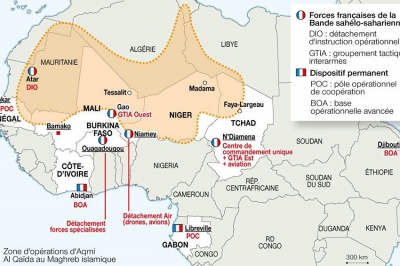
Hannah Armstrong, chercheuse au New America’s International Security Program, estimait que 3 000 djihadistes étaient actifs au Sahel déjà en septembre 2014. Les fronts se multiplient dans ce Sahel et ses points stratégiques si l’on sait que déjà plus de 300 hommes d’Al-Mourabitoune et d’Aqmi sont déjà repérés dans le Sud de Libye qui est une véritable base arrière à partir de laquelle la circulation des armes s’organise depuis le Tibesti jusque dans les massifs de l’Aïr en passant par le plateau de Djado. Aboul Walid Al-Sahraoui ne serait pas non plus hors course dans ce jeu de positionnement qui viserait le Kwar nigérien.
D’ailleurs, le Niger et le Tchad en sont conscients et le débat secoue les Etats-majors français entre les partisans d’une intervention jusqu’en Libye et ceux qui redoutent les contrecoups ingérables d’une opération militaire de plus sans « service après-vente ».
Les Américains eux sont discrètement positionnés à Agadez et ailleurs sous forte crainte des développements imprévus en Algérie. Tous ces éléments font que la guerre qui se mène au Sahel est essentielle pour la sécurité des pays de la région mais aussi pour les intérêts stratégiques de la France qui n’intervient pas seulement au « secours de ses amis ».
Macron a bien dit dans le discours de Niamey que c’est au Sahel que se jouait en partie la sécurité de la France et une partie de son « avenir ». Mais pour nos pays, c’est là, aussi, où se joue notre sécurité de demain et déjà d’aujourd’hui. Aucun de nos pays ne pourrait échapper aux conséquences d’un second chaos libyen.
« Le premier semestre 2018 doit donner lieu à des victoires [militaires] claires contre les terroristes », affirme Emmanuel Macron. Quels sont les facteurs explicatifs d’une éventuelle situation, sinon quels en seront les problèmes auxquels il risque de se confronter sur le terrain?
Le Président Macron dit cela en parfaite conscience du danger imminent qui proviendra de la Libye dont le Sud est déjà refuge des groupes djihadistes. Je fais partie de ceux qui pensent que l’opérationalisation accélérée de la force conjointe du G5 Sahel entre dans le cadre de la stratégie qui se met en place pour étendre le champ d’intervention vers le Sud de la Libye. C’est seulement le modus operandi qui se discuterait encore. Serait-elle sous la forme d’une guerre préemptive à la Bush ou d’une suite d’incursions coordonnées entre les forces du G5 et celles de Barkhane ? Ou bien va-t-on vers une Otanisation (OTAN) de Barkhane tel que pourrait le suggérer l’invitation des autres militaires américains et allemands lors du discours de Macron au Niger ? Toutes ces questions se posent avec autant d’acuité si l’on prend en considération les alertes américaines sur les retours imminents de milliers de djihadistes africains du front syrien largement maîtrisé par la coalition internationale.
Dans un tel contexte qui se complexifie davantage pour notre défense et notre sécurité de manière générale, je ne peux que réitérer mon plaidoyer pour que notre pays, le Sénégal, se dote d’une stratégie nationale de prévention et de lutte contre l’extrémisme violent et le terrorisme. Les premiers procès de présumés djihadistes sur notre sol avec tant de difficultés et de complexités juridiques qui vont surgir montrent à suffisance qu’il est temps de mettre en place une stratégie coordonnée et inclusive avec comme socle de véritables politiques préventives.
Source : 24 HEURES/ Timbuktu Institute
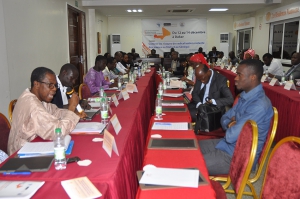
« Contrer les risques de radicalisation violente des jeunes au Mali et au Sénégal », c’est autour de ce thème que des spécialistes de la sous-région ont tenté de comprendre les facteurs de vulnérabilité dans les zones frontalières qui poussent les jeunes à s’adonner à la violence. C’était au cours d’un atelier régional organisé par Timbuktu Institute, en partenariat avec le Wanep et le Crdi.
Les risques de radicalisation méritent une recherche anticipée de solutions. C’est dans ce cadre que Timbuktu Institute-African Center for Peace Studies inscrit sa ligne d’actions. L’échec des systèmes de gouvernance et les résultats mitigés des politiques publiques dans la plupart des pays du Sahel ont donné naissance à des phénomènes de marginalisation et de paupérisation de couches vulnérables parmi lesquelles figurent les jeunes. En réponse à cette problématique, des chercheurs s’engagent avec d’autres partenaires à cerner les facteurs de basculement des jeunes dans le radicalisme.
L’atelier régional de lancement et de validation méthodologique du projet recherche-action ouvert à Dakar entre dans cette perspective. Ledit projet se déroulera sur une période de trois ans. Selon le directeur de Timbuktu Institute, Dr Bakary Sambe, cette recherche s’adresse sur les zones frontalières du Mali et du Sénégal, deux pays qui ont leurs spécificités, un d’entre eux connaît déjà le phénomène de manière très avancée et l’autre étant dans une stratégie de prévention. Pour se placer en amont de l’intervention et des mesures sécuritaires, Timbuktu Institute ou le West african network for peace (Wanep), sous la couverture de l’Université Gaston Berger de Saint-Louis et avec l’appui du Crdi, fait de ce projet de recherche-action un moyen de produire des connaissances mobilisables pour accompagner les politiques publiques, mais surtout de se situer dans l’action de prévention. « Au-delà des difficultés d’ordre économique et politique qui minent la plupart des pays africains, le continent se trouve aujourd’hui confronté à un nouveau type de menace qu’est la violence extrémiste », a expliqué le directeur de Timbuktu Institute, qui ajoute que « la porosité des frontières entre pays amplifie cette tendance lourde et fait de ce phénomène un enjeu sous-régional ». D’où l’intérêt de développer des stratégies régionales. A en croire M. Sambe, les attentats au Burkina- Faso à partir des frontières maliennes, celui au Grand-Bassam en Côte-d’Ivoire à travers les mêmes frontières maliennes ont signé la fin des exceptions en Afrique. Cet atelier régional a enregistré la présence du conseiller technique du ministre des Affaires religieuses et du Culte du Mali et du représentant du Premier ministre sénégalais.
Abdoulaye Khouma a tenu, au nom de Mahammed Boune Abdallah Dionne, à rappeler l’intérêt de notre pays pour toutes ces initiatives en faveur de la paix et du maintien du modèle de stabilisation du Sénégal. Quant à la spécialiste de programme principal au Crdi, Ramata Thioune, elle a réitéré l’engagement de son agence à poursuivre son action de soutien pour la recherche dans des domaines stratégiques dans le dessein de comprendre les facteurs de vulnérabilité dans les zones transfrontalières, à travers une approche comparative dans les deux pays concernés.
Source: le Soleil
Lors de l’atelier d’harmonisation méthodologique tenant lieu de lancement du Projet appuyé par le CRDI« Contrer la radicalisation violente des jeunes au Mali et au Sénégal », l’experte en Genre et Sécurité, Mme Ndèye Amy Ndiaye, chercheure associée à Timbuktu Institute a insisté sur les aspects méthodologiques et la formulation des questions de recherche.
Pour la chercheure « Étudier les phénomènes de radicalisation violente à travers le prisme du genre, c’est finalement se donner l’occasion de mieux comprendre comment ceux-ci s’implantent dans un monde social qui n’est pas vécu de la même manière par les hommes et les femmes ».
Au Mali comme au Sénégal, les jeunes sont devenus des proies faciles à tous les groupes criminels et terroristes qui s’activent dans le Sahel ces dernières années, insiste t-elle.
Dr. Ndèye Amy Ndiaye rappelle à cet effet que pour le Mali: « l’étude faite sur une population féminine moyennement jeune par Timbuktu révèle les causes principales : 47% des femmes interrogées estiment que la pauvreté alimente la radicalisation, 40% des femmes pensent que les jeunes sévissent dans la radicalisation par manque d’emploi. Le manque d’éducation 6% et l’exclusion sociale 7% viennent en dernière position »
L’experte en questions de sécurité a tenu à souligner que le projet de recherche devrait ouvrir de nouvelles perspectives pour la recherche et les politiques publiques de jeunesse prenant en compte.
Timbuku Institute- African Center for Peace Studies et WANEP- Mali ont lancé, ce mardi, le projet de Recherche-Action sur « Contrer les risques de radicalisation violente des jeunes au Mali et au Sénégal ».
Les chercheurs maliens et Sénégalais ont salué l’appui du CRDI et « l’action du Canada en matière d’affaires étrangères et de développement investit dans le savoir, l’innovation et les solutions afin d’améliorer les conditions de vie dans les pays en développement ».
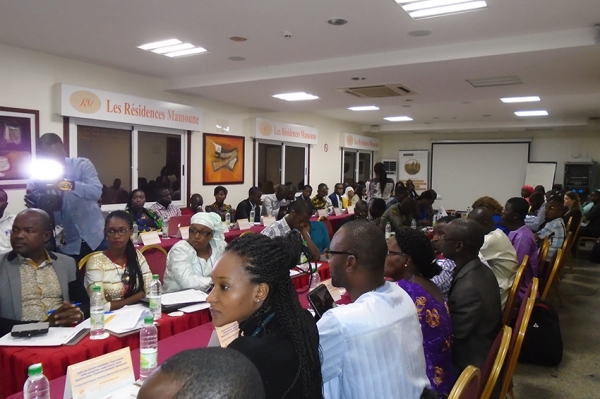
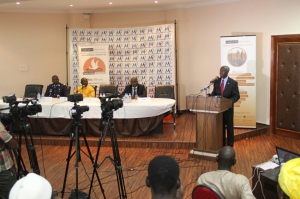
La Cérémonie de lancement de ce projet de trois ans s’est déroulée en présence des autorités sénégalaises et des partenaires du Projet. Après l’allocution d’ouverture de Monsieur Abdoulaye Khouma représentant le Premier Ministre, Mohammed Boun Abdalla Dionne, Madame Ramata Molo Thioune, a souligné l’engagement du CRDI à soutenir les recherches qui aident à la décision et qui éclaire les politiques publiques. Les travaux de validation ainsi que les discussions thématiques se poursuivront les 13 et 14 décembre aux Résidences Mamoune (VDN- Dakar).
La cérémonie a été rehaussée par la présence des chefs religieux de toutes confréries auprès du Conseiller technique du Ministre malien des Affaires religieuses et des personnalités de l’Eglise.
Il faut rappeler que, dans le cadre de sa mission, le CRDI apporte son soutien financier et technique à des travaux de recherche dans les pays en voie de développement en vue de « produire un changement réel et durable ». Les savoirs endogènes ainsi produits peuvent servir d’outil pour résoudre des problèmes conjoncturels comme pour apporter des solutions durables.
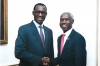
Lors de la cérémonie solennelle de Clôture du Programme « Educating for Peace », Tulinabo Salama Mushingi, Ambassadeur des Etats-Unis au Sénégal a loué « les efforts de l’Institut Timbuktu dans la promotion des valeurs de paix »
Dans son allocution devant les jeunes étudiants sénégalais et les représentants de toutes les confréries religieuses du pays en plus du clergé, le diplomate américain est revenu sur l’action de l’Institut que dirige Dr. Bakary Sambe : « A travers l’organisation de nombreux évènements, dont celui d’aujourd’hui, l’Institut Timbuktu et l’Initiative Educating for Peace ont renforcé la notion selon laquelle l’Islam est une religion de paix ».
Soulignant la démarche novatrice de ce think tank africain, basé à Dakar, l’Ambassadeur des Etats-Unis est revenu sur l’importance du dialogue.
« En mettant l’accent sur le dialogue et l’interaction, une nouvelle génération va comprendre la valeur de l’échange – échange d’idées, de croyances et de pensées. En tant que société, nous devenons plus forts lorsque nous autorisons plusieurs voix », rappelle t-il
Poursuivant dans le même sens il rappelle en citant le Président Kennedy : « l’un des présidents des États-Unis que je préfère, John F. Kennedy, a dit un jour: « Il nous appartient à tous d’encourager un esprit de tolérance, non seulement de la part du gouvernement, mais également entre les groupes au sein de la communauté».
Tulinabo S. Mushingi saluant cette initiative qui a été réalisée grâce à l’appui de l’Ambassade des Etats-Unis à Dakar conclut par une analyse de l’action de Timbuktu Institute à travers ce programme : « Je trouve que c’est une description pertinente de l’Initiative Educating for Peace – il ne s’agit pas de changer l’opinion de quelqu’un, mais plutôt de comprendre la perspective d’autrui. Que ce soit à travers une vidéo sur You Tube, une marche avec des inconnus à Kaolack, un jeu avec un ou une camarade de classe à Mbour, ou un débat avec des étudiants qui ont des points de vue différents à Saint-Louis, Educating for Peace a donné aux jeunes du Sénégal une alternative à l’idéologie extrémiste et au discours de haine ».
Il a aussi tenu à adresser ses félicitations au Directeur de l’Institut et à ses collaborateurs en ces termes : « Aussi, je voudrais vous remercier, Dr Sambe, ainsi que vos nombreux collaborateurs et les élèves et étudiants eux-mêmes, qui ont été un élément clef de la réussite d’Educating for Peace ».
La Cérémonie de Clôture du Progamme Educating for Peace conduit par Timbuktu Institute avec le Soutien de l’Ambassade des Etats-Unis à Dakar aura lieu le lundi 4 décembre 2017 à 16H à la Maison de la Presse, (sise Corniche Ouest). Ce programme vient en appui aux efforts du Sénégal pour la cohésion sociale et la culture de la paix.
Conscient du rôle primordial de l’éducation dans la préservation de la paix, l’institut avait lancé ce programme il y a un an qui s’est adressé aux jeunes dans les collèges, les lycées et les universités en offrant des espaces de débats, de réflexion et de conscientisation en faveur du renforcement de la cohésion nationale.
Le Programme s’est déroulé avec une série élargie d’interventions sous forme de débats inclusifs sur la tolérance en donnant la parole aux jeunes (collégiens, lycéens, et étudiants) à travers l’organisation de discussions participatives afin de promouvoir et de renforcer la culture de la paix en s’appuyant sur les acquis considérables du Sénégal en termes de résilience communautaire.
Privilégiant la dimension participative, la cérémonie de clôture sera l’opportunité de présenter le bilan du Programme par les élèves et étudiants qui y ont participé à travers leurs réalisations en termes de messages pour la paix et contre l’extrémisme violent. Dr. Bakary Sambe, le directeur de l’Institut, y présentera une communication sur « Enjeux de la coopération entre le Sénégal et ses partenaires internationaux pour la prévention de l’extrémisme violent : quel rôle pour l’éducation ? ».
Son Excellence, Tulinabo Salama Mushingi, Ambassadeur des Etats-Unis à Dakar y prononcera une allocution en présence des autorités des autorités sénégalaises, des chefs religieux, du monde éducatif et artistique.
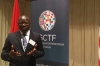
Dans le cadre de la préparation du Forum Mondial sur le Contre-terrorisme (Global Counterterrorism Forum), Timbuktu Institute a été invité, par le biais de l’Ambassade des Etats-Unis à Dakar, à prendre part au lancement d’une initiative mondiale sur le phénomène du terrorisme d’origine nationale (homegrown terrorism).
Dr. Bakary Sambe a rappelé durant les débats avec des experts et délégations internationales que « la prévention de l’extrémisme violent en amont par l’éducation et la justice sociale est beaucoup plus judicieux que de se lancer dans des surenchères militaires qui seront contre productives à long terme come l’ont montré les expériences d’Afghanistan, de l’Irak ainsi que le peu de succès des opérations militaires en cours dans le Sahel ».
Il s’est prononcé, dans un entretien accordé à notre rédaction, sur les principaux axes du Forum international de Dakar, sur la paix et la Sécurité qui vient de se tenir à Dakar avec, selon lui, « une certaine orientation vers les solutions sécuritaires ».
Durant cette rencontre annuelle qui en est à sa quatrième édition, certains chefs d’Etats ont insisté sur la riposte militaire dans un contexte où le G5 Sahel tend à opérationnaliser sa force régionale.
« Les questions stratégiques doivent être l’objet de débats contradictoires impliquant les chercheurs au-delà des grands-messes diplomatico-protocolaires qui ne libèrent pas la parole et l’autocritique », soutient le directeur du Timbuktu Institute.
Pour Bakary Sambe, « Le G5 Sahel est d’une importance capitale dans la configuration actuelle mais il faut reconnaître l’appui conséquent des Nations Unies aux initiatives régionales malgré les efforts qui restent à faire. Cependant, rappelle t-il, voir la lutte contre le terrorisme sous le seul angle de la riposte militaire relève d’une absence de vision à long terme ».
« Si j’étais invité au Forum de Dakar, poursuit Sambe, j’aurais fait entendre cette opinion que partagent nombre d’experts parmi ceux présents à cette rencontre de haut niveau qui se tient ici à Malte. Car, le terrorisme du futur impose un changement de paradigmes et les critiques sur les opérations de maintien de la paix et leur caractère inadapté valent aussi pour les approches sécuritaires et militaires que préconisent certains Etats », insiste-t-il.
D’après l’expert sénégalais des questions d’extrémisme violent et des réseaux transnationaux dans le Sahel qui coordonne l’Observatoire des radicalismes et conflits religieux en Afrique, « il est grand temps que, dans le cadre de débats contradictoires ouverts aux chercheurs, ce Forum de Dakar se tourne plus vers la réflexion stratégique et surtout la prospective à un moment important où nous ferons de plus en plus face au phénomène du homegrown terrorism »
La thématique du terrorisme d’origine nationale est au cœur de la rencontre regroupant les plus grands experts internationaux qui se déroule présentement à Malte sur initiative des Etats-Unis et du Maroc.
Actuellement, selon Dr. Bakary Sambe, « il faut que les Etats africains et du Sahel s’associent à la réflexion globale sur le terrorisme d’origine nationale ainsi que les facteurs qui conduisent des individus à prendre part à des attaques terroristes où à les soutenir de l’intérieur des pays concernés ».
Cette nouvelle initiative co-présidée par le Maroc et les Etats-Unis, en coordination avec l’Institut International pour la justice et l’Etat de droit (IIJ) cherche à élaborer de nouvelles bonnes pratiques sur la « gestion du défi que pose le traitement du terrorisme d’origine nationale qui seront présentées au Forum Mondial sur le contre-terrorisme (GCTF) pour adoption en septembre 2018.
Auteur, entre autres, du premier rapport en 2013, intitulé « Grand Angle sur le radicalisme religieux et la menace terroriste au Sénégal » avec l’Institut d’étude de sécurité (ISS), Dr. Bakary Sambe est professeur au Centre d’étude des religions de l’Université Gaston Berger de Saint-Louis. Il est aussi le Directeur du Timbuktu Institute-African Center for PeaceStudies de Dakar où il coordonne l’Observatoire des radicalismes et conflits religieux en Afrique. Spécialiste des rapports entre politique et religion en Afrique, il travaille aussi sur le militantisme islamique et les réseaux transnationaux auxquels il a consacré plusieurs publications et ouvrages. Il analyse pour notre rédaction la situation qui prévaut au Sénégal depuis l’alerte de l’Ambassade des Etats Unis en appelant à la sérénité et à ne pas céder à la psychose. Tout en revenant sur l’(absence du Sénégal du G5 Sahel, la nécessité d’une coordination dans la gestion de l’information entre le Sénégal et ses partenaires stratégiques, il propose de privilégier une approche inclusive et sereine de la menace, l’anticipation, la prévention et le développement de stratégies à long terme telles que l’éducation et la justice sociale.
Une psychose renait depuis la publication d’un communiqué par l’ambassade des États-Unis à Dakar conseillant à ses ressortissants au pays de la Teranga d’éviter de fréquenter les hotels en bordure de mer et les plages. Comment avez-vous acceuilli cette mise en garde américaine ?
Il faut appeler à la sérénité nécessaire à la gestion de la menace. Je suis presque persuadé que les services de sécurité sénégalais étaient aussi informés que l’Ambassade américaine mais n’avait pas les mêmes responsabilités. L’Ambassade des USA est préoccupée par la protection de ses ressortissants et nos forces de sécurité et de défense étaient devant une double responsabilité de gérer et de juguler la menace mais aussi de prémunir le pays d’une psychose qui pouvait être nuisible à notre économie surtout au tourisme et aux investissements notamment en ces moments de haute saison. Mais, franchement, au regard du niveau de coopération sécuritaire entre nos deux pays, une meilleure coordination dans la communication autour des risques et menaces serait appréciable comme essaient de le faire certains partenaires stratégiques, tels que la France, qui n’ont pas eu la même attitude.
Pensez-vous que la menace terroriste est réelle au Sénégal c’est-à-dire qu’il pourrait avoir une attaque imminente ?
Cela fait des années, alors contesté par tous ceux qui, aujourd’hui, reprennent nos arguments qu’ils ont tant subjectivement réfutés, que je martèle qu’aucun pays au monde ne peut se prévaloir d’un statut d’exception. Le Sénégal est resté un îlot de stabilité dans un océan d’instabilité ; ce qui en a fait une place attractive pour aussi bien ceux qui cherchent la stabilité que ceux veulent la remettre en cause. Cette spécificité qui fait notre force nous expose en même temps à une certaine vulnérabilité. La prise de la citadelle devient un défi pour ceux qui nous reprochent notre système démocratique, notre cohésion sociale sur fond d’un islam confrérique pacifique dont les symboles ont été attaqués à travers les mausolées de Tombouctou. Les attentats de Ouagadougou en 2016 ont signé la fin des exceptions en Afrique de l’Ouest de la même manière que Grand Bassam a inauguré l’ère de l’absurdité même de la prévision. Malgré la forte résilience et les performances de la communauté du renseignement appuyée par la coopération avec d’autres pays, les signaux d’une exposition aux risques sont là depuis quelques années.
Face à cela, quel devrait, selon vous, etre latitude de nos autorités mais également de nos forces de défenses et de sécurité ?
Nous sommes à l’ère de la vulnérabilité généralisée qui impose un changement des paradigmes et des mentalités. Aucun pays au monde même parmi les plus puissants, n’a été préparée à la guerre asymétrique sans front délimité, ni ennemi identifié, souvent diffus et parfois déjà à l’intérieur des frontières. C’est dans ce sens qu’il faut savoir que notre pays n’est pas le plus mal loti en termes de dispositifs sécuritaires : des services de renseignement qui peuvent encore profiter du fait que nous ayons encore des communautés – contrairement à d’autres pays développés- , une politique d’anticipation à renforcer avec la création d’instituts de recherche tels que le CHEDS dirigé par le général Paul Ndiaye et l’Observatoire des radicalismes et conflits religieux en Afrique depuis 2012, des dispositifs inclusifs comme l’ancienne CLAT et le CICO. La pire attitude serait l’entretien inutile d’une psychose contreproductive pour la sécurité et l’économie : il faut éduquer les populations à plus de coopération avec les services de sécurité et travailler sur les résiliences. Certains pays ont connu une moyenne de 5 à 10 attentats par année tout en restant l’une des premières destinations du monde ou des places financières centrales. La Côte d’Ivoire n’a pas beaucoup souffert des attaques de Grand Bassam sur le plan économique car un important travail avait été fait sur la résilience et l’éducation des populations conformément à la nouvelle réalité selon laquelle il faut malheureusement apprendre à vivre avec la menace tout en prenant les mesures idoines.
N’y a t-il pas une faille sur le plan de la communication ?
A la différence des pays comme le Mali qui a déjà subi des attaques ou le Niger et le Tchad sous forte pression sécuritaire, le Sénégal, comme il y a peu le Burkina, se situe encore dans la typologie de ceux qui peuvent encore adopter une approche prospective et préventive face à la menace. De ce fait, loin d’une volonté de non communication ou de déni comme lors de notre première étude avec l’Institut d’étude de Sécurité (ISS) en 2013, le Sénégal serait dans une logique de consolidation sereine des acquis et d’expérimentation de divers dispositifs. On a vu que les informations révélées après coup ça-et-là sur les différentes menaces précédentes ont eu pour effet immédiat de relativiser l’alerte américaine au point de montrer que ce n’était ni la première ni la plus sérieuse. Mais il faudra, à coup sûr, un vrai travail d’accompagnement et d’encadrement médiatique afin d’éviter la dispersion des efforts et des situationsde panique ingérables au moment où il faut, certes, se concentrer sur les urgences sécuritaires mais aussi, à long terme, travailler davantage sur la prévention par l’éducation et la justice sociale. La coordination des efforts des différents services du Ministère de l’Intérieur comme de la défense serait d’une grande utilité dans ces circonstances où aucune faille ne doit être tolérée.
le Sénégal est absent du G5 Sahel. Une telle attitude est-elle réaliste par rapport à notre engagement au Mali ? Est ce qu’il serait cohérent que nous renforcions notre présence au Mali alors que les dirigeants du G5 nous snobent ?
Le renforcement de l’axe classique de notre doctrine de « diplomatie de bon voisinage » pourrait être utile dans ce contexte particulier tel que semble le comprendre le nouveau ministre des affaires étrangères. Mais, la question du G5 Sahel reste difficile. Lorsqu’on s’adresse aux acteurs pertinents du G5 Sahel, il arrive qu’ils déplorent l’absence du Sénégal au moment où ceux de la partie sénégalaise semblent ne pas saisir les véritables raisons de leur propre absence. Il est sûr qu’au regard des défis sécuritaires régionaux,le politique devra tôt ou tard entériner ce que la géographie et l’histoire ont imposé comme un destin commun de pays ayant la vulnérabilité et la porosité des frontières en partage. La dernière étude du Timbuktu Institute dans la zone frontalière de Rosso, le montre sur plusieurs aspects. L’absence remarquée du Sénégal de la réunion des « pays du champ » et du processus de Nouakchott n’est pas bien comprise de certains de nos voisins. Afin d’éviter le mauvais départ lors de la crise malienne qui du reste a été bien rattrapé, par la suite, avec une présence de plus importante notamment dans le Centre et au moment où on parle d’une force conjointe, une coopération sincère et renforcée entre la Mauritanie et le Sénégal demeure une nécessité stratégique qui impose le sursaut et le dépassement.
Source : Le Témoin du 27/10/2017
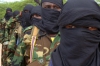
La Harakat Al-Shabab al- Mujâhidîn est fondée en 2004 mais a été beaucoup médiatisée à partir de 2007. C’est une faction armée qui porte plusieurs autres noms tels que : Harakat Shabab al-Sumâlî, Harakat al- Mujâhidîn, Al-Shabab al-Jihâdî etc. Le premier combat des Chebabs somaliens a été d’affaiblir les confréries soufies notamment la Qâdiriyya. C’est une bataille idéologique que ces anciens étudiants en Arabie Saoudite et au Soudan ont menée pendant plus de trente ans en accusant les confréries soufies et leurs Cheikhs de « kufr » (dénégation) et de « Shirk » (associationnisme) en se présentant comme des « missionnaires » devant « purifier » les pratiques de l’islam en Somalie
En effet, c’est dans les années 70 et 80 que beaucoup de jeunes somaliens sont partis étudier en Arabie Saoudite alors que le salafisme wahhabite avait commencé à faire ses effets sur le champ religieux somalien avec un vaste mouvement de « rectification des dogmes » (Tashîh al-‘aqâid) et de lutte contre le soufisme notamment la confrérie Qâdiriyya. Cette confrérie est assez présente en Somalie sous la forme d’une ramification appelée Rabî’iyya fondée par Shaykh Muhammad Rabî’u Dîn.
Dans le cadre d la propagation du salafisme à partir des années 60, l’Arabie Saoudite a beaucoup contribué à la formation de ces jeunes somaliens qui ont fréquenté les universités de Médine, Ummul Qurâ et ont obtenu, en plus des bourses d’études des subventions financières. Ce soutien financier a favorisé la naissance à deux mouvements : Al-Ittihâd al-Islâmî (l’Union islamique) qui s’est beaucoup investie dans la da’wah (prédication) entre 1982 et 1984, dirigée à l’époque par le Cheikh Ali Warsma.
Cette union est née de la fusion entre deux mouvements salafistes que sont la Jamâ’a Islâmiyya et Wahdat al-Shabâb al-Islâmiyya. En plus des anciens étudiants en Arabie Saoudite, d’autres membres proviennent aussi des universités soudanaises et même d’Al-Azhar à l’époque. Il faudra, aussi, prendre compte de la stratégie de ces « missions islamiques » qui visaient aussi à contrecarrer l’évangélisation sous l’influence de l’Ethiopie et d’autres organisations chrétiennes.
C’est sous le règne du roi Fayçal bin Abdul Aziz qu’est arrivée à Mogadiscio en 1964, la première mission « islamique » d’étude sur la « situation des musulmans en Somalie », sous l’égide de Cheikh Mohammed Nasser Al-Amoudi, Secrétaire général adjoint de la Ligue islamique mondiale. Suite à un rapport sur la « situation des musulmans en Somalie », l’idée a été émise d’intensifier le travail de prédication et de purification du dogme islamique qu’on devrait purifier des « innovations » du soufisme.
Ainsi, d’importants fonds vont être alloués par le gouvernement saoudien pour envoyer des prédicateurs et des guides pour l’Afrique, la mise en place d’instituts islamiques en Somalie, en Ouganda, au Kenya ainsi que la construction de mosquées. Puis, en 1966, la Ligue islamique mondiale, en collaboration avec le cheikh Abdulrahman Hussein, les efforts saoudiens dans la prédication, l’enseignement, et la publication de plusieurs milliers de documents, va appuyer la propagation du salafisme appelant à un retour vers l’islam dit de la « première génération de musulmans ».
Le groupe terroriste était connu au début comme l’aile armée de l’Organisation des Tribunaux islamiques. Mais l’alliance avec l’opposition somalienne à la conférence d’Asmara en septembre 2007 est l’une des principales raisons de la dissolution du mouvement somalien de la jeunesse des tribunaux, l’accusant d’alliances avec des laïcs.
Al-Shabab adopte l’orientation salafiste-djihadiste et vise à établir un «Etat islamique». Le mouvement est décrit comme membre à part entière des organisations salafistes mondialistes et jihadistes, avec des hommes armés en Somalie et de divers pays arabes. Le groupe affirme lui-même que ses hommes armés ont mené l’attaque contre le centre commercial Westgate à Nairobi le 21 septembre, qui a tué au moins 68 personnes.
Il faut rappeler qu’Al Shabab a également été responsable du double attentat-suicide à Kampala, en Ouganda, en 2010, qui a tué 76 personnes après la finale de la Coupe du monde comme il a déjà revendiqué des attaques en Ouganda parce que les troupes ougandaises – en plus du Burundi – étaient l’épine dorsale de la force africaine opérant en Somalie avant que le Kenya ne rejoigne la force.
Al-Shabab est, ainsi, devenu un mouvement à dimension continentale et plusieurs analystes s’accordent sur sa capacité de nuisance notamment dans les pays voisins comme le Kenya où ses jeunes militants peuvent se rendre sans encombre profitant de la porosité des frontières. Il a été plusieurs fois signalé que ces jeunes ont pu se rendre à Nairobi pour se faire soigner dans les hôpitaux du pays. Pour dire l’étendue de ses relations et de ses réseaux qui lui facilitent l’appui logistique nécessaire à son déploiement.
Pour toutes ces raisons, ce mouvement constitue une réelle menace non seulement pour l’Afrique d l’Est mais tous les pays du continent si l’on sait aujourd’hui ses accointances avec d’autres groupes (Al Qaida, Boko Haram) dans le cadre d’une coopération logistique facilitant ses incursions et attaques dans tous les pays voisins de la Somalie.
Le plus inquiétant reste la présence et l’activisme de mouvements appartenant à ce courant salafiste wahhabite dans l’ensemble des pays du Sahel (Mali, Niger, Sénégal, Burkina, Mauritanie, Tchad etc), sous plusieurs dénominations mais revendiquant tous le même dogme de la « purification » des pratiques religieuses qui a abouti au takfîr et aux attaques contre toutes les autres catégories qui ne partagent pas leur vision.
Sacré-Coeur 3 – BP 15177 CP 10700 Dakar Fann – SENEGAL.
+221 33 827 34 91 / +221 77 637 73 15
contact@timbuktu-institute.org