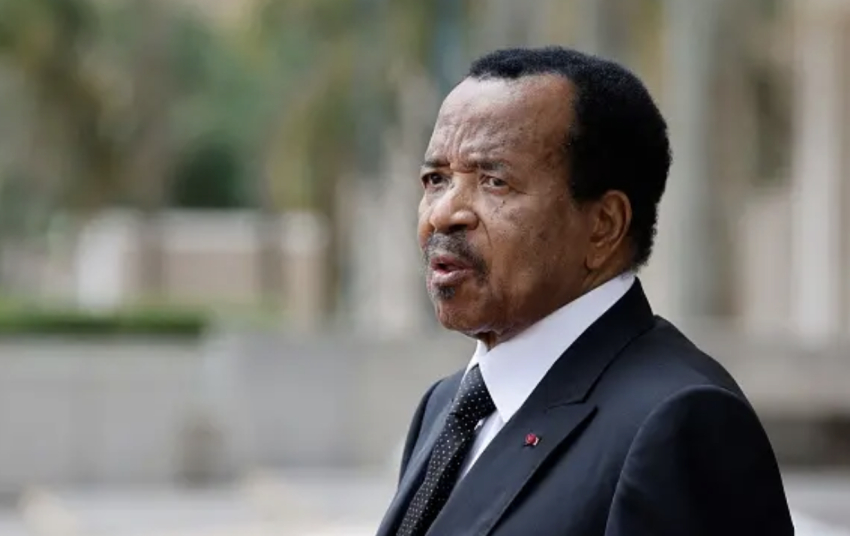
 © Getty Images/TDR
Timbuktu Institute January 2026
Two months after President Paul Biya was re-elected for an eighth term, the country still does not have a new government and Cameroonians remain in limbo. In his address to the nation on December 31, 2025, the head of state had suggested that this was a "priority" and that "sustained efforts" should be "made without delay." Since the beginning of his tenure in 1982, Biya has carried out 35 reshuffles, but none during his previous seven-year term. According to TV5 Monde, a form of "government of national unity" cannot be ruled out, mainly due to the significant 35% share of the vote obtained by opposition leader Issa Tchiroma Bakary, who is said to have declined the post of prime minister. Biya, for his part, sought to be diplomatic in his year-end speech on , calling for a strengthening of multilateralism at the international level.
No release for post-election detainees
On Tuesday, January 8, more than 140 detainees—who have been in prison for more than two months—from the October 2025 post-election crisis appeared before the military court in Yaoundé. They were tried for "spreading false news, unlawful assembly, group rebellion, and failure to carry identification" for participating in protests against the announced results of the last presidential election. The court rejected the request for provisional release filed by the group of lawyers.
Meanwhile, in the northwest of the country, the security situation remains volatile. The Cameroonian defense forces claimed to have neutralized eleven separatist fighters on January 6 during a military operation in the department of Bui, between the towns of Ntabah and Mbawrong. Since 2017, Cameroon's two English-speaking regions, the North-West and South-West, have been the scene of a war between the Cameroonian state and various separatist groups.