Cameroon: towards a postponement of parliamentary and municipal elections? Spécial
 © Sunday Alamba/AP/SIPA
Timbuktu Institute – Week 2 – February 2026
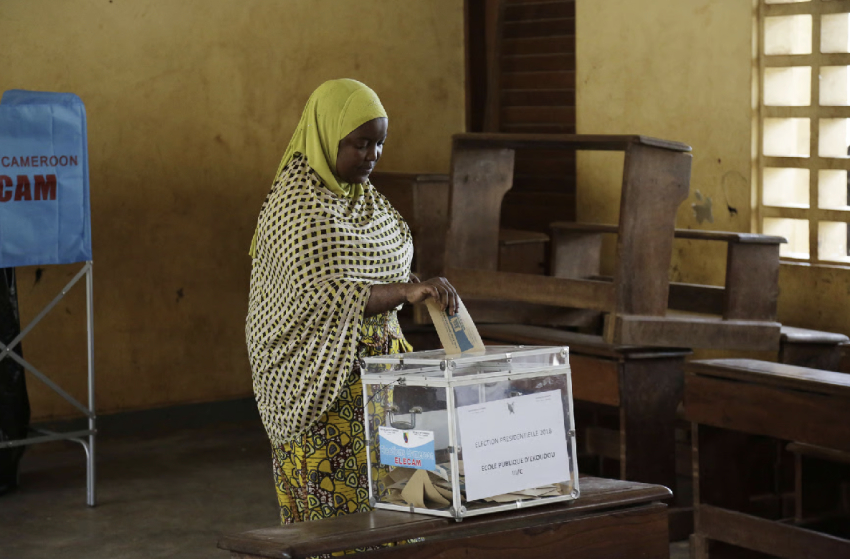
For several weeks now, rumours of a possible further postponement of the parliamentary and municipal elections have been circulating. Supported by senior members of the ruling party, the Cameroon People's Democratic Movement (RDPC), this wish may well become a reality. In any case, this is one possible interpretation of the remarks made by President Paul Biya during his traditional speech on Youth Day on 10 February. The Head of State announced a ‘slight adjustment’ to the electoral calendar ‘in view of certain pressing constraints’. Although these elections were expected to take place last year, they were initially postponed until 2026. It was in this context that the electorate was scheduled to be convened this February.
Furthermore, the vague and evasive nature of the reasons given by the Head of State does little to allay concerns. With Biya still to appoint a government more than two months after his re-election, this new decision keeps Cameroon in a worrying institutional situation. The postponement and adjustment of the timetable raise many questions about the country's governance, particularly the ability of institutions to organise credible and inclusive elections in a context where criticism of the legitimacy of the electoral process remains strong.
Separatist leader Lucas C. Ayaba accused of war crimes
Arrested and imprisoned in Norway in September 2024, Ambazonian separatist leader Lucas Cho Ayaba, head of the Ambazonian Defence Forces, is now suspected by the Norwegian judiciary of war crimes, his lawyer and the police announced on 9 February. The police criminal investigation service (Kripos) suspects him of playing a ‘central role in the ongoing armed conflict in Cameroon’. His lawyer immediately stated that Lucas C. Ayaba ‘rejects the accusations of incitement to commit crimes against humanity and incitement to war crimes’. The separatist was initially accused of incitement to commit crimes against humanity in Cameroon. As the Ambazonian insurgency continues in north-eastern Cameroon, claiming thousands of victims and displaced persons, this judicial offensive based on accusations of serious crimes appears to be part of a broader strategy aimed at neutralising armed networks and their supporters.
Furthermore, the Governor of the Eastern Region, Grégoire Mvongo, received Canada's High Commissioner to Cameroon, Marie-Claude Harvey, during an official audience on 12 February, confirming the persistent challenges in this part of Cameroon. During the discussions, Canada reaffirmed its commitment to supporting the region's development through concrete projects aimed at improving the living conditions of local populations, particularly in light of the challenges related to access to basic social services. The governor, for his part, reiterated the region's significant needs, emphasising the importance of sustainable support to strengthen the socio-economic development of the East. Ultimately, Cameroon's most pressing challenges continue to emerge at the shifting intersection of political tensions, institutional uncertainty, and security and development challenges in the east of the country.