Mali: FAMa steps up offensive against armed terrorist groups Spécial
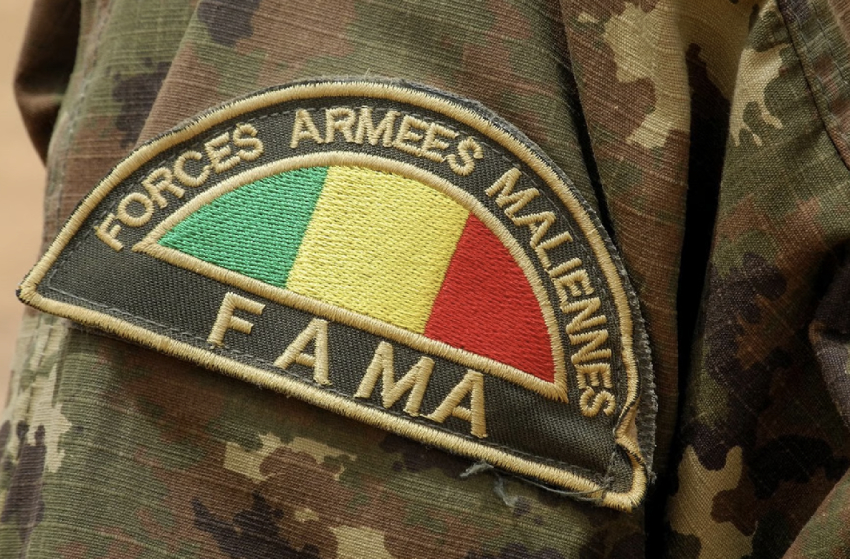 © Agnes COUDURIER/AFP
Timbuktu Institute – Week 2 – February 2026
As a reminder, Mali has been facing persistent security instability since 2012, marked by the advance of armed groups in several regions of the country, requiring increased vigilance on the part of the authorities and defence forces.
The Malian Armed Forces (FAMa) have conducted several large-scale military operations west of Ségou, leading to the neutralisation of more than 30 armed combatants, according to a statement from the General Staff of the Armed Forces.
These offensives targeted a first group spotted as it attempted to land on the left bank of the Niger River. A dozen assailants were intercepted. A second intervention then neutralised another group travelling by motorbike in the same area.
The Chief of Staff announced the continuation of these operations to combat the terrorist threat throughout Mali.
JNIM: divide and rule?
JNIM is active on all fronts with one main goal: to destabilise the country on all levels. The pressure is intensifying, the country's activities are slowing down day by day, and this phenomenon is paralysing the population and severely affecting the local economy.
Strategic areas such as Kayes are being targeted because of their large gold reserves.
Road insecurity is a near-daily occurrence.
The roads have become particularly dangerous due to repeated attacks on supply convoys. Tankers have been set on fire and several drivers have been killed, including in a recent attack in the Kayes region that destroyed dozens of vehicles and left at least 15 people dead. A surviving driver testified to the extreme risk involved, describing fuel transport as ‘paid for with blood’ and reporting that many of his colleagues had disappeared. By November, 27 drivers had already been killed.
Massive shortages and a weakened economy
The encircled cities are experiencing severe food and fuel shortages, leading to soaring prices and a general slowdown in trade. Several roads remain impassable, exacerbating the isolation of the population. This crisis has also prompted the government to suspend classes in some schools and universities due to a lack of fuel to keep services running normally.
Roads to Senegal paralysed after terrorist attack on convoy
At the end of January 2026, a convoy of tanker trucks carrying fuel was attacked by armed terrorist groups in western Mali, on the strategic route linking the country to the Senegalese border. The attack, attributed to the jihadist group JNIM (Group for the Support of Islam and Muslims), left at least 15 lorry drivers dead, and dozens of vehicles were burned or destroyed on the spot.
This ambush is part of a broader context of gradual blockage of trade routes and a jihadist offensive aimed at disrupting Mali's supply of fuel and essential goods, exacerbating a crisis that has already been ongoing for several months.
Strike and paralysis of trade corridors
In response, the National Union of Drivers and Truck Drivers of Mali (Synacor) has called a strike on the main road corridor to Senegal. The truck drivers are demanding the repatriation of the bodies of their colleagues who were killed before they will return to work.
This paralysis of strategic routes has significant economic and logistical consequences. The transport of goods between Mali and its neighbours has been halted or severely reduced, with the risk of disrupting regional supply chains. The road blockades are also slowing down trade and increasing the cost of transporting goods.
Security and economic context
The attack comes amid growing insecurity, with JNIM using blockades and sabotage of main roads to stifle the Malian economy. Since 2025, this jihadist group has stepped up attacks on fuel convoys from coastal countries, seeking to exploit Mali's dependence on these supply routes.