Togo: Between regional mediation and a civic space under pressure Spécial
Timbuktu Institute Week 2 - June 2026
Download the full Sahel weather report
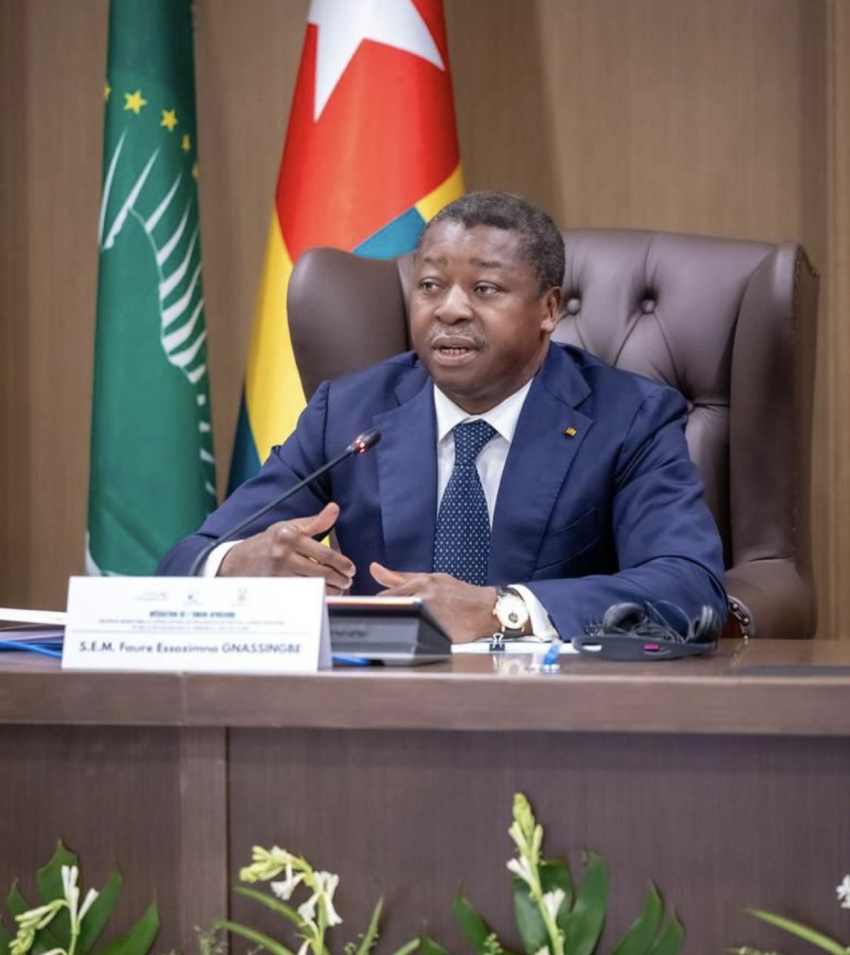
In West Africa, mediation frameworks have remained unstable and fragmented in recent years. Against this backdrop, Togo is seeking to establish itself as a hub for diplomatic convergence and the facilitation of multilateral dialogue. This dynamic reflects a strategy of gradual and continuous integration into regional mediation mechanisms, aimed at strengthening Lomé’s visibility and legitimacy within African crisis management frameworks. With this in mind, on 7 and 8 June in Lomé, the key players in regional and international mediation on the crisis in the east of the Democratic Republic of the Congo (DRC) met for a session to assess the peace process. Alongside the Togolese mediator, representatives from the EAC, SADC, ICGLR, the African Union and the UN reviewed the progress of the various ongoing initiatives, notably the AU roadmaps and the parallel processes in Washington and Doha.
The discussions highlighted limited progress, with several commitments still only partially implemented, notably regarding the protocols to the Doha Agreement and the effective withdrawal of armed forces from eastern DRC. Furthermore, the absence of binding mechanisms – considered one of the main limitations of African mediation – was also noted, as was the slow implementation of the ceasefire verification mechanism. Against this backdrop, representatives of the UN and regional organisations emphasised the need for better coordination of existing initiatives in order to enhance the effectiveness of the peace process in a region still marked by persistent armed violence. Separately, but in a similar vein, on 9 June, Togo and the European Union held their fourth round of political dialogue within the framework of the ACP-EU partnership, focusing on issues of peace, security, democratic governance and economic cooperation. The discussions provided an opportunity to assess Togo’s efforts in the areas of conflict prevention, building community resilience and combating terrorism, with European support in these areas reaffirmed.
A restricted civic space
In Togo, restrictions on civil society appear to have become increasingly systematic in recent years. Recent developments point to a civic environment in which the scope for free expression and dissent appears to be increasingly restricted, thereby fuelling an ongoing debate on the nature of the rule of law in the country. In an open letter published on 11 June, several human rights organisations, including the FIDH and the OMCT, called on the Togolese authorities to guarantee the safe return, free from reprisals, of human rights defenders forced into exile following the political tensions and crackdowns observed during recent protests. The letter condemns the legal proceedings, intimidation and harassment targeting these civil society actors, and demands that these be dropped and that independent investigations be launched into the reported violations. The signatory organisations further emphasise the need to provide lasting protection for civic space and to re-establish dialogue between the state and civil society actors. Beyond the humanitarian dimension of the appeal, this letter highlights a structural tension between the consolidation of state authority and the guarantee of civil liberties, the resolution of which is key to Togo’s democratic credibility.