Togo: revival of historical debates, intensified regional diplomacy Spécial
 © Portail officiel de la République Togolaise
Timbuktu Institute January 2026
Sixty-three years after the assassination of President Sylvanus Olympio on January 13, 1963, the Togolese political scene is marked by the reactivation of the debate on memory, the opposition's denunciation of a "founding crime," and renewed demands for the opening of archives, particularly French ones. In a statement released in Lomé on January 13, 2026, the National Alliance for Change ( r ANC), led by Jean-Pierre Fabre, asserts that the assassination of Togo's first president is at the heart of impunity, state lies, and democratic gridlock in the country. According to the party, the current Togolese government is part of a historical continuum: a "system born of an assassination" that has never been acknowledged, never been judged, and never been redressed. In line with this reasoning, the ANC is demanding that the archives on this assassination be opened in their entirety, insisting on the need for access to the French archives as well. This request ties in with a long-standing debate in Togo: the idea that the country's political and institutional crisis is rooted in the brutal rupture of 1963, which ushered in a trajectory marked by coups, the locking of power, and competing official narratives.
DRC–Rwanda: Faure Gnassingbé strengthens Togolese diplomacy
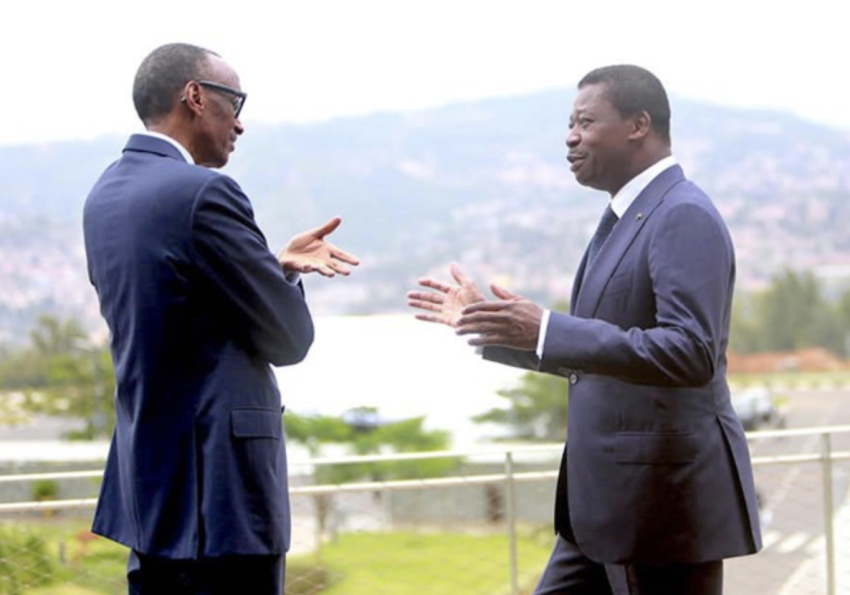
Meanwhile, the news in Lomé is dominated by diplomacy, spearheaded by Faure Gnassingbé, who is seeking to consolidate his role as regional mediator, particularly in the security crisis between the DRC and Rwanda. On January 16, 2026, the president of the African Union Commission, Mahmoud Ali Youssouf, is received in Lomé by Faure Gnassingbé as part of consultations related to African mediation on the crisis in the eastern Democratic Republic of Congo. Togo is being promoted as a facilitator, seeking to harmonize African efforts, build trust between the parties, and consolidate international cooperation on the issue. This dynamic is part of a broader regional trend marked by a proliferation of mediations (African Union, United States, Qatar, etc.), which reinforces the importance for Lomé to establish itself as a platform for dialogue. Current events are therefore marked by the Togolese government's efforts to consolidate its role as a stabilizing force and mediator in Africa and its image of stability through diplomacy, at a time when the opposition is refocusing national conflict on the question of the origins of the political system and the need for truth, justice, and reconciliation.