Benin: Arrest of former minister Alassane Tigri for failed coup Spécial
 ©TDR
©TDR
Timbuktu Institute – Week 4 - January 2026
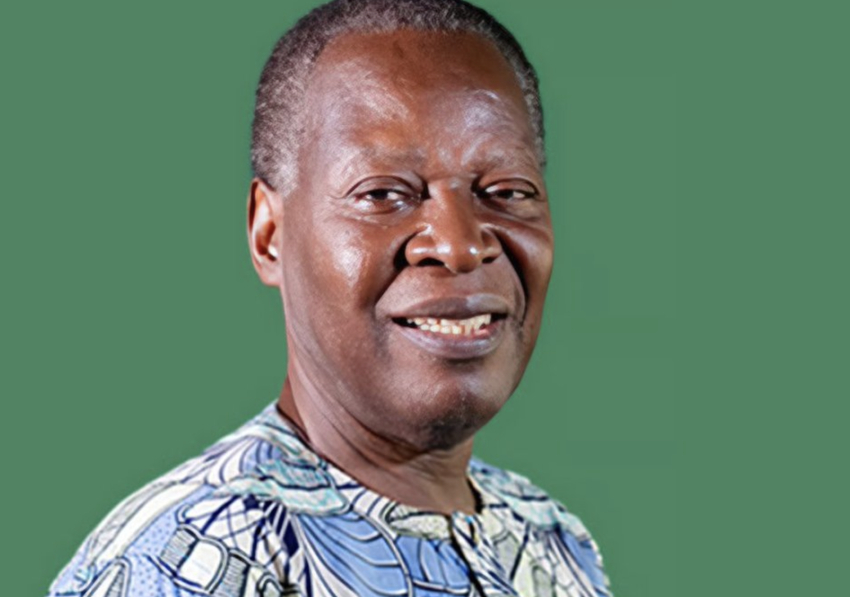
This is the latest episode in the series of legal proceedings following the failed coup on December 7. After opposition MP Soumaïla Boké appeared before the Court for the Suppression of Economic Crimes and Terrorism (CRIET) on charges of "apology for crimes against state security" and "incitement to rebellion," it is now the turn of Alassane Tigri, former minister and vice president of the opposition party Les Démocrates (LD). Arrested at his home in Cotonou on January 28 as part of the investigation into the coup, Pascal Tigri's older brother—presented by the authorities as one of the masterminds behind the coup—was remanded in custody for "treason, collusion with a foreign power, complicity in murder, and attacks against state security."
According to information reported by Libre Express, a suspicious phone call between Alassane Tigri and his younger brother Pascal Tigri allegedly took place on the eve of the coup attempt. In court, Alassane Tigri claimed that the call had nothing to do with a hypothetical coup. According to him, his brother simply asked him where he was, namely Tanguiéta (in the north of the country), their hometown. For the record, in addition to the two aforementioned individuals, two others have been questioned by the courts. The first, Chabi Yayi, son of former president Boni Yayi (president of the LD), was arrested before being released and placed under judicial supervision. The second, former minister and opposition figure Candide Azannaï, was arrested and is currently in custody for "inciting rebellion." Without speculating on the details of these legal proceedings, they illustrate, at the very least, the authorities' intransigence in neutralizing the alleged perpetrators or accomplices of the coup, who, in this case, appear to belong to the opposition. In this sense, the seriousness of the various charges underscores the magnitude of the threat perceived by the state and the challenges of stabilizing the political landscape in Benin.
Niamey accuses... again
Following renewed tensions between Niamey and Cotonou, Nigerien Head of State Abdourahamane Tiani spoke out, accusing Benin of harboring French military bases. Following the jihadist attack carried out by Islamic State on the night of Wednesday, January 28 to 29 against Niamey airport (about ten kilometers from the presidential palace), Tiani said: "We remind the sponsors of these mercenaries, notably Emmanuel Macron, Patrice Talon, and Alassane Ouattara. We have listened to them bark long enough. Now it is their turn to listen to us roar." When questioned about these accusations, Benin government spokesp , Wilfried Houngbédji, described them as "unreliable," saying that Cotonou has "no time to waste (...) with people whose sole purpose is to prevent us from moving forward." In an unstable regional context marked by persistent political and security issues, this new episode once again illustrates the depth of the divisions and distances the prospect of a diplomatic thaw between the two neighboring countries. For its part, Cotonou continues to opt for a strategic but firm management of state communication on this subject, aiming to shape national and international perceptions in order to preserve its diplomatic and security interests.