 © DR
© DR
Timbuktu Institute - Week 4 - February 2026
From the implementation of the emergency programme for the Savanes region in Togo to Ghana's maritime arbitration initiative and the logistical repositioning of the autonomous port of Lomé to benefit Niger, West Africa is undergoing a profound strategic reconfiguration. These dynamics, which combine conflict prevention, legal security for maritime resources and the redefinition of Sahelian trade corridors, reflect a converging desire for stabilisation through economic, diplomatic and structural instruments, in a regional context marked by insecurity and restructuring outside the ECOWAS area.
PURS 2026–2027: an integrated stabilisation strategy for the Savanes region in the face of insecurity and forced displacement
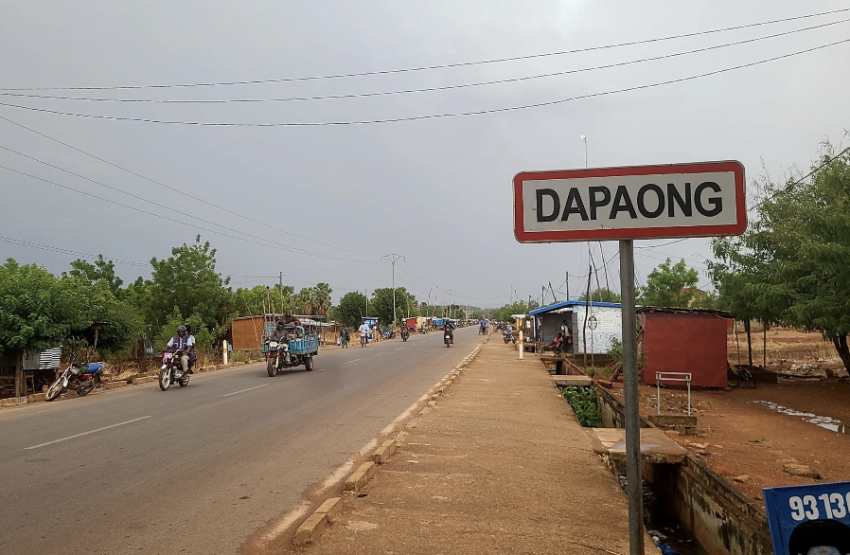
The 2026-2027 plan of the Emergency Programme for the Savanes Region (PURS), with a budget of 18 billion CFA francs, targets more than 430,000 vulnerable people. The approach focuses on social inclusion and the sustainable integration of displaced persons into host communities. This strategy is part of a structural prevention approach based on socio-economic development as a lever for stabilisation. According to the UN resident coordinator, ‘together, with determination and solidarity, we can ensure that every displaced person, every refugee and every member of the host communities can live in safety, dignity and hope.’ The programme aims to reduce the risk of gender-based violence and security threats, improve reception conditions for displaced households hosted by already vulnerable families, and address structural deficiencies in water, hygiene and sanitation. This programme is being implemented in an area that has been plagued by growing insecurity for several years, with its share of victims and displaced persons.
Maritime dispute between Ghana and Togo: arbitration as a strategic stabilisation tool
Ghana has chosen to resort to international arbitration to settle its maritime dispute with Togo, while Lomé has officially taken note of this initiative. This dispute, which concerns the delimitation of maritime areas and the exploitation of offshore resources, is part of a judicial strategy aimed at preventing any escalation of diplomatic tensions. The ultimate goal is to consolidate and preserve the historic relations of cooperation and good neighbourliness between the two countries. The settlement of this dispute is essential for the economic and diplomatic interests of both countries, as it determines control over maritime resources and clarifies jurisdictional powers at sea. This ongoing dispute stems from the absence of a formally recognised maritime boundary between the two countries. This decision follows eight years of unsuccessful talks, with discussions between the two countries failing to produce a compromise acceptable to both parties.
The Autonomous Port of Lomé, Togo's logistical hub in the Sahelian
At the same time, the Autonomous Port of Lomé is working to secure the transport of 20,000 tonnes of fertiliser to Niger, enabling Togo to consolidate its position as a strategic logistics hub in the new regional context marked by the restructuring of trade with Sahelian states outside the ECOWAS area. The announcement was made on 25 February 2026 by the Togolese Minister for Maritime Economy, following a working meeting with Mahaman Elhadj Ousmane, Nigerien Minister of Agriculture. This initiative is part of the strengthening of economic relations between Togo and Niger, which have intensified since Niger's withdrawal from the Economic Community of West African States. Against a backdrop of tensions with Benin, marked in particular by the closure of land borders, Niamey is now relying more heavily on the Togolese port platform to transport its goods to its trading partners.