Cameroon: Between political realignments and diplomatic deadlines Spécial
 © TDR
© TDR
Timbuktu Institute – Week 3 – March 2026
Download the full Sahel weather report
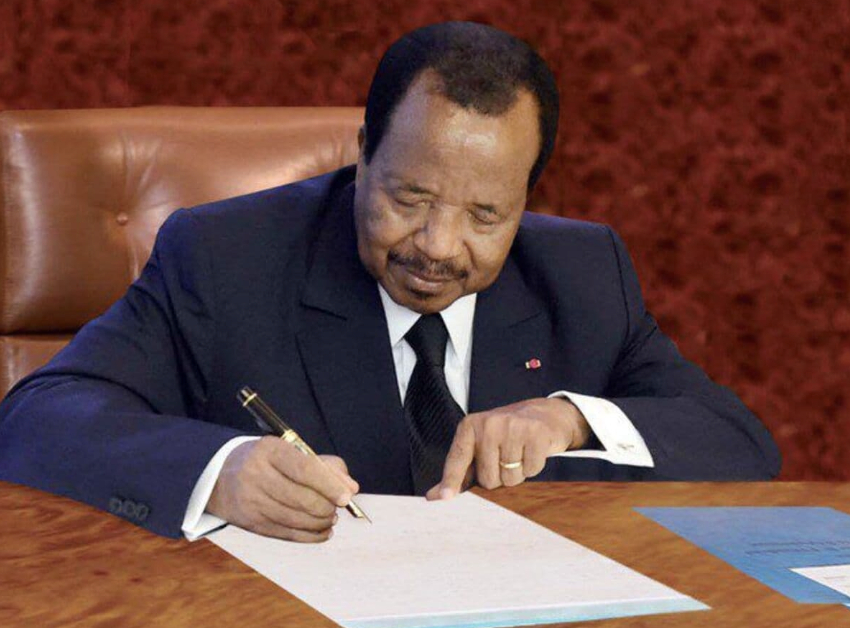
Since the start of the year, the possibility of a further postponement of the parliamentary elections has been at the heart of political debate. Last February, during Youth Day celebrations, President Paul Biya hinted at this, citing a ‘slight adjustment’ to the electoral calendar ‘in view of certain pressing constraints’. But now, there is no longer any doubt. On 19 March 2026, the Cameroonian National Assembly voted to extend the term of office of its members until 20 December 2026, whereas it was originally due to end in March 2025. This is the second extension; the first was adopted in July 2024 to extend the term by one year. This second extension is bound to be a subject of debate, particularly as it comes at a time of socio-political tension, notably linked to the protests that were suppressed during Biya’s re-election in October 2025.
Furthermore, the passing of this law marked a no less significant institutional change. Indeed, it took place under the chairmanship of the new President of the Cameroonian Senate, Aboubakary Abdoulaye, elected on 17 March. He succeeds Marcel Niat Njifenji (91) – a veteran of the Biya system – who had been in office since 2013. A senator for the North Region and Lamido of Rey-Bouba since 2006, Abdoulaye was already managing day-to-day affairs due to the outgoing president’s repeated absences and has overseen several key decisions, notably the appointment of the Senate’s Secretary-General. A civil administrator by training and an influential member of the ruling party (RDPC), he combines political and traditional leadership experience, which strengthens his influence in the North Region and within national bodies. In the current context, these two institutional changes could, in essence, be part of a strategy to consolidate the ruling power by controlling the political agenda. On the other hand, the tentative reshuffle at the head of the Senate also implicitly raises the question of the transition and the sustainability of the Biya system, which is becoming increasingly acute in an already fragile socio-political context.
Yaoundé prepares to host the WTO
With ten days to go before the opening of the 14th Ministerial Conference of the World Trade Organisation (WTO) in Yaoundé, scheduled for 26–29 March 2026, the Cameroonian authorities have stepped up preparations to welcome around 4,000 delegates from 160 countries. Under the leadership of President Paul Biya, the government has accelerated the upgrading of host venues, particularly the renovation of the Mont-Fébé Hotel, and stepped up communications to reassure observers of Cameroon’s ability to host the event, despite delays that have raised concerns at WTO headquarters in Geneva.
On 16 March, the Minister of Trade, Luc Magloire Mbarga Atangana, met with the WTO Secretary-General and several African ministers to finalise the last details. According to the Cameroonian authorities, organisational preparations are approximately 75% complete. The government has also welcomed the support of African countries for holding the conference in Yaoundé despite logistical constraints. Prominent participants include Ngozi Okonjo-Iweala, Director-General of the WTO, Nigerian billionaire Aliko Dangote, Frenchman Philippe Varin, and the Chinese and US trade ministers. This mobilisation comes at a time when Cameroon is seeking to highlight its diplomatic strengths and turn the page on the October 2025 presidential election and the violence that accompanied it, whilst preparing for another major diplomatic event: the visit of Pope Leo XIV in mid-April 2026.