Ivory Coast: between heightened security vigilance in the north and a strategic realignment of the opposition Spécial
Timbuktu Institute – Week 3 – March 2026
Download the full Sahel weather report
Current events in Côte d’Ivoire are characterised by two key trends: on the one hand, the strengthening of preventive measures against the terrorist threat in the north of the country, and on the other, a reorganisation of the opposition ahead of the upcoming elections. These developments reflect both regional security challenges and the political realignments currently underway.
Heightened vigilance against the terrorist threat in the north of the country
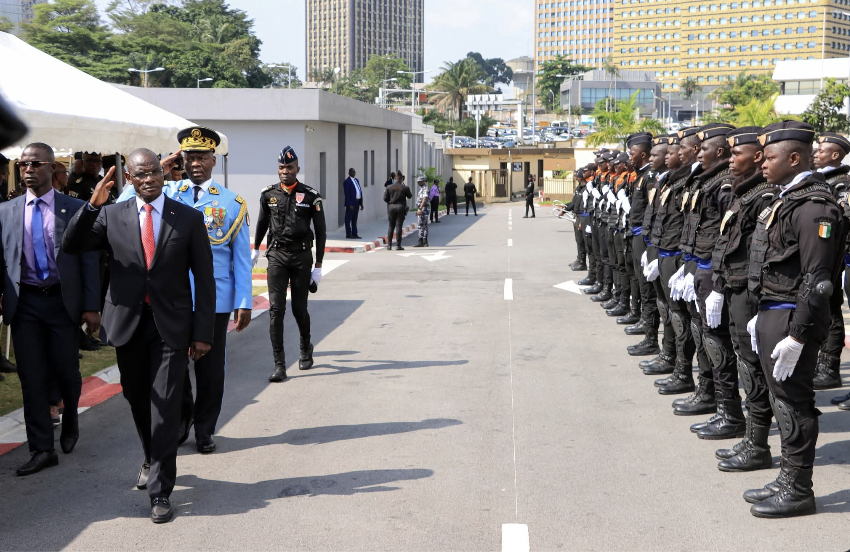
On 12 March 2026, Ouattara Zoumana, commander of the Northern Operational Zone and the 4th Military Region, issued a call for vigilance and mobilisation from religious leaders and the public in the face of the terrorist threat, speaking from Korhogo. The north of Côte d’Ivoire remains highly strategic due to its proximity to the Sahelian zones plagued by insecurity. Recurring security incidents in the Bounkani and Tchologo regions confirm that the risk of infiltration is very real. This situation highlights the need for a preventive approach based on anticipation and the involvement of community stakeholders in managing the threat. However, the persistence of border incidents underscores the limitations of current measures and the need to strengthen cross-border coordination as well as local operational capabilities. As a reminder, since February 2026, the US authorities have formally identified the northern border regions of Côte d’Ivoire with Mali and Burkina Faso as areas of high security risk linked to terrorism. French travel advice classifies these areas as ‘formally not recommended’ due to the risk of terrorism and kidnapping.
A strategic reorganisation of the PDCI against a backdrop of internal tensions
On the political front, on 16 March 2026, despite persistent internal tensions, Tidjane Thiam initiated a strategic restructuring of the Executive Secretariat of the Democratic Party of Côte d’Ivoire. This reorganisation notably resulted in the appointment of a Head of Legal Affairs, Ms Béatrice Nemin, as well as the strengthening of functions related to strategy and political training. This reorganisation demonstrates a clear commitment to modernising the party and preparing for upcoming local and parliamentary elections, despite the president’s physical absence and persistent questions regarding his legitimacy. The PDCI is thus already looking ahead to the 2030 elections, adopting a proactive approach to organisational planning. This reorganisation aims to strengthen preparations for and ensure the smooth running of the elections, improve legal support for party members, anticipate national political challenges and align the party’s political training with its strategic priorities. This dynamic reflects an attempt at organisational consolidation against a backdrop of internal political fragility, where mastery of legal and strategic levers is crucial. It could also enable the PDCI to reposition itself as a credible and competitive political force, provided it resolves the leadership tensions that could hinder its cohesion and electoral effectiveness. Côte d’Ivoire has therefore evolved within a context marked by security imperatives and political realignments. Strengthening resilience in the face of the terrorist threat, combined with the restructuring of political forces, will be crucial to preserving national stability and preparing for upcoming elections.