 © AP Photo/picture alliance
Timbuktu Institute - Week 1 - April 2026
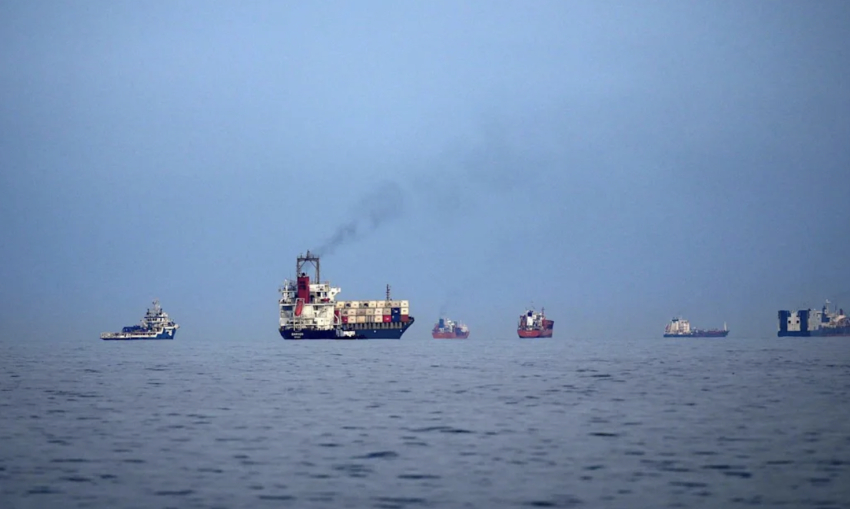
When analyzing current tensions in the Middle East, particularly the standoff between Iran and its adversaries, it quickly becomes clear that Mali is not immune to international shockwaves. For a country like Mali, which does not produce its own oil and relies on imports to power its power plants and transport trucks, a rise in the price per barrel is a direct threat. If oil prices rise due to a distant conflict, it is the average Malian who will pay the price at the pump and in Bamako’s markets. From an analytical perspective, fuel should be viewed not merely as a commodity, but as a genuine tool for stability. If the government fails to stabilize prices or guarantee supply in the event of a major crisis, this could create social unrest that is difficult to manage during this period of transition. It is therefore urgent to consider strategies for building up reserves and diversifying sources of supply so as not to be entirely dependent on an increasingly unpredictable global market.
Diplomatic Tensions on the Mali-Mauritania Border
The situation at the border with Mauritania has become very delicate for some time now. We are hearing more and more about incidents involving civilians and military interventions in this area, which is very difficult to control. For Mali, this is a real strategic dilemma. On one hand, the armed forces (FAMa) must track down terrorist groups that exploit the porous border to evade detection by the armed forces. On the other hand, every incident involving Mauritanian nationals creates diplomatic tension with Nouakchott. We must not forget that Mauritania is a vital partner for its neighbor Mali, particularly for access to its ports, which allows for the entry of essential goods. If relations deteriorate permanently, this could contribute to economic suffocation, which could harm Mali, a country in the midst of a transition that must focus on strengthening diplomatic ties to ensure a climate of understanding with its neighboring countries. It is essential to intensify direct communication between the two armies on the ground to avoid misunderstandings. Security must not come at the expense of regional alliances, as the country needs stable and cooperative neighbors to defeat the insurgency in a sustainable manner.
The Challenge of Protecting Civilians in Sahel Conflicts
A recent report raises a highly sensitive issue: the human cost of military operations in Mali and Burkina Faso. It appears that in certain areas, the number of civilian casualties linked to counterterrorism operations is very high, sometimes exceeding those caused by the armed groups themselves, which highlights the complexity of the issue and its implications for security. If local populations feel that the military is not protecting them or, worse, that they are being targeted, they risk turning away from the state and becoming susceptible to other types of rhetoric. The legitimacy of the fight against terrorism rests on the protection of the most vulnerable. It is therefore essential that military operations be accompanied by even more rigorous training in the laws of war and highly accurate intelligence, in order to avoid any collateral damage that would give malicious voices an opportunity to criticize the ability of these two countries to manage their already fragile situations.
The Fight Against Migrant Smuggling in Bamako
The authorities in Bamako have decided to step up their efforts against migrant smuggling and human trafficking networks. Reading the details of the measures taken, it becomes clear that Mali no longer wants to be merely a transit point for smugglers who exploit human misery. Strategically, this is a very important decision because these criminal networks do more than just transport people; they also earn money deemed illicit, which is used to finance so-called illegal activities. By dismantling these networks, the state regains control of its borders and its sovereignty. It is also a matter of national dignity: ensuring the protection of citizens and foreigners in transit against traffickers who are expanding their capacity to cause harm. This requires close collaboration between the police, the judiciary, and international organizations. Admittedly, this is a long-term struggle because the networks are highly mobile, but it remains an essential step toward cleaning up the economy and strengthening the overall security of the country and its people.
From Technological Shift to Military Offensive
The announcement of the neutralization of more than fifty terrorists and the destruction of a training camp in Ségou is considered a major tactical victory for the FAMa. What is interesting here is how intelligence coordination made it possible to strike a key target of the enemy. Destroying a training camp effectively shatters the adversary’s ability to recruit and prepare new attacks. This demonstrates that the army is no longer merely reacting, but is anticipating and taking the fight to where the enemy believes itself to be safe. However, upon closer examination of the situation, there is still work to be done, as the government and public services must quickly return to these liberated areas to prevent terrorists from reestablishing themselves there. A military victory is only sustainable if it is followed by the state’s return, particularly in terms of basic social services: schools, healthcare, and the justice system.
At the same time, the recent elimination of some fifty terrorists in an airstrike confirms that the army has reached a new technological milestone. The intensive use of aerial assets, such as drones and fighter jets, is completely changing the situation on the ground. Previously, ground troops were often vulnerable to ambushes while on the move. Today, thanks to aerial surveillance, the identification of armed groups allows for monitoring of their movements, thereby enabling anticipation of these movements. This is a strategic advantage that saves lives among the ranks. However, this significant asset must be used with extreme precision. It is essential to emphasize the need for transparent communication regarding these strikes to counter misinformation. “Success” must not be merely military; it must also be moral, to demonstrate that the Malian state has the means to protect its citizens throughout the country using modern and effective technology.
Rural insecurity: the example of Zantiébougou
The story of this theft of a motorcycle belonging to a jihadist between Zantiébougou and Banakélébougou may seem like a simple news item, but it is highly revealing of the situation on the ground. First, it shows that hostile elements are still moving very close to villages, often hiding among the population, making their identification even more difficult. But it also demonstrates a form of resistance on the part of civilians. It proves that insecurity is a daily reality in rural areas. These armed groups use very common means, such as motorcycles, to remain mobile and strike quickly. This means that securing major roads is not enough; it is also necessary to monitor small paths and involve local populations more in reporting information, while emphasizing awareness of the danger and collective security
The Strategic Rapprochement Between Washington and Bamako
The initiation of a dialogue between the United States and Mali regarding the mining sector is undoubtedly one of the most significant geopolitical developments of the week. Thus, despite global political tensions, Mali’s mineral resources remain a priority for major powers. Washington is particularly interested in these resources, which are essential for future technologies. For Mali, this is an opportunity to diversify its economic and diplomatic partners. Through this collaboration with the United States on mining, the country could secure technology transfers and investments that would help better process resources locally. However, the challenge will be to negotiate contracts that benefit both parties within this framework of resource diplomacy.