 © GETTY IMAGES
Timbuktu Institute – Week 2 – may 2026
Download the full Sahel weather report
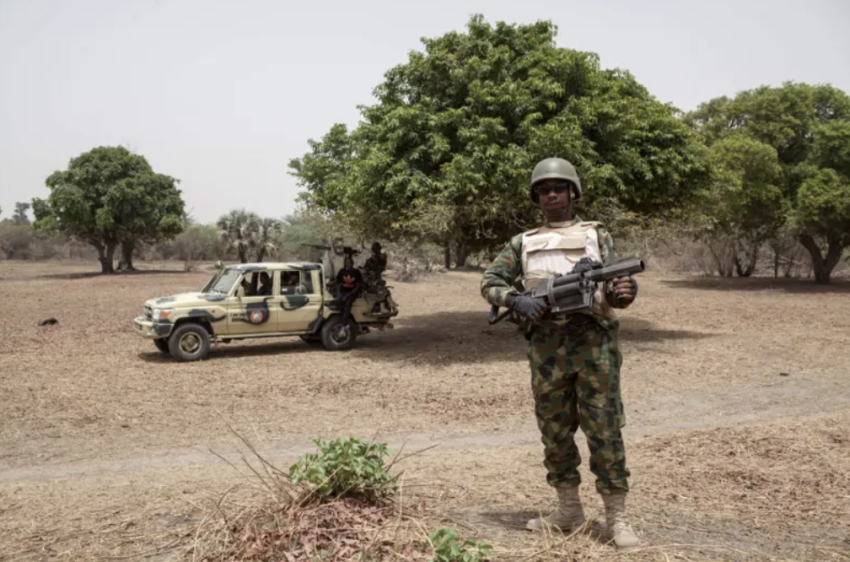
Within the space of a few weeks, it would appear that, for N’Djamena, border threats have once again become the most pressing concerns. In addition to the security and humanitarian pressures on its border with Sudan, the recent attack (4 May) by the terrorist group Boko Haram has brought its border with Nigeria back to the forefront of concerns. Following this setback, the Chadian army carried out retaliatory air strikes against suspected Boko Haram positions in the Lake Chad region, in north-eastern Nigeria. These operations, presented by N’Djamena as part of the fight against terrorism, are nevertheless causing concern following allegations of around a hundred civilian casualties, according to Agence France-Presse (AFP). “It is crucial that the Nigerian and Chadian authorities conduct prompt, thorough, independent and impartial investigations into these disturbing incidents,” said the UN High Commissioner for Human Rights, Volker Türk, on 13 May. In response, the Chadian government has rejected the allegations made by the UN Office of the High Commissioner for Human Rights regarding possible civilian casualties during strikes against Boko Haram positions in the Lake Chad basin. Government spokesperson Gassim Chérif Mahamat contested “serious accusations aimed at discrediting a professional army on the front line against terrorism”. In a regional context marked by security emergencies and sovereignty issues, the fear remains that the political and security considerations at play will override the desire to establish the true responsibilities surrounding these strikes.
An opposition running out of steam?
The recent dissolution of the opposition coalition Groupe de concertation des acteurs politiques (GCAP) and the sentencing of several of its leaders to eight years in prison came as a crushing blow to the political opposition. At a press conference held on 13 May, the opposition party Les Patriotes denounced this sentencing as “an abuse of the justice system” within a national context of “authoritarian hardening” marked by insecurity, communal tensions and a rollback of civil liberties. It must be said that the dismantling of the GCAP was not followed by any significant upheaval within Chad’s political parties. In this sense, is this stand taken by the Patriots proving to be a waste of time? The fact remains that, given the current state of the political landscape, one reality is hard to dispute: the absence of a united opposition capable of providing a significant counterweight to the ruling power.
That said, since the start of the year, it is noteworthy that N’Djamena has been engaged in intense diplomatic activity. Thus, on the sidelines of the Africa Forward summit in Nairobi on 11 and 13 May, President Mahamat Idriss Déby Itno was received by his Kenyan counterpart William Ruto to strengthen cooperative relations between the two countries. Discussions focused on several African issues, notably security, economic and diplomatic matters, as well as the need for greater coordination between African states. Furthermore, the two leaders expressed their desire to give new impetus to their bilateral partnership, emphasising strategic sectors such as agriculture, technology, tourism, environmental protection and investment.