Niger : Between a recommended break with the past and new political and diplomatic horizons Spécial
 © TDR
© TDR
Timbuktu Institute – Week 2 – may 2026
Download the full Sahel weather report
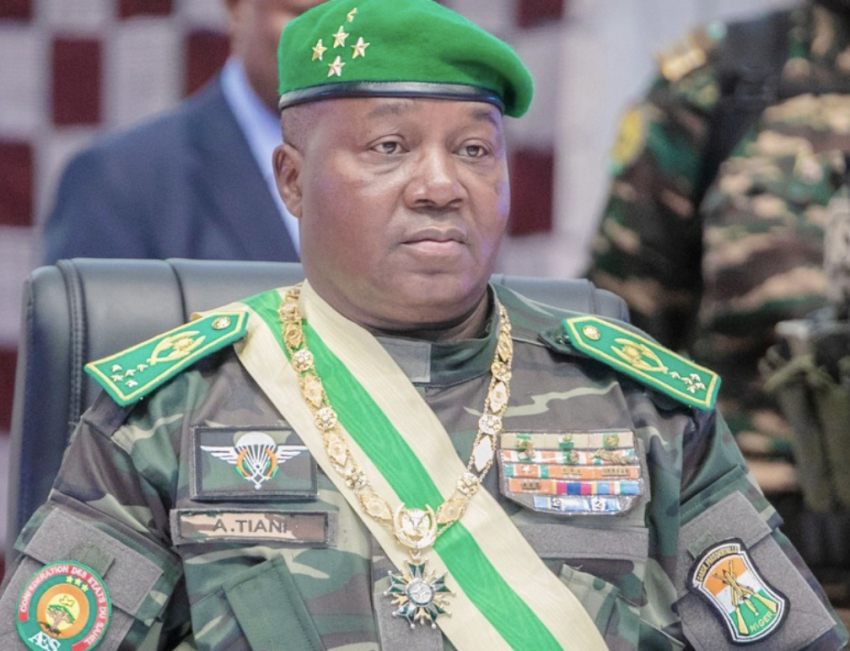
Niger is in the process of radically reorienting its foreign and domestic policy through bold strategic choices that mark a clear break with the past. The country is now undertaking a major geopolitical shift by distancing itself from its historic partner, France, in favour of fully asserting its independence. To fill this void and tackle shared challenges, the Nigerien authorities are turning to the AES, seen as more supportive and better equipped to address current security threats. This new alliance is viewed by the ruling powers as the true lever for regained independence. Beyond defence issues, this new vision is also reflected domestically in the absolute priority given to food security. Nigerien leaders are aware that a country’s sovereignty cannot be complete if it depends on external in l aid to feed its population. This is one of the reasons why the government is implementing new agricultural strategies to boost local production and protect the country’s resources. For Niger and its neighbours in the AES, this comprehensive transition represents a bold challenge: to prove that it is possible to ensure the safety of citizens and develop the national economy by relying primarily on its own strengths and on selected regional partnerships.
At the three borders: tension in Niger, Libya and Chad
The tri-border area, which separates Niger, Libya and Chad, has become one of the most heavily monitored and dangerous places in the region. In this vast desert, coexistence between the various groups is extremely fragile. It is home to an explosive mix: smugglers, gold prospectors, armed gangs and the military. Indeed, each group seeks to control and profit from its territory, creating a constant sense of insecurity for those living in or travelling through the area. For Niger, this crossroads is a real headache. Since the country chose to distance itself from its former Western partners, it has had to monitor this border alone, through which arms and clandestine networks pass. The instability in neighbouring Libya, combined with the rebellion in Chad, makes cooperation very difficult.