Burkina Faso : Amid a Diplomatic Retreat, Ouagadougou Strengthens Its Regional Alliances Spécial
 © Laurens van Putten, AFP
Timbuktu Institute Week 1 July - 2026
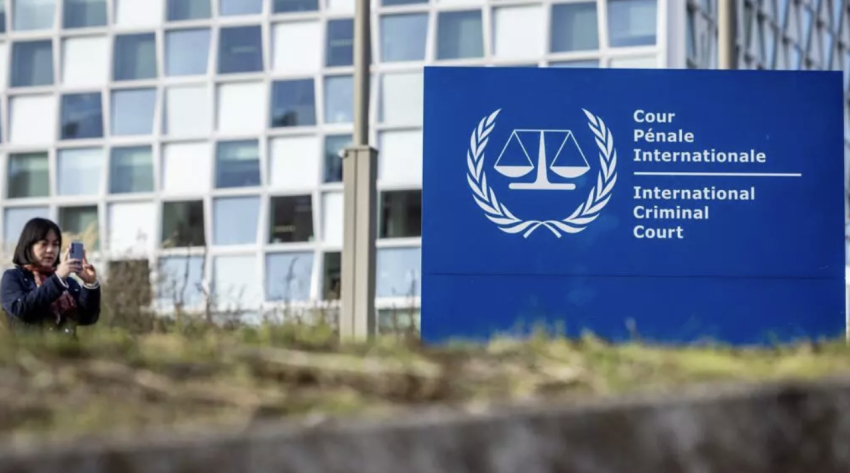
Burkina Faso is continuing its diplomatic realignment. After severing diplomatic relations with France, it is now the International Criminal Court’s (ICC) turn to face a defection from Ouagadougou. On June 24, Burkina Faso (and Mali) officially notified the ICC of their withdrawal, a few days after Niger. Ouagadougou’s decision was ratified on June 30 by the United Nations Secretary-General. This move also follows through on the joint announcement made by the three member states of the Alliance of Sahel States (AES) in September 2025. Ouagadougou (along with Bamako and Niamey) justifies this withdrawal by citing what it considers to be the political manipulation of the ICC, which it accuses of lacking impartiality and politicizing the defense of human rights. Through the AES, Burkina Faso is demonstrating its commitment to eventually establishing a regional judicial mechanism dedicated to Sahelian issues. However, in accordance with the Rome Statute, this withdrawal will not take effect until June 24, 2027. Until that date, the three states remain obligated to cooperate with the Court, and proceedings already underway will continue as normal. Admittedly, this indictment in Ouagadougou is neither unprecedented nor specific to the AES countries, much less to African countries. But in fact, the decision to withdraw effectively reduces Africa’s influence within the Assembly of States Parties to the ICC, where the African group will shrink from 33 to 30 members, even though it retains its position as the leading regional bloc within the institution. However, it is bound to raise legitimate questions about the future of human rights in a country where they have been steadily eroding since Ibrahim Traoré came to power in 2022.
At the same time, a new milestone has been reached in the diplomatic rift with France, given the effective withdrawal of diplomatic personnel from both countries. Following Ouagadougou’s decision to sever ties, all French diplomats stationed in Burkina Faso were repatriated, while Burkinabé diplomats in France were asked to leave the country by July 6, in accordance with the principle of reciprocity applied by Paris. France denounced the decision as “hostile and baseless,” while rejecting Burkinabé accusations of support for terrorist groups. This development marks the formal severing of diplomatic relations between the two states, following several years of deteriorating bilateral ties. Despite this withdrawal of diplomatic missions, Burkinabé authorities have asserted that this decision does not call into question the ties between the French and Burkinabé peoples. For its part, however, Paris has called on its approximately 2,000 citizens living in Burkina Faso to exercise increased vigilance, given a security situation still marked by the terrorist threat.
Faced with these security challenges, Ouagadougou is maintaining its alliances
While Burkina Faso is working to rid itself of diplomatic ties and international obligations it considers restrictive, the country is simultaneously seeking to maintain its regional alliances. In this vein, on June 29, Ibrahim Traoré, president and current chair of the AES, hosted the presidents of the legislative bodies of Burkina Faso, Mali, and Niger to accelerate the establishment of the future AES confederal parliament. The delegation—which included, notably, the president of Burkina Faso’s People’s Legislative Assembly (ALP), Ousmane Bougouma; the president of Mali’s National Transitional Council (CNT), General Malick Diaw; and the president of Niger’s Consultative Council for Rebuilding (CCR), Mamoudou Harouna Djingarey, came to seek guidance from the head of the Confederation prior to the opening of the session. Following this meeting, the parliamentary leaders announced the imminent launch of the process to appoint representatives to sit in the confederal parliament, whose first session is expected to be convened as soon as possible. This new institution, whose founding documents were drafted in September 2025 and subsequently adopted by the Heads of State of the AES in December of the same year, is intended to complement the Confederation’s institutional framework by ensuring the representation of the peoples, overseeing the actions of confederal bodies, and conveying citizens’ concerns across the Sahel region. Similarly, within the subregion, Togo remains a major supporter of the AES. And since one does not cut off the branch on which one sits, Togo’s Minister of Foreign Affairs, Robert Dussey, was elevated to the rank of Commander of the Order of the Stallions by Ibrahim Traoré. In a message posted on July 6 on his Facebook page, Togo’s foreign minister expressed his gratitude to the Burkinabé authorities, dedicating this honor to President Faure Essozimna Gnassingbé and the Burkinabé people.
Nevertheless, Ouagadougou must continue to contend with security pressures posed by terrorist groups. On July 4, the country was the target of a series of coordinated attacks claimed by the Group for the Support of Islam and Muslims (JNIM), an affiliate of Al-Qaeda. The attacks, carried out simultaneously in several locations in the north, northwest, central-west, and southwest of the country, reportedly left at least 50 dead among the Burkinabé Armed Forces and the Volunteers for the Defense of the Fatherland (VDP). The deadliest attack targeted the Di military camp in Sourou Province, where at least 34 soldiers and VDP members were reportedly killed before the assailants looted the facilities and seized weapons. Other attacks in Dalan and Tiéré reportedly killed at least 18 soldiers, while Thiou and Séguénéga were targeted by raids that resulted in the destruction of several civilian vehicles.