 © Groupe MAROC DIPLOMATIQUE
Timbuktu Institute Week 1 - July 2026
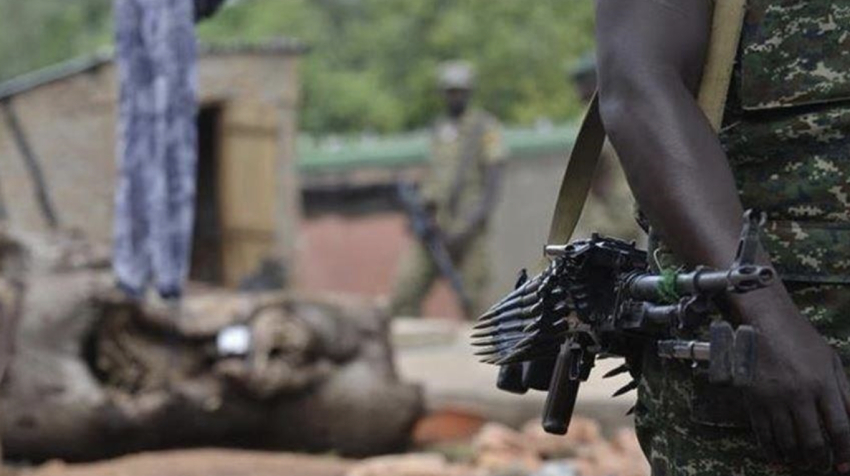
Nigeria appears to remain trapped in a cycle of ongoing security pressure. Despite the measures taken by the authorities, structural vulnerabilities and the proliferation of pockets of violence are fueling a climate of instability that is proving difficult to resolve. In the northeast of the country, Borno State continues to face the persistent threat of jihadist groups. On June 29, armed men suspected of belonging to the Islamic State in West Africa (ISWAP) attacked a high school in the town of Lassa, in the Askira-Uba district, while students were taking a national biology exam. The attackers abducted several dozen high school students and killed three people, including a soldier. According to authorities, a search operation conducted by the army led to the recovery of ten victims, while at least 37 families have reported their children missing. Investigators believe the militants had infiltrated the community the day before, taking advantage of a local market and posing as merchants or forestry officials to prepare for their operation. This attack, which led to the temporary closure of schools in the district, illustrates ISWAP’s continued ability to carry out mass kidnappings in a region marked by more than fifteen years of jihadist insurgency. It also comes just hours after the abduction of several women and two infants in nearby fields, confirming the severe security pressure that continues to weigh on the civilian population of Borno State.
However, the security picture is not entirely bleak. The military continues to make progress in its fight against jihadist groups active in the country’s northeast. In fact, according to the Joint Task Force Operation Hadin Kai, several alleged ISWAP leaders have surrendered to the Nigerian armed forces as part of counterinsurgency operations. According to military command, these surrenders are reportedly the result of ground offensives and intelligence operations that have weakened several insurgent bases and disrupted jihadist chains of command. In total, 76 suspected fighters—some accompanied by family members—are also reported to have laid down their arms over the past week. Nigerian authorities view this development as a sign that the operational capabilities of ISWAP and Boko Haram are weakening, while affirming their intention to continue operations until the armed groups are completely neutralized or surrender.
Abuja Strengthens Regional Security Alliances
In an effort to contain the expansion of jihadist groups from the Sahel, Nigeria intends to strengthen its military cooperation with its neighbors Benin and Niger. Nigerian Defense Minister General Christopher Musa stated on July 2 that the border area between the three countries had become a new priority sector for Abuja, due to the advance of fighters affiliated with the Group for the Support of Islam and Muslims (JNIM), who are reportedly seeking to exploit the corridor through Burkina Faso and Benin to enter Nigeria. The initiative notably calls for increased intelligence sharing and the possibility of coordinated cross-border operations. Cooperation with Benin is already underway, with Beninese forces conducting operations on Nigerian territory with Abuja’s approval.
This initiative comes amid a deteriorating security situation in northwestern Nigeria, marked by a surge in attacks and kidnappings, as the country has been facing a jihadist insurgency since 2009, led primarily by Boko Haram and ISWAP. At the same time, the authorities have launched a repatriation operation to bring their nationals home from South Africa, amid growing tensions over the issue of migration. A second flight chartered by the Nigerian government brought 269 Nigerian citizens back from Johannesburg to Lagos, bringing the total number of people repatriated since the start of the operation to 335. This initiative comes as South Africa steps up its security measures in the face of announced anti-immigrant protests and a rise in hostile rhetoric targeting foreigners, particularly Africans.
Meanwhile, a political and administrative scandal is currently rocking Abuja over a fake organization presented as an official government agency. The “Presidential Foreign Investment Promotion Council” (PFIPC), purportedly established to promote foreign investment, is said to have operated for several months as a recognized institution, interacting with government agencies and even having access to office space, staff, and bank accounts at the Central Bank of Nigeria. According to authorities, the organization was in fact fabricated from scratch by Prince Adeniyi Adeyemi, who is accused of forging official documents and impersonating a public official. Eight charges have been filed against him, including forgery and the creation of a fictitious government agency. The scandal also implicates several officials close to President Bola Tinubu, including Chief of Staff Femi Gbajabiamila, whose signature allegedly appeared on a disputed letter of appointment. While authorities claim to have uncovered a vast institutional fraud operation, Adeniyi Adeyemi denies the charges and denounces them as an attempt to manipulate the situation in order to discredit him.