Burkina Faso: when gold attracts armed groups and the transition settles its scores Spécial
 © AFP/GETTY IMAGES
Timbuktu Institute Week 1, September 2026
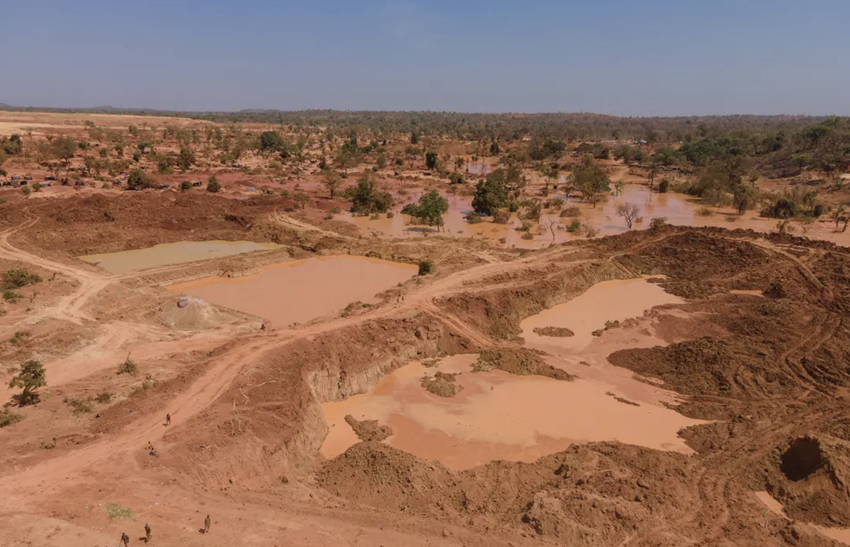
News in Burkina Faso has been heavily marked by the presence of armed groups and their ability to destabilize the country and its economy. Indeed, mining areas are increasingly becoming their target, as they offer numerous opportunities. Communities near these sites are thus stormed by these groups seeking revenue and manpower to carry out their attacks.
Mining areas and economic corridors: the new challenges of counterterrorism in Burkina Faso
Terrorist groups want greater logistical means to strengthen their ranks and military capabilities. ACLED data is alarming: three-quarters of violent events occur in Burkina Faso, and a significant share of them take place near mining areas. According to Lucia Bird Ruiz Benitez de Lugo, Director of the West Africa Observatory at the GI-TOC, “the way JNIM and ISWAP benefit from the mining sector is indirect. People have to extract first.” It should be noted that mines are not only strategic sites liable to be attacked. They are, above all, an important source of funding for armed groups' activities. These sites are also meeting points for various economic actors who deserve protection. It is therefore essential to stress the pressing need to secure populations in areas surrounding these sites, as well as the economic corridors, for more effective counterterrorism.
Burkina Faso: the pre-trial detention of Lionel Bilgo and the stakes of the transition
In a different vein, the pre-trial detention of Lionel Bilgo, former Minister of Communication under Damiba, has made headlines in Ouagadougou in recent days. This action comes amid what appears to be a “witch hunt” targeting former leaders. Indeed, former ministers, senior administration officials and heads of major institutions are being prosecuted by the country's justice system for various offenses related to their management. Beyond being a strong signal of accountability, these initiatives also allow the current regime to further consolidate its power in the eyes of the population. As a reminder, the state is engaged in a fierce fight against armed groups and the reconquest of its territory.
Burkina Faso thus stands at a crossroads, with authorities caught between the hammer of armed groups and the anvil of accountability, which occupies a central place in the new leadership's approach.