From the Ukrainian front to the courts of Yaoundé, Cameroon grapples with its gray areas Spécial
 © DR
© DR
Timbuktu Institute Week 1, September 2026
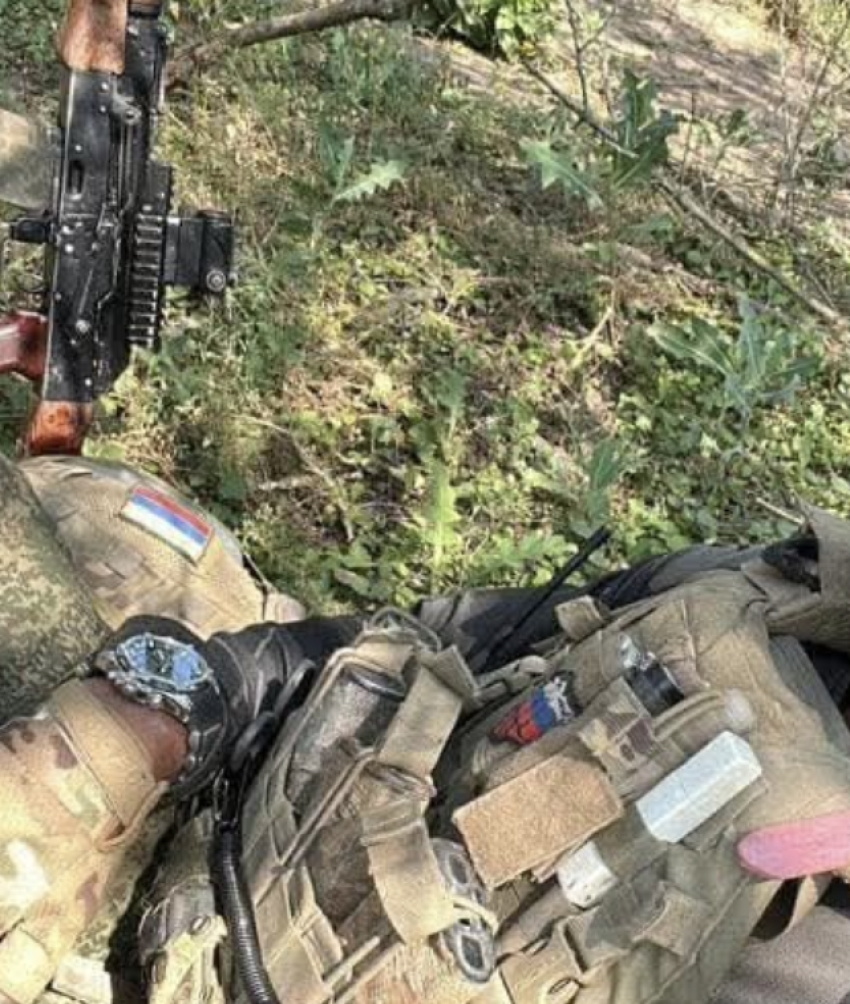
The recruitment of African nationals into Russian ranks on the Ukrainian battlefield now appears to constitute one of the most sensitive extensions of the rapprochement forged between Moscow and Africa. While the fate of these men naturally concerns their countries of origin, it also brings Russia back to its own responsibilities regarding the conditions of their enlistment and the use made of their service. In Cameroon, this reality now carries particular resonance. It is in this light that the mobilization launched in August by the “Bring Back Our Sons and Brothers” collective should be understood, aiming to hold Yaoundé accountable. According to various investigations, including one by All Eyes on Wagner, 335 Cameroonian nationals are said to have been recruited, and 94 to have died in combat. Many are said to have been lured by promises of jobs, studies or travel before ultimately being enlisted. As framed by the citizens' collective, the question concerns not only the fate of these recruits but also the ability of Cameroonian authorities to identify the networks organizing these departures, to protect their nationals and, above all, to obtain explanations from a partner whose relations with Yaoundé have grown notably closer in recent years. Last April, the Minister of External Relations did summon the Russian ambassador after the death of sixteen Cameroonians. But given the alleged scale of the phenomenon, civil society now believes a more structured response is needed. Kenya's case, where Nairobi says it obtained from Moscow a halt to the recruitment of its nationals, appears in this respect as a precedent Cameroonian authorities might draw lessons from. That said, this mobilization is all the more sensitive given that Yaoundé and Moscow have strengthened their cooperation, notably since the military agreement signed in 2022. The question of Cameroonian recruits thus places the authorities in a delicate balancing act: preserving a strategic relationship without giving the impression that it could come at the expense of protecting Cameroonian citizens.
The Martinez Zogo Case: A Transfer Full of Questions
On the domestic front, the Martinez Zogo affair — named after the journalist abducted, tortured and murdered in January 2023 — still has no resolution. The trial implicates members of the intelligence services and business figures close to power. And it is in this context that the transfer of Lieutenant-Colonel Cerlin Belinga raises a number of questions. Government commissioner at the Yaoundé Military Tribunal and a central figure in the trial over Martinez Zogo's assassination, he was reassigned to Maroua by presidential decree on 31 August, even as hearings were still ongoing. Naturally, the timing of this decision has drawn public attention. It came just as the prosecution was beginning to hear key witnesses in proceedings involving seventeen defendants, while Cerlin Belinga had recently distinguished himself by a stance emphasizing the pursuit of truth “for and against” the accused. This approach had drawn criticism from a civil party that accused him of weakening certain elements of the prosecution's case. His departure has thus reignited questions about the executive's influence over the conduct of a trial whose significance reaches far beyond the judicial sphere.
That said, it would be premature to see this as proof of political interference. In fact, the presidential decree provides no explanation for the reassignment, and the civil party itself appears to welcome the arrival of André Eric Atemengue Omgba, from whom it hopes for closer cooperation. Still, the mere overlap between a transfer decided mid-trial and such a sensitive case is enough to revive questions about the conditions under which military justice conducts some of the country's most delicate proceedings. In the meantime, the next court date, set for 14 and 15 September, may help clarify whether this change remains essentially administrative or actually alters the course of the trial.
The mystery of the missing records
Against this backdrop already marked by such questions, the burglary at Yaoundé's Special Criminal Court, on the night of 31 August into 1 September, added a fresh layer of uncertainty. The court's registries were specifically targeted and, in the absence of an official tally, unconfirmed reports point to the disappearance of sums placed under seal as well as files linked to ongoing cases. Clearly, the investigation should be left to establish the facts and their scope. But the location itself gives the incident particular resonance. Created in 2011 to handle, among other things, cases of embezzlement of public funds, the Special Criminal Court occupies a distinctive place in Cameroon's judicial architecture and handles several cases liable to implicate senior officials. Moreover, the timing raises questions. The court is notably examining the case involving Oswald Baboke, deputy director at the Presidency of the Republic, over alleged gold trafficking to Dubai. That case concerns, in particular, suspected pressure in the awarding of mining permits and the gap between gold production and volumes officially exported between 2021 and 2025. Pending clarity on the burglary, the ongoing investigation should also prompt reflection on the security conditions of an institution precisely tasked with handling corruption and embezzlement cases. Should any sensitive judicial files indeed be involved, their possible disappearance would only feed suspicion around proceedings already exposed to public distrust.