Côte d'Ivoire : Between freedoms under debate and strengthened cooperation with Conakry and Rabat Spécial
 © TDR
© TDR
Timbuktu Institute - Week 3 September 2026
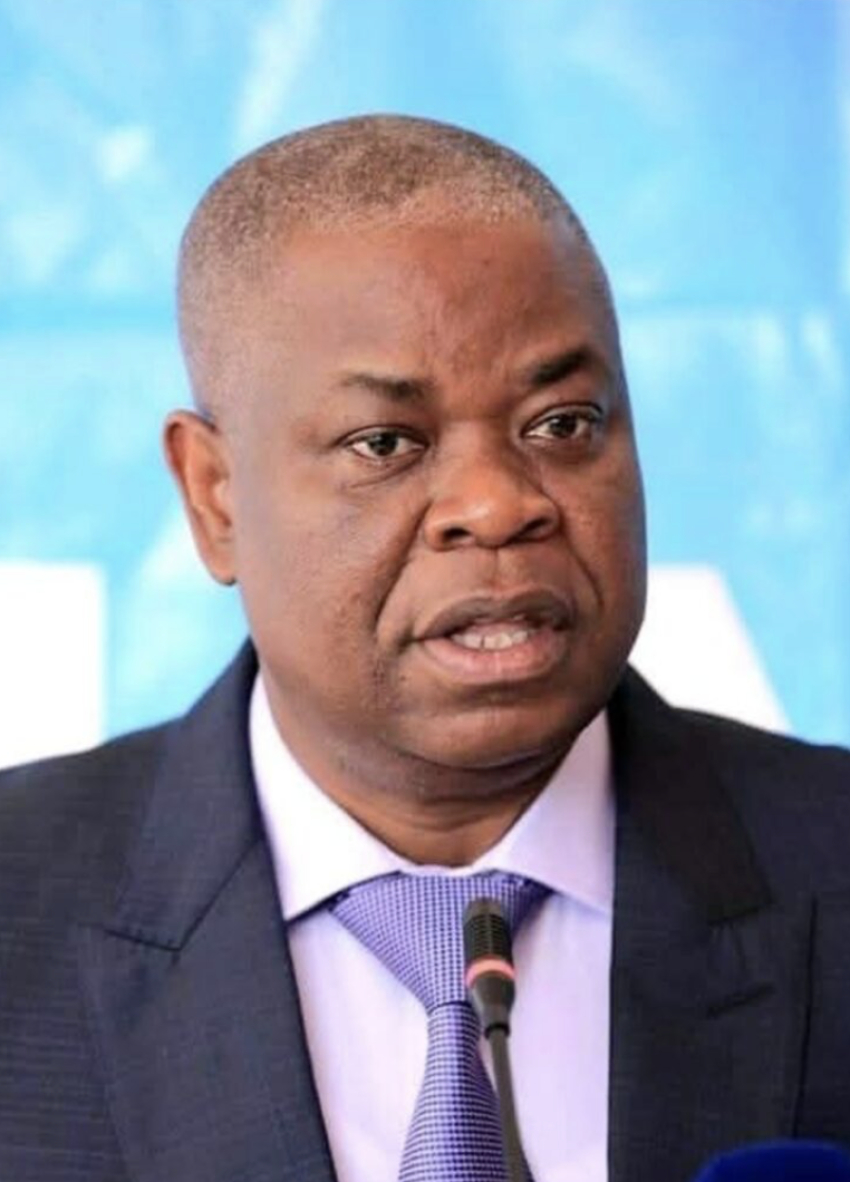
The remand in custody of Justin Koné Katinan, vice-president of the PPA-CI, continues to dominate the Ivorian media landscape. As a reminder, the case has two strands and two charges: on the one hand, a complaint by the RHDP for, among other things, defamation, insults and spreading false news; on the other, proceedings initiated by the public prosecutor for disturbing public order during the 2025 elections. While the prosecution speaks of the regularity of the proceedings, the opposition and civil society organisations speak of an outright restriction of political freedoms.
The Katinan case at the crossroads of political tensions and freedom issues
In the same vein, the French Communist Party made a point of condemning his arrest in the strongest terms and took the opportunity to demand his immediate release. Its statement of 17 September reads: “Using anti-terrorism legislation against an opposition leader, following public statements, constitutes a direct threat to freedom of expression, political pluralism and democratic rights.” For the PCF, then, justice must not be used to serve the interests of the ruling party. In this rather tense post-election context, these divergences pose a threat to the country’s political stability.
The Conakry-Abidjan axis in the face of cross-border security challenges
Meanwhile, the Guinean president’s visit to Abidjan has put security cooperation back at the heart of the debate. Indeed, during his official visit to Côte d’Ivoire, Mamadi Doumbouya emphasised economic, trade and security cooperation between the two countries. The visit is part of the strengthening of the Conakry-Abidjan axis, at a time when common challenges are numerous: illegal gold mining, organised crime, environmental degradation, etc. Both countries see the control of these networks as an economic and security issue. In the words of the Guinean president, “I am convinced that there is no development without peace and stability. Yet our geographical area faces security challenges of all kinds. We are ready to work with you on intelligence sharing, the fight against cross-border crime and terrorism, as well as on the trade corridor and cooperation within regional African organisations…”. Doumbouya also made a point of praising the “quality of direct and regular contact” with Ouattara, whom he regards as his elder brother. He did not miss the opportunity to formally invite his counterpart to Guinea’s independence day celebrations on 2 October.
Diversifying military partnerships in the face of security challenges
Along the same lines, the establishment of the new framework for military coordination between Abidjan and Rabat marks a step towards a more structured military architecture. Created in May 2025 in Rabat, this joint military commission aims to become a hub for exchanges on intelligence, capacity building, logistics and health, among other things. Under this partnership, Ivorian defence and security forces will continue to be trained in Moroccan military schools. Côte d’Ivoire is thus pursuing its security cooperation strategy based on diversifying partners in order to better address current challenges, particularly the fight against terrorism striking at its borders.