 French
 Arabic
 English
 Portuguese
 Spanish
 Swahili

Sacré-Coeur 3 – BP 15177 CP 10700 Dakar Fann – SENEGAL.
+221 33 827 34 91 / +221 77 637 73 15
contact@timbuktu-institute.org

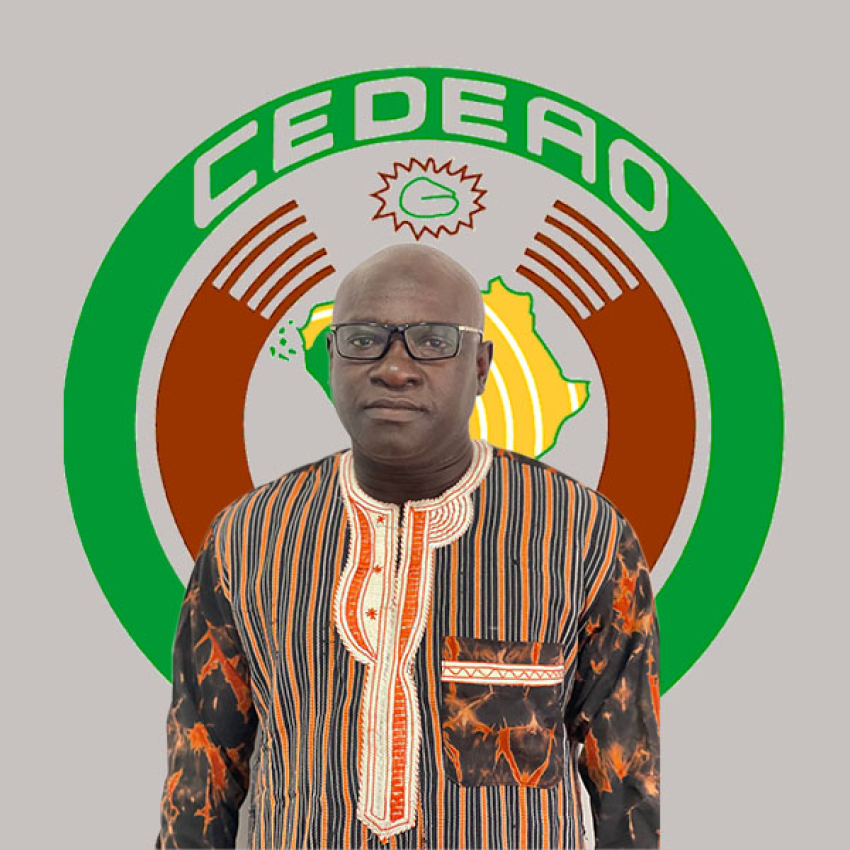
The awarding of the ECOWAS Commission presidency to Senegal is a diplomatic victory for the country, according to observers. However, this first for Senegal comes with challenges, especially as the organisation faces many difficulties.
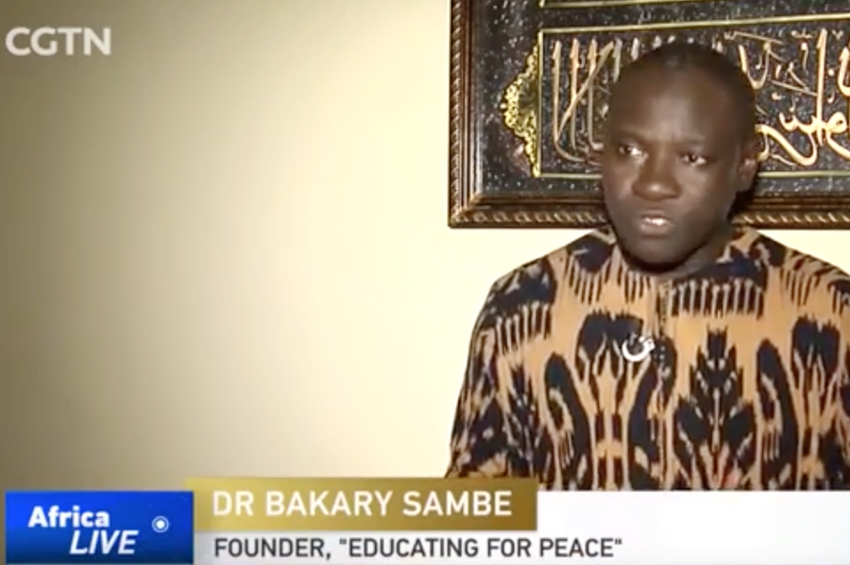
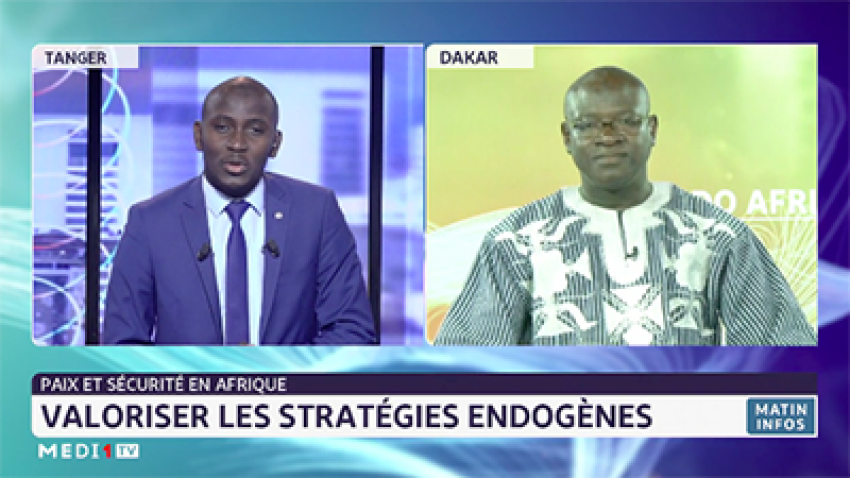
The position of chair of the ECOWAS Commission was awarded to Senegal on 14 December 2025, on the sidelines of the 68th ordinary session of the Conference of Heads of State and Government held in Abuja, Nigeria. This is a first since the sub-regional organisation was created in 1975. Since then, Dr Bakary Sambe, president of the Timbuktu Institute-African Centre for Peace Studies, lecturer and researcher at Gaston Berger University in Saint-Louis (Ugb) and specialist in diplomatic issues, mediation and conflict resolution, believes that it is clear
‘that Senegal's appointment to head the Commission undeniably represents a major diplomatic victory for Dakar.’
For him, this demonstrates the renewed confidence that Member States have in Senegal as a pillar of stability and moderation within the organisation, in a West African context marked by political and security turmoil.
‘This election, achieved by consensus during an extraordinary session dedicated to institutional reform, confirms the leadership of President Bassirou Diomaye Faye – elected in 2024 and representing a new generation of African leaders – focused on innovation, youth and inclusion.’
responded Bakary Sambe when interviewed by Le Soleil.
Echoing this sentiment, Aldiouma Sow, Minister Counsellor to the President of the Republic, responsible for coordinating the ‘politics, civil society and trade unions’ division in the Head of State's office, believes that ‘Senegal's accession to the head of the ECOWAS Commission for a four-year term, after 50 years of membership, is a major diplomatic and political success, highlighting the country's return to the heart of regional decision-making, under the leadership of the President of the Republic, Bassirou Diomaye Diakhar Faye.’
The member of Pastef's Political Bureau (Bp) also adds that ‘this success is not accidental, but the result of intense diplomatic efforts made by the Head of State since his arrival in the highest office for sub-regional stability and prosperity’. However, Bakary Sambe points out that this presidency comes at the right time to reposition ECOWAS as a space for inclusive dialogue rather than confrontation, and will be a time to take up many challenges.
‘To succeed in this presidency in a context of regional fragmentation exacerbated by the effective withdrawal of the Aes countries (Mali, Burkina Faso and Niger) in January 2025, Senegal must rely on the cardinal principles of its diplomacy: moderation, the search for peaceful solutions and inclusive dialogue.’
recommends the specialist in regional issues.
For him, these principles, which have been rooted in Senegalese tradition since the Senghor era and could be reinforced by President Faye's young and dynamic leadership, position Dakar as a legitimate mediator capable of transcending divisions. Mr Sambe goes on to say that
‘Senegal should prioritise a pragmatic and depoliticised approach to security issues by decoupling military matters from diplomatic disputes.’
The president of the Timbuktu Institute remains convinced ‘that the only immediately viable solution is to completely separate security issues from political debates and diplomatic ambitions that polarise the region’. In concrete terms, he says, ‘this would perhaps involve initiating, as early as the first half of 2026, exclusive technical channels between the region's military headquarters for intelligence sharing and cross-border operations, inspired by successful models’.
Sourec : Le soleil
Sacré-Coeur 3 – BP 15177 CP 10700 Dakar Fann – SENEGAL.
+221 33 827 34 91 / +221 77 637 73 15
contact@timbuktu-institute.org