 French
 Arabic
 English
 Portuguese
 Spanish
 Swahili


Sacré-Coeur 3 – BP 15177 CP 10700 Dakar Fann – SENEGAL.
+221 33 827 34 91 / +221 77 637 73 15
contact@timbuktu-institute.org

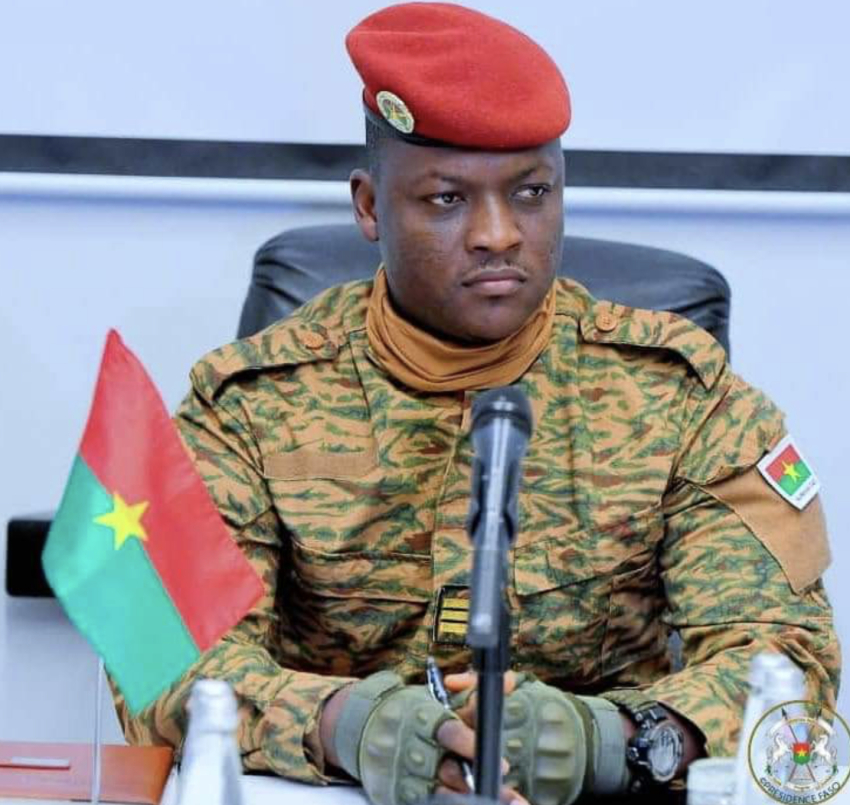
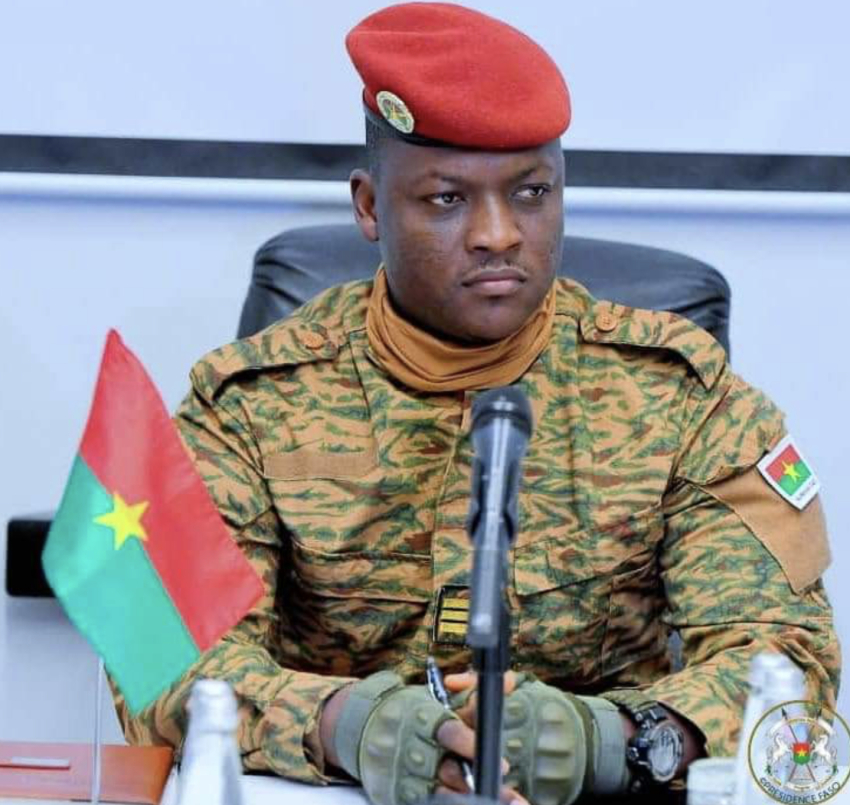
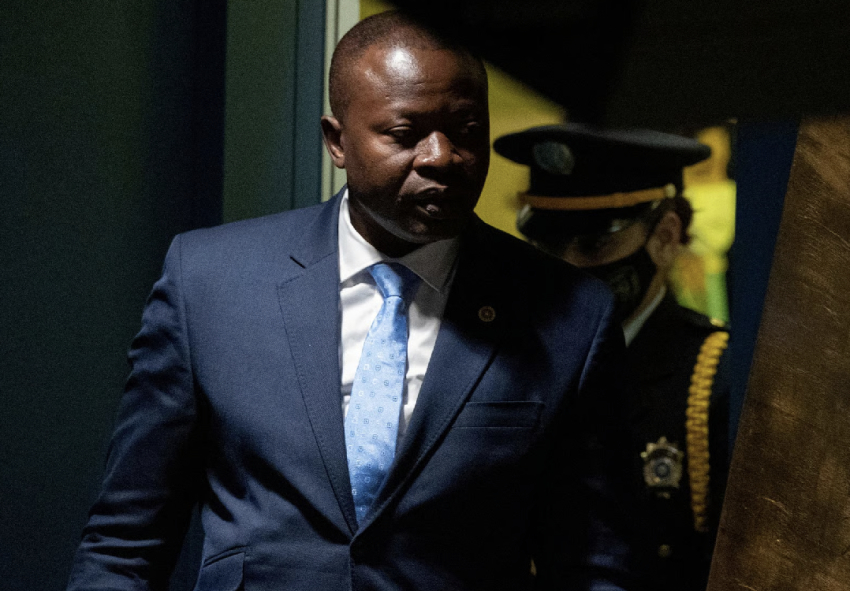 © CAITLIN OCHS:REUTERS
Timbuktu Institute – Week 1 - February 2026
The Togolese authorities' decision to extradite Paul-Henri Sandaogo Damiba to Burkina Faso is officially part of a drive to strengthen judicial and security cooperation between Lomé and Ouagadougou. In a Sahelian context marked by transnational threats and military political transitions, Togo is emphasizing respect for bilateral commitments and subregional consultation mechanisms. According to the Togolese government, this approach aims to preserve a climate of political trust with the Burkinabe transitional authorities, while affirming the country's desire to remain a reliable player in the regional security architecture. However, for the opposition, Togo is facing its strategic contradictions.
The opposition steps up to the plate: Jean-Pierre Fabre denounces a violation of the right to asylum
This decision is, however, strongly contested by the opposition. Jean-Pierre Fabre, president of the National Alliance for Change (ANC), has publicly denounced an extradition that he considers hasty, opaque, and legally questionable. More than two weeks after Damiba's return, the lack of official information about his fate is fueling consternation and concern. The ANC asserts that this decision violates “the most basic legal and moral principles” and holds the Togolese authorities directly responsible for the human, political, and legal consequences that may ensue. This decision is considered dangerous for political refugees. For the ANC, Damiba's handover to the Burkinabe authorities constitutes a brutal breach of the fundamental principles of international law, in particular the principle of non-refoulement, a pillar of the right to asylum. The opposition party speaks of “disguised political refoulement,” arguing that the charges against the former Burkinabe leader are more of a political pretext than an independent and substantiated legal proceeding. According to this interpretation, the message sent is clear and worrying: no political refugee would now be completely safe in Togo, which could permanently tarnish the country's image on the international stage.
An increasingly restrictive political climate
Beyond the Damiba affair, many observers see this extradition as part of a broader trend toward a harsher domestic political climate. Opposition figures such as Kafui Adjamagbo-Johnson are sounding the alarm about a shrinking political space in which the opposition is struggling to express itself freely and influence national policy. According to her, the current protests are not coincidental, but the result of a lack of political dialogue and public trust. Stability, she warns, cannot be imposed in the long term by coercion, at the risk of fueling gradual radicalization. As 2026 approaches, several political leaders and civil society actors believe that Togo is at a critical turning point. Without far-reaching political reforms, a genuine opening up of democratic space, and the restoration of trust between the government and the people, tensions could escalate.
Togo faces a dilemma between security imperatives, respect for the right to asylum, and internal political stability
By prioritizing security cooperation at the expense—according to its critics—of the right to asylum and procedural guarantees, Togo is exposing itself to lasting controversy, both domestically and internationally. The challenge for the Togolese authorities will now be to reconcile security imperatives, respect for international law, and internal political appeasement, in order to prevent this affair from becoming a symbol of a deeper crisis of confidence. The following central question arises with particular urgency: should regional security cooperation be prioritized in an unstable Sahelian context, at the risk of undermining the country's credibility in terms of respect for the right to asylum?
Sacré-Coeur 3 – BP 15177 CP 10700 Dakar Fann – SENEGAL.
+221 33 827 34 91 / +221 77 637 73 15
contact@timbuktu-institute.org