 French
 Arabic
 English
 Portuguese
 Spanish
 Swahili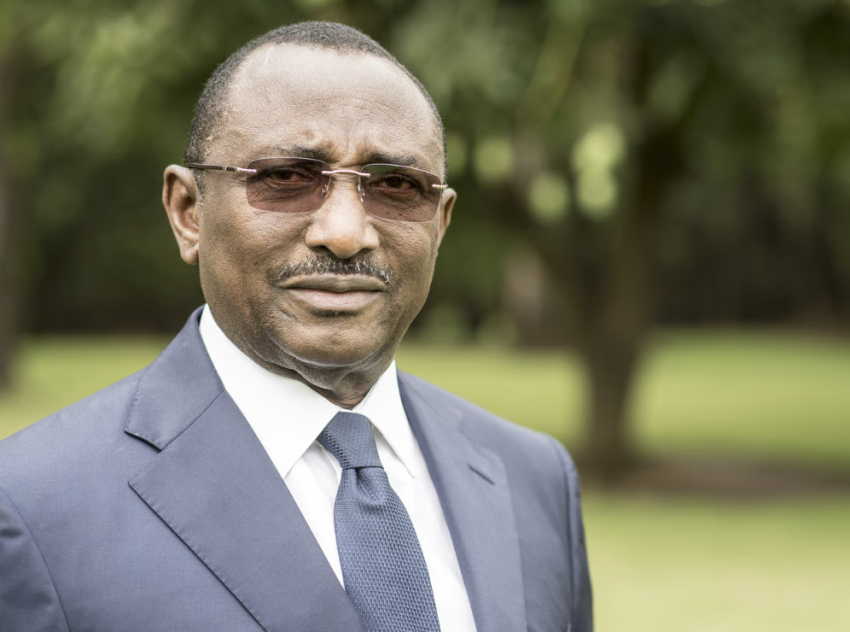





Sacré-Coeur 3 – BP 15177 CP 10700 Dakar Fann – SENEGAL.
+221 33 827 34 91 / +221 77 637 73 15
contact@timbuktu-institute.org

 © Yanick Folly / AFP
Timbuktu Institute – Week 1 - February 2026
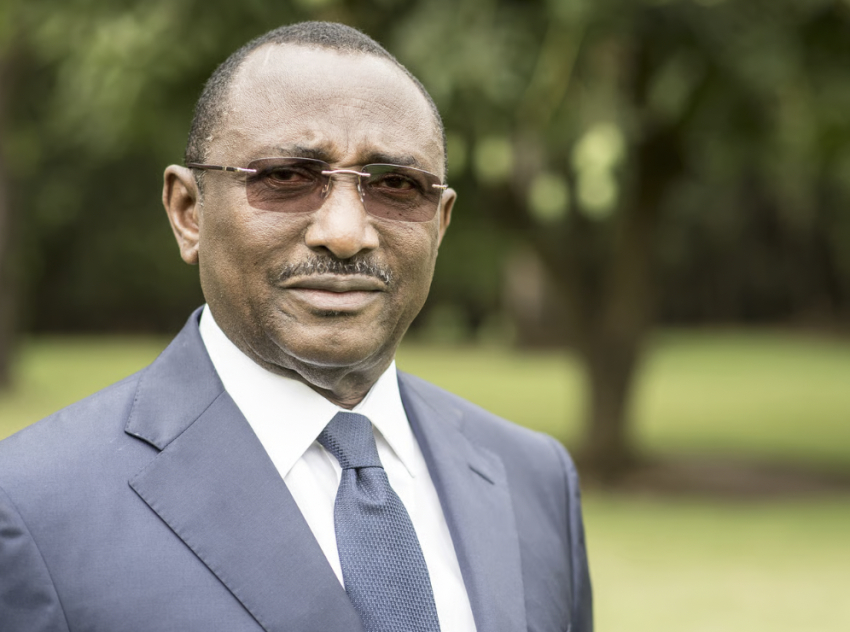
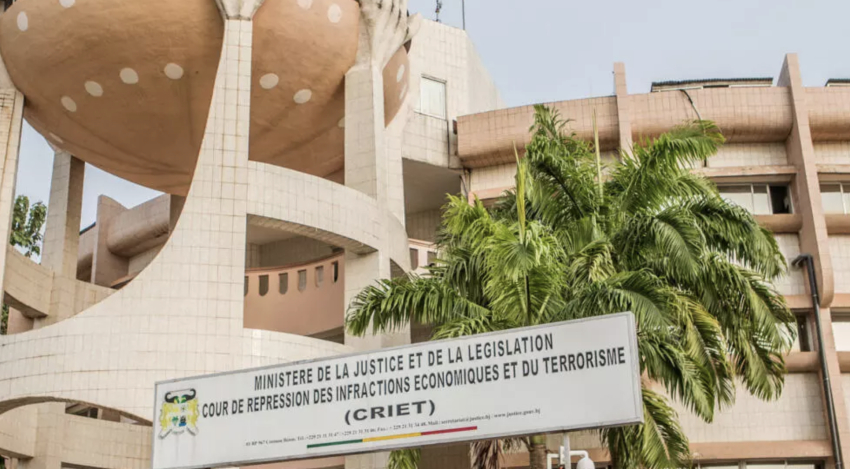
The Beninese authorities are continuing to take action against individuals suspected of being involved in any way in the failed coup of December 7, 2025. Following, among other things, the appearances before the CRIET (Court for the Suppression of Economic Crimes and Terrorism) of former opposition deputy Soumaïla Boké and former ministers Alassane Tigri and Candide Azannaï, six new defendants appeared on February 3. On the one hand, the CRIET special prosecutor's office has requested five years' imprisonment for a journalist and a police officer for "apology for crimes against state security, incitement to hatred and rebellion via publications on social media. The two defendants deny having supported the coup, with the journalist claiming that he shared the information out of fear for his personal safety after receiving threats. The verdict is expected on March 24, 2026. The same charges have also been brought against a customs officer, a trade unionist, and two other individuals. In this case, the charges relate to messages, audio recordings, and videos allegedly supporting the coup plotters. The case has been adjourned until March 17, 2026.
These legal proceedings clearly illustrate the intransigence of the Beninese authorities' response to the failed coup, which may be justified given the seriousness of the events. Nevertheless, it should be emphasized that it remains essential that their application does not have the perverse effect of establishing a widespread code of silence in an already considerably restricted civic space.
The 2060 goal
Benin Vision 2060: “Alafia, a world of splendor.” This is the title of Benin's new long-term development strategy. Presented in Cotonou on February 3, according to the government, it aims to plan the country's economic, social, and environmental development for the next 34 years. This vision should also serve as a guide for infrastructure planning, the modernization of public services, and the strengthening of human skills. Through this long-term vision, the Beninese government clearly intends to place public action within a strategic framework that aims to ensure the consistency, continuity, and anticipation of development policies beyond immediate political cycles.
At the same time, in a Facebook post dated February 5, the Russian Embassy in Benin and Togo recommended that its citizens postpone any non-urgent travel to Benin. Moscow justified this alert by citing the failed coup attempt and the security situation in the north. Even though insecurity in the north remains a concern despite a relative lull, Russia's warning has not failed to elicit a reaction from some sections of Beninese public opinion. In this sense, it cannot be ruled out that this is a subtle form of diplomatic pressure allowing Moscow to signal its attention to political developments in Benin, whose importance in the ongoing reconfiguration of the West African geopolitical space is becoming increasingly apparent.
Sacré-Coeur 3 – BP 15177 CP 10700 Dakar Fann – SENEGAL.
+221 33 827 34 91 / +221 77 637 73 15
contact@timbuktu-institute.org