 French
 Arabic
 English
 Portuguese
 Spanish
 Swahili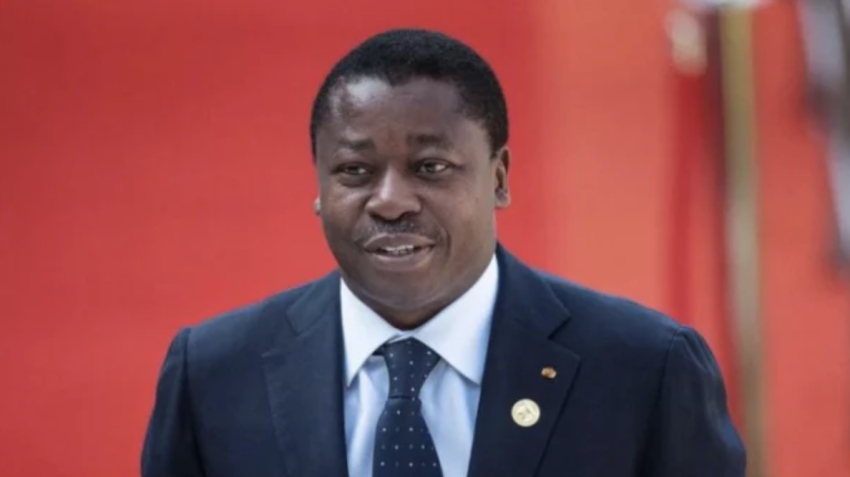


Sacré-Coeur 3 – BP 15177 CP 10700 Dakar Fann – SENEGAL.
+221 33 827 34 91 / +221 77 637 73 15
contact@timbuktu-institute.org

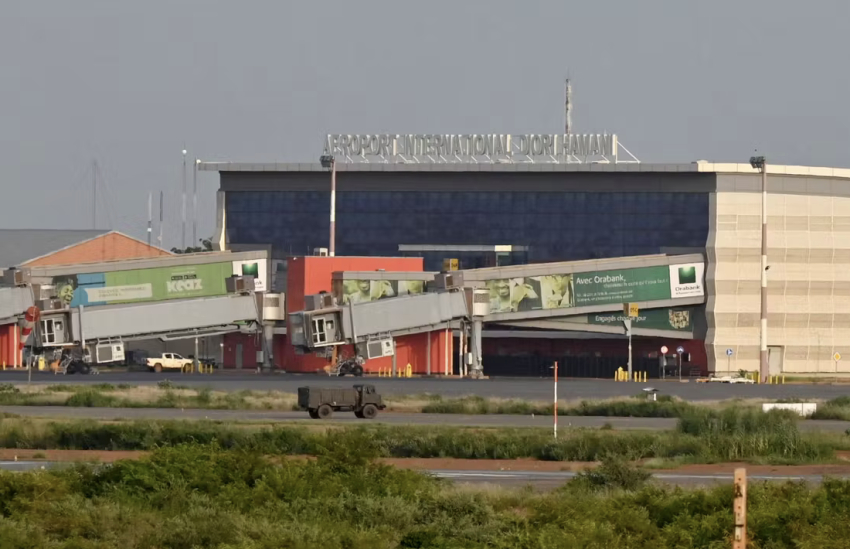 © AFP
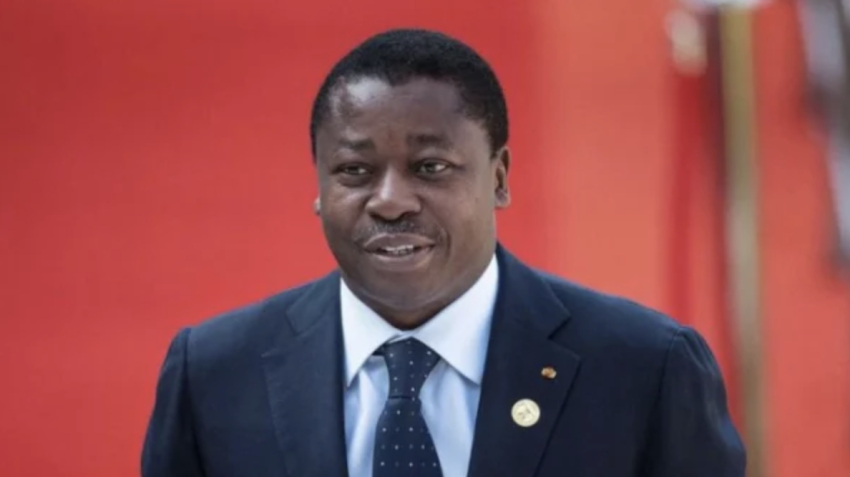
© AFP
Timbuktu Institute – Week 1 - February 2026
Niger is going through a critical period marked by a resurgence of the terrorist threat in the heart of its capital and increasingly confrontational diplomatic rhetoric. As Niamey nurses the wounds of a spectacular attack, the transitional regime is taking a tougher stance toward its neighbors and former Western partners.
The Niamey attack: a security turning point
On February 1, 2026, Niamey was the scene of violent explosions targeting the strategic area of the airport and air base. Although the Nigerien authorities claimed to have brought the situation under control, announcing the neutralization of 20 “mercenaries” and the arrest of 11 others, the terrorist organization ISIS officially claimed responsibility for the operation. This attack demonstrates the worrying reach of armed groups, capable of striking even the most heavily protected centers of power. In response, Moscow promptly reiterated its military support, consolidating Niamey's position within Russia's sphere of influence.
General Tiani's diplomatic offensive
Meanwhile, General Abdourahamane Tiani has used this security breach to harden his international stance. In a firm statement, the head of state directly pointed the finger at Presidents Emmanuel Macron (France), Alassane Ouattara (Côte d'Ivoire), and Patrice Talon (Benin). Niamey accuses these heads of state of directly or indirectly supporting destabilization efforts against Niger. These remarks sparked an immediate diplomatic crisis, particularly with Abidjan, which lodged an official protest by summoning the Nigerien ambassador.
Persistence of the cross-border jihadist threat and spiritual mobilization of the home front
The instability is not limited to Niger's borders. The resurgence of attacks in Niger and neighboring Nigeria highlights the existence of a persistent corridor of insecurity in the Sahel. These spectacular offensives illustrate the coordination, or at least the disturbing coincidence, of the actions of terrorist groups exploiting areas of friction between the states of the Alliance of Sahel States (AES) and the ECOWAS countries.
Faced with this climate of tension, the domestic front is attempting to mobilize. In Zinder, the Great Mosque of Sabon Gari has been the scene of collective prayers and “Qunut” (special invocations). These gatherings, encouraged by local authorities, aim to invoke peace and security, while strengthening social cohesion in the face of “internal and external enemies.” This recourse to religion underscores the importance of popular support in the regime's resilience strategy.
Niger finds itself at a crossroads. The attack in Niamey highlights persistent security vulnerabilities, while General Tiani's political response marks an increasingly deep break with traditional diplomatic approaches in West Africa. Between solidarity with the AES, Russian military support, and spiritual mobilization, Niamey is attempting to forge a sovereignty that can withstand the test of fire.
Sacré-Coeur 3 – BP 15177 CP 10700 Dakar Fann – SENEGAL.
+221 33 827 34 91 / +221 77 637 73 15
contact@timbuktu-institute.org