 French
 Arabic
 English
 Portuguese
 Spanish
 Swahili






Sacré-Coeur 3 – BP 15177 CP 10700 Dakar Fann – SENEGAL.
+221 33 827 34 91 / +221 77 637 73 15
contact@timbuktu-institute.org

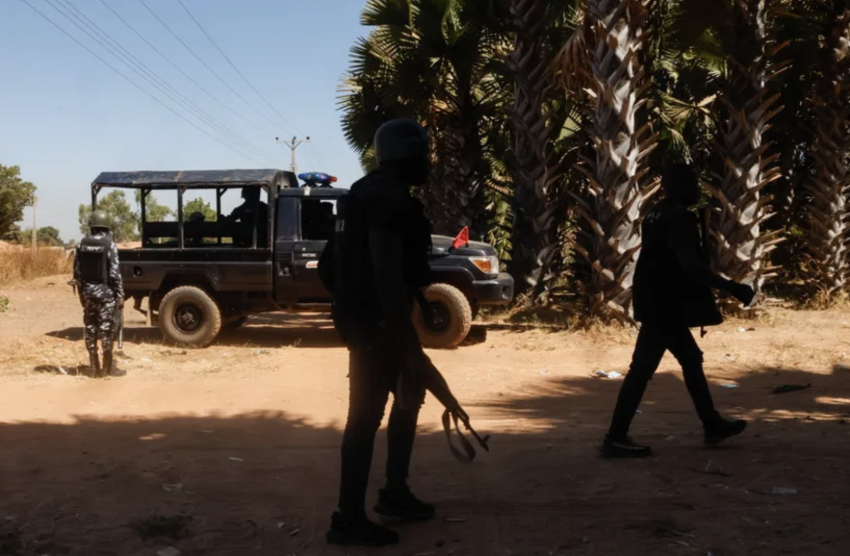 © AFOLABI SOTUNDE / EPA/MAXPPP
Timbuktu Institute – Week 1 - February 2026
While the Sahel region is undergoing geopolitical change, Nigeria is facing a dramatic increase in insecurity on its own soil. The events of February 2026 reveal a country grappling with hybrid violence, combining terrorism, mass banditry, and the impotence of law enforcement.
The massacre in the Center-West: A descent into horror
February 3, 2026 marked a bloody turning point with the massacre of at least 162 people in the Center-West region. This attack, on a scale rarely seen before, demonstrates the logistical organization of the attackers, who were capable of razing entire communities in record time. This massacre is no longer just part of the usual land conflicts, but resembles a coordinated strategy of purging or terror, aimed at destabilizing the very heart of the Nigerian federation.
The North under the yoke of mass kidnappings
In the north of the country, psychosis is fueled by the industrial practice of kidnapping. A coordinated attack on four villages resulted in the abduction of 51 people and the deaths of three residents. These increasingly frequent raids target the most vulnerable rural populations. For armed groups (often referred to as “bandits”), these hostages serve as bargaining chips and leverage against a federal government that is struggling to secure remote areas.
The desacralization of authority and places of worship
Insecurity no longer stops at the gates of institutions or sanctuaries. On February 2, 2026, armed men carried out a daring double attack on a police station and a church. By simultaneously targeting the symbols of public order and faith, the attackers sent a message of total defiance to state authority and social cohesion. The kidnapping of five residents during the assault shows that even places of refuge are no longer safe.
The Tinubu government's security impasse
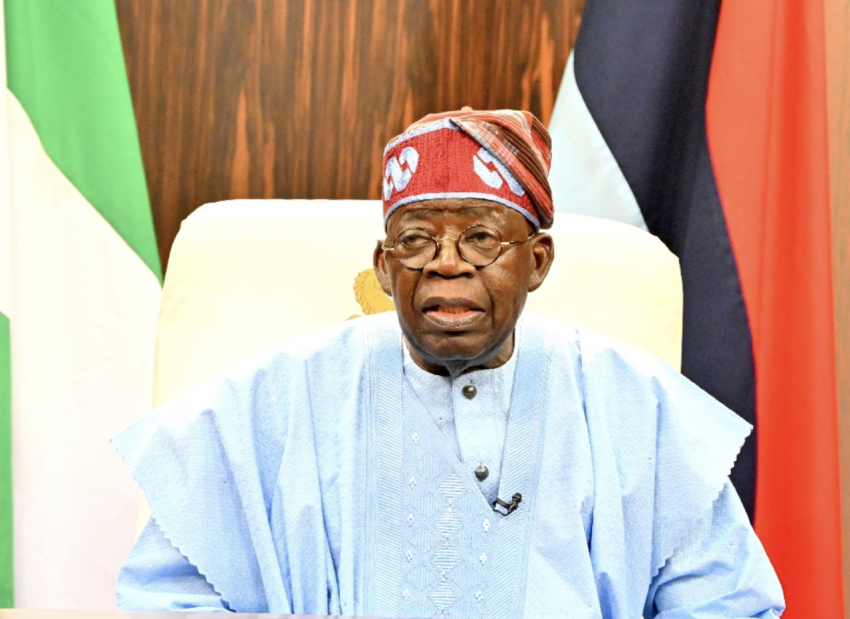
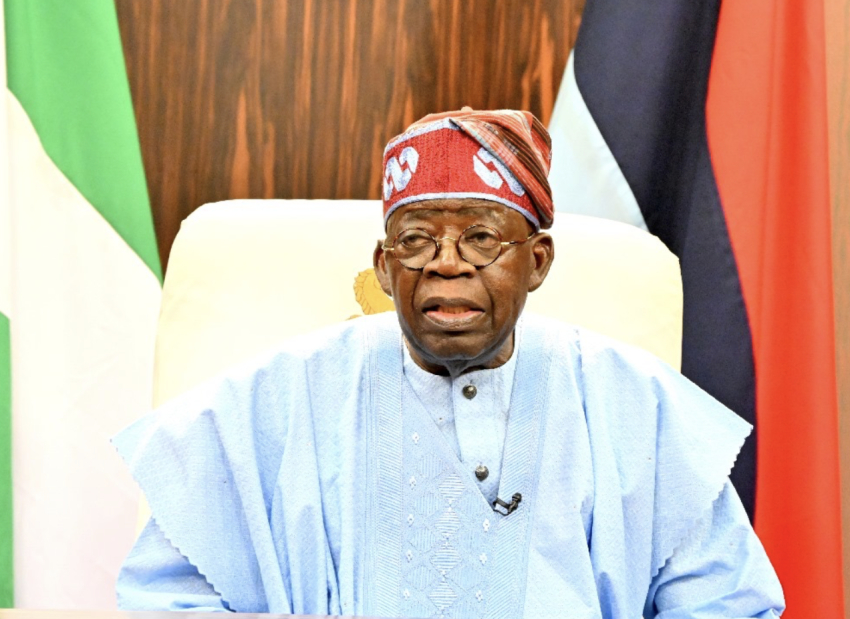
Faced with this proliferation of fronts, the response of Bola Tinubu's government seems to be running out of steam. The army, already deployed on multiple theaters of operations against Boko Haram and ISWAP, is struggling to respond to this new form of mobile and ultra-violent crime. The inability to prevent large-scale attacks, such as the one in the Central West, is fueling a deep crisis of confidence between the population and the Nigerian security apparatus.
In the first quarter of 2026, Nigeria is facing an existential threat. While neighboring Niger is using the security crisis to assert a new political doctrine, Nigeria seems to be suffering an erosion of its internal sovereignty. Between mass killings and daily kidnappings, the challenge is no longer just to defeat terrorist groups, but to restore the integrity of the territory and the fundamental protection of citizens. The stability of the West African giant hangs by a thread in the face of this wave of gratuitous violence.
Sacré-Coeur 3 – BP 15177 CP 10700 Dakar Fann – SENEGAL.
+221 33 827 34 91 / +221 77 637 73 15
contact@timbuktu-institute.org