 French
 Arabic
 English
 Portuguese
 Spanish
 Swahili


Sacré-Coeur 3 – BP 15177 CP 10700 Dakar Fann – SENEGAL.
+221 33 827 34 91 / +221 77 637 73 15
contact@timbuktu-institute.org

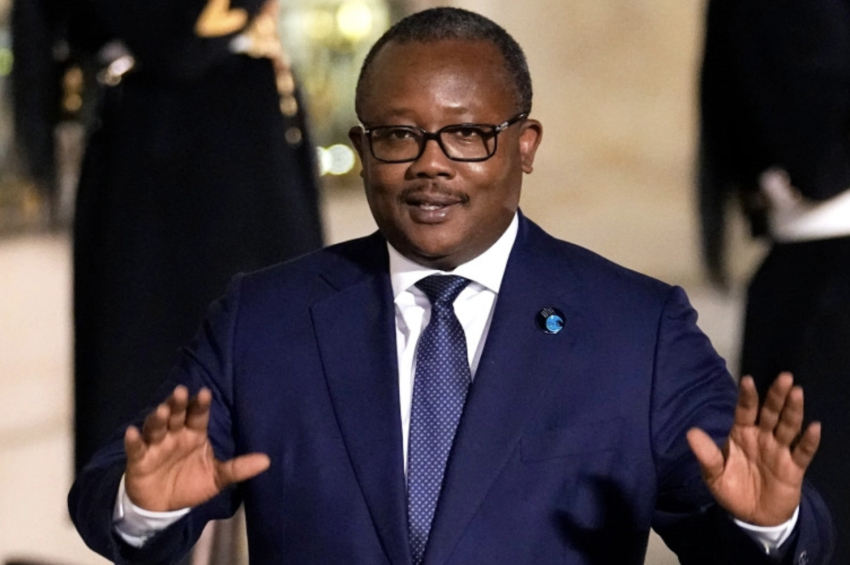
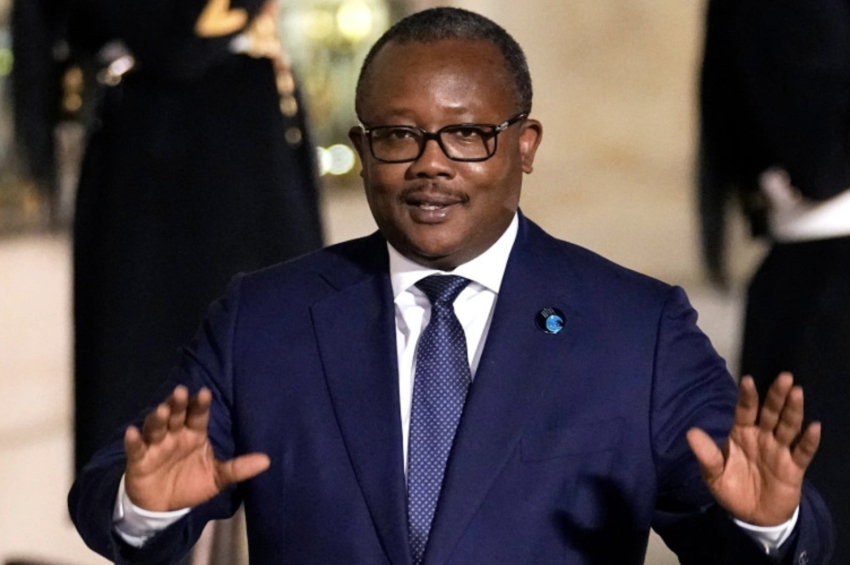
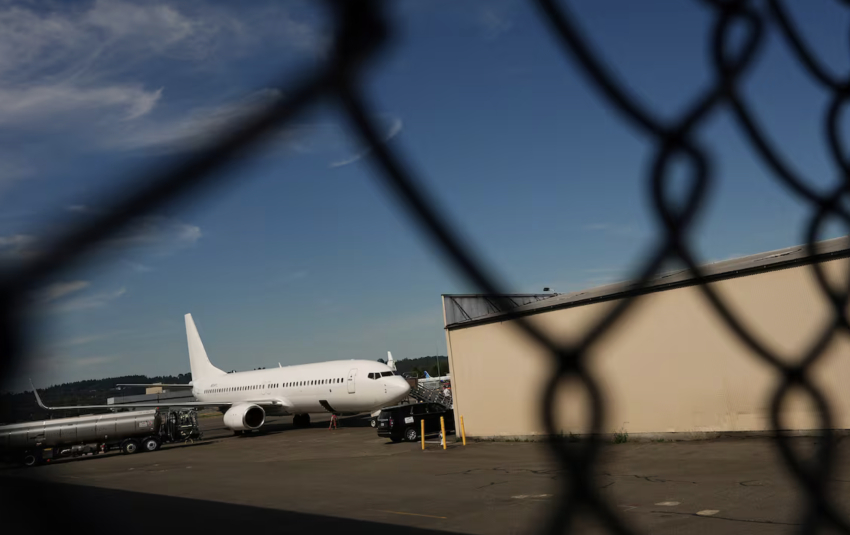 © LINDSEY WASSON (AP)
Timbuktu Institute - Week 3 - February 2026
Download the full Sahel weather report
This is a case that the shadow of silence managed to cover up for only a month. It concerns the imbroglio surrounding fifteen migrants of African origin, who were sent back from the United States and are currently under house arrest in Cameroon. In fact, there were two stages to the story. First, two Ghanaians, three Zimbabweans, one Sierra Leonean, two Ugandans and one Kenyan arrived in Yaoundé on 14 January 2026 from a detention centre in the state of Louisiana. These first nine were then joined on 16 February by eight others, bringing the total number of migrants deported under Donald Trump's new migration policy to 17.
The Cameroonian authorities have made it clear [to those deported] that they will only be allowed to leave to return to their country of origin. For some, this would be tantamount to signing their death warrant," according to their lawyer, contacted by Jeune Afrique. In any case, judging by appearances, the Cameroonian authorities seem at the very least embarrassed by this situation. Indeed, while attempting to contact those under house arrest, four journalists and a lawyer were arrested and then released on 18 February in Yaoundé. Faced with this situation, the main question that arises is this: has Cameroon concluded an agreement with Washington to take in migrants deemed undesirable, following the example of Ghana and Equatorial Guinea? For the time being, this question remains unanswered. However, the validity of this transfer operation is being debated within Cameroonian public opinion, in a context of uncertainty following the postponement of the upcoming legislative and municipal elections.
Ngarbuh massacre: an inadequate verdict?
After a six-year legal saga, on 19 February 2026, the military court in Yaoundé sentenced three Cameroonian soldiers to prison terms of between five and ten years for the massacre of 21 civilians in Ngarbuh (North-West region) on 14 February 2020. Ten years' imprisonment for the highest-ranking officer, Sergeant Baba Guida, eight years for Constable Sanding Sanding and five years for Private First Class Gilbert Haranga. The latter were found guilty of ‘murder, arson, violence against a pregnant woman and violation of orders’. In addition, former separatist Afa Fong, who did not attend the hearing because he is on the run, was found guilty of the same charges. However, the verdict is far from satisfactory for the families' lawyer. According to him, ‘these were extremely serious offences that could have led to a life sentence (...) This verdict does not do justice’. For the time being, neither the prosecution nor the defence has indicated any intention to appeal. Be that as it may, even if this case has come to a legal conclusion, it is far from being closed on a symbolic level. This is because the verdict, which some consider lenient, has reignited the debate on the fight against impunity and the ability of the Cameroonian justice system to respond appropriately to the violations committed in the context of the Anglophone crisis.
Sacré-Coeur 3 – BP 15177 CP 10700 Dakar Fann – SENEGAL.
+221 33 827 34 91 / +221 77 637 73 15
contact@timbuktu-institute.org