 French
 Arabic
 English
 Portuguese
 Spanish
 Swahili


Sacré-Coeur 3 – BP 15177 CP 10700 Dakar Fann – SENEGAL.
+221 33 827 34 91 / +221 77 637 73 15
contact@timbuktu-institute.org

 ©AFP - BOUREIMA HAMA
Timbuktu Institute - Week 3 - February 2026
Download the full Sahel weather report
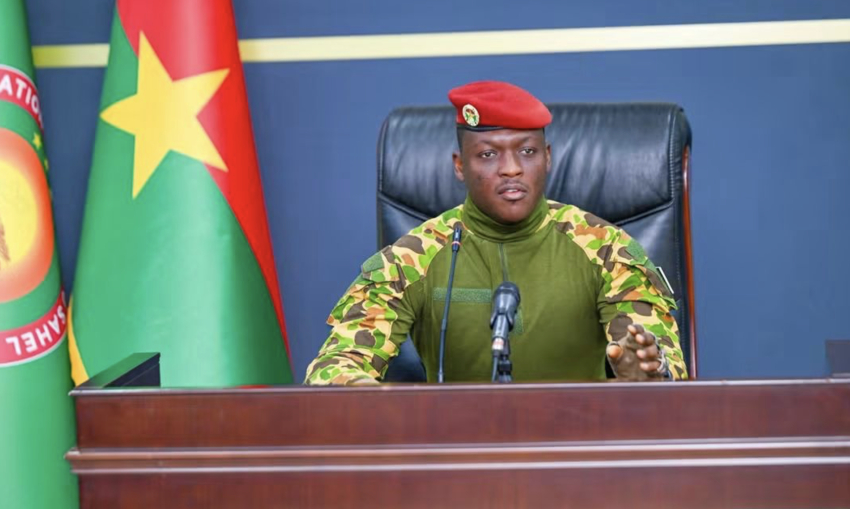
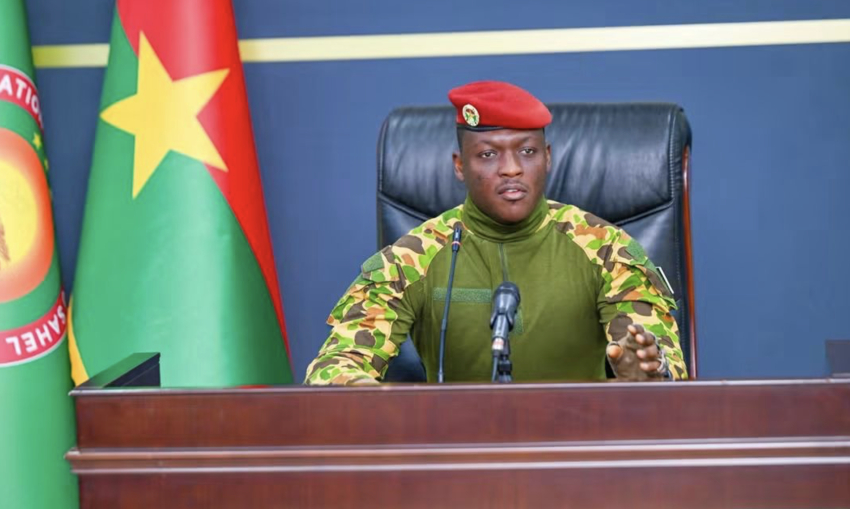
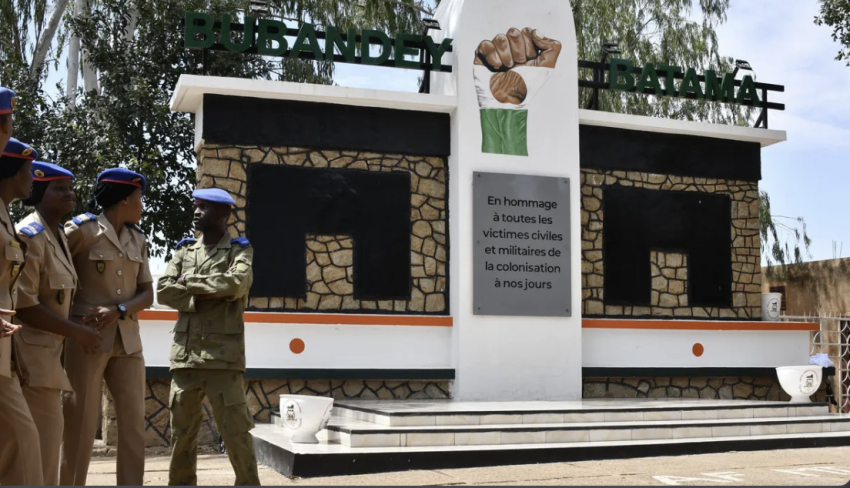
General Abdourahamane Tiani proposes to return to France its share of uranium (63.4%) from a stockpile of 156,000 tonnes accumulated at the Somaïr mine before its nationalisation in June 2025. This announcement, seen as a gesture of clarification in the diplomatic standoff between Niamey and Paris, nevertheless sets a strict limit: all uranium produced after the junta took power remains the exclusive property of Niger, with the authorities claiming to have invested 24 billion CFA francs to maintain operations after Orano's withdrawal. This position illustrates Niger's sovereignist stance on its natural resources, while the legal dispute over ‘expropriation’ and environmental damage continues to fester between the two countries.
Algeria–Niger: An official visit to seal reconciliation
General Abdourahamane Tiani's official visit to Algiers marks the end of an ‘abnormal period of coldness’ and the beginning of a ‘cautious resumption of bilateral dialogue’ after months of heightened tensions linked to the July 2023 coup and migration management. Welcomed with honours by President Abdelmadjid Tebboune, the Nigerien transitional leader, supported by a high-ranking ministerial delegation (Defence, Energy, Petroleum), is seeking to transform this diplomatic détente into a solid operational partnership. Beyond the symbolic return of ambassadors, the challenge is to reactivate structural projects such as the Trans-Saharan Gas Pipeline (TSGP), fibre optic interconnection and border security cooperation, while repositioning Algeria as an essential regional mediator in the face of Niger's isolation. This summit demonstrates a mutual political will to stabilise the Sahel-Saharan region, although the realisation of these ambitions remains dependent on the ability of both states to overcome administrative burdens and local political fragilities.
AES Unified Force: A rise in strength to 6,000 men
Faced with the resurgence of jihadist threats and the use of advanced technology by ‘mercenaries’, General Abdourahamane Tiani announced that the strength of the Unified Force of the Alliance of Sahel States (AES) would be increased from 5,000 to 6,000 soldiers. This strategic increase aims to strengthen the operational capacity of Burkina Faso, Mali and Niger to secure the Sahel region, which has been marked by recent attacks such as the one against Niamey airport. Beyond simply increasing troop numbers, the alliance is focusing on greater coordination of intelligence and logistics and on raising awareness among defence forces of new types of asymmetric threats. This military reinforcement is accompanied by a desire for broader integration, including the fight against disinformation and the creation of common economic institutions, despite persistent challenges related to financing and the establishment of an operational supranational framework.
Sacré-Coeur 3 – BP 15177 CP 10700 Dakar Fann – SENEGAL.
+221 33 827 34 91 / +221 77 637 73 15
contact@timbuktu-institute.org