 French
 Arabic
 English
 Portuguese
 Spanish
 Swahili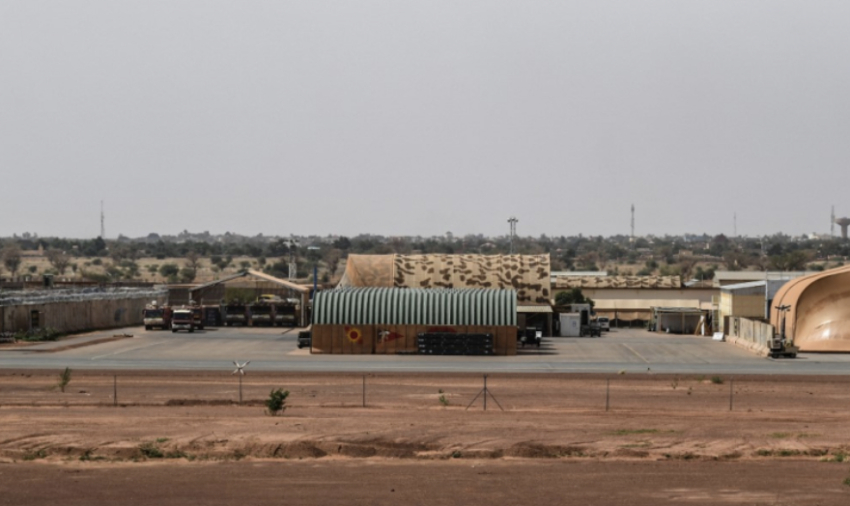





Sacré-Coeur 3 – BP 15177 CP 10700 Dakar Fann – SENEGAL.
+221 33 827 34 91 / +221 77 637 73 15
contact@timbuktu-institute.org

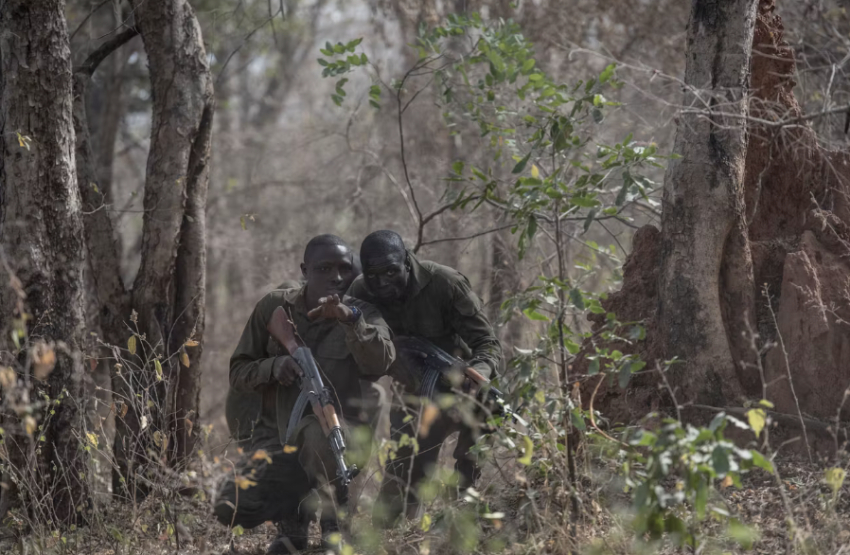 © STEFAN HEUNIS / AFP
Timbuktu Institute - Week 4 - February 2026
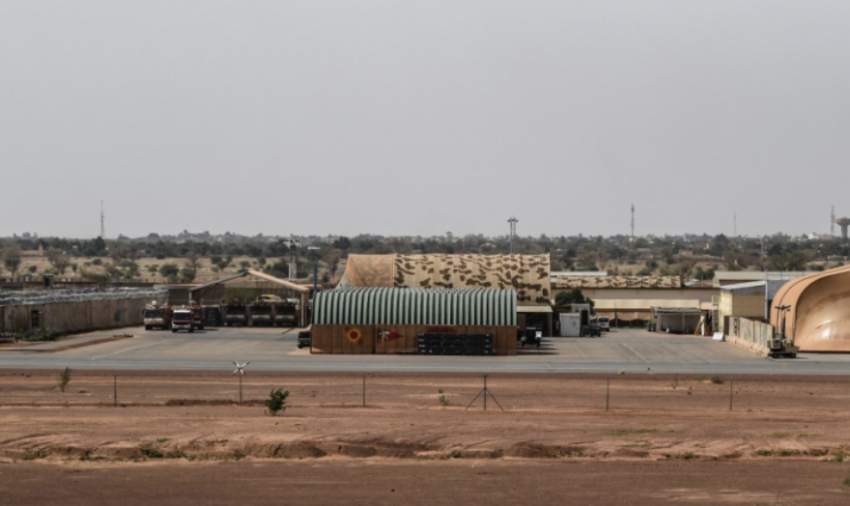
In the north of the country, although the security situation appears to have calmed down somewhat, it remains a cause for concern in many respects. Apart from the sensitive area known as the ‘Triple Point’ with Niger and Burkina Faso, the border area with Niger and Nigeria also remains critical. According to a study by the NGO ACLED, in 2025 this area emerged as a major new jihadist hotspot, with an 86% increase in attacks and a 262% increase in deaths in one year. Indeed, JNIM and Islamic State appear to have consolidated their presence there, particularly in the departments of Alibori and Borgou.
Similarly, the third department, Atacora, is not immune to this turmoil. In the early hours of 24 February, the Kouandé police station was the target of an armed attack. Unidentified assailants from the Guilmaro district opened fire on the infrastructure before setting fire to the annex building of the Republican Police, stealing two motorcycles and destroying three. In the aftermath, defence and security forces quickly deployed a search operation around the locality. No official report has been released at this time. This overview reveals a northern region that remains under pressure. Indeed, there is no longer any doubt that the jihadist hydra is infecting the north of the country, gradually transforming a localised threat into a structural security challenge for the state. Furthermore, the overlapping pockets of vulnerability are shaping an arc of instability, the management of which does not seem to be getting any easier with time.
Strengthening community resilience
It is undoubtedly with this major challenge in mind that the Beninese authorities are working, beyond the security aspect, to put in place resilience mechanisms, which is, in the current socio-political context on the eve of the presidential election. The Ministry of the Interior and Public Security has therefore deployed a mission to the departments of Atacora and Donga to strengthen conflict prevention mechanisms. On 24 February, an awareness-raising session on the co-production of security during the election period was held at the Natitingou prefecture. To this end, discussions were held with local authorities, security forces, community leaders and political actors with the aim of raising awareness among the population, combating hate speech and maintaining a framework for mediation. This institutional drive also serves as a reminder of the authorities' awareness that the legitimacy of the upcoming elections could also depend on the state's ability to guarantee a peaceful and secure environment in the most vulnerable areas of the country.
At the same time, the authorities are continuing to pursue legal proceedings in relation to the failed coup of 7 December 2025. In a new development, on 27 February, the National Centre for Digital Investigations published a wanted notice for nine individuals linked to the coup attempt. They are Colonel Pascal Tigri (alleged mastermind of the coup), Castro Sambieni, Ousmane Samary, Bernard Sanhouekoua, Moussa Noma Rafiou, Demanmon Dassoudo, Issa Soumanou, Laurier Setondji and Yacoubou Moudachirou Osseni. In this context, the Beninese state's uncompromising stance attests to its determination to shed light on this event. In this sense, it is true that this process will remain incomplete as long as Colonel Tigri continues to evade justice in his country.
Sacré-Coeur 3 – BP 15177 CP 10700 Dakar Fann – SENEGAL.
+221 33 827 34 91 / +221 77 637 73 15
contact@timbuktu-institute.org