 French
 Arabic
 English
 Portuguese
 Spanish
 Swahili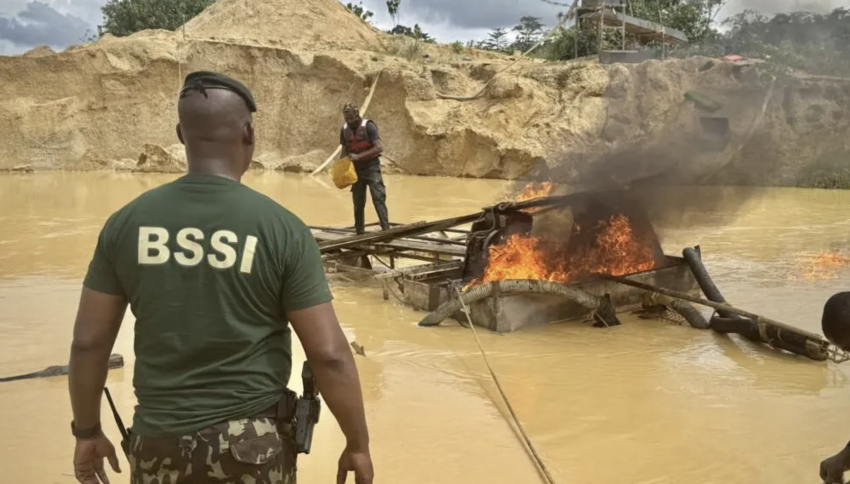


Sacré-Coeur 3 – BP 15177 CP 10700 Dakar Fann – SENEGAL.
+221 33 827 34 91 / +221 77 637 73 15
contact@timbuktu-institute.org

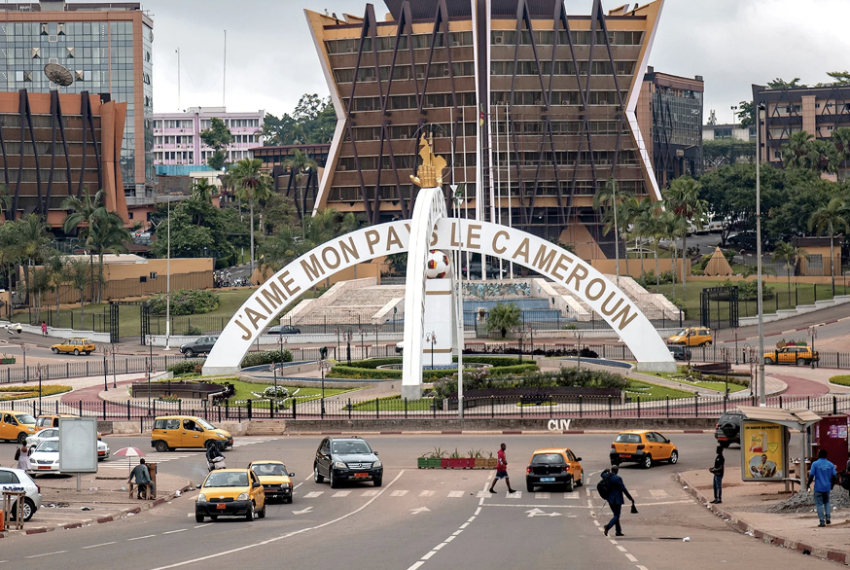 © Sylvain Cherkaoui
Timbuktu Institute - Week 2 - March 2026
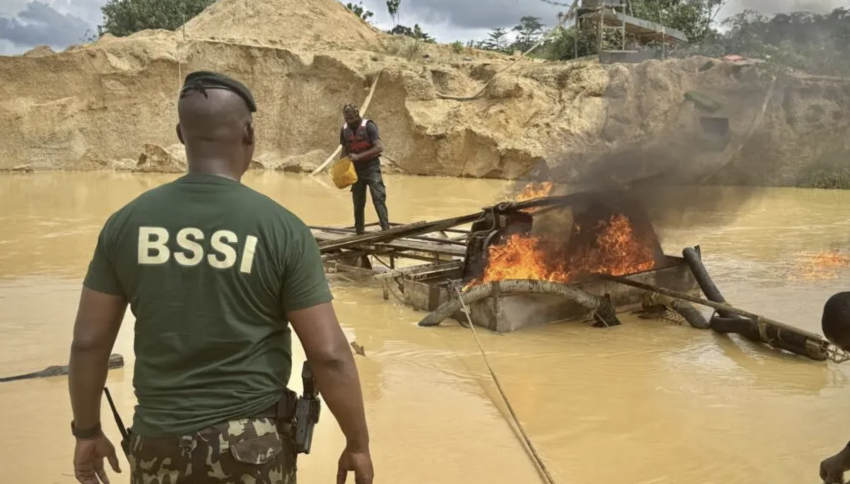
In Cameroon, there is a growing consensus that the state is losing billions through the exploitation and management of its gold sector. Clearly, Cameroonian gold is circulating, but not through the intended official channels. In 2023, a damning report by the Extractive Industries Transparency Initiative (EITI) revealed the scale of the trafficking, which Yaoundé clearly no longer wishes to ignore. Consequently, President Paul Biya ordered, via his Secretary-General of the Presidency, Ferdinand Ngoh Ngoh, the creation of a joint commission of inquiry tasked with shedding light on the illegal gold trade. Indeed, Cameroon is said to have officially exported only 22.3 kg of gold to the United Arab Emirates, whilst the latter claim to have purchased 15.2 tonnes of Cameroonian origin. Faced with this staggering discrepancy, the explanations offered by the Minister of Mines, Fuh Calistus, have failed to convince, making him one of the potential targets of the inquiry, in a context where his ministry has been acting since the death of his predecessor in January 2023.
Opening up the East
Eastern Cameroon, rich in timber, minerals and gold, and also the scene of an influx of Central African refugees, suffers from its isolated location. Despite covering 109,000 km² (23% of the national territory), the region has a road-paved area of just 6.25%. It is in light of this vulnerability that the African Development Bank (AfDB) has granted Cameroon a loan of USD 360 million (203 billion CFA francs) to finance the first phase of the Programme for the Opening Up and Connectivity of Cross-Border Economic Basins in the Eastern Region (PDCBET). In practical terms, these funds will be used to asphalt 156 km of road on the Ngoura II-Yokadouma route, linking Cameroon to neighbouring Congo. Beyond road infrastructure, the project has three objectives: to open up the Eastern Region and strengthen regional integration in Central Africa; to create at least 2,500 direct and indirect jobs for young people, women and vulnerable minorities; and to prevent security vulnerabilities in a particularly isolated area. This loan forms part of the AfDB’s broader commitment to Cameroon, whose active road portfolio comprises nine projects totalling approximately USD 1.4 billion, covering several regions of the country since 2015.
New political and administrative scandal
Since the start of the year, Cameroon seems to have been adrift amid a series of political and administrative scandals. Following the scandal over the scanners at the port of Douala and the 21.4 billion CFA franc contract for the installation of solar streetlights, it is now the turn of the Yaoundé Golf Club to be at the centre of a land dispute. The conflict stems from a decree signed on 2 January by the Minister for State Property, Henri Eyebe Ayissi, who transferred approximately ten hectares of the club’s land to a certain Thérèse Koa, head of a neighbourhood adjacent to the golf course who presents herself as a representative of the Omgba Bissogo community – families claiming customary rights over these lands occupied prior to independence. The Golf Club, for its part, contests the legality of this decree, arguing that such a transfer requires the prior approval of the President of the Republic and not merely a ministerial decree. Thus, at the heart of this case, a question arises: is Thérèse Koa merely a protagonist acting in her own name, or rather a convenient front for behind-the-scenes players with very real land ambitions on an estate that many have their eyes on?
Sacré-Coeur 3 – BP 15177 CP 10700 Dakar Fann – SENEGAL.
+221 33 827 34 91 / +221 77 637 73 15
contact@timbuktu-institute.org