 French
 Arabic
 English
 Portuguese
 Spanish
 Swahili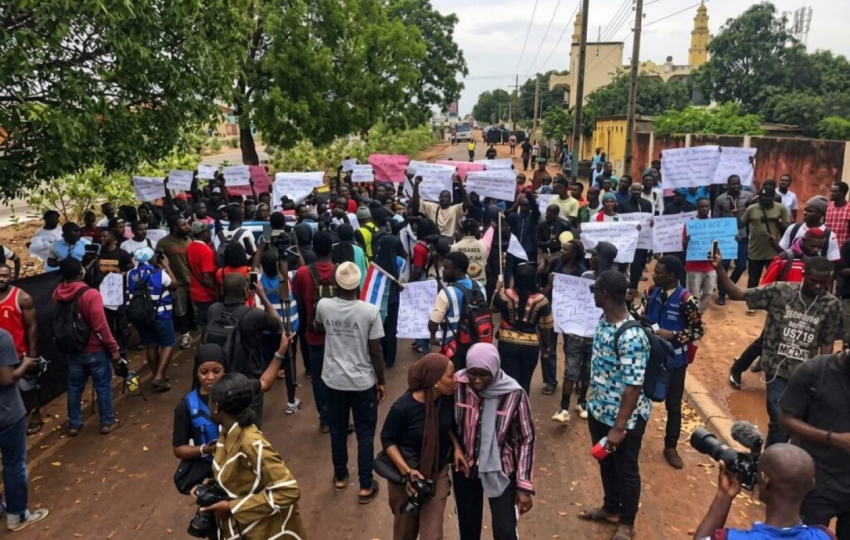


Sacré-Coeur 3 – BP 15177 CP 10700 Dakar Fann – SENEGAL.
+221 33 827 34 91 / +221 77 637 73 15
contact@timbuktu-institute.org

 © Présidence de la République du Tchad
Timbuktu Institute – Week 2 – March 2026
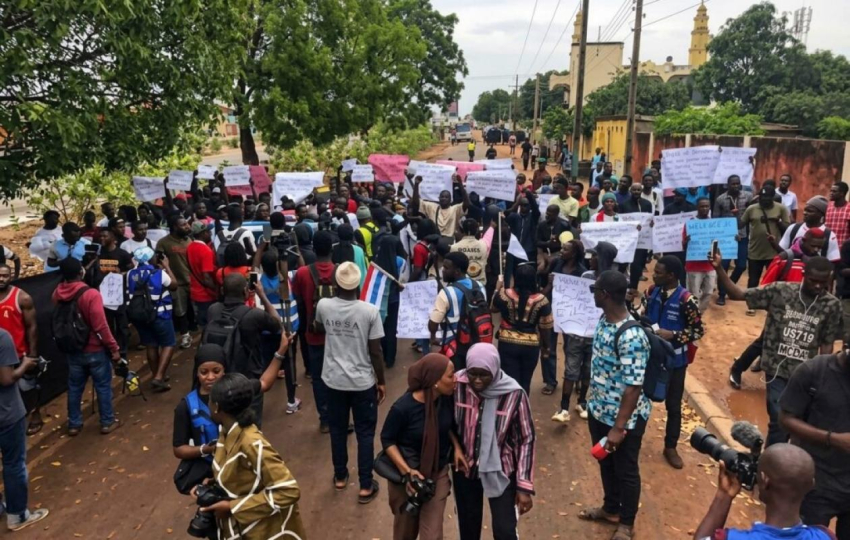
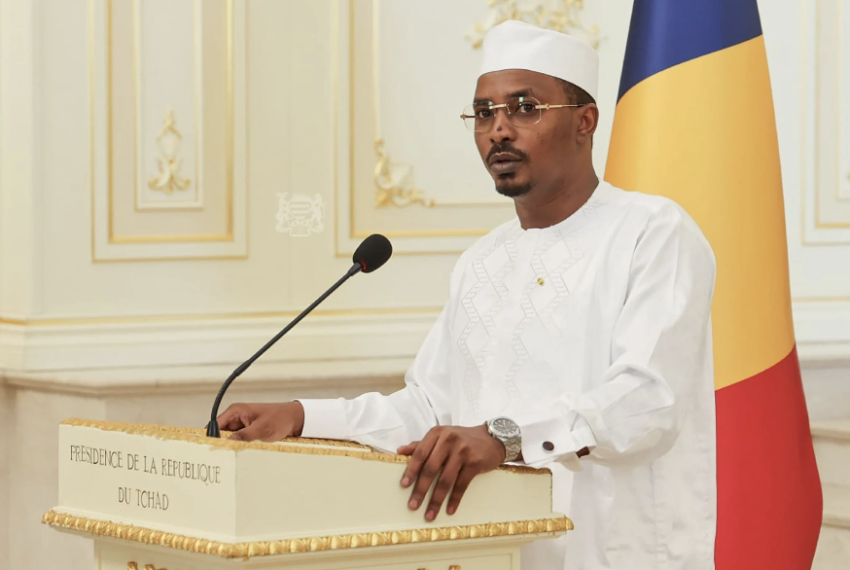
Since Mahamat Idriss Déby assumed the presidency, several international human rights organisations have consistently reported a shrinking of civic space and a curtailment of individual freedoms. In early March, several NGOs, including the Chadian League for Human Rights and the World Organisation Against Torture, denounced before the UN a growing crackdown on the opposition by the National Security Agency (ANS), which reports directly to the presidency. In response, Chad’s Minister of Justice Youssouf Tom acknowledged on 12 March that, whilst such incidents may occur, the courts are frequently called upon to address them. According to him, however, it is up to NGOs and journalists to demonstrate objectivity in their reports, urging everyone to “stick to the truth”. A response deemed measured by some, but insufficient by human rights organisations which highlight systematic practices of repression.
Meanwhile, according to an investigation by the French investigative media outlet Mediapart published on 10 March, Chadian President Mahamat Idriss Déby Itno and his entourage are alleged to have spent nearly €867,000 at the Parisian luxury hotel Le Royal Monceau between 2021 and early 2026, including €784,000 in cash. These cash payments far exceed the legal limit of €10,000 authorised in France for non-tax residents. These revelations form part of an investigation opened in 2024 by the National Financial Prosecutor’s Office (PNF), which is already looking into the head of state’s purchases of suits worth €915,000. In response to these accusations, the Chadian government spokesperson, Gassim Cherif Mahamat, firmly rejected what he described as mere “allegations” without “a shred of material evidence”, whilst stating that the Chadian state is not accountable to the French courts. Be that as it may, this case once again highlights issues of governance and the management of public funds, within a fragile political context. With Chad remaining dependent on international aid, and its population facing persistent economic challenges, it is not unreasonable to suggest that the lack of transparency surrounding the President’s overseas expenditure could further erode public trust in the government.
Towards a revival of the opposition?
Whilst the Group for Consultation among Political Actors (GCAP) had announced its withdrawal from political life in October 2025, the coalition of opposition parties appears to be regaining its momentum. On 10 March, the GCAP organised a public review of this withdrawal, under the theme ‘Chad, a weakened country: what prospects for political struggle for its survival?’. The meeting served as a platform for a scathing indictment of Mahamat Idriss Déby’s regime, denouncing a climate of “political terror”, the death of democracy, unsolved murders of opposition figures (including that of Yaya Dillo Djérou in 2024) and a justice system exploited to silence dissenting voices. Furthermore, the Group criticised N’Djamena’s military cooperation with France, perceived as support for the ruling regime.
Furthermore, the Platform of Civil Society Organisations for Peace and Development (POSOC-PD) officially launched, on 11 March 2026 in Abéché, the “Peace, Security and Social Cohesion in Eastern Chad” project. The ceremony took place against a backdrop of renewed conflict and communal tensions in Ouaddaï province. According to the Director-General of POSOC-PD, more than two million people will benefit directly or indirectly from the planned initiatives, with the central aim of promoting a peaceful, inclusive and stable environment among the region’s various communities. Indeed, heavily affected by the influx of Central African and Sudanese refugees and by recurring cross-border tensions, the east of the country remains a particularly sensitive issue.
Sacré-Coeur 3 – BP 15177 CP 10700 Dakar Fann – SENEGAL.
+221 33 827 34 91 / +221 77 637 73 15
contact@timbuktu-institute.org