 French
 Arabic
 English
 Portuguese
 Spanish
 Swahili


Sacré-Coeur 3 – BP 15177 CP 10700 Dakar Fann – SENEGAL.
+221 33 827 34 91 / +221 77 637 73 15
contact@timbuktu-institute.org

 © TDR
© TDR
Timbuktu Institute - Week 1 - April 2026
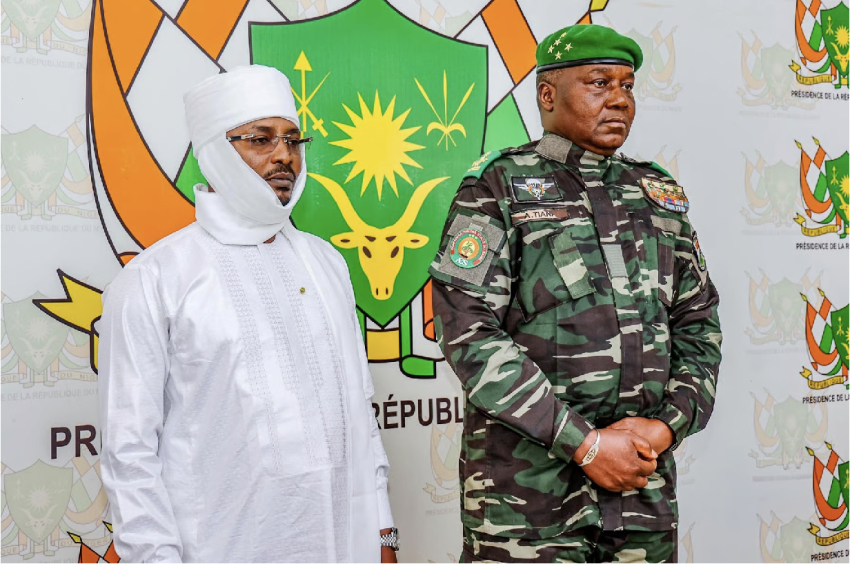
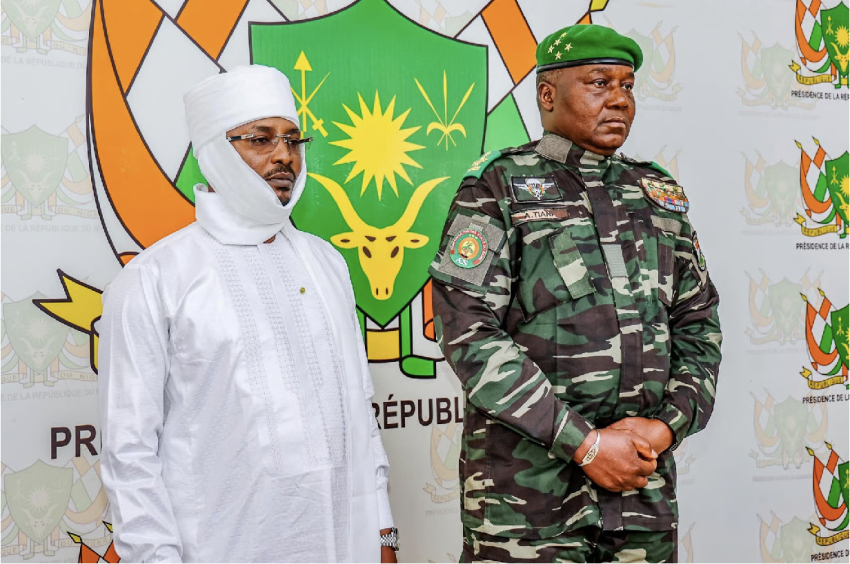
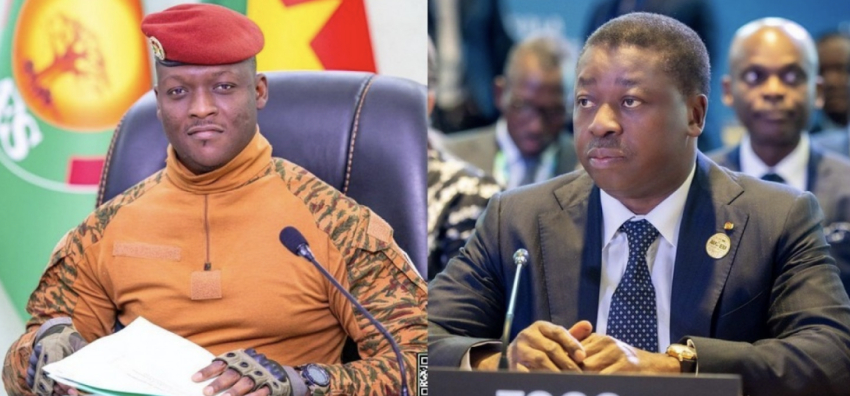
During the week, Burkina Faso continued its efforts to strengthen security by reinforcing its bilateral partnerships, particularly with Togo. On April 3, 2026, Burkinabè authorities officially designated Togo as a “brother country,” thereby underscoring the deepening of strategic cooperation between the two states. This dynamic has resulted in more flexible and decentralized military coordination, allowing operational units to make tactical decisions directly in the field, particularly regarding air operations and intelligence sharing. Developments in Burkina Faso highlight a gradual transformation of the national security doctrine. The country now favors a pragmatic approach, based on rapid action and operational flexibility, and is moving away from regional cooperation frameworks deemed “restrictive.” This shift is reflected in a proliferation of targeted partnerships, particularly with states sharing immediate security interests.
Securing the Ouagadougou-Lomé corridor: a strategic issue at the heart of cooperation between Burkina Faso and Togo
At the same time, technical discussions have begun between Ouagadougou and Lomé to improve the efficiency of this logistics corridor. This corridor is of major strategic importance to Burkina Faso, a landlocked country, as it is essential for the transport of goods, military equipment, and basic necessities. Securing this route is therefore both an economic and a security issue. These initiatives reflect a growing awareness of the corridor’s strategic importance for the economic and security stability of the “land of honest men.” They also demonstrate strengthened regional cooperation to address persistent logistical and security challenges.
Persistent Internal Insecurity: Between Pressure from Armed Groups and the Limits of the Military Response
Still on the subject of internal security, the situation is marked by an intensification of activities by non-state armed groups, particularly in border regions. Defense and security forces continue to face recurring asymmetric attacks, reflecting the persistence of a diffuse threat that is difficult to contain in the long term. However, despite these tactical adjustments, results on the ground remain limited. The persistence of terrorist attacks indicates that operational gains have not yet translated into lasting stabilization. Furthermore, this focus on the military dimension is not always accompanied by sufficient measures regarding governance and social cohesion, which could further undermine the country’s internal resilience. Thus, in the short term, Burkina Faso is likely to intensify its joint military operations with its partners, particularly in border areas. This strategy could help contain certain pockets of insecurity without eradicating the threat. In the medium term, the risk of the conflict becoming bogged down remains high, with a risk of insecurity spreading if the structural causes are not addressed.
Ultimately, the country remains locked in a prolonged war, characterized by constantly evolving security strategies. While bilateral cooperation offers prospects for short-term effectiveness, it is insufficient to guarantee lasting stabilization, which requires a more comprehensive approach integrating political, economic, and social dimensions.
Sacré-Coeur 3 – BP 15177 CP 10700 Dakar Fann – SENEGAL.
+221 33 827 34 91 / +221 77 637 73 15
contact@timbuktu-institute.org