 French
 Arabic
 English
 Portuguese
 Spanish
 Swahili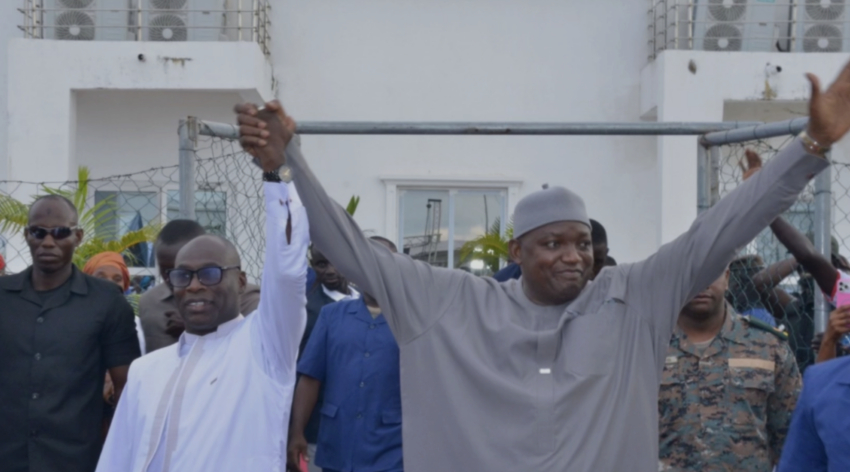


Sacré-Coeur 3 – BP 15177 CP 10700 Dakar Fann – SENEGAL.
+221 33 827 34 91 / +221 77 637 73 15
contact@timbuktu-institute.org

 © TDR
© TDR
Timbuktu Institute – Week 1 – May 2026
Download the full Sahel weather report
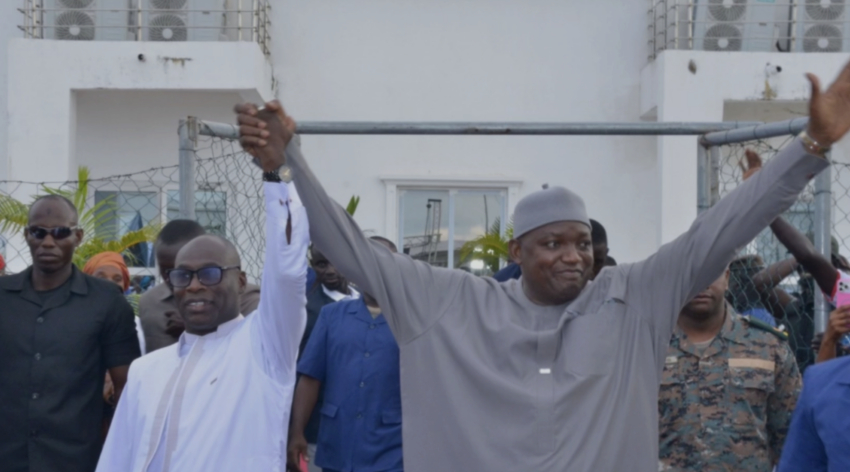
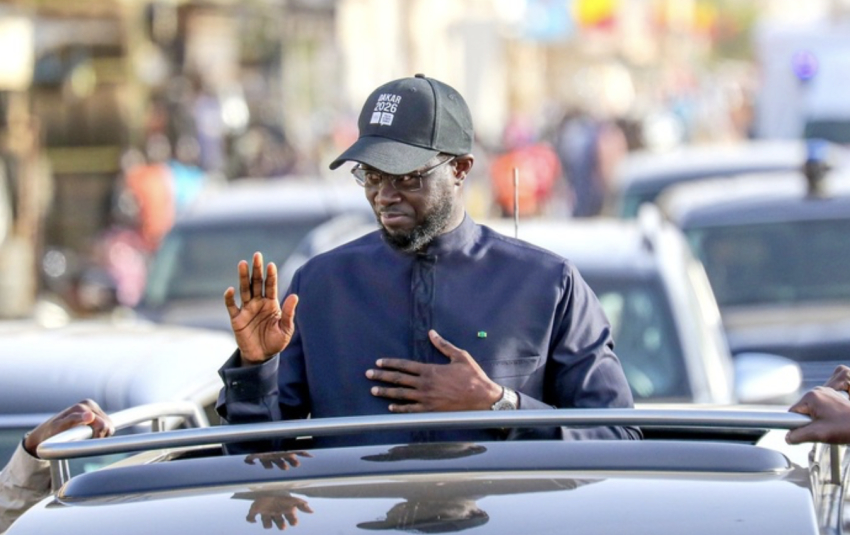
On Saturday 9 May, the broad presidential coalition brought together activists and supporters from across the region to pay tribute to President Diomaye Faye. The “Diomaye Président” coalition gathered in Mbour, the current president’s stronghold, to honour him in the presence of his parents, relatives and friends, two years after he came to power.
Diomaye Faye’s supporters reveal their ambitions for 2029
This large-scale gathering is seen as a political test, as tensions appear to persist within the ruling party, Pastef, led by Prime Minister Ousmane Sonko. A trial run, or a masterstroke? In any case, his supporters believe they have succeeded in mobilising support and intend to maintain this momentum for the upcoming elections. The Minister for Trade and former Managing Director of Nestlé’s Africa and Middle East Research and Development Centre, who attended the meeting, said: “I have never seen, in two years, so many results… We want to tell you that the ‘Diomaye-President’ coalition is a lever for building this Senegal. That is why, in 2029, the President must seek another five-year term. No president has ever served just a single term in Senegal, so we, the Senegalese people, want him to be our candidate in 2029 and for him to win for the development of Senegal.” He clearly expressed his willingness to support President Faye’s candidacy, despite internal tensions.
Internal divisions within Pastef are fuelling political speculation
These tensions have manifested in a series of dismissals among the “pro-Sonko” faction in recent months. Following the dismissal of the director of SNHLM, it is now the turn of Ousseynou Ly, the former presidential spokesperson, to bear the brunt of these tensions. These dismissals are seen as highly politically motivated given the individuals’ close ties to the Pastef leader. They reflect the persistent tensions within the state and fuel the notion of an internal political realignment at the expense of figures close to Ousmane Sonko and the Pastef party. Pastef party activists continue to voice criticism against their party colleague – who is also the President of the Republic – and speak of an attempt to ‘de-Pastefise’ the government. According to some observers, Bassirou is already poised to take over after Sonko. The appointment of Abdoulaye Tine, a lawyer and member of the presidential coalition, to replace Mr Ly, is proof of this. As a reminder, the replacement of Aïda Mbodj by Aminata Touré at the head of the coalition had, according to many analysts, signalled the tone of the internal power struggle that was to follow.
During an interview with three Senegalese journalists, President Faye was keen to clarify his relationship with his Prime Minister: “As long as he is Prime Minister, it means he has my trust. The day that trust no longer exists, I will appoint another Prime Minister. ” This statement frustrated several leaders, activists and supporters of the ruling party, who took to the streets to express their discontent. This outburst by President Bassirou Diomaye Faye highlights the fragilities within the majority, where the question of the balance of power between the Head of State and his Prime Minister continues to fuel debate and frustration.
Senegal–Mali: Dakar calls for a coordinated regional response to the terrorist threat
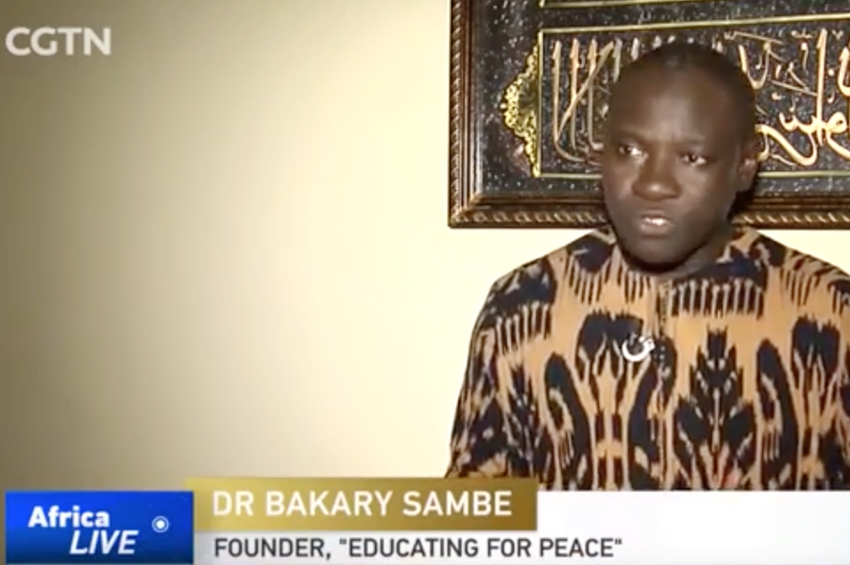
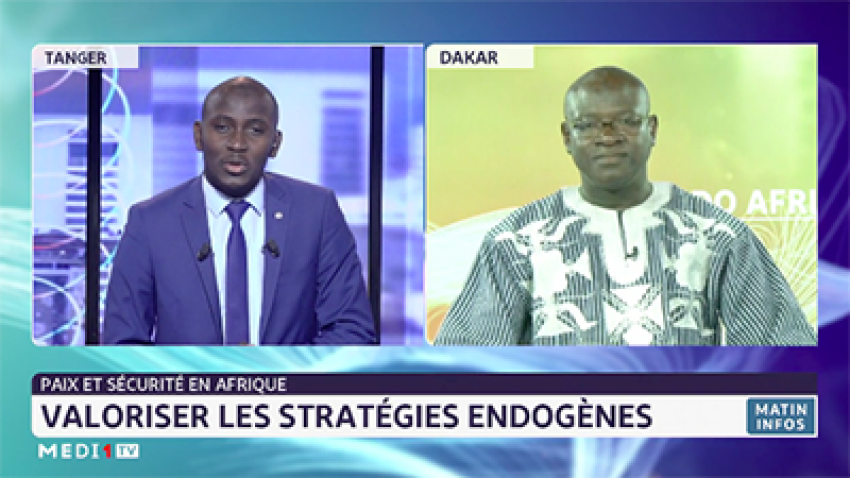
On the security front, the prevailing situation in Mali is a cause for concern for Senegal due to the shared border and trade relations between the two countries. For President Faye, “everything that affects Mali concerns us directly”, emphasising the historical ties between Dakar and Bamako. He also believes that Senegal must support Mali in its fight against terrorism. “We must strengthen cooperation with Bamako through the exchange of intelligence and joint patrols. ” He thus calls on all ECOWAS countries to take joint and coordinated action. The situation is already having repercussions on transport and trade in general. According to researcher Bakary Sambe, a holistic approach involving African countries directly or indirectly affected by the problem must be adopted in order to resolve the crisis. When questioned by a journalist from Dakaractu, the president of the Timbuktu Institute stated that “at the regional level, the approach proposed in Lomé is precisely what is needed: multilateral coordination involving the AU, ECOWAS, Algeria, Mauritania and neutral actors, or those perceived as such. And as regards external partnerships, we must be clear-sighted without being dogmatic.” As a reminder, on 18 April, Lomé hosted a high-level meeting with the foreign ministers of the Economic Community of West African States (ECOWAS), ECOWAS officials, partners and researchers, with a view to bringing positions closer together.
Sacré-Coeur 3 – BP 15177 CP 10700 Dakar Fann – SENEGAL.
+221 33 827 34 91 / +221 77 637 73 15
contact@timbuktu-institute.org