 French
 Arabic
 English
 Portuguese
 Spanish
 Swahili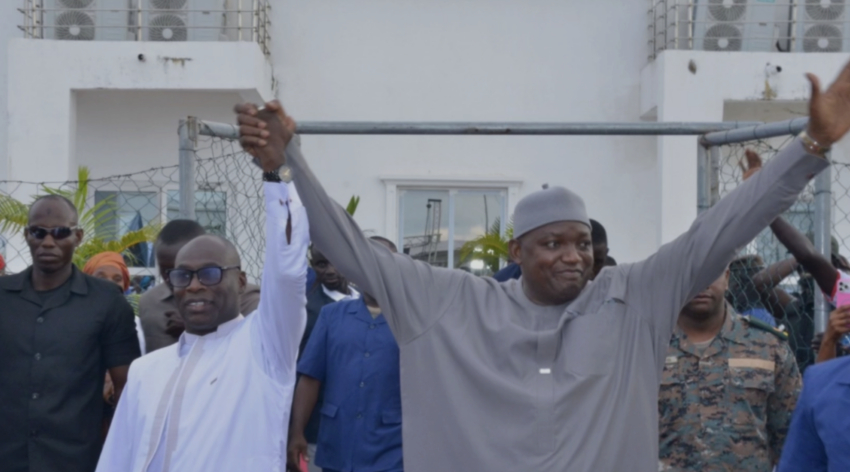


Sacré-Coeur 3 – BP 15177 CP 10700 Dakar Fann – SENEGAL.
+221 33 827 34 91 / +221 77 637 73 15
contact@timbuktu-institute.org

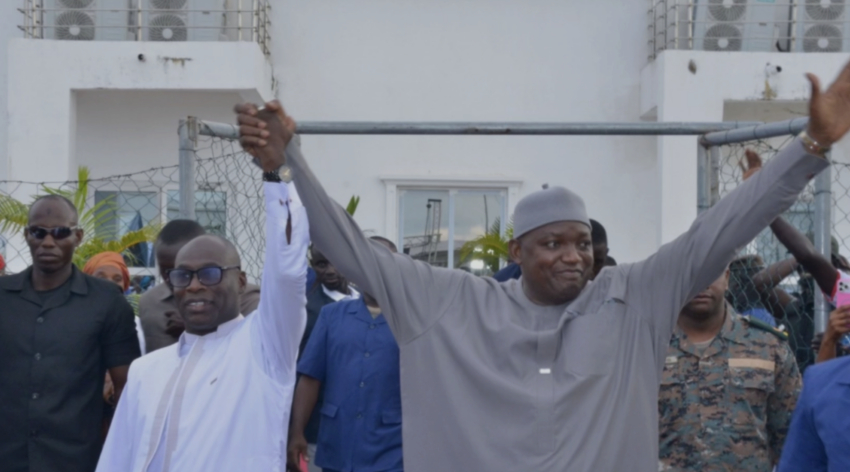
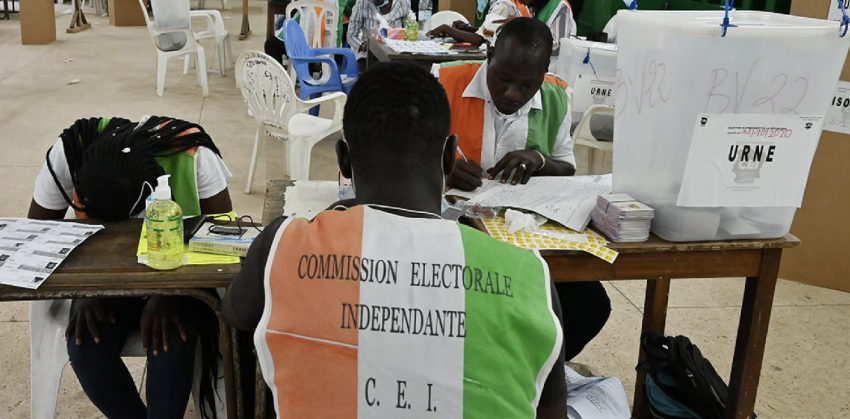 © Issouf SANOGO / AFP
Timbuktu Institute – Week 1 – May 2026
Download the full Sahel weather report
The week’s news was dominated by the dissolution of the Independent Electoral Commission, pending the establishment of a new system. This decision was announced on 6 March following a meeting of the Council of Ministers. Indeed, the commission in question was accused of breaching the principles of neutrality and impartiality. The opposition, for its part, was quick to voice reservations and make recommendations regarding the new body set to replace the CEI. For supporters of Tidjane Thiam, this is a “unilateral decision taken without consultation with the political class”, and they criticise the lack of transparency surrounding the structure. They are calling for dialogue with all political actors in order to “define the terms of the electoral system”, according to Soumaïla Bredoumy, the PDCI spokesperson.
The reform of the CEI reignites the debate on electoral transparency
In the same vein, the former First Lady of Côte d'Ivoire, Simone Gbagbo, calls for “an independent electoral body, a fair redrawing of electoral boundaries and a consensual revision of the electoral roll”. Meanwhile, the Pan-African Congress for Justice and Equality of Peoples (COJEP) welcomes the measure and sets out the path towards a “truly independent” electoral body. According to its members, this measure is an “implicit acknowledgement of the crisis of confidence that has surrounded the CEI for several years”. Supporters of Charles Blé Goudé believe that the country must establish an independent body to organise free and transparent elections and rectify the shortcomings of the old system.
Regional security: tensions along the Abidjan-Bamako axis are causing concern among economic stakeholders
On the security front, Malians living in Côte d’Ivoire have expressed concern over the continuing terrorist threat in Bamako. The latest attacks on 25 April have indeed heightened fears, particularly regarding the security of the Abidjan-Bamako route, a strategic road for both countries. Many lorry drivers are stranded due to the tense security situation. Nevertheless, the route remains passable, despite the adverse impact on trade. According to Diaby Ibrahim: “Arrangements have been made with the relevant authorities to ensure that issues concerning the operation of the Abidjan-Bamako corridor are resolved in advance, so as to avoid finding ourselves in unpleasant situations. In short, we are ensuring we are not caught off guard by unfortunate situations.” This clearly reflects a stated commitment to anticipate and coordinate actions with the relevant authorities in order to further secure the operation of the Abidjan-Bamako corridor and prevent any disruption that might affect the smooth flow of trade and the stability of economic activities.
The armed forces advocate for the promotion of female leadership based on merit
On a different note, Côte d’Ivoire celebrated the 5th edition of Women in the Military Day on 7 May. The Ivorian armed forces took this opportunity to reaffirm their commitment to equality. This year’s theme was ‘Law, discipline and merit: promoting equality within the armed forces’. Vice-Admiral N’Guessan Kouamé Célestin, Chief of Staff of the Navy, took part in the ceremony at the Locodjro naval base in the commune of Attécoubé and was keen to commend the choice of his institution. He also took the opportunity to highlight the low number of women in the ranks of the French Navy. It is therefore desirable to place greater emphasis on a policy of promoting women based on merit, in order to recognise the contribution of women to the armed forces in general.
Sacré-Coeur 3 – BP 15177 CP 10700 Dakar Fann – SENEGAL.
+221 33 827 34 91 / +221 77 637 73 15
contact@timbuktu-institute.org