 French
 Arabic
 English
 Portuguese
 Spanish
 Swahili



Sacré-Coeur 3 – BP 15177 CP 10700 Dakar Fann – SENEGAL.
+221 33 827 34 91 / +221 77 637 73 15
contact@timbuktu-institute.org

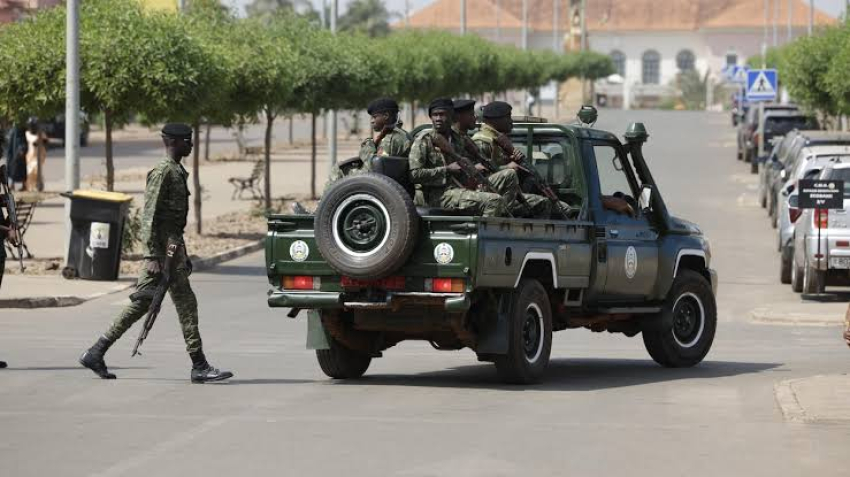
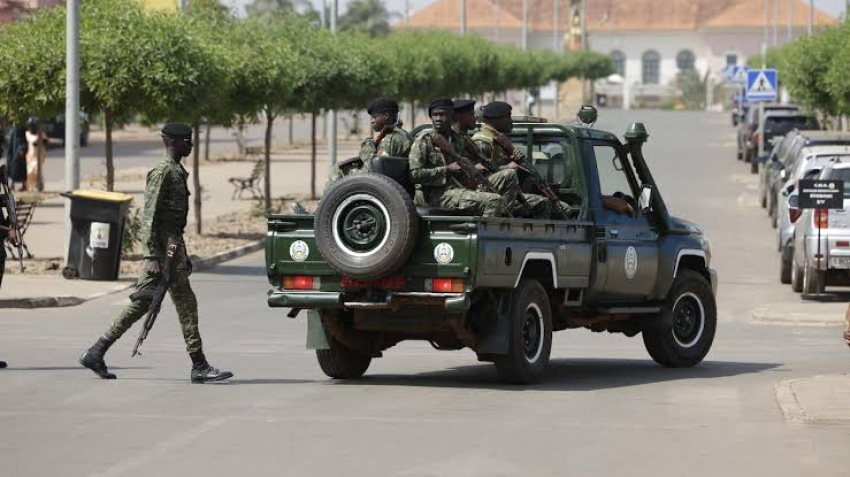
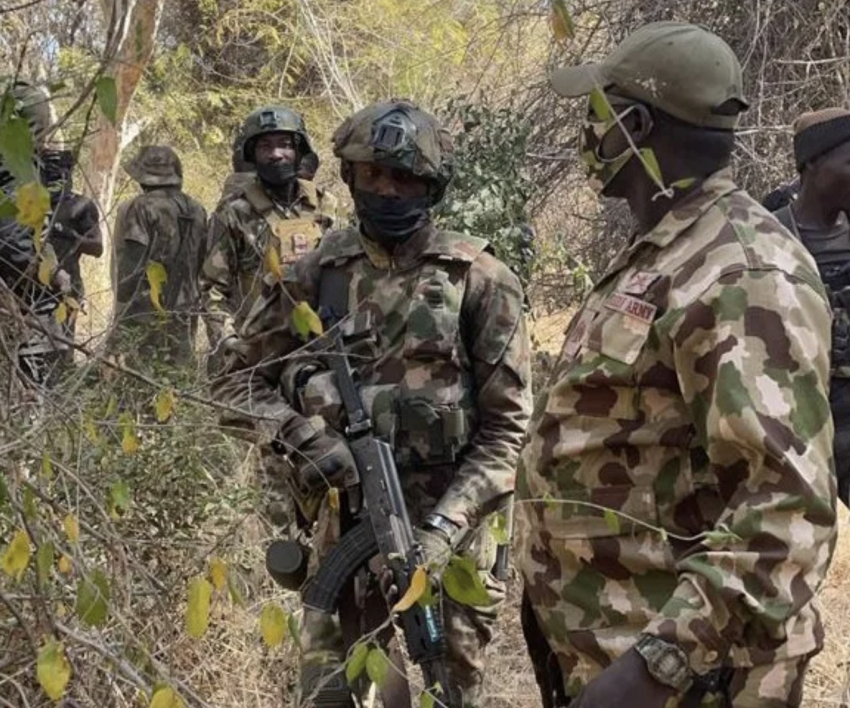 © Nigerian Military Troops
Timbuktu Institute Week 3 - June 2026
In Nigeria, the resurgence of attacks by terrorist and armed groups may have, for a time, given the impression that the Nigerian armed forces were on the defensive. Although terrorist and armed groups continue to exert some pressure, Abuja’s counteroffensive over the past several weeks has demonstrated great resolve, as evidenced by a number of successful operations. On June 19, the Nigerian army announced that it had repelled an attack carried out by fighters from the Islamic State in West Africa (ISWAP) in the Buratai area (Borno State) in the northeast of the country. The operation, conducted as part of Operation Hadin Kai, targeted military positions along the Dusten Kura and Chara routes. Nigerian forces claim to have neutralized the attackers through a combined ground and air response, without suffering any casualties of their own. This offensive comes amid intensified security operations in the Lake Chad Basin, marked by strengthened cooperation between Abuja and Washington. In recent months, joint U.S.-Nigerian airstrikes have targeted several jihadist positions in northeastern Nigeria, contributing in particular to the neutralization of several high-ranking leaders of the Islamic State. Despite these operations, the armed groups appear to demonstrate considerable resilience, particularly thanks to rapid succession mechanisms within their structures.
Furthermore, on June 16, authorities in Borno State announced the reintegration of approximately 10,000 former Boko Haram fighters as part of a government deradicalization and reintegration program. This initiative aims to encourage defections from insurgent groups and to permanently weaken the jihadist organizations active in the Lake Chad Basin region. According to local authorities, this figure includes 720 former fighters who recently graduated from a reintegration center in Maiduguri, bringing the total to 9,680 people officially reintegrated. The program is part of a broader strategy by Nigerian authorities combining military pressure and social reintegration to curb the insurgency, which has been raging for more than a decade in the country’s northeast. Despite these efforts, armed factions of Boko Haram and ISWAP continue to carry out sporadic attacks in the region.
The UN Downplays “Genocide” Allegations
In the center of the country, intercommunal violence between Fulani herders and sedentary Christian farmers has, for several years now, led to claims of “Christian genocide.” Beyond the fact that Abuja rejects this term, many analysts have also highlighted the fragile and biased nature of such a claim, emphasizing that the violence stems primarily from complex dynamics involving armed conflicts, social rivalries, and widespread insecurity rather than systematic religious persecution. However, during a press conference held on June 19 in Abuja following a two-week mission to the country, the UN Special Rapporteur on freedom of religion, Nazila Ghanea, stated that the rise in violence and the impunity enjoyed by armed groups in Nigeria are likely to fuel perceptions of religious persecution. According to the expert, no evidence of a state policy aimed at destroying a religious community had been found, as the violence affects both Christians and Muslims in a context involving a mix of jihadist insurgency, banditry, and conflicts between farmers and herders. However, while fundamental rights are guaranteed by the Constitution, she noted, the fact remains that their enforcement remains fragile within a fragmented legal and political system. While affirming that Nigeria has the human and institutional resources necessary to make progress on this issue, the UN expert acknowledged that “there is still a long way to go.”
Sacré-Coeur 3 – BP 15177 CP 10700 Dakar Fann – SENEGAL.
+221 33 827 34 91 / +221 77 637 73 15
contact@timbuktu-institute.org