 French
 Arabic
 English
 Portuguese
 Spanish
 Swahili



Sacré-Coeur 3 – BP 15177 CP 10700 Dakar Fann – SENEGAL.
+221 33 827 34 91 / +221 77 637 73 15
contact@timbuktu-institute.org

 © TDR
© TDR
Timbuktu Institute - Week 3 September 2026
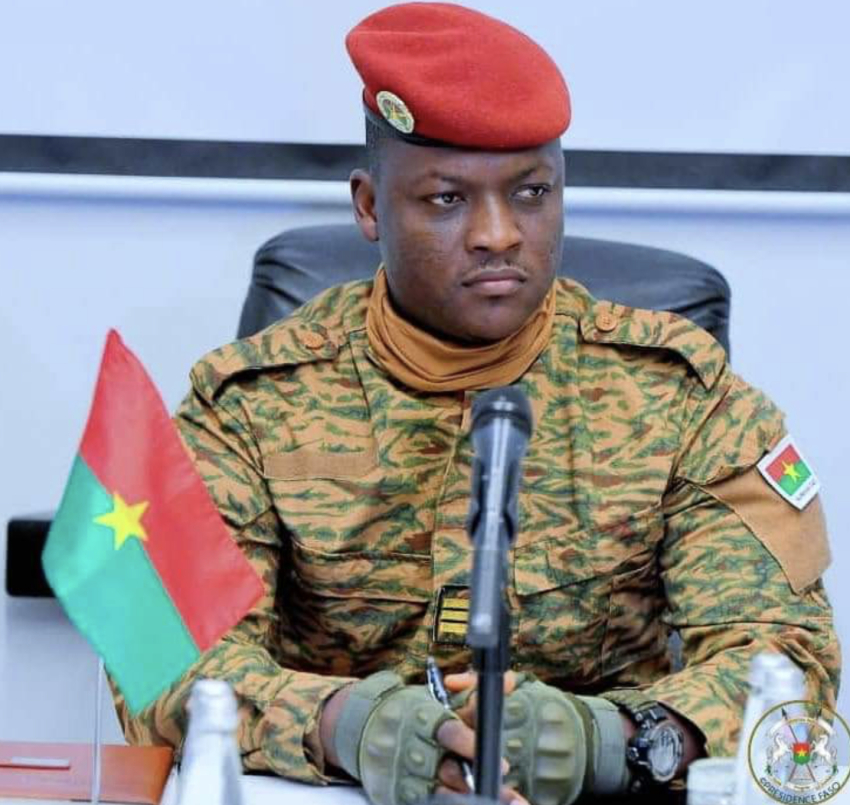
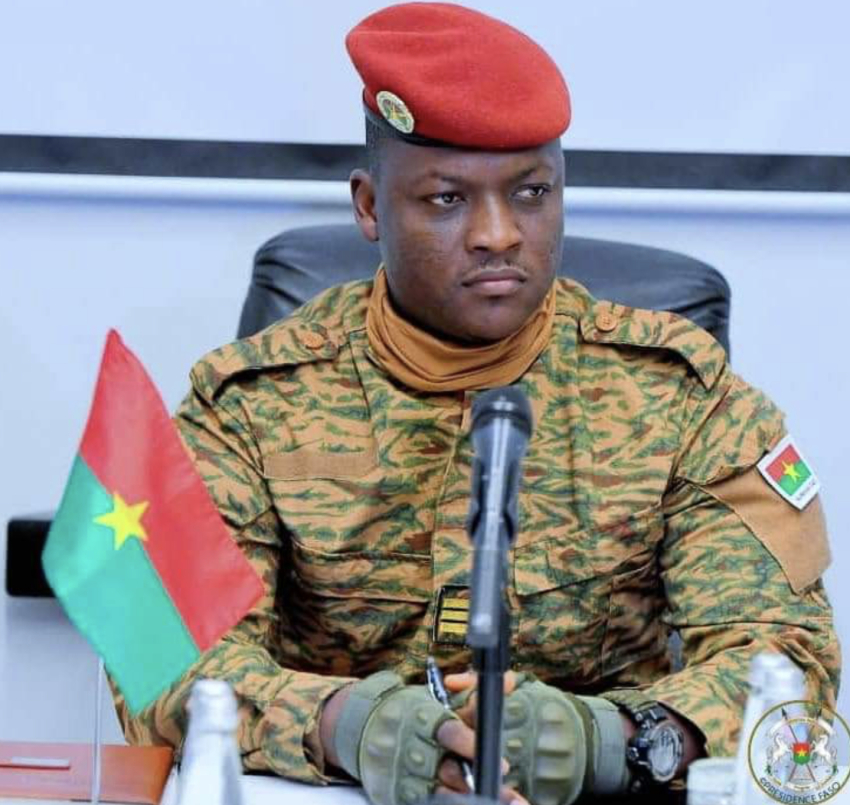
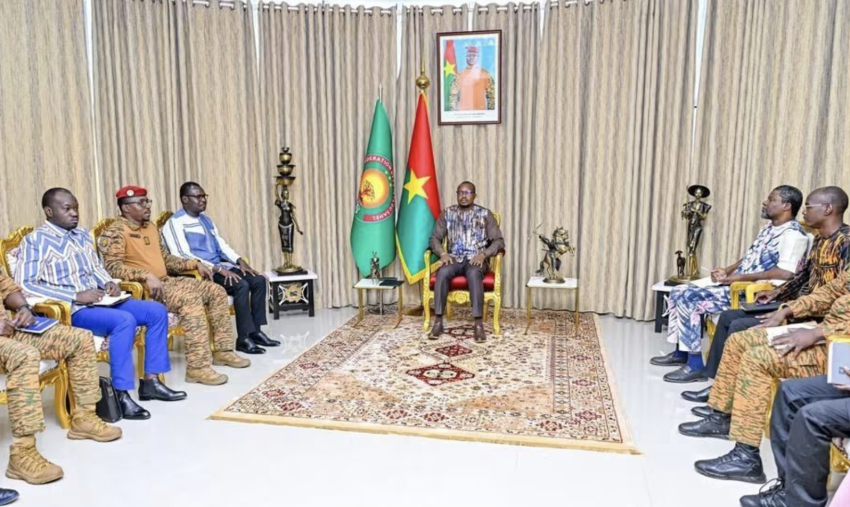
In Burkina Faso, the fourth anniversary of Captain Traoré’s accession to the highest office is being prepared with great pomp. This time, it will take the form of the grand “Night of the Popular Progressive Revolution” scheduled for 30 September.
Four years in power, between revolutionary celebration, sovereigntist narrative and persistent challenges
The announcement was made by the government through its head, Rimtalba Jean Emmanuel Ouédraogo, who presents the event as a “moment of popular communion” to celebrate achievements and reaffirm the country’s attachment to its sovereignty. It is also an intense moment of government communication on the results achieved on the ground, particularly in terms of security, culture and defence. Even though the State claims to control more than 74% of the territory, sources believe that terrorist groups continue to lay claim to parts of the country, particularly in the north. In this context, several questions arise: can people move freely? Do they have access to social services? Is the judiciary independent? Are freedoms guaranteed? Nevertheless, the event will give IB’s supporters an opportunity to present the regime’s “successes” in several fields. According to the Minister of Communication, “we want that wherever there are Burkinabè, wherever there are Africans who believe in the revolutionary ideal championed by Comrade Captain Ibrahim Traoré, the friends of Burkina Faso gather so that, as good watchmen and guardians of the revolution, we can take part in this night, which will run from 6 p.m. to 2 a.m.”. A way for the authorities to extend their fight against “imperialism” to other Africans.
The “Nanga” armoured vehicles, between military sovereignty and the challenge of strategic autonomy
At the same time, the Burkinabè armed forces took delivery of their first batch of locally produced armouredvehicles, called “Nanga”. Following the production of locally made uniforms, as announced last week, this step aims to further reduce dependence on foreign suppliers in a context of war. What about the maintenance and supply of this equipment? In any case, it is a major challenge for the authorities, who have made sovereignty their hobbyhorse throughout their mandate.
AES: borders as spaces of governance in the face of security challenges
Furthermore, within the AES, the countries are working to establish a common framework for cross-border cooperation to better address the terrorist threat. The framework is indeed intended to improve security, mobility and exchanges between the three countries. It will involve sharing intelligence, jointly monitoring common borders, and above all combating cross-border crime. For the Minister of State for Territorial Administration and Mobility, Émile Zerbo, this is a coordination initiative between border territories that “will now give governors of border regions a formal space for exchange, coordination and pooling”. His Nigerien and Malian counterparts, on the same wavelength, stress the need to create “spaces of life and exchange” in view of the ties between peoples. These States seem increasingly to understand that borders are spaces of governance in the face of current security challenges. However, the initiative would benefit from the involvement of the authorities, the defence and security forces, and communities.
Sacré-Coeur 3 – BP 15177 CP 10700 Dakar Fann – SENEGAL.
+221 33 827 34 91 / +221 77 637 73 15
contact@timbuktu-institute.org