 French
 Arabic
 English
 Portuguese
 Spanish
 Swahili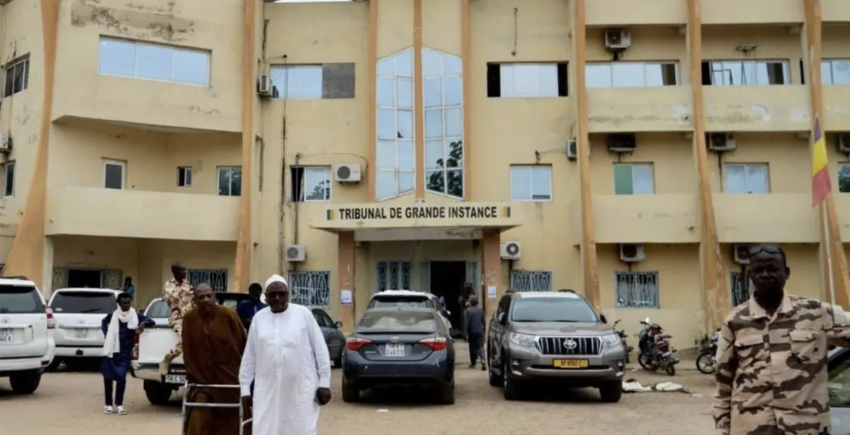


Sacré-Coeur 3 – BP 15177 CP 10700 Dakar Fann – SENEGAL.
+221 33 827 34 91 / +221 77 637 73 15
contact@timbuktu-institute.org

 © Nadia Ben Mahfoudh/RFI
Timbuktu Institute - Week 4 September 2026
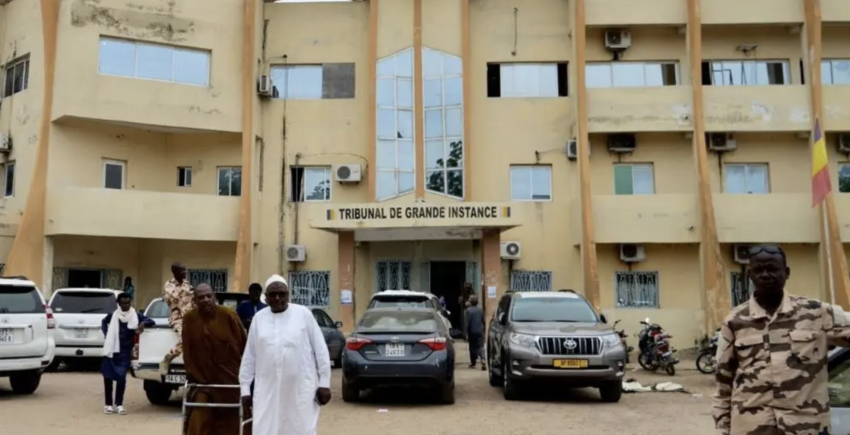
Five children in military uniform facing a camera, challenging the head of state on the country’s governance, water and electricity shortages, access to healthcare, relations with the United Arab Emirates and the repression of opponents: the video, widely shared on social media, was enough to trigger a judicial response. Taken in by the judicial police, the five minors were questioned in the presence of their parents, while the N’Djamena prosecutor’s office stated on 23 September that some of their remarks could “incite rebellion against the institutions”. Prosecutor Moussa Abdelkerim Saleh also recalled that their status as minors afforded them special protection, without however ruling out any form of responsibility. The prosecutor’s office has since opened an investigation to determine whether adults organised, encouraged or “manipulated” the teenagers, while insisting on respect for their presumption of innocence, their anonymity and their dignity. For the judicial authorities, social media “is not a lawless zone”.
However, the case has, to say the least, provoked strong reactions within civil society. For Mahamat Nour Ibedou, secretary-general of the CTDDH (Chadian Convention for the Defence of Human Rights), it reflects “the degree to which public space is locked down” and amounts to a “disproportionate” measure. One month after receiving a presidential pardon, opposition figure Max Kemkoye also denounced what he considers an “instrumentalisation” of the justice system. The spokesperson for the former GCAP and president of the UDP, who had been sentenced along with seven other leaders of the movement to eight years in prison before being pardoned, believes that the absence of an independent judiciary constitutes “a danger to the Republic”. Among those he considers unjustly detained, he cites the Mandakao deportees, religious figures and civil servants. The eight GCAP leaders had been convicted of criminal conspiracy, insurrectionary movement, rebellion and illegal possession of weapons of war.
The Bet on Alliances
This series of cases thus puts the judicial question back at the centre of debates on Chadian public life. On one side, the authorities insist on the need to preserve public order and to counter possible manipulation of minors for political ends; on the other, civil society and opposition actors see these proceedings as a sign of an ever-narrowing space for dissent. In this respect, the case of the five teenagers stands out for its symbolic dimension, notably because of the young age of those involved.
At the same time, the Chadian authorities continue to reorganise some of their external relays. On 21 September, Ahmed Kogri was appointed Minister of State, Minister of Foreign Affairs. A former director of the National Security Agency and until then diplomatic adviser to the presidency, he thus returns to the forefront with a profile marked by his ties to American, Israeli and above all French intelligence services. His appointment comes as N’Djamena seeks to further normalise its relations with Paris and redefine its external partnerships. It also allows Mahamat Idriss Déby Itno to settle the dispute between his predecessor, Abdoulaye Sabre Fadoul, and Finance Minister Tahir Hamid Nguilin. According to sources familiar with the matter, the president is “killing two birds with one stone” by strengthening Nguilin while bringing Kogri back to the forefront, which also constitutes “a message to the Gorane community but also to the French”.
Paris–N’Djamena: Business Time Regained
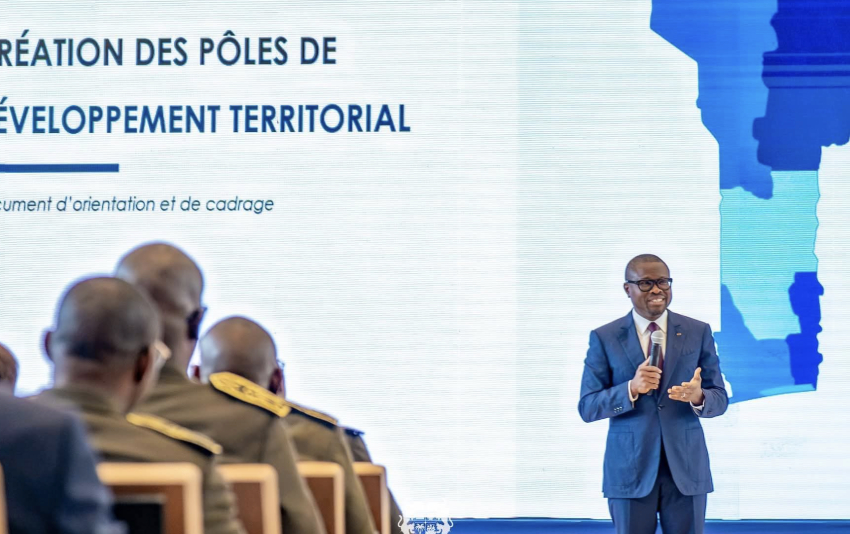
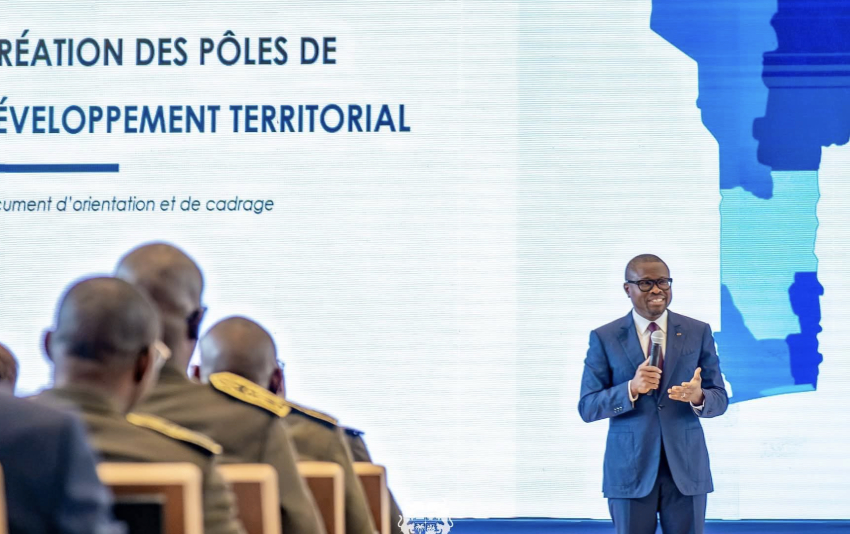
The choice of Kogri therefore takes on even greater significance given that the two men were due to meet in Paris on 25 September at the France–Chad Business Forum. Co-organised with MEDEF International, the meeting aims to bring together French and Chadian companies, investors and financial partners around the priority projects of the national plan “Chad Connexion 2030”. Launched in mid-2025, it is the stated roadmap for the country’s economic transformation and provides for around 30 billion dollars in public and private investment by 2030. The government notably aims to increase national GDP by 60% and lift 2.5 million people out of poverty. Agriculture, infrastructure, agro-industry, energy, transport, communications and mining are among the targeted sectors. The challenge for N’Djamena is now to match the identified projects with the financing, expertise and partners capable of carrying them out. For French employers, the forum also reflects a desire to strengthen partnerships with emerging French-speaking markets, in an environment where competition for access to African resources and markets is intensifying. For several months now, relations between N’Djamena and Paris have been going well. Nevertheless, even if it proves somewhat more discreet than in the past, this cooperation is continuing, now driven by economic interests and exchanges that are gradually regaining their place.
Sacré-Coeur 3 – BP 15177 CP 10700 Dakar Fann – SENEGAL.
+221 33 827 34 91 / +221 77 637 73 15
contact@timbuktu-institute.org