 French
 Arabic
 English
 Portuguese
 Spanish
 Swahili

Sacré-Coeur 3 – BP 15177 CP 10700 Dakar Fann – SENEGAL.
+221 33 827 34 91 / +221 77 637 73 15
contact@timbuktu-institute.org

 © TDR
Timbuktu Institute October 2026 - Week 1
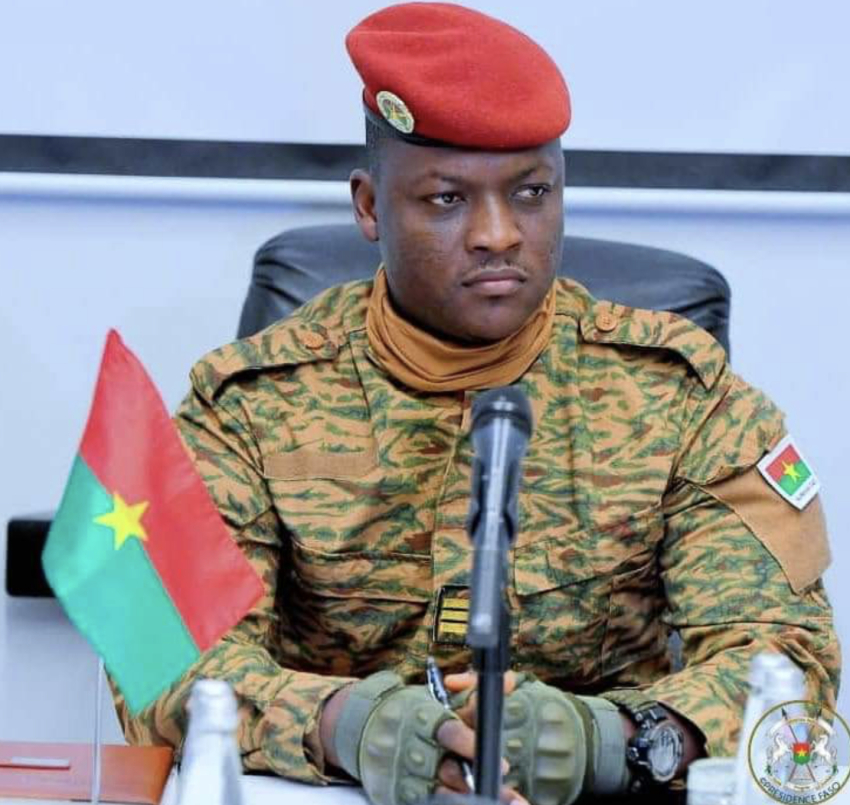
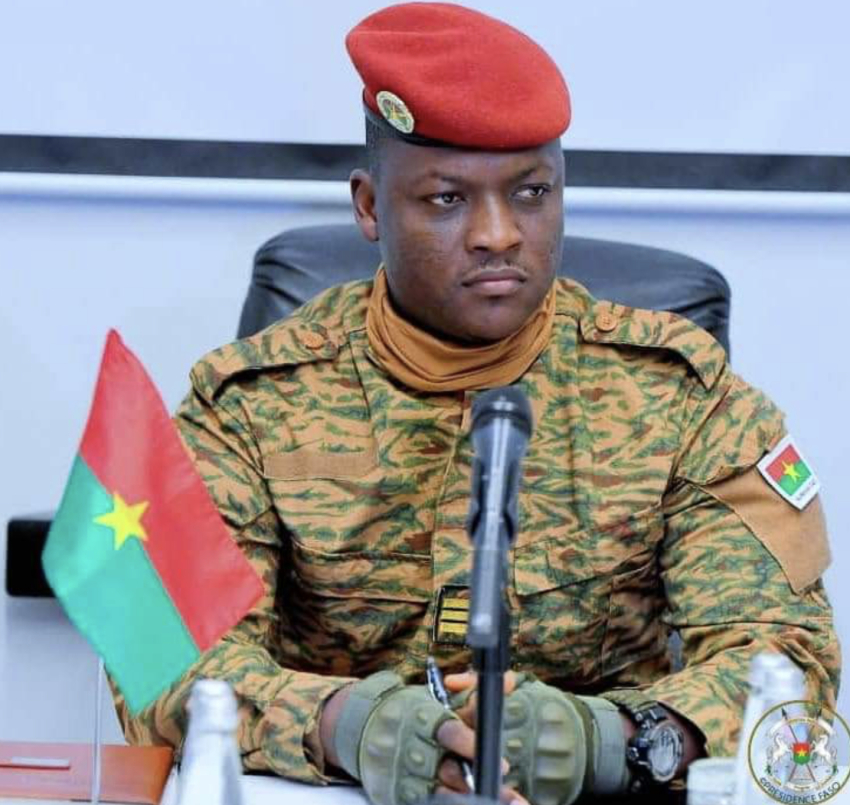
In Burkina Faso, the fourth anniversary of Captain Traoré’s rise to power was celebrated with great pomp by the nation. The “Night of the Popular Progressive Revolution” brought together thousands of residents on 30 September on the Place de la Résistance in Ouagadougou. Under the slogan “The people watch over the revolution”, the participants glorified the action of their leader, the man of 30 September 2022, throughout the festive evening. As a reminder, the current authorities took power in a particularly tense security context.
Between a claimed security record…
Over these years in power, they claim military successes, notably the recapture of a large part of the territory. For Prime Minister Rimtalba Jean Emmanuel Ouédraogo, “all these victories on the development front, in health, education, infrastructure, industry, food security, and so on – I am surely forgetting some. You can be proud of all these victories. Because if we have achieved all this, it is thanks to the commitment and the awakening of an entire people behind its visionary leader.” Nevertheless, civil society and international organisations point to restrictions on freedoms. In this regard, Burkinabe journalist Issouf Ouédraogo believes that this record “does not erase the current government’s difficulty in resolving crucial issues relating to the fight against corruption, freedom of expression and human rights violations”. For many observers, while major progress has indeed been made in terms of security and patriotic momentum, human rights must still be better guaranteed, particularly for politicians and journalists.
… and a civic space seen as shrinking
The record is therefore mixed. Civic space is shrinking ever further. In this regard, the Anti-Putschist Front has drawn up a list of 86 people “detained or abducted” since 2022. For them, “this is widespread repression. In practice, it is forbidden to have an opinion under this regime,” confirms one of the authors of the list, who wishes to remain anonymous. “Imagine that, for some, it was a simple comment on Facebook or WhatsApp that led to their abduction! The tragedy in this affair is that, as they have become widespread, these abductions and detentions have become commonplace…” The document entitled “Ibrahim Traoré’s disappeared” was published to shed light on, but also and above all to “denounce the authoritarianism of the junta in power in Ouagadougou and honour the memory of those who have been victims of its repression”. These accusations were brushed aside by the authorities, who continue to tout their economic and military successes.
Financial sovereignty in support of the war effort
Still in the context of the fight against terrorism, tangible results have been achieved on the ground. According to the Ministry of Economy, the Patriotic Support Fund mobilised more than 250 million CFA francs in just 9 months. The authorities published these encouraging figures for the period from 1 January to 29 September. It should be noted that this fund, created in 2023 to finance the fight against terrorism and the strengthening of national defence, is made up of, among other things, levies and taxes, levies on imported products, compulsory deductions from civil servants’ salaries, and levies on telephony and television, in order to ensure financial sovereignty. This is a Burkinabe strategy aimed at self-financing a large part of the country’s security. The supervising minister, Aboubakar Nacanabo, thanked the “valiant Burkinabe people” for all the efforts made. The fund mobilises citizens around the war in order to finance the army’s equipment and supplies.
The rise of a more specialised army in the face of the terrorist threat
Along the same lines, the authorities are stepping up the resources deployed in the fight against armed groups. On 30 September, 136 new specialist officers, trained in 29 different fields, joined the Burkinabe Armed Forces to strengthen their ranks. Graduates of the 16th class of the Georges-Namoano Military Academy, they will strengthen human and operational capacities against the insecurity that has affected the country for several years. The Chief of General Staff of the Armed Forces, Major General Moussa Diallo, who presided over the ceremony, congratulated the graduates and urged them to “remain committed to the values of honour, discipline and loyalty”. The Burkinabe authorities seem to understand that this war against terrorism requires specialists in every field: intelligence, cybersecurity, medicine, technology, and so on. Building an increasingly specialised army meets a security imperative.
Burkinabe gold: from extraction to processing, the new frontier of economic sovereignty
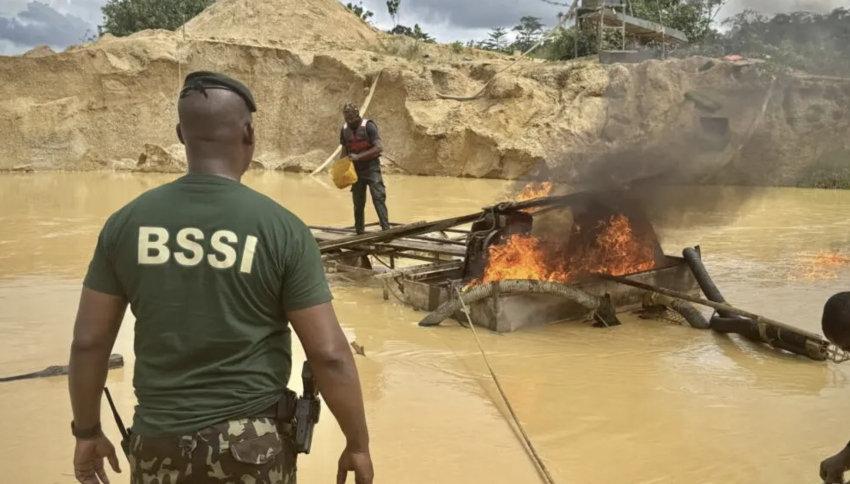
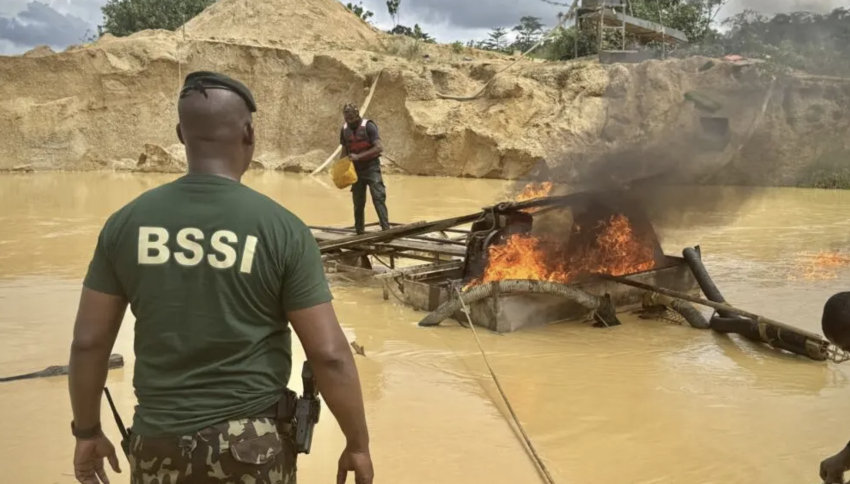
Mining sovereignty also made the news. The authorities are more determined than ever to ensure that gold returns to the people who own it. On 28 September, Captain Traoré announced a new stage in the nationalisation of the precious metal in Burkina Faso. At the inauguration of RAFFINOR-BF, the country’s first gold refinery, he declared that “from now on, Burkina Faso’s gold must not only be extracted in the country, it must also be processed, controlled, valorised and certified”. This is a notable step forward that requires not only political courage, but also enormous material, human and financial resources, as well as strategic partnerships. For the leader of the transition, gold must contribute to the country’s economic and social development by creating wealth and jobs. The authorities have understood that processing their resources elsewhere reduced their room for manoeuvre and slowed their progress towards sovereignty. Nationalisation also makes it possible to improve traceability and develop the country’s industrial skills. The initiative required an investment of CFA 11 billion, financed by the State through the National Company for Precious Substances of Burkina Faso (SONASP) and private partners. It already has a foundry, an analysis laboratory, a secure storage area and a jewellery unit. The remaining challenges are artisanal mining, which needs to be better regulated, as well as cross-border flows and the presence of armed groups in some mines.
Sacré-Coeur 3 – BP 15177 CP 10700 Dakar Fann – SENEGAL.
+221 33 827 34 91 / +221 77 637 73 15
contact@timbuktu-institute.org