 French
 Arabic
 English
 Portuguese
 Spanish
 Swahili


Sacré-Coeur 3 – BP 15177 CP 10700 Dakar Fann – SENEGAL.
+221 33 827 34 91 / +221 77 637 73 15
contact@timbuktu-institute.org

 © Fanny Noaro-Kabre / RFI
Timbuktu Institute October 2026 - Week 1
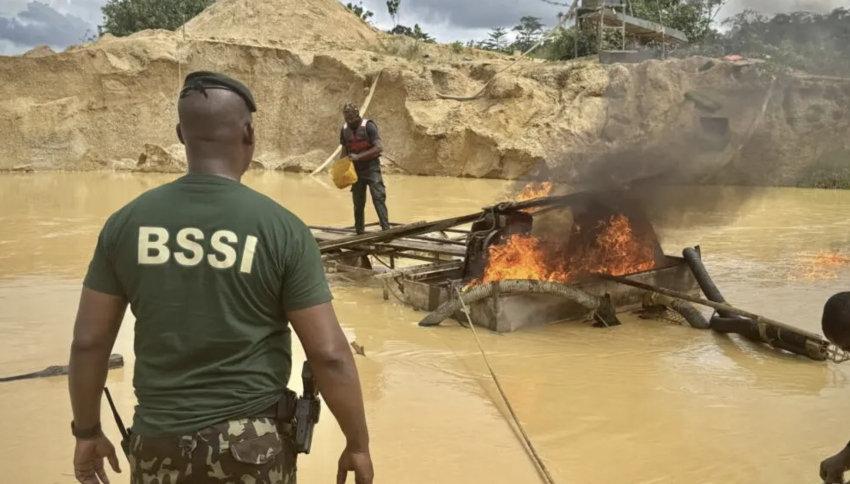
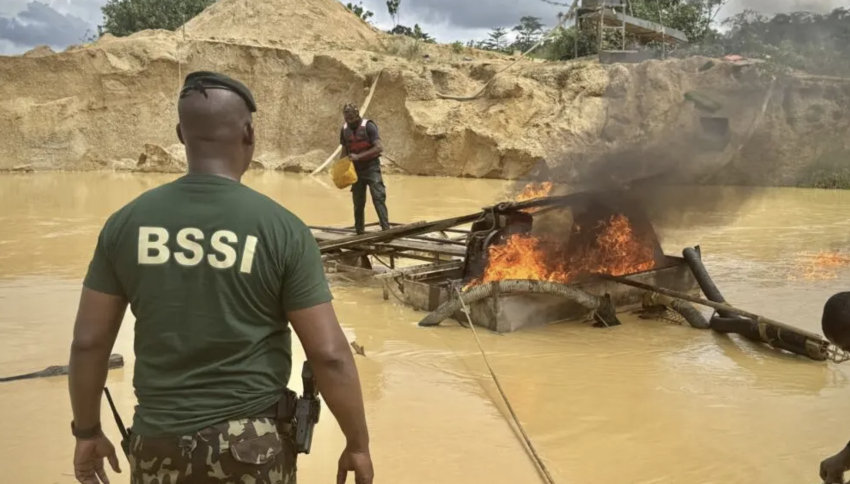
Gold panning remains one of the main issues in the country’s news. This time, there has been a decisive shift: the phenomenon is now considered a matter of national security. For the authorities, it is no longer just an economic offence but a national security issue. For Fidèle Sarassoro, Executive Secretary of the National Security Council, the fight against illegal gold mining is “a national security requirement”. Operations to dismantle clandestine sites are therefore continuing, and the State remains determined to eradicate them within six months.
Illegal gold mining raised to a national security issue
For Defence Minister Téné Birahima Ouattara, “the State of Côte d’Ivoire is determined to eradicate illegal gold mining throughout the national territory. Given the scale of this phenomenon, the Ivorian State is adopting a firm stance. This must be done in strict compliance with the law and the rights of the population.” He thus called on everyone to take responsibility in the face of this scourge, which is eating away at the economy and the environment. To this end, the security forces were provided with hundreds of vehicles on 30 September so that they can “conduct operations on land and on water”, “by day and by night”. Added to this is the toughening of penalties, notably through higher fines and longer prison sentences. As a reminder, the Special Group to Combat Illegal Gold Mining was created in 2021 with the aim of eradicating this phenomenon.
Côte d’Ivoire: open closeness with Conakry, cautious thaw with the Sahel
On the diplomatic front, Alassane Ouattara sent Robert Beugré Mambé to Guinea’s national day celebrations. The authorities issued a solemn appeal to Ivorian nationals to give their guest a warm welcome. A note published by the Embassy of Côte d’Ivoire in Guinea reads: “The Embassy invites all Ivorians in Conakry to turn out to give the Prime Minister a warm welcome on Friday 2 October 2026, from 7 a.m., at Ahmed Sékou Touré International Airport in Conakry.” The two countries have indeed enjoyed good diplomatic relations for several decades. This visit is likely to strengthen these historic ties of cooperation between Abidjan and Conakry. At every opportunity, General Mamadi Doumbouya presents Ouattara as his big brother, which reflects the strength of their relationship. As a reminder, a few weeks ago the Guinean president was at his Ivorian counterpart’s side for a working visit.
A diplomatic thaw tested by security and political differences
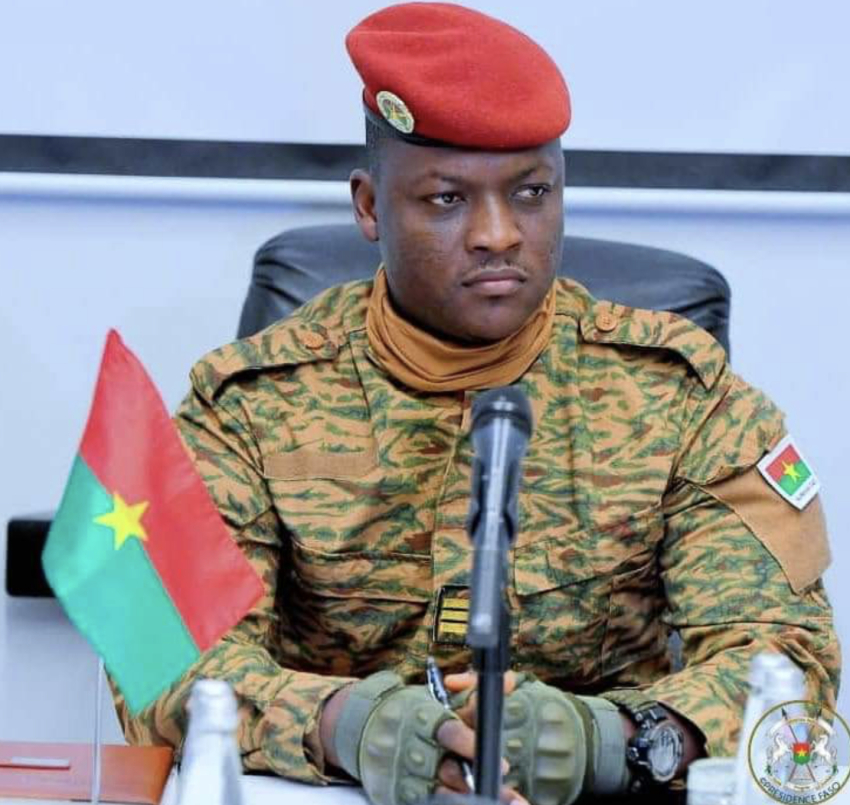
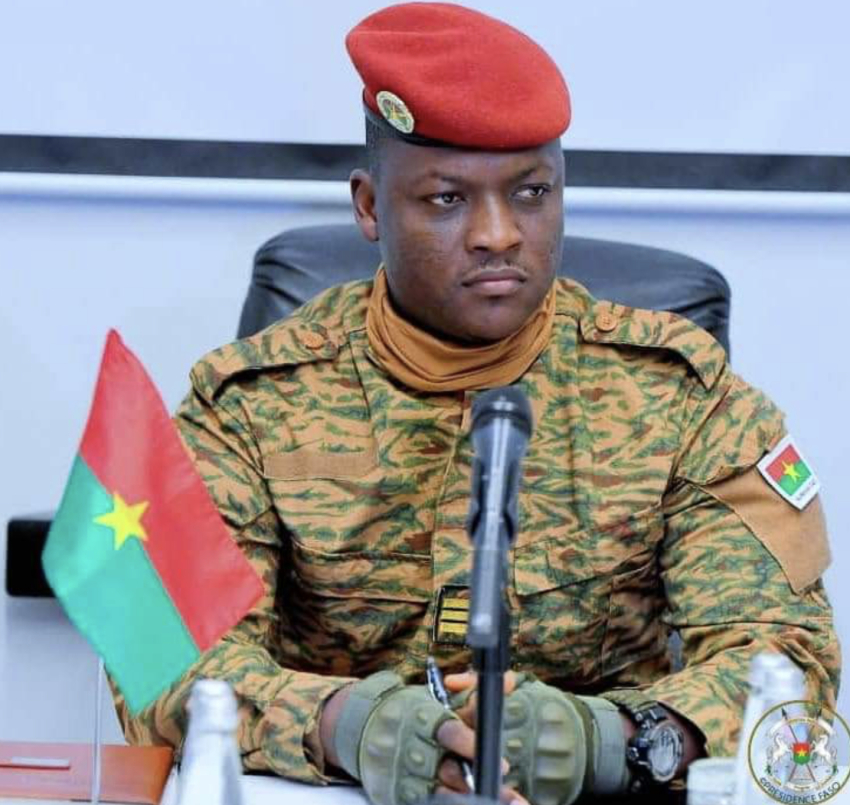
In addition, relations between Côte d’Ivoire and the Sahel were in the spotlight. In recent years, relations were far from good; they were marked by a climate of suspicion and recurring accusations of infiltration made by States such as Burkina Faso against Côte d’Ivoire. For some time now, however, a thaw seems to be under way. According to Jeune Afrique, their relations have recently strengthened, notably to develop cooperation and exchanges. This “détente” between Côte d’Ivoire and the AES above all reflects a pragmatism dictated by the need to contain cross-border security risks, without erasing political and strategic differences. It should be stressed that these countries are collectively weakened by growing insecurity. They would benefit from working together to better confront the terrorist threat. This rapprochement is therefore likely to reduce tensions in the short term, but its consolidation will depend on the actors’ ability to establish confidence-building mechanisms, notably on border security, economic cooperation and relations with regional organisations.
Sacré-Coeur 3 – BP 15177 CP 10700 Dakar Fann – SENEGAL.
+221 33 827 34 91 / +221 77 637 73 15
contact@timbuktu-institute.org