 French
 Arabic
 English
 Portuguese
 Spanish
 Swahili

Sacré-Coeur 3 – BP 15177 CP 10700 Dakar Fann – SENEGAL.
+221 33 827 34 91 / +221 77 637 73 15
contact@timbuktu-institute.org
 © Euawareness
Source : SunuGox
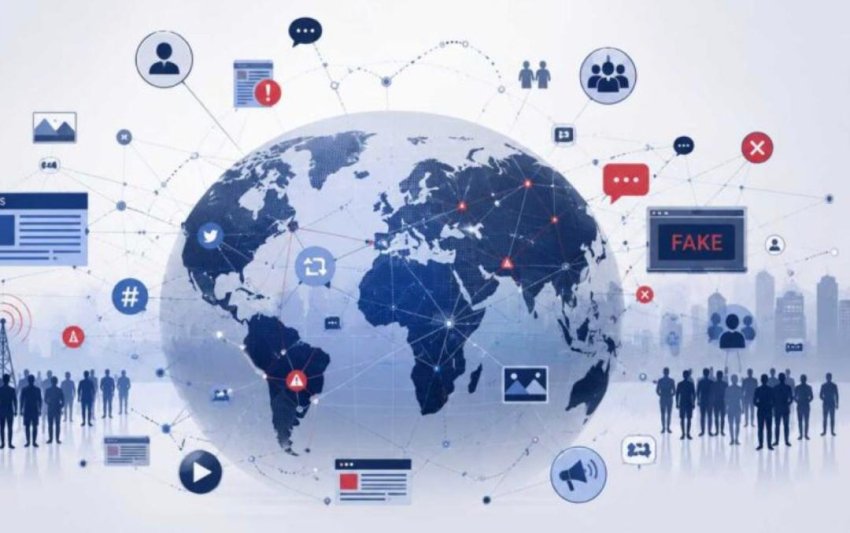
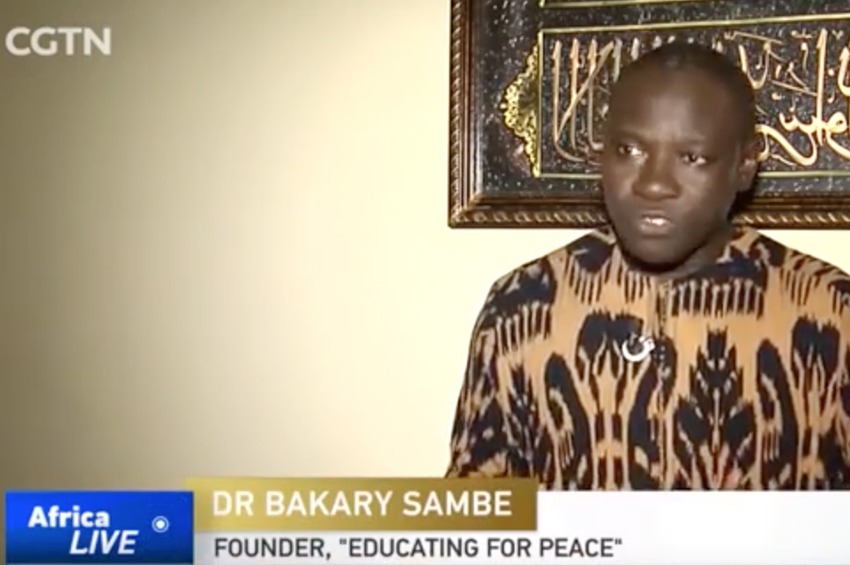
Disinformation poses a growing threat to democracy, stability and security, in Africa as well as in Europe. This was the main conclusion of the seminar held on Friday, 23 October 2026 in Dakar by the Timbuktu Institute, in partnership with the Embassy of Poland, as part of the scientific activities marking the Institute’s 10th anniversary. Chairing the meeting, Bakary Sambe, Director and President of the Timbuktu Institute, stressed the urgent need for a collective response to the proliferation of information manipulation.
The seminar notably served as the setting for the presentation of a Timbuktu Institute’s joint report produced with the Institute of Political Studies of the Polish Academy of Sciences. This cross-cutting study examines the manifestations of disinformation in European societies and its consequences for peace and security in the Sahel.
Beyond false information spread on social media, the phenomenon is now taking on a worrying technological dimension. “Disinformation is no longer just the work of a few militants, activists or covert outfits; it has become widespread,” said Bakary Sambe.
In this regard, he highlighted the use of generative artificial intelligence by jihadist groups, particularly in their propaganda and recruitment strategies.
According to him, these technologies make it easier to produce edited videos, to dub messages into several African languages and to target new recruits. This development makes it even harder for states to anticipate security threats.
In response, the President of the Timbuktu Institute called for an approach based on media literacy, awareness-raising among young people and the fight against digital illiteracy. He also recommended technological cooperation between Africa and Europe, notably through mechanisms such as Viginum, while stressing the need to adapt these tools to the linguistic and socio-political realities of the Sahel.
Restoring the credibility of democratic discourse
Bakary Sambe also sought to debunk the notion that African populations reject democracy. He pointed out that studies show 60 to 70% of West Africans consider it the ideal form of governance.
“The problem lies not with democracy, but with the credibility of those who carry the democratic message,” he argued. In his view, the inconsistencies of international partners and the perceived injustices in the workings of the international system help to undermine citizens’ trust in democratic values.
He therefore believes that the young Africans who today support new leaders are the same ones who mobilised yesterday to defend democracy. The challenge is thus to restore trust and to ensure greater consistency between the democratic principles being upheld and the practices of those who champion them.
Ultimately, the meeting highlighted the need for joint mobilisation by states, the media, researchers and civil society. In a constantly evolving digital environment, the fight against disinformation now appears to be an essential condition for preserving democracy, peace and stability in the Sahel and in Europe alike.
Sacré-Coeur 3 – BP 15177 CP 10700 Dakar Fann – SENEGAL.
+221 33 827 34 91 / +221 77 637 73 15
contact@timbuktu-institute.org