 French
 Arabic
 English
 Portuguese
 Spanish
 Swahili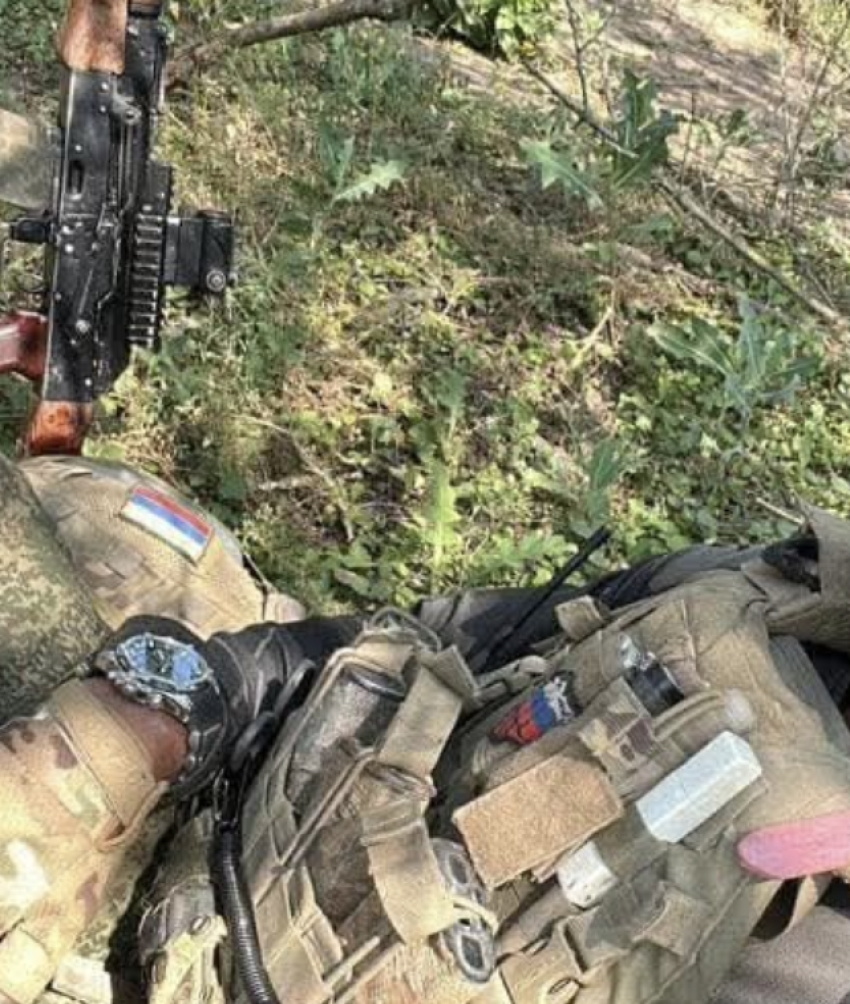






Sacré-Coeur 3 – BP 15177 CP 10700 Dakar Fann – SENEGAL.
+221 33 827 34 91 / +221 77 637 73 15
contact@timbuktu-institute.org


Timbuktu Institute Week 1, September 2026
News in Burkina Faso has been heavily marked by the presence of armed groups and their ability to destabilize the country and its economy. Indeed, mining areas are increasingly becoming their target, as they offer numerous opportunities. Communities near these sites are thus stormed by these groups seeking revenue and manpower to carry out their attacks.
Mining areas and economic corridors: the new challenges of counterterrorism in Burkina Faso
Terrorist groups want greater logistical means to strengthen their ranks and military capabilities. ACLED data is alarming: three-quarters of violent events occur in Burkina Faso, and a significant share of them take place near mining areas. According to Lucia Bird Ruiz Benitez de Lugo, Director of the West Africa Observatory at the GI-TOC, “the way JNIM and ISWAP benefit from the mining sector is indirect. People have to extract first.” It should be noted that mines are not only strategic sites liable to be attacked. They are, above all, an important source of funding for armed groups' activities. These sites are also meeting points for various economic actors who deserve protection. It is therefore essential to stress the pressing need to secure populations in areas surrounding these sites, as well as the economic corridors, for more effective counterterrorism.
Burkina Faso: the pre-trial detention of Lionel Bilgo and the stakes of the transition
In a different vein, the pre-trial detention of Lionel Bilgo, former Minister of Communication under Damiba, has made headlines in Ouagadougou in recent days. This action comes amid what appears to be a “witch hunt” targeting former leaders. Indeed, former ministers, senior administration officials and heads of major institutions are being prosecuted by the country's justice system for various offenses related to their management. Beyond being a strong signal of accountability, these initiatives also allow the current regime to further consolidate its power in the eyes of the population. As a reminder, the state is engaged in a fierce fight against armed groups and the reconquest of its territory.
Burkina Faso thus stands at a crossroads, with authorities caught between the hammer of armed groups and the anvil of accountability, which occupies a central place in the new leadership's approach.
Timbuktu institute Semaine 1 - Septembre 2026
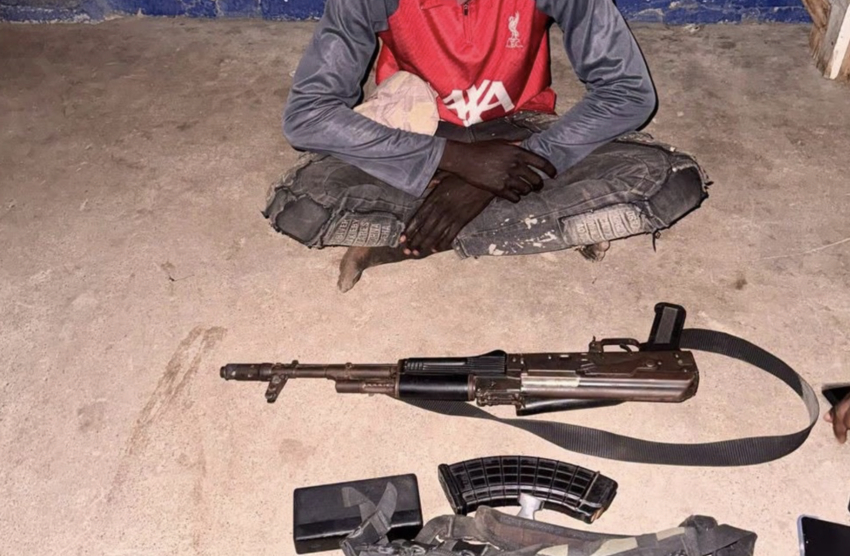
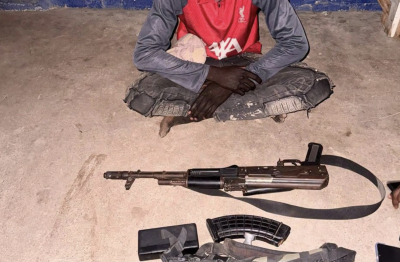
Au Nigéria, les autorités s’emploient du mieux que faire se peut, de reprendre la maîtrise des différents espaces où se nourrit l’insécurité. Des opérations contre les groupes armés dans le nord-est à la destruction d’armes illicites, en passant par le réajustement de la coopération militaire avec Washington, la logique prioritaire d’Abuja consiste in fine à renforcer les capacités nationales tout en diversifiant les leviers de coopération. Pendant ce temps, dans le nord-est, la pression militaire s’accompagne d’un retour du renseignement. En effet, l’opération Hadin Kai poursuit son effort contre les factions issues de Boko Haram et de l’État islamique en Afrique de l’Ouest. Le 1er septembre, une opération menée dans la région de Lamusuri, dans l’État de Yobe, a ainsi permis de neutraliser un combattant et de récupérer un fusil AK-47, trois chargeurs, 90 cartouches ainsi qu’un sac mortuaire. Au-delà du bilan ponctuel de cette intervention, son mode opératoire mérite attention : l’opération aurait reposé sur des renseignements ayant permis aux forces nigérianes et à la Civilian Joint Task Force de repérer un groupe de combattants sur un itinéraire suspect.
Cette articulation entre renseignement militaire et connaissance du terrain par les acteurs locaux apparaît d’autant plus importante que les groupes armés conservent une capacité de mobilité et d’adaptation qui limite les effets d’une approche exclusivement offensive. Elle semble d’ailleurs s’inscrire dans une stratégie plus large. En juillet et août, les forces armées nigérianes revendiquent 7 062 opérations de sécurité à travers le pays, ayant conduit, selon leur propre bilan, à la neutralisation de 1 487 terroristes et insurgés, à l’arrestation de 487 personnes et à la libération de 777 personnes enlevées. Dans le nord-est, l’opération Hadin Kai aurait à elle seule neutralisé 309 combattants et permis l’arrestation de plusieurs facilitateurs logistiques. Cependant, l’armée met également en avant des initiatives dites « non cinétiques », avec neuf actions de dialogue et quinze consultations auprès de chefs traditionnels et religieux. Une combinaison bienvenue traduisant une prise en compte de la réalité selon laquelle qu’une pression militaire qui ne serait pas appuyée par un travail de fond sur les relais sociaux et territoriaux des bandits et terroristes, restera incapable d’endiguer la capacité d’action des groupes armés.
Abuja reprend la main sur sa sécurité
Ce faisant, cette logique de contrôle ne semble pas se limiter au seul champ des opérations antiterroristes. La lutte contre la prolifération des armes légères et de petit calibre constitue un autre front sur lequel Abuja cherche à intervenir plus en amont. Les autorités font état de 5 449 armes récupérées et de 1 419 autres détruites lors d’opérations menées à travers le pays. Depuis 2022, plus de 19 000 armes auraient ainsi été détruites. Le volume des saisies donne la mesure d’un problème qui excède le périmètre du nord-est. Parmi les opérations récentes figure notamment l’interception, au port d’Onne, d’un conteneur contenant 844 armes automatiques et 112 500 cartouches, ayant conduit à l’arrestation de onze suspects. La sécurisation des stocks légalement détenus et l’amélioration de la traçabilité doivent parallèlement compléter cette politique, alors qu’une nouvelle enquête nationale sur les armes légères et de petit calibre est envisagée afin d’actualiser des données datant de 2016. Pour le coup, l’on observe là une évolution intéressante de l’approche sécuritaire nigériane. En s’attaquant non seulement aux porteurs d’armes mais également aux circuits qui les alimentent, Abuja tente de traiter l’une des causes communes au terrorisme, aux enlèvements et au banditisme, bref à contrôler les flux qui alimentent les violences.
Par ailleurs, avec Washington, Abuja entend préserver une coopération sécuritaire appelée à évoluer sans pour autant remettre en cause sa profondeur stratégique. Ainsi le prochain retrait de plus de 200 militaires américains. L’état-major nigérian s’emploie à dissocier la réduction de la présence physique américaine du maintien du partenariat stratégique entre les deux pays. Renseignement, formation, partage d’informations et assistance technique doivent continuer, avec la possibilité d’opérations conjointes lorsque les circonstances l’exigeront. Au moment où l’armée nigériane revendique une intensification de ses propres opérations, ce départ pourrait dès lors être interprété comme un réajustement du dispositif plutôt que comme un désengagement stratégique.
Contre la corruption, le modèle chinois
Au Nigéria, les difficultés persistantes dans la lutte contre la corruption poussent les autorités à s’intéresser davantage à l’expérience chinoise. Ainsi, avec la Chine, la coopération s’étend désormais au terrain de la gouvernance, notamment sur la lutte contre la corruption. En effet, Abuja et Pékin cherchent à renforcer leurs échanges autour de la prévention, des réformes institutionnelles et du recouvrement des avoirs. L’intérêt manifesté par la Commission indépendante contre la corruption pour les dispositifs chinois traduit une volonté de diversifier les sources d’expertise, après des échanges similaires avec le Kenya et l’Indonésie. Cette démarche intervient alors que le Nigéria demeure mal classé dans l’Indice de perception de la corruption 2025 de Transparency International, avec un score de 26 sur 100 et une 142e place sur 182 pays, malgré l’existence d’institutions spécialisées comme l’ICPC et l’EFCC. Pour Abuja, l’enjeu apparaît ainsi moins lié à l’absence de dispositifs juridiques qu’à leur efficacité, dans un contexte marqué par des faiblesses dans l’application des lois, la durée des procédures et les capacités institutionnelles. La Chine, qui obtient un score de 43 et se classe 76e, présente de son côté un système davantage centralisé autour de la Commission nationale de supervision et de la Commission centrale d’inspection de la discipline. Si cette expérience intéresse les autorités nigérianes, son adaptation demeure toutefois délicate en raison des différences profondes entre les deux systèmes politiques. Le rapprochement illustre néanmoins la volonté d’Abuja d’explorer de nouveaux leviers institutionnels pour renforcer l’efficacité de sa politique anticorruption.
Au fond, à l’approche de la présidentielle de 2027, le Nigeria semble ainsi engagé autant dans une intensification de sa réponse sécuritaire que dans une tentative plus large de consolidation de l’appareil d’État. Reste à savoir si cette dynamique permettra de réduire durablement l’écart entre la capacité d’Abuja à mener des opérations et sa capacité à traiter les fragilités sociales, économiques et institutionnelles qui continuent d’alimenter l’insécurité.
Timbuktu Institute Week 1, September 2026
In Nigeria, the authorities are doing their utmost to regain control of the various spaces where insecurity feeds. From operations against armed groups in the northeast to the destruction of illicit weapons, and the recalibration of military cooperation with Washington, Abuja's priority logic ultimately consists of strengthening national capabilities while diversifying its levers of cooperation. Meanwhile, in the northeast, military pressure is being matched by a return of intelligence work. Operation Hadin Kai continues its effort against factions descended from Boko Haram and the Islamic State in West Africa. On 1 September, an operation conducted in the Lamusuri area, in Yobe State, neutralized one fighter and recovered an AK-47 rifle, three magazines, 90 rounds of ammunition and a body bag. Beyond the immediate results of this intervention, its method deserves attention: the operation reportedly relied on intelligence that enabled Nigerian forces and the Civilian Joint Task Force to spot a group of fighters along a suspicious route.
This link between military intelligence and local actors' knowledge of the terrain appears all the more important given that armed groups retain a mobility and adaptability that limits the effectiveness of a purely offensive approach. It also seems to fit into a broader strategy. In July and August, Nigerian armed forces claim 7,062 security operations across the country, which, according to their own figures, led to the neutralization of 1,487 terrorists and insurgents, the arrest of 487 people and the rescue of 777 kidnap victims. In the northeast, Operation Hadin Kai alone reportedly neutralized 309 fighters and led to the arrest of several logistics facilitators. However, the army also highlights so-called “non-kinetic” initiatives, with nine dialogue actions and fifteen consultations with traditional and religious leaders. A welcome combination reflecting an acknowledgment that military pressure unsupported by sustained work on the social and territorial networks of bandits and terrorists will remain unable to curb armed groups' capacity for action.
Abuja regains control of its security
This drive for control does not appear confined to counterterrorism operations alone. The fight against the proliferation of small arms and light weapons is another front on which Abuja is seeking to act further upstream. Authorities report 5,449 weapons recovered and 1,419 others destroyed in operations carried out across the country. Since 2022, more than 19,000 weapons are said to have been destroyed. The volume of seizures gives a sense of a problem that extends well beyond the northeast. Among recent operations is the interception, at Onne Port, of a container holding 844 automatic weapons and 112,500 rounds of ammunition, which led to the arrest of eleven suspects. Securing legally held stockpiles and improving traceability are meant to complement this policy, as a new national survey on small arms and light weapons is being planned to update data dating back to 2016. Here, one can observe an interesting evolution in Nigeria's security approach. By targeting not only those who carry weapons but also the networks that supply them, Abuja is attempting to address one of the causes common to terrorism, kidnapping and banditry — in short, to control the flows that fuel violence.
Furthermore, with Washington, Abuja intends to preserve a security partnership set to evolve without calling into question its strategic depth. Hence the upcoming withdrawal of more than 200 American troops. Nigeria's military leadership is working to separate the reduction of the American physical presence from the continuation of the strategic partnership between the two countries. Intelligence sharing, training, information exchange and technical assistance are meant to continue, with the possibility of joint operations when circumstances warrant. As the Nigerian army claims an intensification of its own operations, this withdrawal could thus be read as a recalibration of the arrangement rather than a strategic disengagement.
Against corruption, the Chinese model
In Nigeria, persistent difficulties in the fight against corruption are pushing authorities to take a closer look at the Chinese experience. Cooperation with China is thus now extending into the field of governance, particularly the fight against corruption. Abuja and Beijing are seeking to strengthen exchanges on prevention, institutional reform and asset recovery. The interest shown by the Independent Corrupt Practices Commission in Chinese mechanisms reflects a desire to diversify sources of expertise, following similar exchanges with Kenya and Indonesia. This move comes as Nigeria remains poorly ranked in Transparency International's 2025 Corruption Perceptions Index, with a score of 26 out of 100 and 142nd place out of 182 countries, despite the existence of specialized institutions such as the ICPC and the EFCC. For Abuja, the challenge appears to lie less in the absence of legal mechanisms than in their effectiveness, in a context marked by weaknesses in law enforcement, lengthy procedures and limited institutional capacity. China, which scores 43 and ranks 76th, has for its part a more centralized system built around the National Supervisory Commission and the Central Commission for Discipline Inspection. While this experience interests Nigerian authorities, adapting it remains difficult given the deep differences between the two political systems. The rapprochement nonetheless illustrates Abuja's determination to explore new institutional levers to strengthen the effectiveness of its anti-corruption policy.
Ultimately, ahead of the 2027 presidential election, Nigeria appears engaged both in stepping up its security response and in a broader attempt to consolidate the machinery of the state. It remains to be seen whether this momentum will durably narrow the gap between Abuja's capacity to conduct operations and its capacity to address the social, economic and institutional fragilities that continue to fuel insecurity.
Timbuktu institute Semaine 1 - Septembre 2026
Le recrutement de ressortissants africains dans les rangs russes sur le théâtre du conflit ukrainien, semble constituer désormais un prolongement des plus sensibles du rapprochement noué entre Moscou et l’Afrique. Si le sort de ces hommes interpelle naturellement leurs pays d’origine, il renvoie aussi la Russie aux responsabilités qui sont les siennes quant aux conditions de leur enrôlement et à l’usage qui est fait de leur engagement. Au Cameroun, cette réalité prend aujourd’hui une résonance singulière. C’est dans cette optique que s’inscrit que la mobilisation lancée en août par le collectif « Ramenez nos fils et nos frères », qui entend placer Yaoundé face à ses responsabilités. Selon différentes enquêtes, dont celle d’All Eyes on Wagner, 335 ressortissants camerounais auraient été recrutés et 94 auraient trouvé la mort au combat. Beaucoup auraient été attirés par des promesses d’emploi, d’études ou de voyage avant d’être finalement enrôlés. Telle que posée par le collectif citoyen, la question concerne non seulement le sort de ces recrues mais aussi la capacité des autorités camerounaises à identifier les réseaux qui organisent ces départs, à protéger leurs ressortissants et, surtout, à obtenir des explications de la part d’un partenaire dont les relations avec Yaoundé se sont sensiblement rapprochées ces dernières années. En avril dernier, le ministre des Relations extérieures avait certes convoqué l’ambassadeur russe après la mort de seize Camerounais. Mais face à l’ampleur alléguée du phénomène, la société civile estime désormais qu’une réponse plus structurée est nécessaire. Le cas kényan, où Nairobi affirme avoir obtenu de Moscou l’arrêt du recrutement de ses ressortissants, apparaît à cet égard comme un précédent dont les autorités camerounaises pourraient être amenées à tirer quelques enseignements. Cela étant, cette mobilisation est d’autant plus sensible que Yaoundé et Moscou ont consolidé leur coopération, notamment depuis l’accord militaire signé en 2022. La question des recrues camerounaises place ainsi les autorités devant un délicat exercice d’équilibre : préserver une relation stratégique sans donner le sentiment que celle-ci pourrait s’exercer au détriment de la protection des citoyens camerounais.
Affaire Martinez Zogo, une mutation pleine d’interrogations
Au plan interne, l’affaire Martinez Zogo du nom du journaliste enlevé, torturé et assassiné en janvier 2023 ne connaît toujours pas d’épilogue. Son procès met notamment en cause des membres des services de renseignement et des personnalités économiques proches du pouvoir. Et c’est à ce propos que la mutation du lieutenant-colonel Cerlin Belinga, ne manque pas soulever quelques interrogations. Commissaire du gouvernement près le Tribunal militaire de Yaoundé et figure centrale du procès consacré à l’assassinat de Martinez Zogo, celui-ci a été réaffecté à Maroua par décret présidentiel le 31 août, alors même que les audiences se poursuivaient. Naturellement, le calendrier de cette décision retient l’attention de l’opinion publique. Elle intervient au moment où le ministère public entamait l’audition de témoins importants dans une procédure visant dix-sept accusés, tandis que Cerlin Belinga s’était récemment distingué par une posture mettant l’accent sur la recherche de la vérité « à charge comme à décharge ». Cette orientation lui avait valu les critiques d’une partie civile qui lui reprochait notamment de fragiliser certains éléments de l’accusation. Son départ relance dès lors les interrogations sur l’influence de l’exécutif sur la conduite d’un procès dont la portée dépasse largement le cadre judiciaire.
Toutefois, il serait prématuré d’y voir une quelconque preuve d’une intervention politique. Dans les faits, le décret présidentiel ne fournit aucune explication sur les raisons de cette réaffectation et la partie civile elle-même semble accueillir favorablement l’arrivée d’André Eric Atemengue Omgba, dont elle espère une coopération plus étroite. Reste que le simple télescopage entre une mutation décidée en pleine audience et un dossier aussi sensible suffit à raviver les interrogations sur les conditions dans lesquelles la justice militaire conduit certaines des procédures les plus délicates du pays. En attendant, le prochain rendez-vous judiciaire, fixé aux 14 et 15 septembre, permettra peut-être d’apprécier si ce changement demeure essentiellement administratif ou s’il infléchit réellement la conduite du procès.
Le mystère des greffes
Dans ce paysage déjà marqué par ces interrogations, le cambriolage du Tribunal criminel spécial de Yaoundé, dans la nuit du 31 août au 1er septembre, ajouta une nouvelle zone d’ombre. Les greffes de cette juridiction ont été particulièrement ciblées et, en l’absence de bilan officiel, des informations non confirmées évoquent la disparition de sommes placées sous scellés ainsi que de dossiers liés à des affaires en cours. De toute évidence, il convient de laisser l’enquête établir les faits et leur portée. Mais le lieu lui-même donne à l’incident une résonance particulière. Créé en 2011 pour connaître notamment des affaires de détournement de deniers publics, le Tribunal criminel spécial occupe une place singulière dans l’architecture judiciaire camerounaise et traite plusieurs dossiers susceptibles de mettre en cause des responsables de premier plan. De plus, le timing pourrait interroger. En effet, la juridiction examine notamment le dossier impliquant Oswald Baboke, directeur adjoint de la présidence de la République, dans une affaire de trafic présumé d’or vers Dubaï. Celle-ci porte notamment sur des soupçons de pressions dans l’attribution de permis miniers et sur l’écart entre la production d’or et les volumes officiellement exportés entre 2021 et 2025. En attendant que lumière soit faite sur le cambriolage, il apparaît en outre que l’enquête en cours devrait permettre de plancher sur les conditions de sécurité d’une institution appelée précisément à traiter des affaires de corruption et de détournement. Si certains dossiers judiciaires sensibles étaient effectivement concernés, leur disparition éventuelle ne manquerait pas de nourrir les soupçons autour de procédures déjà exposées à la défiance.
Timbuktu Institute Week 1, September 2026
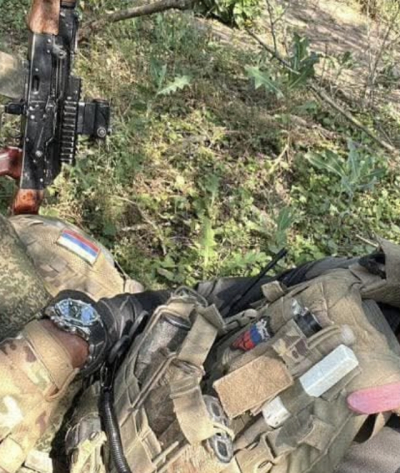
The recruitment of African nationals into Russian ranks on the Ukrainian battlefield now appears to constitute one of the most sensitive extensions of the rapprochement forged between Moscow and Africa. While the fate of these men naturally concerns their countries of origin, it also brings Russia back to its own responsibilities regarding the conditions of their enlistment and the use made of their service. In Cameroon, this reality now carries particular resonance. It is in this light that the mobilization launched in August by the “Bring Back Our Sons and Brothers” collective should be understood, aiming to hold Yaoundé accountable. According to various investigations, including one by All Eyes on Wagner, 335 Cameroonian nationals are said to have been recruited, and 94 to have died in combat. Many are said to have been lured by promises of jobs, studies or travel before ultimately being enlisted. As framed by the citizens' collective, the question concerns not only the fate of these recruits but also the ability of Cameroonian authorities to identify the networks organizing these departures, to protect their nationals and, above all, to obtain explanations from a partner whose relations with Yaoundé have grown notably closer in recent years. Last April, the Minister of External Relations did summon the Russian ambassador after the death of sixteen Cameroonians. But given the alleged scale of the phenomenon, civil society now believes a more structured response is needed. Kenya's case, where Nairobi says it obtained from Moscow a halt to the recruitment of its nationals, appears in this respect as a precedent Cameroonian authorities might draw lessons from. That said, this mobilization is all the more sensitive given that Yaoundé and Moscow have strengthened their cooperation, notably since the military agreement signed in 2022. The question of Cameroonian recruits thus places the authorities in a delicate balancing act: preserving a strategic relationship without giving the impression that it could come at the expense of protecting Cameroonian citizens.
The Martinez Zogo Case: A Transfer Full of Questions
On the domestic front, the Martinez Zogo affair — named after the journalist abducted, tortured and murdered in January 2023 — still has no resolution. The trial implicates members of the intelligence services and business figures close to power. And it is in this context that the transfer of Lieutenant-Colonel Cerlin Belinga raises a number of questions. Government commissioner at the Yaoundé Military Tribunal and a central figure in the trial over Martinez Zogo's assassination, he was reassigned to Maroua by presidential decree on 31 August, even as hearings were still ongoing. Naturally, the timing of this decision has drawn public attention. It came just as the prosecution was beginning to hear key witnesses in proceedings involving seventeen defendants, while Cerlin Belinga had recently distinguished himself by a stance emphasizing the pursuit of truth “for and against” the accused. This approach had drawn criticism from a civil party that accused him of weakening certain elements of the prosecution's case. His departure has thus reignited questions about the executive's influence over the conduct of a trial whose significance reaches far beyond the judicial sphere.
That said, it would be premature to see this as proof of political interference. In fact, the presidential decree provides no explanation for the reassignment, and the civil party itself appears to welcome the arrival of André Eric Atemengue Omgba, from whom it hopes for closer cooperation. Still, the mere overlap between a transfer decided mid-trial and such a sensitive case is enough to revive questions about the conditions under which military justice conducts some of the country's most delicate proceedings. In the meantime, the next court date, set for 14 and 15 September, may help clarify whether this change remains essentially administrative or actually alters the course of the trial.
The mystery of the missing records
Against this backdrop already marked by such questions, the burglary at Yaoundé's Special Criminal Court, on the night of 31 August into 1 September, added a fresh layer of uncertainty. The court's registries were specifically targeted and, in the absence of an official tally, unconfirmed reports point to the disappearance of sums placed under seal as well as files linked to ongoing cases. Clearly, the investigation should be left to establish the facts and their scope. But the location itself gives the incident particular resonance. Created in 2011 to handle, among other things, cases of embezzlement of public funds, the Special Criminal Court occupies a distinctive place in Cameroon's judicial architecture and handles several cases liable to implicate senior officials. Moreover, the timing raises questions. The court is notably examining the case involving Oswald Baboke, deputy director at the Presidency of the Republic, over alleged gold trafficking to Dubai. That case concerns, in particular, suspected pressure in the awarding of mining permits and the gap between gold production and volumes officially exported between 2021 and 2025. Pending clarity on the burglary, the ongoing investigation should also prompt reflection on the security conditions of an institution precisely tasked with handling corruption and embezzlement cases. Should any sensitive judicial files indeed be involved, their possible disappearance would only feed suspicion around proceedings already exposed to public distrust.
Sacré-Coeur 3 – BP 15177 CP 10700 Dakar Fann – SENEGAL.
+221 33 827 34 91 / +221 77 637 73 15
contact@timbuktu-institute.org