 French
 Arabic
 English
 Portuguese
 Spanish
 Swahili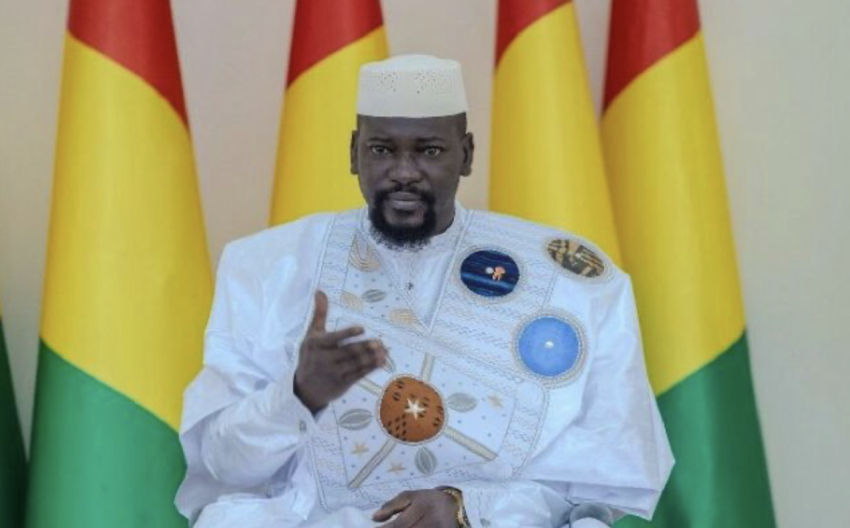



Sacré-Coeur 3 – BP 15177 CP 10700 Dakar Fann – SENEGAL.
+221 33 827 34 91 / +221 77 637 73 15
contact@timbuktu-institute.org

Timbuktu Institute - Week 4 September 2026
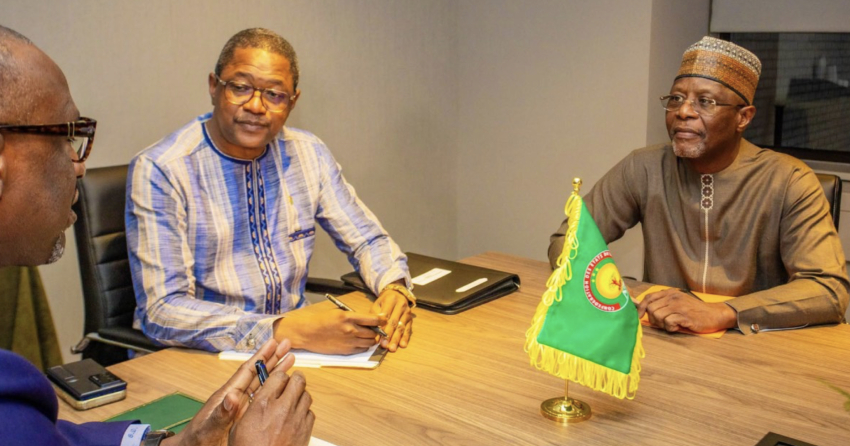
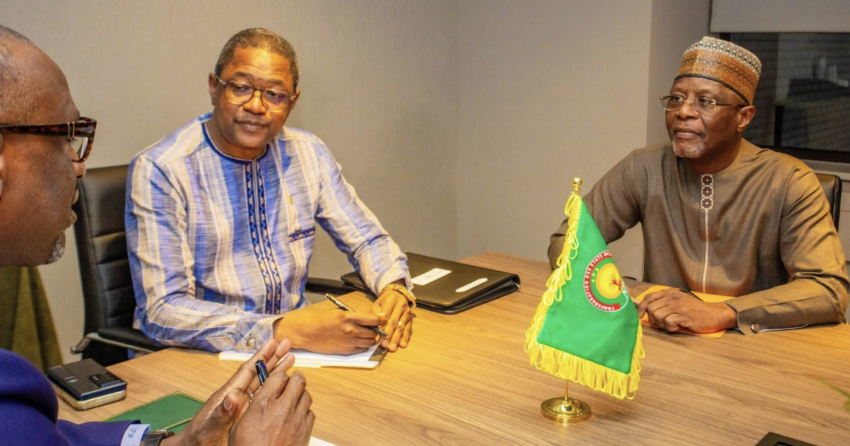
The foreign ministers and heads of the AES diplomatic missions in New York and Washington met on Sunday 21 September 2026 to prepare the messages to be delivered at the United Nations General Assembly. The objective is clear: to speak with one voice in defence of sovereignty, security and the right of peoples to set their own priorities, while offering an African reading of the realities of the Sahel, as opposed to “external” narratives. At the same time, a meeting devoted to the Confederation was organised in order to hold discussions with international partners. As a reminder, the 81st session of the United Nations General Assembly is being held under the theme “Restoring trust, managing transformation: a United Nations that delivers for all”. The three member states of the Confederation of Sahel States agreed on a coordinated diplomatic strategy. This approach reflects a desire to give concrete substance to the political union, initially focused on defence and security and since extended to diplomacy and development, and to have the AES recognised as a collective interlocutor capable of making an impact internationally. It shows the determination of the Confederation’s member states to turn their political unity into an indispensable multilateral force in a context of sovereigntist assertion.
A Common Identity for the Confederation’s Member States
Enrolment for the AES biometric national identity card was officially launched on 15 September 2026 by the Secretary-General of the Agadez Governorate, Souleymane Saidou Boulhassan, at the premises of the Regional Directorate of the National Police. As with any procedure, supporting documents and processing fees are required, and the card is valid for five years. The data are collected locally, sent to Niamey where the card is produced, and then returned to the region for delivery to the holder. The official urged the population to enrol, stressing the secure nature of this new document. This operation is part of the modernisation of civil registration and the securing of identity in the AES member states. This rollout of the AES biometric ID card in Agadez, a strategic region, is a concrete illustration of the Confederation’s administrative integration. It aims to combat fraud and identity theft, protect personal data and facilitate access to public services, while symbolising shared sovereignty and the digitalisation of the administration.
Review of the Refoundation Programme Deemed Satisfactory
The governor of the Agadez region, Major General Ibra Boulama Issa, presented on 20 September 2026 a review of three years of implementation of the Refoundation Programme 2023–2026 and of the 2025–2026 activities of the Regional Peace, Security and Development Committee (CRPS/D), set up in January 2025. The four main pillars are strengthening security and consolidating peace, which is a priority; effective territorial governance, which necessarily requires proximity to the ground; the coordination of interventions; and tools for measuring results. He claims a consolidation of stability, the defusing of anything that might threaten social cohesion, and progress in the fight against non-state armed groups. Other challenges, and by no means minor ones, remain, notably access to water and electricity, infrastructure and economic development. The objective is to strengthen basic social services, develop natural resources and expand decentralised cooperation among the member states of the Confederation of Sahel States.
Timbuktu Institute - Semaine 4 Septembre 2026
Les ministres des Affaires étrangères et les responsables des représentations diplomatiques de l’AES à New York et à Washington se sont réunis le dimanche 21 septembre 2026 pour préparer les messages à porter à l’Assemblée générale des Nations Unies. L’objectif est clair : parler d’une seule voix pour défendre la souveraineté, la sécurité et le droit des peuples à définir leurs propres priorités, tout en proposant une lecture africaine des réalités du Sahel contrairement aux narratifs “extérieurs”. Parallèlement, une rencontre consacrée à la Confédération a été organisée afin d’échanger avec les partenaires internationaux. Pour rappel, la 81ème session de l’Assemblée générale des Nations Unies porte sur le thème “Restaurer la confiance, gérer la transformation : des Nations unies qui apportent des résultats pour tous”. Les trois États membres de la Confédération des États du Sahel se sont entendus sur une stratégie diplomatique coordonnée. Cette démarche traduit la volonté de donner une dimension concrète à l’union politique, initialement centrée sur la défense et la sécurité, élargie à la diplomatie et au développement, et de faire reconnaître l’AES comme un interlocuteur collectif capable d’impacter à l’échelle internationale. Cette démarche montre la volonté des États membres de la confédération à transformer leur unité politique en une force multilatérale incontournable dans un contexte d’affirmation souverainiste.
Une identité commune aux États membres de la Confédération
L’enrôlement pour la Carte nationale d’identité biométrique AES a officiellement été lancé le 15 septembre 2026 par le Secrétaire général du Gouvernorat d’Agadez, Souleymane Saidou Boulhassan, dans les locaux de la Direction régionale de la Police nationale. Comme dans toute procédure, des pièces à fournir ainsi que des frais de procédures sont demandés avec une durée de validité de la carte de cinq ans. Les données sont collectées localement, transmises à Niamey pour fabrication de la carte, puis renvoyées à la région pour remise au bénéficiaire. Le responsable a appelé la population à se faire enrôler, soulignant le caractère sécurisé de ce nouveau document. Cette opération s’inscrit dans la modernisation de l’état civil et la sécurisation de l’identité dans les États membres de l’AES. .
Ce déploiement de la CNIB AES à Agadez qui est une région stratégique, illustre concrètement l’intégration administrative de la Confédération. Il vise à lutter contre les fraudes et usurpations d’identité, à protéger les données personnelles et à faciliter l’accès aux services publics, tout en symbolisant une souveraineté partagée et une numérisation de l’administration.
Bilan du programme de refondation jugé satisfaisant
Le gouverneur de la région d’Agadez, le Général de Division Ibra Boulama Issa, a présenté le 20 septembre 2026 un bilan des trois années de mise en œuvre du Programme de la Refondation 2023-2026 et des activités 2025-2026 du Comité régional Paix, Sécurité et Développement (CRPS/D), mis en place en janvier 2025. Les quatre axes principaux étant le renforcement de la sécurité et la consolidation de la paix qui est une priorité, la gouvernance territoriale efficace qui passe de manière incontournable par une proximité du terrain. Il y a également la coordination des interventions ; outils de mesure des résultats. Il revendique une consolidation de la stabilité, un désamorçage de tout ce qui peut représenter une menace à la cohésion sociale et la lutte contre les groupes armés non étatiques. D'autres défis existent par ailleurs et non pas des moindres, notamment l’accès à l’eau, à l’électricité, les infrastructures et le développement économique. l’objectif ést de renforcer les services sociaux de base, de mettre en valeur les ressources naturelles et de développer la coopération décentralisée dans les États membres de la Confédération des États du Sahel.
Timbuktu Institute - Semaine 4 Septembre 2026
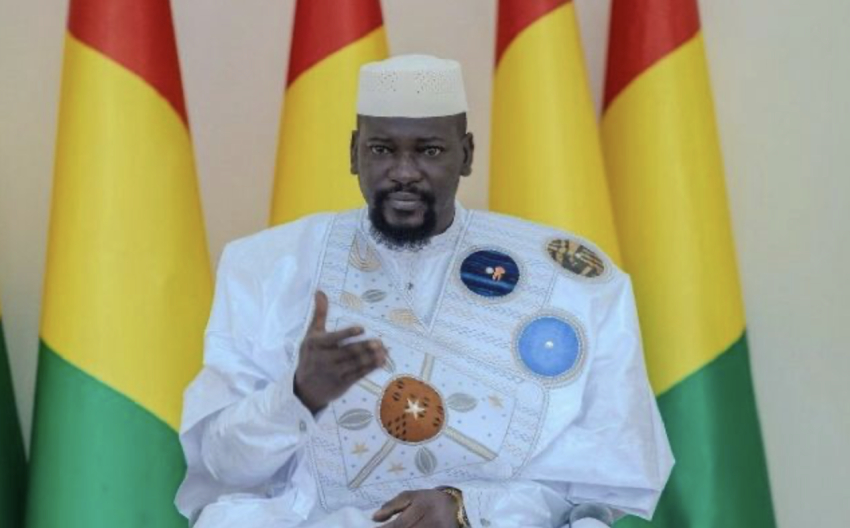
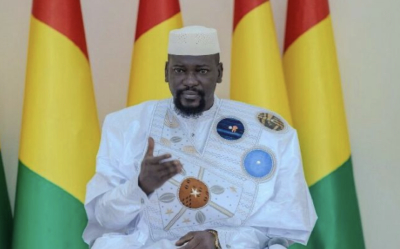
Pour sa deuxième prise de parole devant l’Assemblée générale des Nations unies, le chef de l’État guinéen a consacré l’essentiel de son intervention au bilan de l’action menée depuis son arrivée au pouvoir. Insistant sur l’adoption de la nouvelle Constitution, le développement d’infrastructures et le programme Simandou 2040, Mamadi Doumbouya a fait de cette tribune, habituellement consacrée à la vision des États sur les enjeux internationaux, un exposé de sa politique intérieure.
Devant l’ONU, Mamadi Doumbouya défend le bilan de son action
Anticipant les critiques susceptibles de viser la nature de son pouvoir, le président a également défendu un modèle de gouvernance adapté au « génie national », citant les pays d’Asie et du Proche-Orient qui « n’ont pas attendu qu’un modèle extérieur leur soit validé pour bâtir leur prospérité ». Il a par ailleurs appelé à construire un partenariat international « respectueux de la souveraineté de chaque nation », fondé sur une « co-construction gagnant-gagnant » plutôt que sur des « schémas préétablis ».
À New-York, la diaspora guinéenne proteste contre le pouvoir
En marge de sa prise de parole, plusieurs centaines de membres de la diaspora guinéenne se sont rassemblés devant l’hôtel où séjournait Mamadi Doumbouya pour exprimer leur mécontentement à l’égard du chef de l’État. Les manifestants ont notamment dénoncé la répression mise en œuvre par le pouvoir ainsi que la partialité du système judiciaire.
Un opposant à Mamadi Doumbouya empêché de se rendre aux États-Unis ?
L’ancien Premier ministre guinéen et président de l’UFDG, Cellou Dalein Diallo, affirme avoir été empêché de se rendre à New York où il devait participer à plusieurs réunions en marge de l’Assemblée générale des Nations unies. Son passeport aurait été révoqué par les autorités guinéennes sans qu’il en soit informé. Son parti dénonce une atteinte aux droits et accuse le pouvoir de Conakry de chercher à restreindre les libertés politiques. Cette mesure vient s’ajouter à la dissolution de l’UFDG et d’autres partis d’opposition décidée début mars, au motif de « manquement à leurs obligations ».
La Guinée, premier pays africain bénéficiaire d’investissements étrangers
Sur le plan économique, la Guinée a enregistré plus de 7,7 milliards de dollars d’investissements directs étrangers en 2025, la plaçant en tête du continent, notamment grâce au projet minier Simandou. Cependant, les retombées pour les entreprises nationales demeurent limitées. Seul un milliard de dollars leur aurait été versé, le reste bénéficiant en majorité à des entreprises chinoises et portugaises. Alors que 13 à 15 milliards de dollars supplémentaires doivent encore être investis dans le projet Simandou, l’enjeu porte désormais sur la capacité de la Guinée à davantage associer les entreprises nationales au projet, afin que l’afflux de capitaux étrangers puisse bénéficier au tissu économique local.
Simandou : un nouveau contrat renforce les ambitions économiques de la Guinée
La Compagnie du TransGuinéen (CTG) et le groupe américain Wabtec ont signé un contrat de 700 millions de dollarsvisant à accompagner l’exploitation et la maintenance de la flotte de locomotives affectées au projet Simandou, avec un engagement cumulé porté à 1,2 milliard de dollars sur plus de 14 ans. Cet accord commercial doit également permettre un « transfert de technologies » et la formation locale des équipes selon le ministre des Mines et de la Géologie, Bouna Sylla.
Timbuktu Institute - Week 3 September 2026
In his second address to the United Nations General Assembly, the Guinean head of state devoted most of his speech to the record of his action since coming to power. Highlighting the adoption of the new Constitution, infrastructure development and the Simandou 2040 programme, Mamadi Doumbouya turned this platform, usually devoted to states’ visions on international issues, into a presentation of his domestic policy.
Before the UN, Mamadi Doumbouya Defends His Record
Anticipating criticism likely to target the nature of his rule, the president also defended a model of governance adapted to the “national genius”, citing countries in Asia and the Middle East that “did not wait for an external model to be validated for them before building their prosperity”. He also called for building an international partnership “respectful of the sovereignty of each nation”, based on “win-win co-construction” rather than “preconceived frameworks”.
In New York, the Guinean Diaspora Protests Against the Government
On the sidelines of his speech, several hundred members of the Guinean diaspora gathered in front of the hotel where Mamadi Doumbouya was staying to express their discontent with the head of state. The protesters notably denounced the repression carried out by the authorities and the partiality of the judicial system.
An Opponent of Mamadi Doumbouya Prevented from Travelling to the United States?
Former Guinean Prime Minister and UFDG president Cellou Dalein Diallo says he was prevented from travelling to New York, where he was due to attend several meetings on the sidelines of the United Nations General Assembly. His passport was reportedly revoked by the Guinean authorities without his being informed. His party denounces a violation of rights and accuses the Conakry government of seeking to restrict political freedoms. This measure adds to the dissolution of the UFDG and other opposition parties decided in early March on the grounds of “failure to meet their obligations”.
Guinea, Africa’s Leading Recipient of Foreign Investment
On the economic front, Guinea recorded more than 7.7 billion dollars in foreign direct investment in 2025, placing it at the top of the continent, largely thanks to the Simandou mining project. However, the benefits for national companies remain limited. Only one billion dollars has reportedly been paid to them, with the rest going mainly to Chinese and Portuguese companies. With a further 13 to 15 billion dollars still to be invested in the Simandou project, the challenge now lies in Guinea’s ability to involve national companies more closely in the project, so that the influx of foreign capital can benefit the local economic fabric.
Simandou: A New Contract Bolsters Guinea’s Economic Ambitions
The Compagnie du TransGuinéen (CTG) and the American group Wabtec have signed a 700-million-dollar contract to support the operation and maintenance of the locomotive fleet assigned to the Simandou project, with a cumulative commitment raised to 1.2 billion dollars over more than 14 years. According to the Minister of Mines and Geology, Bouna Sylla, this commercial agreement should also enable a “transfer of technology” and the local training of teams.
Sacré-Coeur 3 – BP 15177 CP 10700 Dakar Fann – SENEGAL.
+221 33 827 34 91 / +221 77 637 73 15
contact@timbuktu-institute.org