Timbuktu Institute

Timbuktu Institute

Sacré-Coeur 3 – BP 15177 CP 10700 Dakar Fann – SENEGAL. +221 33 827 34 91 / +221 77 637 73 15

Timbuktu Institute – January 2026


In a context where debates on migration in West Africa are often dominated by a reductive security-based approach, which equates migration flows with mere vectors of cross-border threats, it is imperative to deconstruct this unilateral view. This dominant interpretation of migration could obscure the positive and structuring contributions of migrants to local development and resilience.

Indeed, this security-focused perspective, often influenced by international agendas, masks the transformative impact of remittances from the diaspora in Europe, particularly in the departments of Bakel and Goudiry in eastern Senegal. These financial transfers play a significant role in reducing vulnerabilities by supporting community investments in education, health, agriculture and basic infrastructure, thereby strengthening local resilience to various threats, including violent extremism. By placing migration at the heart of a dynamic of inclusive development and social cohesion, this action research initiative invites us to rethink migration policies beyond repressive approaches, in order to harness their potential to prevent the risk of ideological infiltration in these fragile border areas.

The departments of Goudiry and Bakel, located in eastern Senegal in the Tambacounda region, represent a strategic and vulnerable crossroads in West Africa. Bordering directly on the Kayes region of Mali, these areas are exposed to growing security threats, illustrated by recent attacks such as those perpetrated in July 2025 in Diboli by Jama'at Nusrat al-Islam wal-Muslimin (JNIM), a group affiliated with Al-Qaeda in the Sahel. Located less than two kilometres from the Senegalese border, this incursion into the locality highlights the porosity of the borders, facilitating cross-border trafficking in arms, drugs and gold from illegal gold mining.

Areas exposed to the effects of cross-border activity with Mali

Although Senegal has remained relatively resilient to violent extremism – thanks to its historical social cohesion and prevailing religious moderation – these border regions are at risk of ideological infiltration if local vulnerabilities are not addressed and mitigated. Factors such as socio-religious tensions (linked to marginalisation due to castes and traditional community divisions, descent-based slavery and the influence of foreign preachers) weaken local religious models. They could also be exploited, as observed in other Sahelian contexts, by extremist groups that have exploited social grievances to extend their influence beyond the original epicentres of violence.

Environmentally and socio-economically, these departments face a hostile climate characterised by water and wind erosion of the soil, accelerated degradation of fauna and flora, and a glaring lack of communication routes between isolated localities, despite efforts to provide infrastructure through several programmes. High adult illiteracy rates, combined with a lack of basic community infrastructure—schools, health centres, water systems—and necessary equipment, exacerbate the precarious situation. In this context, the interventions of grassroots community organisations, projects and programmes remain limited, while means of communication remain limited, particularly in the south-eastern areas not fully covered by telephone networks.

Paradoxically, these regions are full of potential: fertile and abundant arable land, resources for firewood and timber, water for irrigation and fishing, gold mines and gatherable products, a rich and diverse livestock population, a dynamic network of associations, historical sites and a social fabric that is still relatively strong.

The history and impact of emigration in these regions

Emigration and the income it generates have played a crucial role in the socio-economic evolution and transformation of the departments of Goudiry and Bakel. This emigration, which is viewed in a positive and constructive light in these areas, has evolved in distinct phases since the 1970s. Initially seasonal, with an exodus to the peanut-growing regions of the interior or to fishing areas, it was aimed at securing income to help young men prepare for marriage. It then shifted towards Central Africa (Gabon, Central African Republic, Congo, DRC, etc.) and then West Africa, particularly the mining areas of various countries such as Côte d'Ivoire, Guinea, Senegal and Mali.

From 1974 onwards, a severe cycle of droughts led to mass immigration to Europe, motivated by the search for financial resources to support families who had remained in the country. Before that, veterans and ‘navigators’, workers employed by the merchant navy and international industrial fishing, had paved the way, followed later by more massive migratory flows to Europe, mainly to France.

‘Migrant builders’: a whole section of community resilience

In these departments in eastern Senegal, the achievements resulting from these migrations are tangible and multifaceted. From the earliest stages, migrants invested in social and community infrastructure: building mosques, schools and health posts, purchasing livestock to rebuild herds decimated during years of drought, and supporting agricultural production through improvements and equipment. This encouraged the emergence of village and inter-village associations, as well as investment in education and water systems.

In the 1980s, the network of associations, which had grown denser since the diasporas in Europe, was consolidated with the return of migrants with community and individual projects, who had increasingly benefited from training and a certain level of education, leading to greater awareness of development issues. Local housing was gradually modernised, houses were purchased in urban centres, and the living environment was improved through various facilities. Supply stores, grain banks and community financing of agricultural campaigns strengthened food security.

The 1990s saw a certain diversification in the investment of migrant income with the acquisition of household equipment (refrigerators, telephones, electrification), the development of local and interurban transport and trade, thus promoting the opening up of villages, and the creation of associations under the 1901 law from France. From 1994 onwards, the ‘Migration – Citizenship – Development’ cooperation axis developed with the GRDR became established, with, among other things, the political involvement of migrants in local elections, mayors and rural councillors. The development of North-South partnerships through twinning with French local authorities and decentralised cooperation has given rise to a clear dynamic of local development supported by returning migrants and diasporas from the eastern regions of Senegal.

A tangible impact, a need for sustainability

The overall impact can be seen in terms of increased food security through access to production factors, improved living conditions, easier access to education, rural water supply and health, as well as diversification of health services. Easier access to means of communication has had a positive impact on openness to partnerships with local authorities in the North. There has been a gradual strengthening of inter-village relations with countries and regions through migrant associations and networks. Testimonials attest to the impact of these local development initiatives on reducing women's workload, for example, but also on increasing access to decision-making bodies.

The Timbuktu Institute's Action Research Initiative

In response to these dynamics, the Timbuktu Institute, in partnership with the Rosa Luxemburg Foundation, is launching an action research initiative entitled "Strengthening resilience to crises in the Goudiry and Bakel areas: The role of remittances from the European diaspora and mitigation of vulnerabilities to counter violent extremism ." This initiative aims to analyse the important role of remittances from the region's diaspora in European countries – mainly France – in mitigating vulnerabilities and strengthening resilience.

Although these funds improve livelihoods, particularly by financing education, family farming and small businesses through community projects, poor channelling could involve them in illicit networks, exacerbating risks.

Key questions explored in this action research initiative include: How do migrant remittances (amount, frequency, use) contribute to the economic and social resilience of households? What socio-religious dynamics (caste tensions, foreign influence) increase vulnerabilities to extremism? How do populations perceive factors of resilience (social cohesion, religious moderation) in the face of threats exacerbated by the border with Mali? What community and institutional strategies – taking into account cross-border dynamics and the socio-historical continuum with Kayes – can prevent the spread of violent extremism in this area?

The project, developed as part of a partnership between the Foundation and the Institute, will be carried out in three phases:

  1. Organisation of a webinar bringing together local actors, experts, diaspora actors and partners to discuss issues related to vulnerabilities and the positive role of migration, moving away from a predominantly security-based approach to this issue.
  2. Publication of a policy brief based on the results of interviews with community actors, summarising the key ideas from the webinar and offering in-depth policy recommendations based on a thorough, cross-cutting analysis of the factors contributing to resilience in these border areas of the Kayes region in Mali.
  3. Presentation of the research findings as part of an interactive debate involving researchers, political and community actors and international partners at the Rosa Luxembourg Foundation, promoting wide dissemination and concrete action.


Timbuktu Institute – Janvier 2026


Dans un contexte où les débats sur la migration en Afrique de l’Ouest sont, souvent, dominés par une approche sécuritaire réductrice, qui assimile les flux migratoires à de simples vecteurs de menaces transfrontalières, il est impératif de déconstruire cette vision unilatérale. Cette lecture dominante du fait migratoire pourrait occulter les contributions positives et structurantes des migrants dans le développement local et la résilience.

En effet, cette perspective sécuritaire, souvent influencée par des agendas internationaux, masque l’impact transformateur des revenus migratoires issus de la diaspora établie en Europe, particulièrement dans les départements de Bakel et de Goudiry à l’Est du Sénégal. Ces transferts financiers jouent un rôle non négligeable dans leur réduction des vulnérabilités en soutenant des investissements communautaires dans le domaine de l’éducation, de la santé, de l’agriculture et des infrastructures de base, renforçant ainsi la résilience locale face aux différentes menaces y compris l’extrémisme violent. En replaçant la migration au cœur d’une dynamique de développement inclusif et de cohésion sociale, cette initiative de recherche - action invite à repenser les politiques migratoires au-delà des prismes répressifs, pour valoriser leur potentiel préventif contre les risques d’infiltration idéologique dans ces zones frontalières fragiles.

Les départements de Goudiry et Bakel, situés dans l’Est du Sénégal au sein de la région de Tambacounda, représentent un carrefour stratégique et vulnérable en Afrique de l’Ouest. Bordant directement la région de Kayes au Mali, ces zones sont exposées à des menaces sécuritaires croissantes, illustrées par des attaques récentes comme celles perpétrées en juillet 2025 à Diboli par la Jama’at Nusrat al-Islam wal-Muslimin (JNIM), un groupe affilié à Al-Qaida au Sahel. Située à moins de deux kilomètres de la frontière sénégalaise, cette incursion dans cette localité met en lumière la porosité des frontières, facilitant les trafics transfrontaliers d’armes, de drogue et d’or issu de l’orpaillage clandestin.

Des zones exposées aux effets de la transfrontalité avec le Mali

Bien que le Sénégal ait maintenu une résilience relative face à l’extrémisme violent – grâce à une cohésion sociale historique et une modération religieuse dominante –, ces régions frontalières présentent le risque d’une infiltration idéologique si les vulnérabilités locales ne sont pas prises en compte et mitigées. Des facteurs tels que les tensions socioreligieuses (liées aux marginalisations dues  aux castes et velléités communautaires traditionnelles, à l’esclavage par ascendance et à l’influence de prédicateurs étrangers) fragilisent les modèles religieux locaux. Ils pourraient être, aussi, instrumentalisés, comme observé dans d’autres contextes sahéliens par des groupes extrémistes qui ont exploité les griefs sociaux pour étendre leur influence au-delà des épicentres originels de violence.

Sur le plan environnemental et socio-économique, ces départements font face à un climat hostile caractérisé par une érosion hydrique et éolienne des sols, une dégradation accélérée de la faune et de la flore, et une absence criante de voies de communication entre les localités enclavées, malgré les efforts de dotation en infrastructures dans le cadre de plusieurs programmes. L’analphabétisme élevé chez les adultes, combiné à une insuffisance d’infrastructures communautaires de base - écoles, postes de santé, hydraulique - et d’équipements nécessaires, exacerbe la précarité. Dans ce contexte, les interventions d’organisations communautaires de base, de projets et de programmes restent limitées, pendant que les moyens de communication restent limités, particulièrement dans les zones du Sud-Est non entièrement couvertes par les réseaux téléphoniques.

Paradoxalement, ces régions regorgent de potentialités : des terres cultivables fertiles et abondantes, des ressources en bois de chauffe et d’œuvre, de l’eau pour l’irrigation et la pêche, des mines d’or et des produits de cueillette, un cheptel riche diversifié, un tissu associatif dynamique, des sites historiques et un tissu social encore relativement soudé.

L’histoire et l’impact de l’émigration dans ces régions

L’émigration et les revenus qu’elle génère ont joué un rôle crucial dans l’évolution et la transformation socio-économique des départements de Goudiry et de Bakel. Cette émigration appréhendée de manière positive et constructive dans ces zones a évolué en phases distinctes depuis les années 1970. Initialement saisonnière avec un exode vers les bassins arachidiers de l’intérieur du pays ou vers les zones de pêche, elle visait à se garantir des revenus pouvant aider à préparer les mariages chez les jeunes hommes. Elle s’est ensuite orientée vers l’Afrique centrale (Gabon, Centrafrique, Congo, RDC etc.) puis occidentale, notamment les zones minières de différents pays comme la Côte d’Ivoire, la Guinée, le Sénégal et le Mali.

À partir de 1974, le cycle sévère de sécheresses avait provoqué une immigration massive vers l’Europe, motivée par la recherche de ressources financières pour soutenir les familles restées au pays. Avant cela, les anciens combattants et « navigateurs », des travailleurs employés par la marine marchande et de la pêche industrielle internationale avaient ouvert la voie, suivis plus tard par des flux migratoires plus massifs vers l’Europe et principalement en France.

Les « migrants constructeurs » : un pan entier de la résilience communautaire

Dans ces départements de l’Est du Sénégal, les réalisations issues de ces migrations sont tangibles et multiformes. Dès les premières phases, les migrants ont investi dans des infrastructures sociocommunautaires : construction de mosquées, écoles et postes de santé,  achat de bétail pour reconstituer les cheptels décimés durant les années de sécheresse, appui à la production agricole via des aménagements et équipements. Cela a favorisé l’émergence de mouvements associatifs villageois et inter-villageois, ainsi que des investissements en éducation et hydraulique.

Dans les années 1980, le tissu associatif densifié depuis les diasporas en Europe s’est consolidé avec des retours de migrants porteurs de projets communautaires et individuels, et ayant de plus en plus bénéficié de formations avec un certain niveau d’éducation à l’origine d’une meilleure prise de conscience des enjeux liés au développement. L’habitat local s’est progressivement modernisé, des maisons ont été acquises dans les centres urbains, et le cadre de vie amélioré par divers équipements. Des magasins d’approvisionnement, banques de céréales de même que des financements communautaires de campagnes agricoles ont renforcé la sécurité alimentaire.

Les années 1990 ont marqué une certaine diversification dans l’investissement des revenus migratoires avec l’acquisition d’équipements familiaux (réfrigérateurs, téléphones, électrification), le développement du transport local et interurbain et du commerce favorisant, ainsi, le désenclavement des villages, et la création d’associations sous la loi 1901 depuis la France. À partir de 1994, l’axe de coopération « Migration – Citoyenneté – Développement »  qui s’est développé avec le GRDR, s’est imposée, avec, entre autres, une implication politique des migrants dans les élections locales, des maires comme des conseillers ruraux. Le développement des partenariats Nord-Sud à travers des jumelages avec des collectivités françaises et des coopérations décentralisées ont impulsé une nette dynamique de développement local soutenue par les migrants de retour comme par les diasporas originaires de des régions de l’Est du Sénégal.

Un impact tangible, un besoin de durabilité

L’impact global se ressent sur le plan de la sécurité alimentaire accrue à travers l’accès aux facteurs de production, l’amélioration du cadre de vie, la facilitation de l’accès à l’éducation, l’hydraulique rurale et la santé mais aussi la diversification des services de santé. L’accès plus aisé aux moyens de communication a eu un impact positif sur l’ouverture à des partenariats avec des collectivités locales du Nord. Il y a eu progressivement le renforcement des relations inter-villages, avec des pays et régions à travers des associations de migrants et des réseaux. Des témoignages attestent de l’impact de ces initiatives de développement local sur l’allégement des travaux des femmes, par exemple, mais aussi un accès plus fréquent aux instances de décision.

L’Initiative de Recherche-Action du Timbuktu Institute

Face à ces dynamiques, le Timbuktu Institute, en partenariat avec la Fondation Rosa Luxemburg, lance une initiative de recherche-action intitulée « Renforcer la résilience face aux crises dans les zones de Goudiry et Bakel : Rôle des revenus migratoires de la diaspora européenne et mitigation des vulnérabilités pour contrer l’extrémisme violent ». Cette démarche vise à analyser le rôle important des revenus migratoires issus de la diaspora de la région dans les pays européens - France principalement ­- dans la mitigation des vulnérabilités et le renforcement de la résilience.

Bien que ces fonds améliorent les moyens de subsistance notamment le financement de l’éducation, l’agriculture familiale, le petit commerce à travers des projets communautaires, une mauvaise canalisation pourrait les impliquer dans des réseaux illicites, aggravant les risques.

Les questions-clés explorées dans le cadre de cette initiative de recherche-action incluent : Comment les revenus migratoires (montant, fréquence, usage) contribuent-ils à la résilience économique et sociale des ménages ? Quelles dynamiques socio-religieuses (tensions castes, influence étrangère) augmentent les vulnérabilités à l’extrémisme ? Comment les populations perçoivent-elles les facteurs de résilience (cohésion sociale, modération religieuse) face aux menaces accentuées par la frontalité avec la Mali ? Quelles stratégies communautaires et institutionnelles – tenant compte des dynamiques transfrontalières et du continuum sociohistorique avec Kayes – peuvent-elles prévenir l’expansion de l’extrémisme violent dans cette zone  ?

Le projet construit dans le cadre d’un partenariat entre la Fondation et l’Institut se déroulera en trois phases :

  1. Organisation d’un webinaire réunissant acteurs locaux, experts, acteurs de la diaspora et partenaires pour des échanges sur les questions relatives aux vulnérabilités et au rôle positif de la migration loin de l’approche à dominante sécuritaire de cette problématique.


  1. Publication d’un policy brief basé sur les résultats d’entretiens avec les acteurs communautaires et synthétisant les idées-forces du webinaire tout en proposant des recommandations politiques approfondies, basées sur une analyse approfondie et croisée des facteurs de résilience dans ces zones frontalières de la région de Kayes au Mali.


  1. Restitution des résultats de la recherche dans le cadre d’un débat interactif impliquant chercheurs, acteurs politiques, communautaires et partenaires internationaux à la Fondation Rosa Luxembourg, favorisant une diffusion large et des actions concrètes.


الدكتور باكاري سامب

عدتُ للتو من الدوحة، حيث شاركت في “منتدى قطر للوساطة”، محملًا بقناعة راسخة: إن الجمود الذي يخيّم على منطقة الساحل الأفريقي يتطلب لغة جديدة وشجاعة ديبلوماسية تتجاوز الخيارات العسكرية الصرفة. ففي أروقة المنتدى، كان هناك إجماع لافت بين الخبراء الدوليين وصناع القرار على ضرورة فتح قنوات تفاوضية مع الجماعات المسلحة في منطقة الساحل، كضرورة حتمية تفرضها حقائق الميدان وتجارب التاريخ
القيمة المضافة للدبلوماسية القطرية: الشرعية والخبرة

لا يمكن الحديث عن الوساطة اليوم دون التوقف عند “النموذج القطري”. فدولة قطر لم تعد مجرد ميسّر للحوار، بل أصبحت قطبًا دوليًا في الدبلوماسية الوقائية. وتستمد الدوحة قوتها في هذا المجال من ركيزتين أساسيتين
الشرعية الثقافية والدينية: بصفتها دولة ذات ثقافة إسلامية عريقة، تحظى قطر باحترام وتقدير كبيرين لدى مختلف الأطراف في العالم الإسلامي، مما يمنحها قدرة على نيل الثقة في بيئات معقدة مثل منطقة الساحل، حيث تلعب الهوية والدين أدوارًا محورية
المؤسساتية والاحترافية: يبرز هنا الدور القطري الريادي في تحويل النزاعات إلى فرص للسلام، من خلال تحليل جذور الأزمات وتقديم حلول مبتكرة تجمع بين العمل الإنساني والوساطة السياسية
يبرز هنا دور مركز دراسات النزاع والعمل الإنساني (CHS

من الكونغو إلى الساحل الدروس المستفادة

إن النجاحات التي حققتها قطر في ملفات شائكة، سواء في جمهورية الكونغو الديمقراطية أو في مناطق أخرى من العالم، تثبت أن “الصبر الاستراتيجي” هو مفتاح الحل. لقد أظهرت الدوحة قدرة فائقة على جمع الأضداد على طاولة واحدة، وهو ما نحتاجه اليوم في الساحل
لقد علمتنا تجارب النزاعات المسلحة الطويلة أن الدول لا تستطيع القضاء نهائيًا على الجماعات المسلحة عسكريًا، كما أن هذه الجماعات لا يمكنها إسقاط الدول كليًا. نحن اليوم أمام حالة من “النضج المتأزم” للصراع، حيث أصبح الحوار والوساطة هما المساران الأكثر واقعية لتجنب استنزاف الشعوب والمقدرات

نداء من أجل السلم في الساحل

إننا من منبر “معهد تمبكتو”، ومن وحي نقاشات الدوحة، نوجه نداءً عاجلاً إلى دول الساحل وشركائها الدوليين بضرورة تشجيع التسوية السلمية للنزاعات. إن المراهنة على الحل الأمني البحت أثبتت محدوديتها، والواقع يفرض علينا اليوم استكشاف مسارات التفاوض
إن منطقة الساحل يمكنها الاستفادة بشكل كبير من الخبرة القطرية، ليس فقط كجهة مانحة، بل كشريك استراتيجي يمتلك أدوات الوساطة الناعمة والقبول لدى جميع الأطراف ، إن الوقت قد حان لاستبدال
لغة الرصاص بمنطق التفاوض، فالسلام لا يصنعه إلا الشجعان الذين يجرؤون على الجلوس مع خصومهم من أجل مستقبل الأجيال القادمة

الرئيس المؤسس لمعهد تمبكتو- المركز الأفريقي لدراسات السلام

Même si le Séné­gal hérite du poste de pré­sident de la Com­mis­sion de la Cedeao, il reste à choi­sir celui qui va rem­pla­cer le Gam­bien Omar Alieu Tou­ray à Abuja. Inter­rogé sur le pro­fil de celui qui doit être dési­gné par l’État du Séné­gal, Bakary Sambe, pré­sident du Tim­buktu Ins­ti­tute, affirme que « le pro­fil idéal du futur pré­sident de la Com­mis­sion de la Cedeao à dési­gner par le Séné­gal devrait allier exper­tise éco­no­mique poin­tue, jeu­nesse dyna­mique et expé­rience en diplo­ma­tie inclu­sive, reflé­tant ainsi les prio­ri­tés de la pré­si­dence séné­ga­laise qui devrait expé­ri­men­ter un renou­veau pour l’orga­ni­sa­tion sous-régio­nale ».

Il est d’avis que « pen­dant ce man­dat (2026-2030), la ques­tion brû­lante de l'union moné­taire, avec la pos­sible fina­li­sa­tion de l'Eco et la conver­gence bud­gé­taire, exi­gera un lea­der doté d'une solide connais­sance en finances régio­nales, inté­gra­tion éco­no­mique et gou­ver­nance, idéa­le­ment issu d'ins­ti­tu­tions finan­cières régio­nales ou inter­na­tio­nales pour pilo­ter des réformes ambi­tieuses sans accen­tuer les dis­pa­ri­tés entre États ». D’après M. Sambe, « la jeu­nesse comme cri­tère clé répon­drait à la demande pres­sante des jeunes ouest-afri­cains pour une ‘‘Cedeao des peuples’’ ». À son avis, « un can­di­dat repré­sen­tant la nou­velle géné­ra­tion incar­née et sym­bo­li­sée d’ailleurs par le pré­sident Bas­si­rou Dio­maye Faye pour­rait cata­ly­ser la moder­ni­sa­tion de l'orga­ni­sa­tion », a insisté l’ensei­gnant-*cher­cheur à l’Ugb. Enfin, le futur pré­sident doit aussi, selon lui, « appli­quer les prin­cipes de dia­logue inclu­sif pour une média­tion immé­diate : mis­sions de bons offices impli­quant la société civile et les auto­ri­tés tra­di­tion­nelles afin de res­tau­rer la confiance et pré­ve­nir les esca­lades ».


Source : Le Soleil 

The awarding of the ECOWAS Commission presidency to Senegal is a diplomatic victory for the country, according to observers. However, this first for Senegal comes with challenges, especially as the organisation faces many difficulties.

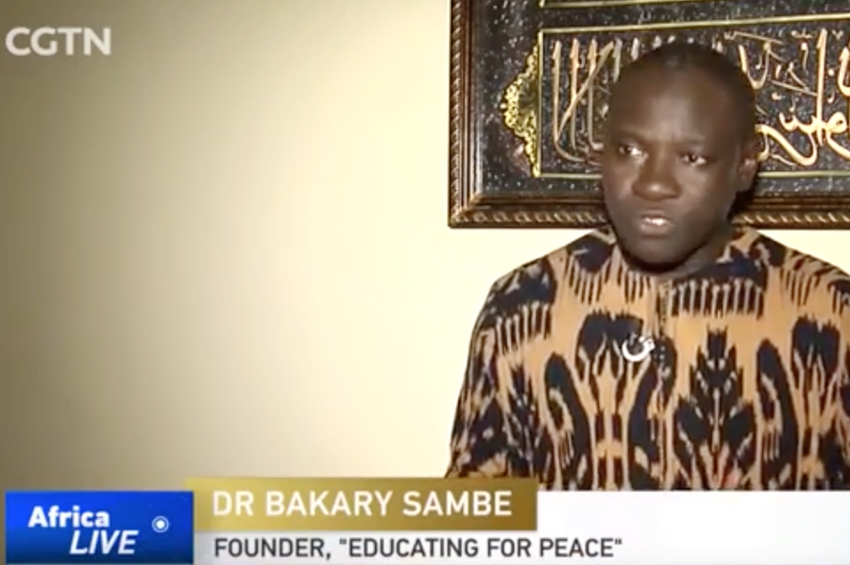
The position of chair of the ECOWAS Commission was awarded to Senegal on 14 December 2025, on the sidelines of the 68th ordinary session of the Conference of Heads of State and Government held in Abuja, Nigeria. This is a first since the sub-regional organisation was created in 1975. Since then, Dr Bakary Sambe, president of the Timbuktu Institute-African Centre for Peace Studies, lecturer and researcher at Gaston Berger University in Saint-Louis (Ugb) and specialist in diplomatic issues, mediation and conflict resolution, believes that it is clear

‘that Senegal's appointment to head the Commission undeniably represents a major diplomatic victory for Dakar.’

For him, this demonstrates the renewed confidence that Member States have in Senegal as a pillar of stability and moderation within the organisation, in a West African context marked by political and security turmoil.

‘This election, achieved by consensus during an extraordinary session dedicated to institutional reform, confirms the leadership of President Bassirou Diomaye Faye – elected in 2024 and representing a new generation of African leaders – focused on innovation, youth and inclusion.’

responded Bakary Sambe when interviewed by Le Soleil.

Echoing this sentiment, Aldiouma Sow, Minister Counsellor to the President of the Republic, responsible for coordinating the ‘politics, civil society and trade unions’ division in the Head of State's office, believes that ‘Senegal's accession to the head of the ECOWAS Commission for a four-year term, after 50 years of membership, is a major diplomatic and political success, highlighting the country's return to the heart of regional decision-making, under the leadership of the President of the Republic, Bassirou Diomaye Diakhar Faye.’

The member of Pastef's Political Bureau (Bp) also adds that ‘this success is not accidental, but the result of intense diplomatic efforts made by the Head of State since his arrival in the highest office for sub-regional stability and prosperity’. However, Bakary Sambe points out that this presidency comes at the right time to reposition ECOWAS as a space for inclusive dialogue rather than confrontation, and will be a time to take up many challenges.

‘To succeed in this presidency in a context of regional fragmentation exacerbated by the effective withdrawal of the Aes countries (Mali, Burkina Faso and Niger) in January 2025, Senegal must rely on the cardinal principles of its diplomacy: moderation, the search for peaceful solutions and inclusive dialogue.’

recommends the specialist in regional issues.

For him, these principles, which have been rooted in Senegalese tradition since the Senghor era and could be reinforced by President Faye's young and dynamic leadership, position Dakar as a legitimate mediator capable of transcending divisions. Mr Sambe goes on to say that

‘Senegal should prioritise a pragmatic and depoliticised approach to security issues by decoupling military matters from diplomatic disputes.’

The president of the Timbuktu Institute remains convinced ‘that the only immediately viable solution is to completely separate security issues from political debates and diplomatic ambitions that polarise the region’. In concrete terms, he says, ‘this would perhaps involve initiating, as early as the first half of 2026, exclusive technical channels between the region's military headquarters for intelligence sharing and cross-border operations, inspired by successful models’.


Sourec : Le soleil


L’attribution de la présidence de la Commission de la Cedeao au Sénégal est une victoire diplomatique pour l’État, d’après des observateurs. Cependant, cette première pour le Sénégal implique des défis à relever, d’autant plus que l’organisation fait face à beaucoup de difficultés. 

Le poste de président de la Commission de la Cedeao a été attribué au Sénégal, le 14 décembre 2025, en marge de la 68e session ordinaire de la Conférence des chefs d’État et de gouvernement tenue à Abuja, au Nigeria. Une première depuis la création de l’organisation sous-régionale en 1975. Dès lors, le Dr Bakary Sambe, président de Timbuktu Institute-African center for peace studies, enseignant-chercheur à l’Université Gaston Berger de Saint-Louis (Ugb) et spécialiste des questions diplomatiques, de médiation et de résolution de conflits, estime qu’il est clair

« que la désignation du Sénégal à la tête de la Commission représente indéniablement une victoire diplomatique majeure pour Dakar ».

Pour lui, cela témoigne de la confiance renouvelée que les États membres accordent au Sénégal comme pilier de stabilité et de modération au sein de l’organisation, dans un contexte ouest africain marqué par des turbulences politiques et sécuritaires.

« Cette élection, obtenue par consensus lors d’une session extraordinaire dédiée à la réforme institutionnelle, consacre le leadership du président Bassirou Diomaye Faye – élu en 2024 et représentant une nouvelle génération de dirigeants africains – axé sur l’innovation, la jeunesse et l’inclusion »,

a répondu Bakary Sambe interrogé par « Le Soleil ».

Abondant dans le même sens, Aldiouma Sow, ministre conseiller du président de la République, chargé de coordonner le Pôle « politique, société civile et syndicats » dans le cabinet du chef de l’État, pense que « l’accession du Sénégal à la tête de la Commission de la Cedeao pour un mandat de quatre ans, après 50 ans de présence, est un succès diplomatique et politique majeur, soulignant ainsi le retour du pays au cœur du pouvoir décisionnel régional, sous l’impulsion du président de la République, Bassirou Diomaye Diakhar Faye ».

Le membre du Bureau politique (Bp) de Pastef ajoute aussi que « ce succès n’est pas fortuit, mais la résultante d’efforts diplomatiques intenses déployés par le chef de l’État dès son arrivée à la magistrature suprême pour la stabilité et la prospérité sous-régionale ». Cependant, Bakary Sambe fait remarquer que cette présidence arrive à point nommé pour repositionner la Cedeao comme un espace de dialogue inclusif, plutôt que de confrontation, et sera le moment de relever beaucoup de défis.

« Pour réussir cette présidence dans un contexte de fragmentation régionale exacerbé par le retrait effectif des pays de l’Aes (Mali, Burkina Faso et Niger), en janvier 2025, le Sénégal doit s’appuyer sur les orientations cardinales de sa diplomatie : la modération, la recherche de solutions pacifiques et le dialogue inclusif »,

préconise le spécialiste des questions régionales.

Pour ce dernier, ces principes, ancrés dans la tradition sénégalaise depuis l’ère Senghor et qui pourraient être renforcés par le leadership jeune et dynamique du président Faye, positionnent Dakar comme un médiateur légitime capable de transcender les clivages. M. Sambe poursuit que

« le Sénégal devrait prioriser une approche pragmatique et dépolitisée des enjeux sécuritaires en découplant les questions militaires des différends diplomatiques ».

Le président de Timbuktu Institute reste convaincu « que la seule passerelle immédiatement opérationnelle consiste à découpler totalement les questions sécuritaires des débats politiques et des velléités diplomatiques qui polarisent la région ». Concrètement, dit-il, « cela impliquerait, peut-être, d’initier, dès le premier semestre 2026, des canaux techniques exclusifs entre les états-majors de la région pour le partage de renseignements et les opérations transfrontalières, inspirés des modèles réussis ».

Sourec : Le soleil

Timbuktu Institute – December 2025

Download Full report


The recent kidnappings of foreigners and the substantial ransom of $50 to $70 million reportedly paid to JNIM to secure the release of two Emiratis and one Iranian have reignited questions about the security of investments and even the viability of economic sites in the Sahel region. This phenomenon certainly accentuates the effects of the strategy of economic suffocation, but it also internationalises the echo of an economic “jihad” that also seems to be part of an effort to weaken the military regimes in place. The offensive by Jamâ'at Nasrat al-Islâm wal Muslimîn (JNIM) is inflicting increasing economic damage on foreign interests, turning foreign investors and companies into strategic targets of a hybrid and endemic threat. Attacks now directly target economic infrastructure, mining sites and logistics convoys, with the strategic objective of suffocating local economies and delegitimising the regimes in place. In 2025, JNIM intensified its operations against foreign targets, demonstrating at the same time a growing ability to strike on several fronts simultaneously.

Several raids were carried out in the gold-mining region of Kayes. On 1 July, three Indian nationals were kidnapped from the Diamond Cement Factory, prompting an immediate response from the Indian Ministry of Foreign Affairs. Between late July and August, six Chinese industrial sites, mainly gold mines, were attacked, resulting in the kidnapping of Chinese nationals. Beijing is said to have demanded that the Malian authorities improve security for projects in this area. On 22 August, the Bougouni lithium mine in Mali, operated by the British company Kodal Minerals, was targeted, killing a security guard and forcing a tightening of security measures. This escalation reflects a sophisticated strategy: beyond direct attacks on industrial sites, JNIM disrupts logistics chains through blockades and ambushes on convoys, compromising the exploitation of strategic resources such as gold, uranium and lithium. Such actions affect various foreign investors – Chinese, Western, Indian, Russian – regardless of their origin, despite the diplomatic shift towards non-Western partners (China, Russia, Turkey).

This repositioning has not made it possible to secure the economic sites where the new partners are active, exacerbating the persistent vulnerability of extractive and infrastructure projects. The economic impacts are multiple and interconnected. In the short term, operational disruptions lead to production stoppages, additional security costs and direct losses of resources. In the longer term, insecurity risks creating a major deterrent effect: foreign companies are reluctant to maintain or increase their investments in high-risk areas, with the risk of a drastic fall in foreign direct investment flows. At the same time, JNIM skilfully exploits local grievances by labelling foreign investors as ‘economic colonisers’ and accusing their projects of exploiting resources without benefiting the local population. This rhetoric, amplified by the terrorist group's propaganda, strengthens its community roots while delegitimising regimes and their new partners.

Beyond the human and material losses, the strategic consequences are serious: increased risk of insecurity spreading to coastal countries, threats to regional trade corridors, and the erosion of foreign investors' soft power. Faced with this hybrid threat, foreign companies and investors must necessarily adapt their strategies. Ultimately, the JNIM offensive does not target foreign interests per se, but uses them as leverage to strangle economies, weaken existing regimes and consolidate its territorial control. Without a coordinated and sustained response, this dynamic risks triggering massive disinvestment, regional economic contraction and increased instability, with lasting repercussions for stability in the Sahel and beyond.


See also the report on "JNIM Offensive : Between “Economic Jihad” and the Threat to Foreign Interests"


‘The JNIM is not seeking to march on Bamako immediately. Instead, it is tightening the noose around the regime and seeking to weaken the economy by exacerbating shortages in the hope of discrediting the authorities in power,’ Dr Bakary Sambe explains in this interview. By methodically targeting gold and lithium mines, increasing the number of kidnappings of foreign engineers, setting fire to convoys on the Bamako-Dakar corridor and imposing a fuel blockade from Senegal and Mauritania, the Al-Qaeda-affiliated group has changed its paradigm: it is an ‘economic jihad’ on an unprecedented scale that aims to implode Mali from within rather than conquer it militarily. Dr Bakary Sambe, president of the Timbuktu Institute and specialist in West African jihadist dynamics, demonstrates this strategy of suffocation and raises the alarm. Between logistical sabotage, colossal ransoms and community roots, the risk is no longer a hypothetical invasion but rapid cross-border contagion that could transform Senegambia and Mauritania into weak links in regional destabilisation. In this interview with Sud Quotiden, Dr Bakary Sambe, one of the leading specialists on transnational networks in the Sahel and West Africa, discusses the regional security situation in the context of the JNIM offensive in Mali and the resurgence of attacks in the west of the country. In recent years, Dr Bakary Sambe has devoted himself to experimenting with agile approaches in conflict zones and strategies for harnessing endogenous resources to strengthen community resilience, as well as to preventive diplomacy, advising states and regional and international organisations. He is also a lecturer and researcher at the Centre for the Study of Religions at Gaston Berger University in Saint-Louis (Senegal).

The situation in Mali seems to be reaching a critical point with the advance of JNIM. In your opinion, what are the real risks of a power shift in Bamako into the hands of jihadist groups, and what concrete signs indicate that this prospect is drawing nearer?

The risk of a direct and frontal takeover of power in Bamako by the JNIM (Jama'at Nusrat al-Islam wal-Muslimîn, also referred to as GSIM in some analyses) remains structurally limited in the short and medium term, not because of the overwhelming superiority of Malian state forces, but because such an undertaking would fundamentally contradict the group's operational and strategic doctrine, as we have deciphered in our recent reports to the Timbuktu Institute, as well as in the September 2025 Observatory Letter devoted to ‘JNIM in Kayes: Economic Fragmentation and Cross-Border Threat’. The JNIM, affiliated with Al-Qaeda, has learned from the historical failures of its predecessors – such as the short-lived capture of Gao and Timbuktu in 2012 by Tuareg and jihadist groups that were temporarily allied, followed by a rapid expulsion by Operation Serval – to avoid conventional confrontations where it would inevitably be defeated by a regular army, even a weakened one, and if necessary within the framework of alliances that could prove fatal to it. Instead, the group has opted for a hybrid war of attrition, combining economic suffocation, political delegitimisation and community anchoring, aiming not at the immediate territorial conquest of the capital, but at its collapse from within under the weight of possible popular uprisings, widespread shortages and a total loss of legitimacy of the military regime in power. This strategy of gradual suffocation is explicitly articulated by the JNIM itself in its propaganda communications, where foreign investors are described as ‘economic colonisers’ exploiting resources without local benefit, a rhetoric that amplifies community grievances and strengthens the group's local roots. There are many concrete and interconnected signs that this prospect of internal collapse is drawing nearer.

How is this JNIM strategy, which you describe as ‘economic jihad’, actually being implemented on the ground in Mali today?

First, there was an escalation of operations against Mali's economic lifelines in 2025: on 1 July, the kidnapping of three Indian engineers at the Diamond Cement Factory in the gold-mining region of Kayes, prompting an immediate diplomatic reaction from New Delhi; between late July and August, six coordinated attacks on Chinese mining sites, resulting in the kidnapping of a dozen Chinese nationals and forcing Beijing to demand that the Malian authorities step up security; on 22 August, a raid on the Bougouni lithium mine operated by the British company Kodal Minerals, causing the death of a security guard and a temporary suspension of operations, with a costly increase in private security. I continue to maintain that these actions are not isolated. Based on my experience with the evolution of jihadist groups in recent decades, these attacks are part of a systematic disruption of logistics chains, with recurring blockades and ambushes on convoys, destroying tanker trucks and heavy equipment on the Bamako-Kayes and Bamako-Sikasso routes. Added to this are massive injections of cash into targeted communities for recruitment via colossal ransoms – between $50 million and $70 million for the release of two Emiratis and one Iranian, not to mention military equipment (off-road vehicles, fuel, small arms) – which are transforming JNIM from an opportunistic guerrilla group into a hybrid force capable of multi-front operations. In my opinion, these funds are likely to finance the purchase of heavy weapons, new-generation homemade explosives, reconnaissance drones and encrypted communication systems, enabling simultaneous raids, accelerated recruitment in mobile camps, and amplified propaganda presenting each payment as a ‘tax on economic crusaders’. The debate within the Katiba Macina leadership on the strategic activation, in the Kayes region, of Abu Leith Al-Lîbî, the hostage-taking specialist, does not seem insignificant. The blockade announced on 3 September by Abu Houzeifa Al-Bambari – prohibiting the import of fuel from Senegal, Mauritania, Côte d'Ivoire and Guinea, and suspending the activities of Diarra Transport – has resulted in the burning of buses and tanker trucks (three on the Bamako-Kayes route on the night of 5 to 6 September), causing price increases, food insecurity (1.52 million people affected in Ménaka and elsewhere) and erosion of state revenues, with the Kayes region accounting for 80% of national gold production. These dynamics, while seeking to delegitimise the regime that promised security through non-Western partnerships (Russia, Turkey to a lesser extent), would increase the risk of an exasperated popular uprising, making the prospect of an indirect shift – through implosion rather than invasion – increasingly tangible, without the JNIM having to expose itself to a conventional assault or an uncertain urban battle.

Some believe that if Mali ‘collapses’, it will lead to profound destabilisation across the whole of Senegambia and West Africa. How would you analyse the cross-border dimension of the risk, and which countries are most exposed in the short term?

The cross-border dimension of the Malian risk is not a collateral consequence, but remains a deliberate strategic lever for JNIM, which, depending on the circumstances, exploits socio-cultural continuity, porous borders and economic interdependencies to transform a national crisis into a regional contagion. Kayes, a migratory and economic crossroads bordered by Senegal, Mauritania and Guinea, was not chosen at random: via National Route 1 (RN1), it handles around 30% of Mali's land imports (2.7 million tonnes of goods per year, including fuel and cereals), and more than 70% of imports pass through regional ports, notably Dakar. By sabotaging this artery – simultaneous attacks on five military or strategic positions in Kayes and Diboli on 1 July (1.3 km from the Senegalese border), the burning of construction equipment on the RN1 on 31 August by the Chinese company COVEC, and the imposition of a curfew until 30 September – the JNIM is not only paralysing Bamako, but also disrupting West African trade flows in general, forcing dependence on secondary roads under insurgent control and encouraging illicit trafficking (gold, livestock, timber). In the short term, Senegal and Mauritania are the most exposed, with multidimensional risks. Mali accounts for 55% of Senegal's total exports to Africa and around 21% of our country's total exports. Mali remains the largest market for Senegalese cement, for example, receiving nearly 80% of Senegal's cement exports to the region, not to mention hydrocarbons. Despite the security crisis, Mali has retained its role as the main importer of fuel and foodstuffs from Senegal, including supplies for ships and aircraft. For Senegal, the disruption of the Bamako-Dakar corridor by jihadists threatens Malian exports transiting through its port, driving up transport costs and the prices of essential goods; the suspension of journeys announced by the Union of Road Transporters of Senegal (UTRS) on 2 July illustrates this immediate vulnerability. In terms of security, the incidents in Diboli and, before that, Melgué point to a risk of infiltration in eastern Senegal, exacerbated by the spread of extremist movements and the weakness of social intelligence in preventive approaches. The deployment of the Rapid Action Surveillance and Intervention Group (Garsi) to Goudiri, supported by the European Union, is certainly a response, but a likely escalation would divert some resources from internal socio-economic priorities. In Mauritania, pressure on Nioro-du-Sahel – breaking with its status of inviolability via the influential Chérif Bouyé Haïdara – and the influx of refugees into the Hodhs and Assaba are stirring up public opinion, with online calls for military intervention to protect the religious leader, who is respected even in the highest circles of Nouakchott, fearing the spectre of the kidnapping of Sheikh Thierno Hady Tall of the Omani Tijâniyya at the end of December 2024. This could inflame cross-border community tensions, with JNIM potentially targeting this influence to recruit or destabilise. In the longer term, contagion would affect Guinea and Côte d'Ivoire, which has already experienced attacks in the Kafolo area via reinforced smuggling networks, complicating the regional fight against terrorism. Without enhanced cooperation involving sincere intelligence sharing and joint security of corridors, a collapse in Mali would turn Senegambia into a weak link, with repercussions for the stability of West Africa as a whole. Senegal must adopt a stronger, politically committed prevention strategy, if only in light of these signals.


Interview by Henriette Niang Kandé

In a context where Sahelian jihadism, now deeply entrenched within the JNIM, continues its westward advance and directly threatens Senegambia, Dr Bakary Sambe, president of the Timbuktu Institute and renowned specialist in religious and security dynamics in West Africa, sounds the alarm in this interview. Rejecting the naive belief that Senegal is “naturally” resilient, he calls on West African elites, particularly those in Senegal, to finally learn from Mali's failures: counterproductive outsourcing of security to foreign powers, abandonment of peripheral areas creating vacuums exploited by armed groups, and underestimation of cross-border contagion. Beyond a purely military approach, he advocates for a comprehensive human security strategy combining massive inclusive investments (PUMA), strengthening endogenous community mediation, religious counter-narratives, and social intelligence. Faced with the current impotence of ECOWAS and the paradoxes of the AES's sovereignist narrative, which has failed to stem the security crisis, he proposes a hybrid and preventive regional strategy, from ad hoc task forces to parallel diplomacy led by religious leaders and respected figures, in order to restore a ‘continuum of regional resilience’ before the collapse of one neighbour becomes contagious. This is an uncompromising interview that presents the collective survival of West Africa as an absolute emergency.

In light of the history of jihadist movements in the region, what lessons should West African elites, particularly those in Senegal, learn from historical precedents to prevent Senegal from becoming exposed to the same vulnerabilities in the face of the advance of jihadist groups in Mali?

Just as we need to strengthen border security and combat territorial marginalisation, we must also prevent the effects of non-inclusive governance from creating social boundaries on the outskirts of our urban areas, thereby exacerbating socio-economic vulnerabilities. This is the whole point of the human security approach, which makes the issues as important in Sinthiou Djaliguel as they are in Yeumbeul. As for the history of jihadist movements in the Sahel, from their emergence in 2012 to the current process of endogenisation of the JNIM (combatants mainly from Mali and West Africa, locally anchored through agreements with community networks), it teaches us worrying lessons that West African elites seem to be ignoring at their peril. The first lesson is that despite the relevance of cooperation, effectively outsourcing security to foreign powers is not only ineffective in the long term, but counterproductive, multiplying grievances and even groups rather than eradicating them. Mali is a prime example of this – calling on France in 2013 (Serval/Barkhane), then breaking with Russia (Wagner/Africa Corps) – without ever restoring stability, while encouraging the emergence of self-defence groups such as the Ganda K. A second lesson is that the abandonment and marginalisation of the peripheries by the central state always creates a vacuum exploited by jihadists or other criminal actors to establish themselves through ‘soft tactics’ – local recruitment, presentation as an alternative to a state that fails to provide basic services (security, justice). The precedents of Farabougou, Mali, taken in August 2025 with the imposition of zakat, the banning of music, etc., show how JNIM is gaining support by discrediting the current transitional regime. For Senegal, this requires preventive reinforcement of the eastern border areas (similar to Kayes). As President Bassirou Diomaye Faye has emphasised, this should be done through the PUMA programme, with inclusive and massive investment, the promotion of local endogenous mediation mechanisms to combat social divisions (conflicts between farmers and herders, slavery by descent), and countering extremist religious discourse in an area through which preachers from across the region pass. The third lesson is that ignoring cross-border dynamics and the logic of continuums naturally accelerates contagion in the immediate neighbourhood. The expansion of Katiba Macina towards western and southern Mali poses a risk to the whole of Senegambia. Dakar should further integrate social intelligence, politically responsible preventive initiatives, and cooperation with Bamako on economic corridors and beyond, while mitigating the risks of becoming trapped in a fight against terrorism that sometimes conceals complex inter-community tensions.

ECOWAS is going through an internal crisis but could play a decisive role. How could this organisation intervene effectively in the Malian crisis despite its fragility, and what type of regional strategy would be most appropriate in your opinion?

ECOWAS has come a long way. And I continue to believe that the accusations of inaction often levelled against it should be put into perspective, given that for more than a decade, the region's international partners had relegated it to the background and stripped it of its security mandate in favour of the G5 Sahel, which itself did not receive enough support to function and achieve its strategic objectives. Meanwhile, the regional security architecture was faltering, creating an imbalance that the sub-regional organisation had to endure. Despite its internal crisis – withdrawal of countries from the Alliance of Sahel States, failed sanctions, rivalries between certain member countries – ECOWAS has institutional legitimacy and tools that have so far been underused for effective and non-invasive intervention. Today, it will be necessary to circumvent political deadlocks through an ad hoc, neutral task force, co-chaired, if necessary, by countries such as Senegal, given its historical and cultural ties with Mali, Ghana, which could have the ear of the current AES regimes, and Togo. An AES area that has become a zone of insecurity and instability at the heart of the region will leave none of our countries unscathed. It will also be necessary to promote bilateral initiatives that can work. Despite their reservations, Benin and Niger are now forced to cooperate in the areas of intelligence sharing and securing vital corridors. This is precisely the case for Senegal and Mali, for whom securing the Bamako-Dakar corridor is a vital economic necessity. International partners should support such initiatives. Regardless of the strained diplomatic relations between certain countries in the region, a regional strategy that is both hybrid and preventive is now essential. This is where cooperation is essential, if only for targeted sanctions on jihadist financial flows (ransoms, illicit gold from mines) to dry up JNIM's resources, but also for the establishment of a regional fund for the inclusive development of Mali's peripheries and border areas. Any strategy that aims to be effective should move away from an exclusively military approach and incorporate community/economic components, prioritising regional stability over national egos. International cooperation, if only for the efficient sharing of intelligence, the fight against terrorist financing and illicit financial flows, remains a collective security imperative.

For a long time, the jihadist issue has been approached primarily from a military perspective. Why is this approach now insufficient, and what aspects (community, political, economic, religious) should be included in a new comprehensive approach?

As a necessity, military action can certainly contribute to the destruction of terrorist targets, but these targets will inevitably regenerate if the structural causes that gave rise to them have not been eliminated. The military-only approach is therefore insufficient because it treats jihadism as a purely kinetic threat, ignoring its deep endogenous roots and community ties: JNIM fighters are now Malian and West African, rooted in the group's ranks through the exploitation of local grievances, as analysed in our latest reports on the group's activities in western Mali. However, even tactical victories sometimes fuel recruitment without eradicating the cause, turning each operation into propaganda for the ostracism of certain communities. This is why a comprehensive approach must be prioritised, one that integrates community aspects – strengthening endogenous mediation – village chiefs, neutral families in Kayes – to heal divisions such as the effects of slavery by descent and conflicts between farmers and herders, which are constantly exploited by JNIM. Political action must not be left behind either, through inclusive dialogue with local actors to restore state legitimacy, avoiding foreign subcontracting without neglecting economic aspects through inclusive investment in mines (gold/lithium), redistributing profits to counter victim narratives. Without this, regardless of its intensity, military action would remain a temporary band-aid on a structural haemorrhage. Despite efforts to secure the borders, our armies must also accept that the war against JNIM will not be conventional; it will be latent and asymmetrical and will require social intelligence adapted to the nature of the threat and anticipation as part of a proactive prevention strategy that breaks with the naivety of a “naturally” resilient Senegal in order to project itself into a continuous future that does not neglect any aspect of a multidimensional jihadist phenomenon. Even if endogenous resilience seems to be a given, it must be consolidated because it is naturally and constantly tested by developments in the regional and international situation.

The AES promotes a sovereignist narrative but is struggling to contain the advance of jihadists. How have the recent strategic choices made by the military regimes in Mali, Burkina Faso and Niger contributed to worsening or easing the security situation? How much room for manoeuvre do they have left?

The AES's sovereignist narrative is full of paradoxes. While it advocates a break with the West, it also recommends alliances with Russia and even Turkey, two countries that also have their own strategic interests and are currently facing accusations of economic predation from the populations we interviewed in recent studies. The difficulty for France in the Sahel was having to constantly manage both the emergency and history at the same time, but also to bring about a paradigm shift that was long overdue. It seems to be learning its lessons. However, this AES narrative, sometimes fuelled by a certain populism, has exacerbated the situation by prioritising the perpetuation of anti-imperialist rhetoric over real security effectiveness. Sovereignty has unfortunately become a term, a slogan that pays little attention to the conditions that make it possible. Today, in the AES countries, the result is clear: the three countries of the Central Sahel (Burkina Faso, Mali, Niger) alone account for 50% of terrorism-related deaths on the continent, and few of them effectively control more than 50% of their territory, according to the most optimistic estimates. The mercenaries of Africa Corps, heirs to Wagner's methods, have failed to protect economic sites in Kayes or elsewhere (attacks on Chinese facilities in 2025), exposing the failure of security promises in the aftermath of coups, gradually delegitimising regimes and accelerating the economic suffocation practised by JNIM. In Burkina Faso and Niger, we seem to be witnessing similar dispersals, multiplying fronts without strategic gains. Room for manoeuvre is shrinking as the security stranglehold tightens. Today, we are seeing pragmatic choices, with little accountability, towards local negotiations with jihadists, with community agreements on ‘zakat’ to defuse grievances. That is why regional solidarity should not be hampered by diplomatic whims that will be short-lived in the long term. Without this, internal collapse will be inevitable and its domino effect will be devastating for the entire region. Even if negotiation is not an option to be ruled out, it will now come too late, with the balance of power unfavourable to the States.

Internal political divisions in the sub-region weaken the capacity to respond. What types of consultation, confidence-building or parallel diplomacy mechanisms could be put in place to overcome these rivalries and develop a credible collective response? 

To overcome the antagonisms between AES and ECOWAS, various mechanisms should be used: parallel diplomacy, necessarily non-institutional, via African figures who are widely respected and influential in what are now two political spheres. However, the role of cross-border religious leaders in confidential dialogues supported by trusted platforms should not be overlooked, nor should inclusive economic pilot projects in peripheral and cross-border areas. The Timbuktu Institute facilitated a regional seminar initiated at the time by UNOWAS – which remains a consensual framework – bringing together religious and traditional leaders from across the Sahel and West Africa in Dakar. These initiatives must be revitalised, taking into account the dynamics and constraints. This is an urgent matter, as called for by the former Special Adviser to the United Nations Secretary-General, Adama Dieng, who now serves as the African Union's Special Envoy for the Prevention of Genocide and is monitoring the risk of atrocities in the region if nothing is done. We cannot continue to allow West African divisions (AES vs ECOWAS, national rivalries) to further fragment the regional security architecture, intelligence and vital economic corridors, enabling JNIM to exploit blockades and extend its tentacles. For a credible and sustainable response, it is now necessary, as called for by the Timbuktu Institute, to deploy a ‘continuum of regional resilience’ in the hope that these mechanisms can generate mutual gains (security of corridors, enhanced legitimacy of states and governance); This could dry up JNIM's sources of funding and recruitment, and preserve regional peace and stability. But all this requires a clear political choice on the part of West African leaders and a conciliatory stance, if only for the sake of regional survival.


Interview par Henriette Niang Kandé

Dans un contexte où le jihadisme sahélien, désormais profondément endogénéisé au sein du JNIM, continue sa progression vers l’ouest et menace directement la Sénégambie, Dr. Bakary Sambe, président du Timbuktu Institute et spécialiste reconnu des dynamiques religieuses et sécuritaires en Afrique de l’Ouest, tire la sonnette d’alarme dans cette interview. Refusant l’angélisme d’un Sénégal « naturellement » résilient, il appelle les élites ouest-africaines, et particulièrement sénégalaises, à tirer enfin les leçons des échecs maliens : sous-traitance contre-productive de la sécurité à des puissances étrangères, abandon des périphéries créant des vides exploités par les groupes armés, et sous-estimation des contagions transfrontalières. Au-delà du tout-militaire, il plaide pour une approche globale de sécurité humaine alliant investissements inclusifs massifs (PUMA), renforcement des médiations communautaires endogènes, contre-discours religieux et intelligence sociale. Face à l’impuissance actuelle de la CEDEAO et aux paradoxes du narratif souverainiste de l’AES, qui n’a pas freiné l’hémorragie sécuritaire, il propose une stratégie régionale hybride et préventive, des task forces ad hoc aux diplomaties parallèles portées par leaders religieux et personnalités respectées, afin de restaurer un « continuum de résilience régionale » avant que l’effondrement d’un voisin ne devienne contagieux. Une interview sans concession qui pose la survie collective de l’Afrique de l’Ouest comme urgence absolue.

À la lumière de l’histoire des mouvements djihadistes dans la région, quelles leçons les élites ouest-africaines et particulièrement sénégalaises devraient-elles tirer des précédents historiques, pour éviter que le Sénégal ne se retrouve exposé aux mêmes vulnérabilités face à la progression des groupes jihadistes au Mali ?

De la même manière qu’il faut renforcer la sécurisation des frontières et lutter contre la marginalisation territoriale, il faudrait éviter que les effets d’une gouvernance non inclusive crée des frontières sociales à la périphérie de nos zones urbaines au point d’accentuer les vulnérabilités socioéconomiques. C’est tout le sens de l’approche sécurité humaine qui fait que les enjeux sont aussi importants à Sinthiou Djaliguel qu’à Yeumbeul. Quant à l’histoire des mouvements jihadistes au Sahel, depuis leur irruption en 2012 jusqu’au processus abouti d’endogénéisation actuelle du JNIM (combattants majoritairement maliens, ouest-africains, ancrés localement via accords avec des réseaux communautaires), elle nous enseigne des leçons préoccupantes que les élites ouest-africaines semblent ignorer à leurs risques et périls. La première leçon est que malgré la pertinence de la coopération, la sous-traitance effective de la sécurité à des puissances étrangères est non seulement inefficace à long terme, mais contre-productive, multipliant les griefs et même les groupes plutôt que de les éradiquer. Le Mali en est l’archétype – appel à la France en 2013 (Serval/Barkhane), puis rupture pour la Russie (Wagner/Africa Corps) – sans jamais restaurer la stabilité tout en favorisant l’émergence de groupes d’auto-défense comme les Ganda K . Une deuxième leçon est que l’abandon et la marginalisation des périphéries par l’État central crée toujours un vide exploité par les jihadistes ou autres acteurs de la criminalité pour s’implanter via une « tactique soft » – recrutement local, présentation comme alternative à un État défaillant en services de base (sécurité, justice). Les précédents de Farabougou, au Mali, prise en août 2025 avec l’imposition de de la zakat, l’interdiction de la musique etc. montrent comment le JNIM gagne de l’adhésion en décrédibilisant le régime de l’actuelle transition. Pour le Sénégal, cela impose un renforcement préventif des zones frontalières Est (analogues à Kayes). Cela devrait se faire, comme l’a rappelé le Président Bassirou Diomaye Faye, insistant sur le PUMA, par des investissements inclusifs et massifs, la valorisation des mécanismes locaux de médiations endogènes contre fractures sociales (conflits agriculteurs-éleveurs, esclavage par ascendance), et contre-discours religieux extrémistes dans une zone où transitent des prédicateurs de toute la région. La troisième leçon est que le fait d’ignorer les dynamiques transfrontalières et la logique des continuum accélère naturellement la contagion du voisinage immédiat. L’expansion de la Katiba Macina vers l’Ouest et sud malien préfigure un risque pour toute la Sénégambie. Dakar devrait davantage intégrer intelligence sociale, les initiatives préventives politiquement assumées, et la coopération avec Bamako sur corridors économiques et au-delà tout en mitigeant les risques de se voir piégé dans une lutte contre le terrorisme cachant quelques fois des velléités intercommunautaires complexes.

La CEDEAO traverse une crise interne mais pourrait jouer un rôle déterminant. De quelle manière cette organisation pourrait-elle intervenir efficacement dans la crise malienne malgré sa fragilité, et quel type de stratégie régionale serait le plus pertinent selon vous ?

La CEDEAO vient de très loin. Et je continue de croire que le procès en inaction qui lui est souvent fait devrait être relativisé sachant que pendant plus d’une décennie, les partenaires internationaux de la région l’avaient reléguée au second plan et dépossédée de la question sécuritaire au profit d’un G5 Sahel qui n’a pas été, elle-même, assez soutenue pour fonctionner et réaliser ses objectifs stratégique. Pendant ce temps, l’architecture de sécurité régionale se grippait avec un déséquilibre que l’organisation sous-régionale devait subir. Malgré sa crise interne – retrait des pays de l’Alliance des États du Sahel, sanctions échouées, rivalités entre certains pays-membres – la CEDEAO dispose d’une légitimité institutionnelle et d’outils jusqu’ici sous utilisés pour une intervention efficace et non invasive. Il faudra, nécessairement, aujourd’hui, un contournement des blocages politiques via une task force ad hoc, neutre et, si besoin, co-présidée par des pays comme le Sénégal au regard de ses liens historiques et culturels avec le Mali, le Ghana qui pourrait avoir l’oreille régimes actuels de l’AES mais aussi le Togo. Un espace AES devenu une zone d’insécurité et d’instabilité au cœur de la région ne laissera indemne aucun de nos pays. Il faudra aussi valoriser les initiatives bilatérales qui peuvent fonctionner. Malgré leurs velléités le Bénin et le Niger sont contraints de coopérer, aujourd’hui, dans le cadre du renseignement partagé et la sécurisation des corridors vitaux. C’est exactement le cas du Sénégal et du Mali pour lesquels la sécurisation du corridor Bamako-Dakar est une nécessité économique vitale. Les partenaires internationaux devraient appuyer de telles initiatives. Car, quelles que soient les relations diplomatiques heurtées entre certains pays de la région, il s’impose aujourd’hui, une stratégie régionale qui devrait être à la fois hybride et préventive. Et c’est là où la coopération s’impose ne serait-ce que pour des sanctions ciblées sur flux financiers jihadistes (rançons, or illicite via les mines) pour assécher les ressources du JNIM mais aussi la mise en place d’un fonds régional pour développement inclusif des périphéries maliennes et frontalières. Car toute stratégie qui se voudra efficace devrait s’éloigner des approches du tout-militaire et intégrer les volets communautaires/économiques en priorisant la stabilité régionale sur egos nationaux. La coopération internationale ne serait-ce que pour le partage efficient du renseignement, la lutte contre le financement du terrorisme et les flux financiers illicites reste un impératif de sécurité collective.

On a longtemps abordé la question jihadiste avec un prisme essentiellement militaire. Pourquoi cette lecture est-elle aujourd’hui insuffisante, et quels volets (communautaires, politiques, économiques, religieux) devraient être intégrés dans une nouvelle approche globale ?

En tant que nécessité, l’action militaire peut, certes, contribuer à la destruction de cibles terroristes, mais ces dernières se régénèrent forcément si les causes structurelles qui les ont fait émerger n’ont pas disparu. Le prisme du tout-militaire est, donc, insuffisant car il traite le jihadisme comme une menace purement cinétique, ignorant son endogénéisation profonde et son ancrage communautaire : les combattants du JNIM sont désormais maliens, ouest-africains, enracinés dans les rangs du groupe par l’instrumentalisation des griefs locaux, comme analysé dans nos derniers rapports sur les activités du groupe dans l’Ouest malien. Cependant, même des victoires tactiques nourrissent, parfois, le recrutement sans éradiquer la cause, transformant chaque opération en propagande d’ostracisme contre certaines communautés. C’est pourquoi, il faudra privilégier, une approche globale qui doit intégrer des aspects communautaires – renforcement des médiations endogènes - chefs de village, familles neutres à Kayes - pour apaiser fractures comme les effets de l’esclavage par ascendance, les conflits agriculteurs-éleveurs, constamment exploitées par le JNIM. L’action politique, non plus, ne doit être en reste, par des dialogues inclusifs avec acteurs locaux pour restaurer légitimité étatique, évitant sous-traitance étrangère sans négliger les aspects économiques par des investissements inclusifs dans les mines (or/lithium), redistribuant les bénéfices pour contrer les narratifs victimaires. Sans cela, quelle que soit son intensité, l’action militaire resterait tel un pansement conjoncturel sur une hémorragie structurelle. Malgré les efforts de sécurisation des frontières, nos armées doivent aussi intégrer le fait que la guerre contre le JNIM ne sera pas conventionnelle, elle sera larvée, asymétrique et nécessitera une intelligence sociale adaptée à la nature de la menace et de l’anticipation dans le cadre d’une stratégie de prévention assumée rompant d’avec l’angélisme d’un Sénégal « naturellement » résilient pour se projeter dans une prospective continue ne négligeant aucun aspect d’un phénomène jihadiste multidimensionnel. Même si la résilience endogène semble être un acquis, elle doit être consolidée car naturellement et constamment mise à l’épreuve par l’évolution de la situation régionale et internationale.

L’AES propose un narratif souverainiste mais peine à contenir la progression jihadiste. En quoi les choix stratégiques récents des régimes militaires du Mali, du Burkina et du Niger ont-ils contribué à aggraver ou à détendre la situation sécuritaire ? Quelle marge de manœuvre leur reste-t-il ?

Le narratif souverainiste de l’AES regorge de paradoxes. Autant, il prône une rupture avec l’Occident, il préconise en même temps, des alliances avec la Russie voire la Turquie ; deux pays qui ont aussi leurs intérêts stratégiques et n’échappent pas aujourd’hui aux accusations de prédation économique de la part des populations que nous avons interrogées dans les récentes études. La difficulté pour la France au Sahel était de devoir constamment gérer l’urgence et l’histoire en même temps,  mais aussi d’opérer un changement de paradigme qui a dû tarder. Elle semble en a apprendre les leçons. Mais, ce narratif AES nourri quelques fois d’un certain populisme a aggravé la situation en priorisant la perpétuation d’un rhétorique anti-impérialiste sur l’efficacité sécuritaire réelle. La souveraineté est malheureusement devenu un terme, un slogan qui se soucie peu de ses conditions de possibilité. Aujourd’hui, dans les pays de l’AES, le résultat est sans appel : les trois pays du Sahel Central (Burkina Faso, Mali, Niger) concentrent à eux seuls 50 % des morts pour terrorisme sur le continent et peu d’entre eux contrôlent effectivement plus de 50% de leur territoire pour les estimations les plus optimistes. Les mercenaires d’Africa Corps, héritiers des méthodes de Wagner, n’ont pas réussi à protéger sites économiques à Kayes ou ailleurs (attaques contre les installations chinoises 2025), mettant à nu l’échec des promesses de sécurité au lendemain des coups d’États, délégitimant, progressivement, les régimes et accélérant l’asphyxie économique pratiquée par le JNIM. Au Burkina et au Niger, on semble assister à des dispersions similaires multipliant les fronts sans gains stratégiques. Les marges de manœuvres se restreignent pendant que l’étau sécuritaire se resserre. Aujourd’hui, on note des choix pragmatiques peu assumés vers des négociations locales avec les djihadistes avec des accords communautaires sur la « zakat » pour désamorcer griefs. C’est pour cela la solidarité régionale ne devrait pas être freinée par les velléités diplomatiques qui seront passagères dans le temps long. Sans cela, l’effondrement interne sera inévitable et ses effets domino seront dévastateurs pour toute la région. Même si la négociation n’est pas une option à exclure, elle se fera aujourd’hui sur le tard avec un rapport de forces défavorable aux États.

Les divisions politiques internes dans la sous-région affaiblissent la capacité de riposte. Quels types de mécanismes de concertation, de confiance ou de diplomatie parallèle pourraient être mis en place pour dépasser ces rivalités et élaborer une réponse collective crédible ?

Pour dépasser les antagonismes AES-CEDEAO, il faudrait s’appuyer sur divers mécanismes : une diplomatie parallèle, forcément non institutionnelle, via des personnalités africaines communément respectées et influentes dans les désormais deux espaces politiques. Mais, il ne faudrait pas négliger le rôle des leaders religieux transfrontaliers pour des dialogues confidentiels appuyés dans le cadre de plateformes de confiance sans oublier des projets économiques inclusifs pilotes sur les périphéries et les zones transfrontalières. Timbuktu Institute a eu à faciliter un séminaire régional initié à l’époque par UNOWAS – qui reste un cadre consensuel - et qui a regroupé à Dakar des personnalités, légitimités religieuses et traditionnelles de toute la région du Sahel et de l’Afrique de l’Ouest. Il faudra revitaliser ces initiatives en  prenant en compte les dynamiques et contraintes. C’est une urgence comme y appelle l’ancien Conseiller Spécial du Secrétaire général des Nations Unies, Adama Dieng, qui suit aujourd’hui, en tant qu’Envoyé Spécial de l’Union Africaine pour la prévention du génocide, les risques d’atrocités sur la région si rien n’est fait. On ne peut pas perdurer dans une situation où on laisserait les divisions ouest-africaines (AES vs CEDEAO, rivalités nationales) fragmenter davantage, l’architecture de sécurité régionale, le renseignement et les corridors économiques vitaux permettant au JNIM d’exploiter les blocus et étendre ses tentacules. Pour une riposte crédible et durable, il s’impose aujourd’hui, comme y appelle le Timbuktu Institute, de déployer un « continuum de résilience régionale » espérant que ces mécanismes puissent génèrer des gains mutuels (sécurité des corridors, légitimité renforcée des États et de la gouvernance) ; ce qui pourrait assécher les sources de financement du JNIM, ses terreaux de recrutement, et préserver la paix et la stabilité régionale. Mais tout cela exige un choix politique clair du leadership ouest-africain et des postures conciliatrices ne serait-ce qu’au nom de la survie régionale.

Page 1 sur 119