 French
 Arabic
 English
 Portuguese
 Spanish
 Swahili

Sacré-Coeur 3 – BP 15177 CP 10700 Dakar Fann – SENEGAL.
+221 33 827 34 91 / +221 77 637 73 15
contact@timbuktu-institute.org

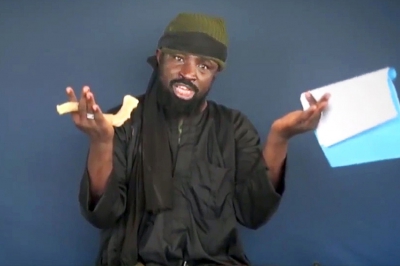
Qui dirige Boko Haram ? La question reste ouverte après que l’hebdomadaire de propagande du groupe Etat islamique, dont les jihadistes nigérians se revendiquent, a présenté Abu Musab al-Barnawi comme le nouveau chef de sa branche ouest-africaine. Il y aurait donc eu du changement, mais la publication de cette interview a fait réagir Abubakar Shekau. Le chef historique de Boko Haram, dans un message audio, affirme qu’il est « toujours présent ».
Dans ce message audio, Abubakar Shekau affirme avoir été « trompé » par certains combattants et par l’organisation de l’Etat islamique, à qui il avait prêté allégeance l’année dernière. En ligne de mire, celui qui est présenté par un hebdomadaire officiel de l’EI comme le nouveau leader de Boko Haram : Abu Musab al-Barnawi. Dans cet entretien à la revue Al Naba, Abu Musab al-Barnawi est présenté comme le nouvel émir de Boko Haram. Il n’est jamais précisé qu’Abubakar Shekau est remplacé. Son nom n’est d’ailleurs jamais cité.
En revanche, dans son message sonore de ce jeudi, en réponse à cette interview, Abubakar Shekau cite bien Abu Musab al-Barnawi. Le chef déchu le qualifie de mécréant. S’adressant à Baghdadi, le chef du groupe Etat islamique, il conteste cette nomination et dit aussi son incompréhension face à cette décision. Dans sa déclaration, Shekau affirme qu’il n’acceptera plus aucun émissaire de l’EI, sauf « ceux vraiment engagés dans la cause d’Allah ».
Al-Bernawi pourrait être l’ancien porte-parole de Boko Haram, mais « ce nom ne dit rien sur son identité. C’est un nom de guerre qui veut dire originaire de Borno », indique Bakary Sambe, le directeur du Timbuktu Institute. « Ces messages entérinent une situation de fait : l’éclatement du mouvement », poursuit le chercheur. Deux branches de Boko Haram émergent donc : l’une fidèle au groupe Etat islamique avec une vision internationaliste, l’autre, fidèle à Abubakar Shekau, plus confuse.
Shekau « toujours présent »
Plusieurs fois donné pour mort, souvent présenté comme gravement malade ou blessé, les spéculations sur la disparation d’Abubakar Shekau sont courantes. En mars, son apparition sur une vidéo est remarquée : « Pour moi, la fin est venue », a-t-il déclaré. Mais celui qui a pris la direction de Boko Haram en 2009 n’entend pas céder sa place de leader. Dans son dernier message, Shekau indique « être toujours présent ».
Fait troublant : ce message ressemble étrangement à la vidéo diffusée le 24 mars et qui est la dernière communication connue de Shekau. Les propos sont quasiment identiques et il fait la même hésitation en prononçant son nom. S’agit-il d’un autre montage du même enregistrement ? Si c’était le cas, cela confirmerait que les divisons au sein de Boko Haram remontent à plusieurs mois.
Une stratégie de l’EI pour reprendre la main ?
« Depuis l’élection de Buhari à la tête du Nigeria, on a une réponse beaucoup plus cohérente, donc Boko Haram a quand même pris des coups », rappelle Vincent Foucher, chercheur à l’International Crisis Group.
Pour le chercheur, il pourrait bien s’agir d’une stratégie du groupe Etat islamique pour reprendre la main sur un mouvement qui bat de l’aile. « Il y a au fond l’idée que Shekau n’est pas bon commandant, ne choisit pas les bonnes cibles, ni les bons outils ou les bons hommes. Et donc l’Etat islamique s’investit un petit peu. Sans doute ont-ils décidé de pousser une fraction de gens avec lesquels ils ont des liens. »
Même si, selon Vincent Foucher, le Nigeria n’apparaît pas comme un front majeur pour le groupe terroriste en termes d’argent, d’armes ou d’hommes, « ça reste un étendard qui a une signification » estime-t-il, avec « une capacité d’infraction auprès d’une partie des gens au Nigeria qui souhaitent donner une dimension plus globale que la façon dont Shekau a jusqu’à présent mené la lutte. »
Pour Bakary Sambe qui avait annoncé dans un numéro de la Lettre de l’Observatoire des radicalismes (Mai 2016), le changement de leadership qui se préparait à la tête de Bonko Haram, « lorsque Abubakar Shekau, en 2014, avait fait allégeance à l’Etat islamique, cette allégeance n’a jamais été officiellement acceptée par la nébuleuse Daech et son khalife Al-Baghdâdî ».
Pour Sambe, « il y avait un problème de casting et d’image qui se posait ; le profil de Shekau n’ayant jamais séduit Daech qui joue sur la modernité du discours et la finesse communicationnelle, ce qui ne collait pas du tout avec Abubakar Shekau ».
D’ailleurs, ajoute Bakary Sambe « Shekau qui n’avait pas donné signe de vie depuis l’été 2015 serait surpris –si la déclaration est authentifiée- par la désignation du nouveau chef, désigné par l’Etat islamique, Al-Barnâwî ».
L’Institut se dit prudent l’identité d’Abu Musab Al-Barnâwî qui est un simple nom de guerre comme cela se fait dans les milieux djihadistes.« On ne sait pas qui il est réellement, ce nom ne dit rien sur sa vraie identité »
Pour l’expert sénégalais « Il y a dans cette annonce la symbolique de la reprise du nom d’Abu Musab Al-Zarqawi, le terroriste jordanien mais aussi la référence à l’origine bornouane de Boko Haram ; al-Barnâwî signifiant tout simplement être du Borno, l’Etat du Nord nigéria qui a vu émerger la secte fondée par Mohammed Yusuf en 2002 ».
Le Directeur de Timbuktu Institute conclut que « l’on va vers une situation qui va entériner l’éclatement du mouvement, entre une cellule originelle de la Yusufiyya nigériane, affaiblie, acculée par l’offensive militaire et des factions évoluant dans l’économie criminelle ayant comme fief le pourtour et les îles du Lac Tchad »
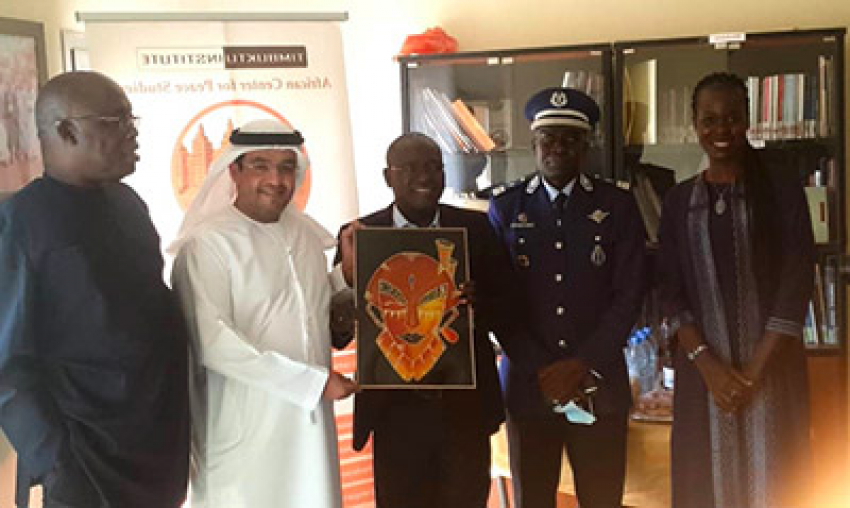
En offrant ce prix, Dr. Bakary Sambe, Directeur de Timbuktu Institute- African Center for Peace Studies de Dakar a dit vouloir « encourager la démarche inclusive qui a abouti à la reconnaissance de cet enseignement au Concours Général au moment où il est plus qu’important de prévenir les frustrations pouvant mener au radicalisme ».
Pour le coordonnateur de l’Observatoire des radicalismes et conflits religieux en Afrique, « le Sénégal gagnera toujours à harmoniser son système éducatif qui devra prendre en charge toutes les demandes mais aussi donner leur place à tous les enfants de ce pays. L’idéal étant au bout du compte d’unifier notre école».
Revenant sur cette édition, l’ancien lauréat du Concours général (en français et en arabe, 1992) se dit « satisfait du choix du parrain, Pr. El Hadji Rawane Mbaye symbole de l’unification de nos élites aux parcours divers et preuve vivante que les doomu daara, issus de l’école arabophone mais ayant joué leur participation dans l’excellence, ont toujours été au cœur du progrès social notamment au service de l’éducation et de la cohésion sociale ».
« Cette action sera pérennisée notamment dans le cadre du volet « Education pour la paix » qui occupe une place importante dans les différents programmes du Think tank africain », souligne Bakary Sambe.
Le Ndomo est une structure traditionnelle créée sous forme d’association depuis 1990. Elle s’inspire des étapes de l’initiation dans la culture bambara afin de résorber le chômage des jeunes par une sauvegarde des traditions d’apprentissage de métiers et de savoir-faire. Le Ndomo désigne la première étape de l’initiation dans la culture bambara, traditionnellement une école de formation ouverte pour tous les jeunes. Tout se déroule en un seul lieu construit en 2003 dans la ville de Ségou.
Problème de développement posé :
La ville de Ségou est considérée comme un endroit de passage. Les investisseurs ne s’y intéressent pas beaucoup. Le chômage des jeunes reste très important et aggrave la situation économique de la région. Une association veut s’inspirer des méthodes traditionnelles d’éducation pour trouver une solution économique et éthique à ce fléau à travers la conservation des techniques traditionnelle de teinture du bogolan.
Objectifs du Ndomo :
Le Ndomo a pour principal objectif de lutter contre le chômage des jeunes tout en sauvegardant la tradition. Il vise aussi à innover à partir de la tradition et de ses valeurs afin de les adapter aux réalités du monde actuel.
Structure et fonctionnement
Au Ndomo, on fait tout pour éviter le mode de fonctionnement d’une entreprise occidentale. Le développement est calqué sur le savoir-faire et la culture locaux. Le Ndomo développe une méthode de travail qui permet à des jeunes sans niveau d’études d’accéder à une formation autour de l’artisanat textile et de la teinture avec des matériaux 100% produits au Mali. Son fonctionnement requiert l’équilibre entre un travail collectif (pour les grandes commandes), un travail individuel (réalisés par les jeunes à leur compte) et un travail de soutien (permettant de générer des fonds d’autofinancement de la structure collective) pour créer une solidarité et mettre en commun des projets. Un système sophistiqué est mis en place pour favoriser l’épargne afin d’aider les jeunes à être autonomes et avoir une meilleure attitude à l’égard de l’argent. C’est, en même temps, une école traditionnelle, une unité de production et un cadre d’accompagnement économique et social des jeunes dans leur vie en harmonie avec les traditions locales.
La formation est gratuite et accessible à toutes les catégories sociales. Les aînés prennent en charge les plus jeunes durant la formation qui dure deux ans. Durant ces deux années, le jeune apprenti constitue en même temps un « fond de roulement » (on ne parle pas de capital !) tiré des revenus des aînés. A la fin, le jeune a deux choix : s’installer à son compte et travailler de manière indépendante ou rester à l’atelier pour mener ses activités en conformité avec l’esprit du Ndomo et les méthodes traditionnelles de l’initiation et de la solidarité (ndama) bambara.
Activités et réalisations :
Economiquement, le Ndomo fonctionne sur deux principes : le travail solidaire pour générer des revenus équitablement partagés tout en garantissant la pérennité d’un « fonds collectif de roulement » et un système pour favoriser l’épargne. S’y ajoute une dimension éducative et écologique visant à préserver le cadre de vie.
I ) Les trois formes de travail dans le Ndomo : Ndomo et Ndama (initiation et solidarité)
Dans le Ndomo le principe des 3 formes de travail (collectif, individuel et soutien) structure toute l’activité.
II) Système mis en place pour favoriser l’épargne :
Incitation à l’épargne : Chaque jeune formé dans le Ndomo a l’obligation d’ouvrir un compte d’épargne. Pour empêcher le gaspillage, le compte d’épargne des jeunes célibataires de 18 à 20 ans sont sous la responsabilité du Ndomo. Chaque année, le Ndomo fixe un objectif d’épargne à atteindre par les jeunes afin de cultiver le sens de la responsabilité et de la gestion. A la fin de l’année, il y a un contrôle des comptes d’épargne. Si le montant exigé dans les objectifs est atteint, le jeune peut rester dans le Ndomo. Sinon, on lui accorde une seconde chance pour une année de « rattrapage » au terme de laquelle son maintien dans la structure dépend de la réalisation des objectifs en termes d’épargne et de discipline dans la gestion de son argent.
Micro-finance interne : les objectifs d’épargne peuvent être revus à la hausse selon l’importance de l’activité dans la structure pour créer des fonds communs pouvant servir à des prêts. En fait, les travailleurs du Ndomo, n’ont pas besoin de recourir aux banques pour les prêts personnels. C’est le Ndomo qui prend la responsabilité de prêts sans intérêts pour les projets personnels de « bien-être » des jeunes : besoins matériels, équipements etc.
L’entraide : Ce système est basé sur le principe traditionnel de la culture bambara appelé « Ndama » : l’aide mutuelle, la solidarité. Le fonds commun et le système de prêts aident les jeunes pour l’accès à la propriété : achat de terrain à usage d’habitation. 4 personnes en bénéficient présentement parmi les jeunes Ndomo.
Le planning des dépenses : il fait l’objet d’un programme spécial dans la vie du Ndomo avec des lignes budgétaires indispensables pour le « parcours de la vie » des jeunes : fonds de roulement, sécurité sociale et projets à court et à long termes. Le Ndomo aide le jeune à établir un budget selon les besoins fondamentaux et éviter le gaspillage très présent dans la société malienne à cause des cérémonies et évènements familiaux. L’objectif est de faire en sorte que le jeune puisse accéder à la propriété et construire un projet de vie dans le cadre d’un équilibre social.
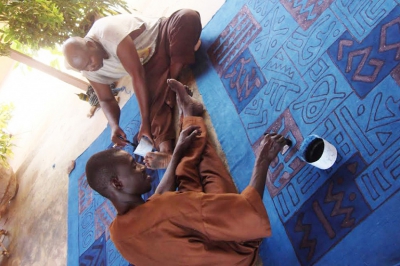
Recyclage des déchets de l’atelier : après la décoration des tissus, un lavage spécial permet de récolter de la boue ; il y a un circuit performant pour récupérer cette argile qu’on laisse se décomposer à travers des fûts pendant deux mois. Cela donne du compost offert gratuitement aux maraîchers voisins. Des restes d’écorces ayant servi à la teinture sont séchés au soleil puis utilisés comme combustible pour faire bouillir d’autres écorces ; les cendres sont, en partie, transformés en potasse de manière traditionnelle pour créer de nouvelles couleurs de teinture et le reste pour enrichir le composte naturel.
Cette structure semble donner des résultats satisfaisants et est cité en exemple au Mali comme dans des institutions internationales qui viennent très souvent la visiter. Il y a actuellement 14 jeunes dans le Ndomo de Ségou : 4 en initiation et 10 qui restent y travailler après leur formation. Près de 15 jeunes sont allés s’installer à leur compte depuis la création de la structure.
Les leçons du Ndomo
Une structure s’est inspirée des principes traditionnels locaux pour mettre en place un fonctionnement adapté à la culture locale. Elle a réussi à générer des revenus, réaliser de l’épargne au profit de ses membres et se développer par l’autofinancement. Elle semble viable et sert d’exemple dans la région. Elle est visitée pour son originalité et surtout parce qu’elle symbolise une stratégie endogène de développement dans une ville qui ne peut pas encore compter sur des investissements étrangers.
Auteur: Dr Bakar SAMBE
Auteur de Islam et diplomatie, la politique africaine du Maroc, le politologue sénégalais Bakary Sambe, Directeur de Timbuktu Institute-African center for peace studies, analyse l’influence religieuse du royaume sur le continent et l’offensive des pays qui tentent de la concurrencer..
Le Maroc veut créer une sainte alliance autour de l’islam malikite pour contrer l’essor du wahhabisme dans les pays africains, en s’appuyant sur les confréries religieuses. Est-ce une arme efficace face aux moyens financiers saoudiens ?
En Afrique subsaharienne, le Maroc dispose depuis plus de mille ans de ressources symboliques qui font défaut à ses rivaux maghrébins et du Golfe. Il y entretient des relations d’ordre spirituel qui le lient à l’Afrique via les confréries soufies, notamment la Tijaniya. Le wahhabisme est une greffe idéologique qui a pris avec les pétrodollars mais qui n’arrive pas à effacer ce passé commun, renforcé par le partage du dogme achâarite et du soufisme.
Les confréries ont, selon vous, un discours parfois archaïque, alors que le discours salafiste est beaucoup plus rationnel. Quel est l’impact sur les objectifs religieux du Maroc ?
Les confréries ont toujours été, jusqu’ici, un rempart contre le salafisme jihadiste. Mais il leur faut beaucoup d’efforts pour capter les jeunes attirés par le salafisme, avec son discours usant de la modernité technologique pour mieux combattre la modernité sociale et politique. Le salafisme est simple comme tous les discours idéologiques, et de plus en plus digital. Les confréries doivent didactiser leur message de paix et le rendre plus accessible aux jeunes aux réalités du moment.
L’Algérie peut-t-elle rattraper son retard en Afrique en matière d’influence religieuse ?
Le Maroc a clairement un avantage comparatif : il a très tôt cultivé la fibre religieuse alors que la génération du FLN algérien avait relégué le soufisme au dernier plan, en l’ayant même combattu. Il a fallu attendre 1984 pour que l’Algérie renoue avec la Tijaniya comme vecteur diplomatique. La riposte marocaine en 1985 lors du colloque de Fès a été déterminante pour la suite : les chefs religieux soufis venus de toute l’Afrique ont signé un mémorandum de soutien du royaume pour le Sahara marocain.
L’influence religieuse du Maroc dans les pays d’Afrique de l’Ouest a un nouveau challenger : la Turquie. Un adversaire à craindre à l’avenir ?
La Turquie a multiplié par cinq le nombre de ses représentations en Afrique depuis 2008. Ce pays a aussi un modèle à vendre : un islam modéré et un capitalisme de type musulman aux dehors modernistes. A côté de l’offensive diplomatique officielle d’Ankara, le mouvement de l’intellectuel musulman turc, Fethullah Gülen, impose sa présence par la généralisation du modèle d’enseignement turc dans des écoles élitistes à travers l’Afrique, où sont accueillis les enfants des plus hautes autorités politiques et militaires. Ce qui représente un levier d’influence important pour l’avenir. Lors d’une de ses récentes visites au Sénégal, Erdogan a inauguré le “jardin turc” dans la cour de laGrande mosquée de Dakar, inaugurée en 1964 par Hassan II et dessinée par son architecte personnel Gustave Collet. On y a vu le symbole puissant que les turcs sont désormais bien entrés dans le patio marocain.
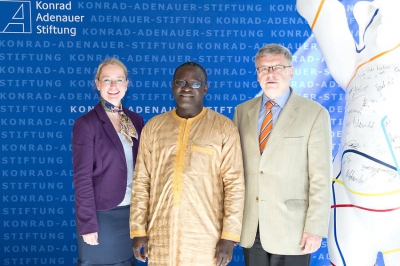
Dans le cadre de son volet « Education pour la Paix », Timbuktu Institute-African Center for Peace Studies (Dakar) en collaboration avec le Mouvement européen interreligieux « Coexister »,présente dans 33 villes de France, à Londres, Bruxelles et Genève, organise en partenariat avec la Fondation Konrad Adenauer, une Conférence sur le thème : « Coexister : le modèle sénégalais du vivre ensemble à la lumière d’autres expériences », le Jeudi 21 Juillet 2016 à 10h à la fondation Konrad Adenauer
Cette conférence sera co-animée par Dr. Bakary Sambe, directeur de Timbuktu Institute, coordonnateur de l’Observatoire des Radicalismes et conflits religieux en Afrique, les membres de la délégation de Co-exister ainsi que des personnalités religieuses et représentants de structures actives dans le dialogue interreligieux
En présence des leaders religieux et des associations, cette conférence-débat sera suivie d’un débat et des échanges sur les différentes expériences de dialogue et de consolidation de la paix et de la cohésion sociale en Afrique et en Europe.
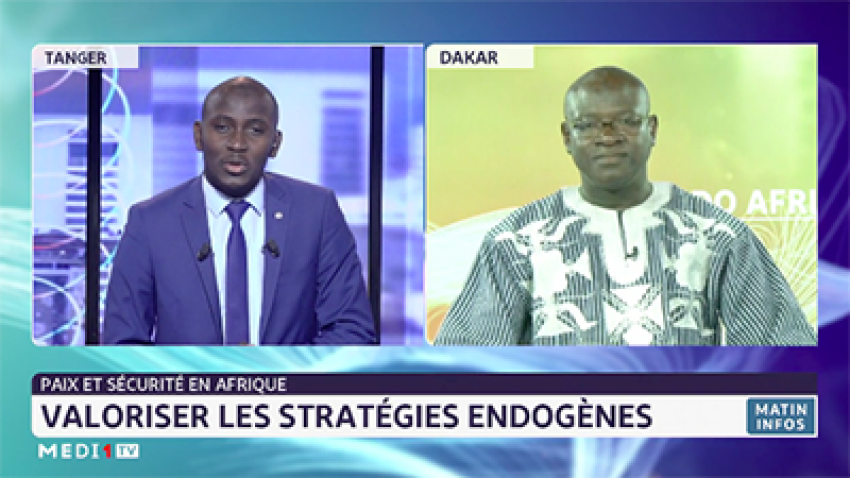
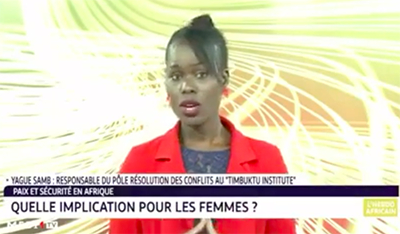
Tous les mercredis, dans le journal du matin, dans le cadre du partenariat entre Medi1tv et "Timbuktu Institute", des experts africains analyseront diverses problématiques liées aux enjeux vitaux du continent. Ce matin l'invité de L'Hebdo africain est Yague Samb, responsable du pôle "Résolution des conflits" à l'Institut de Tombouctou, elle aborde pour nous la place des femmes dans la résolution des conflits en Afrique.
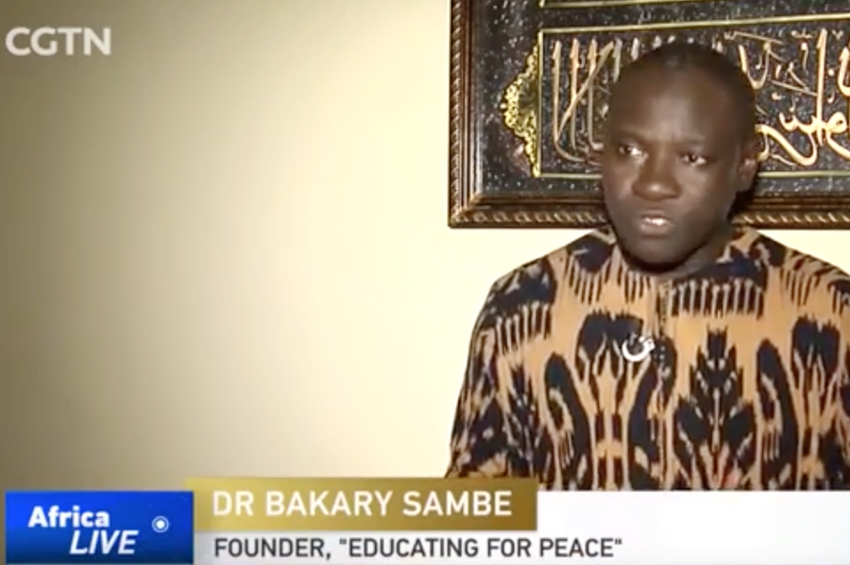
Cérémonie de lancement de la première chaîne YouTube sur l'éducation à la paix en Afrique "Timbuktu Institute - Educating for Peace" au WARC (West African Research Center), le 4 Janvier 2017
Sacré-Coeur 3 – BP 15177 CP 10700 Dakar Fann – SENEGAL.
+221 33 827 34 91 / +221 77 637 73 15
contact@timbuktu-institute.org