 French
 Arabic
 English
 Portuguese
 Spanish
 Swahili



Sacré-Coeur 3 – BP 15177 CP 10700 Dakar Fann – SENEGAL.
+221 33 827 34 91 / +221 77 637 73 15
contact@timbuktu-institute.org

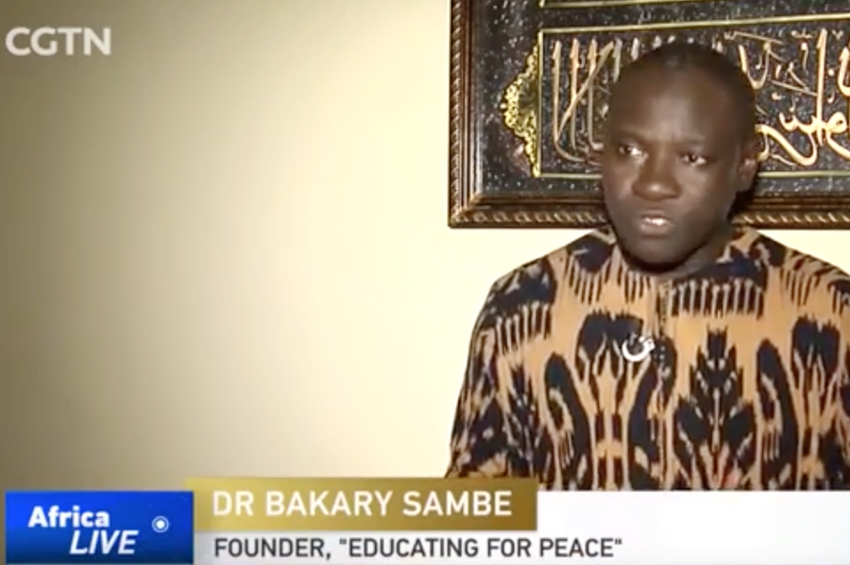
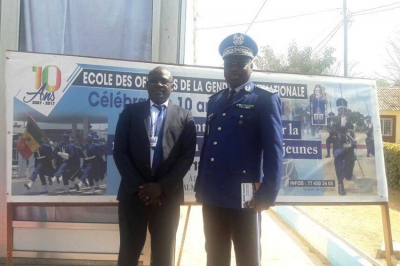
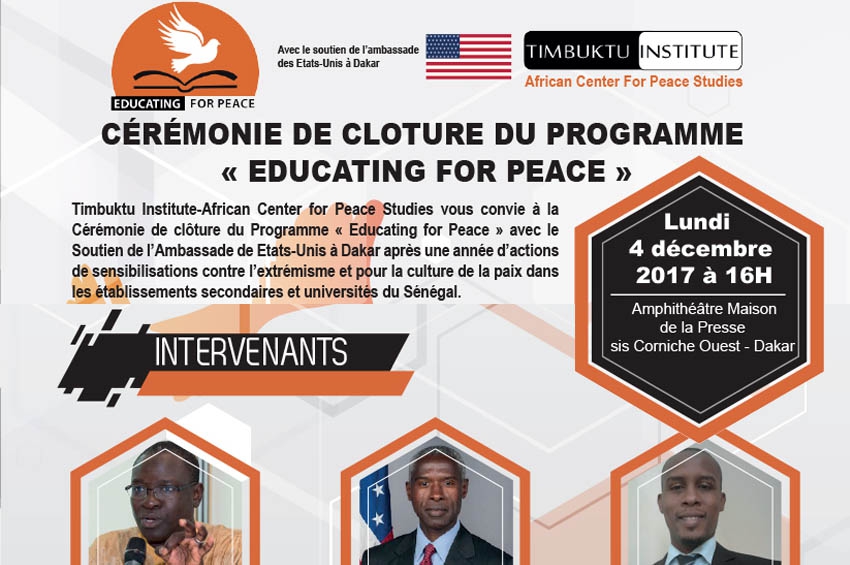
« L’implication de la communauté éducative et des leaders religieux, dans le cadre d’une démarche inclusive, est au cœur de notre action de prévention et de consolidation de la cohésion sociale au Sénégal contre toutes formes d’extrémisme et de discours de haine », souligne Bakary Sambe, directeur de Timbuktu Institute – African Center for Peace Studies, qui avait initié à Kaolack, le 25 mars 2017, la « Marche pour la Paix » dans le cadre du programme national « Educating for Peace », soutenu par l’Ambassade des Etats-Unis du Sénégal.
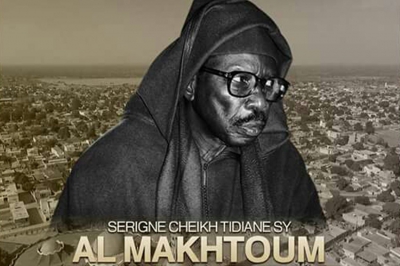
Disparition de Serigne Cheikh Ahmed Tidians Sy: Timbuktu Institute salue la mémoire d’un grand soufi et homme de paix.
« La fusion des groupes djihadistes est une anticipation du redéploiement de Daech dans le Sahel » (Bakary Sambe, BBC) Trois groupes jihadistes du Sahel ont annoncé la fusion de leurs organisations dans une vidéo diffusée par l’agence privée mauritanienne Al-Akhbar.
Le groupe est formé d’Ansar Dine, Al-Mourabitoune et l’Emirat du Sahara, une branche d’Al-Qaïda au Maghreb islamique. L’alliance sera dirigée par le chef malien Iyad Ag Ghaly, leader d’Ansar Dine. Le nouveau mouvement est baptisé « groupe de soutien à l’islam et aux musulmans ».
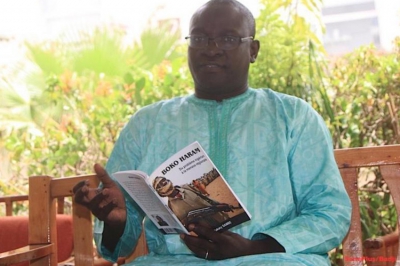
Bakary Samb est le directeur du Timbuktu Institute-African Center for Peace studies.
Raïssa Ioussouf lui a demandé si cette alliance était liée à l’installation des autorités intérimaires dans le nord du Mali.
Pour écouter le son: http://www.bbc.com/afrique/region-39150052
Femmes et extrémisme violent au Sahel : « La déclaration de Bamako est une avancée majeure si elle est opérationnalisée » (Timbuktu Institute)
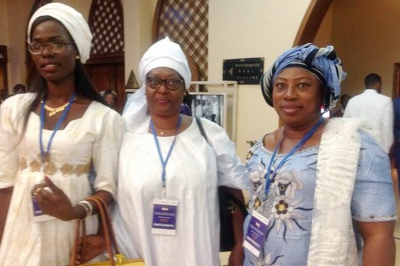
« La déclaration de Bamako ayant sanctionné les travaux du dialogue politique de haut niveau sur le leadership des femmes dans la prévention et la lutte contre l’extrémisme violent dans les pays du G5 Sahel constitue une avancée majeure si elle est suivie d’opérationnalisation ». C’est l’avis de Mme Yague Samb, de Timbuktu Institute-African Center for Peace Studies qui a représenté l’Observatoire des radicalismes et conflits religieux en Afrique à cette importante rencontre des 21 et 22 février 2017 à Bamako.
Faisant suite aux différentes initiatives dans le cadre de la promotion du leadership féminin dans la lutte contre la radicalisation et l’extrémisme violent, à la réunion de Bruxelles de mai 2013 ainsi qu’au forum régional de Ndjamena de juillet 2015, cette réunion a permis de revisiter des axes importants des Résolution 2250 et 1325 du Conseil de sécurité.
Pour Mme Samb, « le fait que les femmes soient affectées, non seulement comme victimes, mais aussi, de plus en plus comme actrices, est une donne importante dont il faudrait désormais tenir compte dans l’analyse du phénomène de l’extrémisme violent dans le Sahel ». De ce fait, elle soutient qu’il est impératif que « les partenaires techniques et financiers, mais aussi les Etats et l’ensemble de la communauté internationale contribuent davantage au renforcement du rôle des femmes dans la lutte contre l’extrémisme violent ».
A cet effet, Timbuktu Institute, qui travaille beaucoup sur la construction des résiliences communautaires par le dialogue inclusif, soutient et apprécie positivement les recommandations de cette déclaration notamment :
– La mise en place au niveau national et régional des cadres de concertation entre les organisations des femmes et les organisations religieuses
– L’intégration de modules relatifs à la radicalisation et l’extrémisme violent dans les programmes scolaires et universitaires.
Dans le cadre de son Observatoire des radicalismes et conflits religieux en Afrique (ORCRA) et des activités qu’il mène à travers son Programme « Educating for Peace » au sein des établissements scolaires, Timbuktu Institute se propose de participer activement à « la sensibilisation, des femmes, des jeunes, des leaders d’opinion (religieux et chefs coutumiers), la communauté et les médias sur les effets et les conséquences de l’extrémisme violent », conformément à la recommandation numéro 5 de la déclaration de Bamako à laquelle l’institut souscrit pleinement.
A l’issue de sa participation à la rencontre historique de Bamako, Timbuktu Institute a ainsi décidé de proposer sa coopération et son appui à ONUFEMMES, UNOWAS, G5 Sahel et à l’Union africaine (UA) dans le cadre du renforcement des capacités des réseaux de femmes et des jeunes œuvrant sur la lutte contre l’extrémisme violent et la radicalisation débouchant sur le terrorisme.
Dr Bakary Sambe, directeur de Timbuktu Institut : «Nous devons diversifier les approches de lutte contre le terrorisme »
Le directeur de l’Institut Timbuktu, Dr Bakary Sambe, déconseille l’usage à outrance des forces militaires pour combattre la montée de l’extrémisme religieux. Le spécialiste recommande plutôt la diversification des approches contre ce fléau.
Le Sénégal dispose de ressorts socioculturels pour faire face à la montée de l’extrémisme religieux. C’est la conviction de Dr Bakary Sambe, directeur de l’Institut Timbuktu. Parmi ces facteurs, il cite les confréries soufies. Cet argument est conforté par une étude réalisée dans la banlieue qui a révélé que 95% des personnes interrogées se reconnaissent dans le discours des religieux contre 4% de jeunes qui ne se retrouvent dans leurs messages. « Pour demeurer une sorte d’ilot de stabilité dans un océan d’instabilité qu’est la région ouest-africaine, le Sénégal s’appuie donc sur cet acquis considérable. L’Etat et ses démembrements tentent de faire des chefs religieux des leviers de médiation avec une sensibilisation permanente lors des grands événements religieux, mais aussi une action sur le terrain menée par la Cellule de lutte anti-terroriste (Clat) collaborant avec toutes les composantes de la société, chefs religieux comme leaders traditionnels », brosse Dr Bakary Sambe. Toutefois il précise que la tentation d’une approche sécuritaire dirigée vers certains mouvements et l’absence de prospective en négligeant les possibilités de construire et d’encadrer des stratégies de résilience communautaire inclusives pourraient impacter sur le « contrat social sénégalais ».
Par ailleurs il a démontré que le recours à la force militaire n’a pas produit des résultats escomptés dans beaucoup de pays. Il en veut pour preuve la poursuite des attentats dans des villes, dans des pays où les militaires sont spécifiquement déployés pour combattre le fléau. Le constat, affirme-t-il, l’approche strictement sécuritaire n’a pas produit des résultats à la mesure des investissements et des efforts déployés par les Etats et la communauté internationale bien qu’il soit admis, par exemple, que les solutions militaires, qui sont surtout conjoncturelles, ont pu stopper les « djihadistes ».
Promouvoirlaprévention
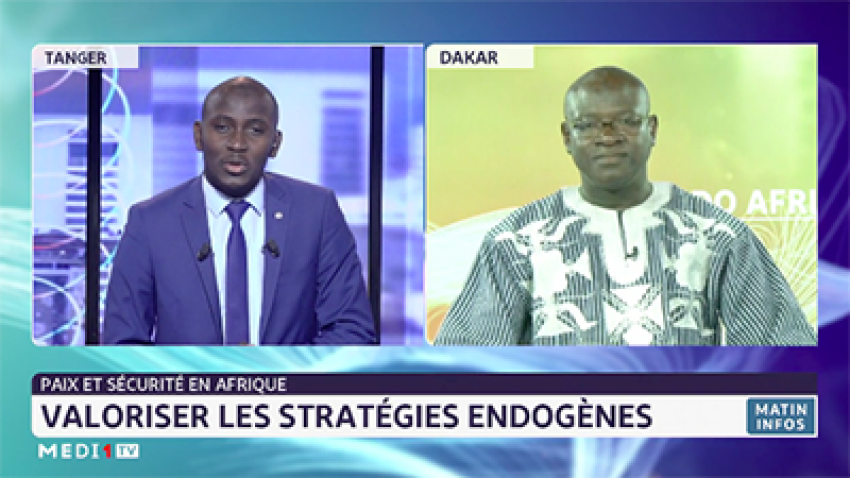
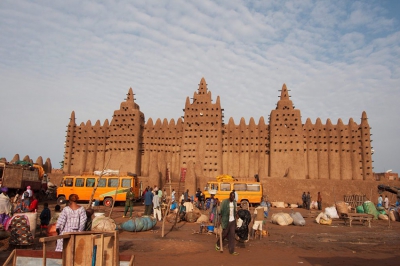
Pour lui, la militarisation à outrance est décriée comme porteuse de germes de radicalisation à moyen et à long terme comme ce fut le cas au Moyen-Orient. « Malgré des avancées notamment dans le « containment » des groupes « djihadistes », les opérations militaires n’ont jamais pu empêcher le phénomène de radicalisation. Au Mali, malgré la présence militaire au Nord, les fronts « djihadistes » prolifèrent notamment au Centre dans le contexte d’un dangereux cap vers le Sud. Les frontières maliennes constituant de ce fait un problème pour tous ses voisins (Ouagadougou, Grand Bassam, etc.) », évoque le chercheur qui rapporte des groupes « djihadistes » ont changé de modus operandi depuis l’expérience afghane. « Les interventions militaires étrangères alimentent du coup la rhétorique des recruteurs en vue de la légitimation religieuse du « Djihad » contre « l’envahisseur ». Dans une telle configuration, il s’avère important de diversifier les approches en donnant à la prévention toute sa place dans les différents dispositifs », conseille le chercheur. Il a insisté sur l’implication et la responsabilisation des communautés dans la lutte contre l’extrémisme. C’est dans cette optique qu’il a invité au recours de l’influence des religieux dans le contexte sénégalais pour prévenir les déviances des jeunes en quête de repères. « Les communautés religieuses elles-mêmes ont développé des résiliences dites communautaires qu’il serait important de soutenir en vue de stratégies endogènes que les populations s’approprient plus facilement comparées à celles émanant de l’« extérieur » souvent conçues par les destinataires comme imposées aux Etats. Ces derniers se trouvent ainsi dans une situation inconfortable devant concilier les impératifs de la coopération internationale de lutte et les contraintes politiques internes », fait remarquer Bakary Sambe. En plus des religieux, le spécialiste met l’accent sur le rôle que l’école peut jouer dans l’inclusion sociale, la socialisation des personnes en marge de la société. « La question éducative mériterait plus d’interventionnisme en faisant de la prévention par la socialisation le socle de la lutte contre les radicalismes religieux et l’extrémisme violent dans les décennies à venir », a-t-il insisté. Il ne sous-estime pas la lutte contre les inégalités sociales, l’ethnocentrisme et aussi la création d’espaces de socialisation dans des zones où les Etats sont fragilisés.
Source: lesoleil.sn
KANO, NIGERIA —
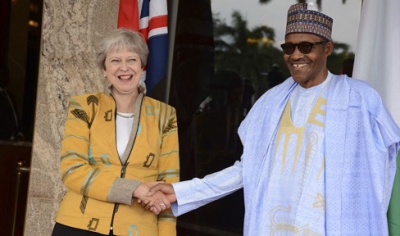
British Prime Minister Theresa May got plenty of attention for her trip to Africa last week. Videos of her dancing — one with secondary students who greeted her in South Africa and another with her dancing with young scouts in Kenya — went viral.
But May's dance-floor diplomacy didn't overshadow her larger mission in Africa, which was to forge business ties for a post-Brexit Britain. In Cape Town, she pledged more than $5 billion to support African markets and also promised that her country would overtake the United States to become the biggest investor in Africa out of the G-7 countries.
Cheta Nwanze, an analyst at the Lagos-based research firm SBM Intelligence says Britain is desperately trying to find new trade partners. "Because Brexit isn't working out as it had expected," he said. "Brexit is seven or eight months away now and they're so many contentious issues that will need to be resolved."
Playing catch up to China
German Chancellor Angela Merkel made her own recent foray to Africa, visiting Senegal, Nigeria and Ghana, also seeking economic benefit. China has played the role of Africa's largest trading partner for the past nine consecutive years, and both Britain and Germany have a lot of catching up to do.
According to British government figures, the country's total trade with Nigeria, South Africa and Kenya — the countries May visited — amounted to $16.9 billion in 2016. That's less than 2.5 percent of the $712 billion in goods and services that Britain exchanged with the European Union in the same year, Reuters reported.
Meanwhile, Germany declared 2017 a key year for its Africa policy and hosted African presidents in Berlin at a G-20 summit to boost private investment. However, to date, Germany only has about 1,000 companies that are active in Africa.
In comparison, China has 10,000 firms in Africa. It has financed more than 3,000 infrastructure projects on the continent, building thousands of kilometers of highways, generating thousands of megawatts of electricity and creating thousands of jobs across the continent.
"China is challenging all the Western countries, even the United States. China has no historical background of colonialism [in Africa] so many Africans prefer working with China," said Bakary Sambe, a development and peace studies analyst in Senegal.
This week, several African presidents are in China for the 2018 Forum for Africa-China Cooperation, which China's Foreign Minister Wang Li described as the biggest summit of all time.
But, Nii Akuetteh, a prominent independent Ghanaian policy analyst based in Washington, D.C., recommends African politicians, businesses and civil society members be wary of both the West and the East.
"If I had my way, they would be far more vigilant and tougher against Merkel, against May, and even against the Chinese, because all these global powers are rushing to Africa now and they all claim that they love Africa and they want to help. Well, we all heard that before and it led to slavery and it led to colonialism," he said.
Stopping migration
Akuetteh said May and Merkel are motivated in part by a desire to stop the waves of African migrants showing up on Europe's shores.
"They are doing this because their populace don't like Africans. Merkel is very clear, that's why she's doing this — we want to create jobs in Africa so you all don't come to Europe," he said.
Merkel said she wants to work with these governments to tackle issues the three countries are struggling with, such as the Boko Haram insurgency and widespread unemployment.
One of the agreement she said was an MOU signed between German automaker Volkswagen and partners in Ghana and Nigeria. Volkswagen announced last week it would assemble cars in Ghana and make Nigeria an automotive hub.
Ayisha Osori, the head of the Open Society Initiative for West Africa, commends this effort and says African leaders need to acknowledge the reasons why citizens are risking their lives to flee.
"It's a good deal to create more jobs to keep people away from migrating, coming over to Europe in less numbers. Looking at the people who try to cross the desert, that go by sea or by boat, what are they running away from? What is it about their lives that is making them to take such dangerous journeys?" Osori asks.
U.S. role?
In this scramble for Africa, the United States looms in the background, contributing mostly military support. The Brookings Institution says U.S.-Africa relations will not reach their potential if the executive office fails to provide diplomatic and policy leadership.
But U.S. President Donald Trump has shown little interest in the continent and angered many Africans with offensive remarks.
Though Trump has no announced plans of going to Africa, first lady Melania Trump announced in August that she will visit — without the president.
De nombreux Sénégalais se radicalisent et rejoignent les milieux djihadistes. Mais comment cela est-il possible, alors que l’islam pratiqué au Sénégal est réputé un islam très modéré basé sur le système confrérique? Les dispositions musclées prises par l’Etat arrivent-elles trop tard?
Les Sénégalais n’en ont jamais fait mystère : leur pays n’est pas à l’abri de la terreur djihadiste qui a frappé d’autres pays de la sous région. D’après les informations disponibles, de nombreux Sénégalais se radicalisent et rejoignent les milieux djihadistes. Mais comment cela est-il possible, alors que l’islam pratiqué au Sénégal est présenté comme un islam très modéré?
Non, ça ne se passera pas ici ! – Depuis octobre 2015, l’Etat sénégalais se montre en alerte : des Imams et autres acteurs soupçonnés d’avoir des liens avec le terrorisme sont arrêtés un peu partout dans le pays. Mais des voix critiques accusent l’Etat d’avoir laissé mûrir le danger. Dakar a aussi annoncé la mise en place d’une cellule de lutte anti-terroriste. Mais tout cela arrive-t-il trop tard?
Ecoutez Fréjus Quenum et ses invités :
– Bacary Sambe, professeur d’université, directeur du Timbuktu Institute et fondateur de l’observatoire du radicalisme religieux, auteurs de nombreux travaux dont le plus récent porte sur la perception du terrorisme dans la banlieue de Dakar
– Seydou Khouma, professeur d’université aussi, auteur d’une recherche sur les mouvements islamistes au Sénégal
– Hamidou Magassa, Anthropologue malien (en séjour au Sénégal au moment de l’enregistrement de cette émission)
– et Moussa Mohamed Amar, expert au Centre de Stratégie et de Sécurité pour le Sahel et le Sahara
Sacré-Coeur 3 – BP 15177 CP 10700 Dakar Fann – SENEGAL.
+221 33 827 34 91 / +221 77 637 73 15
contact@timbuktu-institute.org