 French
 Arabic
 English
 Portuguese
 Spanish
 Swahili





Sacré-Coeur 3 – BP 15177 CP 10700 Dakar Fann – SENEGAL.
+221 33 827 34 91 / +221 77 637 73 15
contact@timbuktu-institute.org

Timbuktu Institute
L’actualité au Mali est marquée par une multiplication des attaques terroristes de plus en plus violentes perpétrées par le JNIM et le FLA, alliés opérationnels très organisés et qui donnent du fil à retordre à l’armée malienne qui enregistre des pertes importantes en termes de soldats et de matériels. Cela témoigne de la capacité de nuisance impressionnante des ces attaques synchronisées d’envergure menées soit par les soldats du JNIM ou par les rebelles du FLA au Nord. Même si des succès militaires sont enregistrés çà et là, ils peuvent ne pas compenser les pertes enregistrées du côté des FAMa. Cette instabilité peut avoir des conséquences sur le plan régional notamment sur les proches voisins du Mali.
Embuscade sur l’axe Anéfis-Gao : L'armée malienne subit de lourdes pertes face à l'alliance FLA-JNIM
Pour ce mois de juillet, le Mali fait face à une des attaques les plus meurtrières depuis 2012. Dans une entente stratégique, le FLA et le JNIM, ont fait subir un coup dur FAMa dans une embuscade un convoi de l’armée malienne quittant Anéfis et en direction de Gao le 18 juillet 2026. Le bilan du côté de l’armée malienne est lourd : au moins 50 militaires tués et plusieurs hommes emprisonnés. Certains évoquent des défaillances tactiques alors que l’armée malienne de son côté fait état de défauts de coordination avec leur partenaires russes d’Africa Corps; ces derniers n’ayant pas subi de pertes de leur côté. Cette attaque fait suite à une série d’offensives des groupes armés du Nord-Mali dans le dessein de contrôler Anéfis. Après quatre années, le régime d’Assimi Goïta et ses partenaires russes peinent à faire face aux attaques coordonnées FLA-JNIM avec notamment la prise de Kidal, alors que l’objectif de la prise du pouvoir était de sécuriser le territoire malien contre les attaques des groupes armées. Quelques jours avant cette embuscade, les Forces Armées Maliennes auraient détruit un refuge des terroristes dans la forêt de Keroko située dans la région de Bougouni dans une frappe aérienne. Les terroristes qui ont pris la fuite ont été neutralisés et leurs matériels confisqués. Les FAMa poursuivent cette traque des terroristes.
Malgré les affirmations de l’armée malienne sur d'éventuels bombardements et la neutralisation de centaines de terroristes, plusieurs zones périphériques et axes routiers restent sous le joug du JNIM. Plusieurs axes stratégiques dont le centre Nord et le Centre sont entravés, empêchant l’armée malienne de mener correctement ses opérations. À cela, s’ajoutent le fait que les indépendantistes du FLA revendiquent le contrôle de Kidal ainsi que la capture de soldats de l’armée malienne. Dès lors, il naît le besoin de redessiner les alliances stratégiques au Sahel et particulièrement pour les pays de l’AES dont la collaboration avec la Russie est de plus en plus remise en cause. Par exemple, les paramilitaires russes en tête de convoi, arrivent à Gao sans perdre un seul homme alors que d'importantes pertes sont enregistrées du côté des FAma. “ Il y a eu un problème de coordination entre les Russes et l'armée », a confié un élu malien.”
Timbuktu Institute, Week 3, July 2026
Three years after coming to power, Bassirou Diomaye Faye is closing one political chapter and opening another. On 25 July, in Dakar, the head of state officially launched his own party, “Kiiraay – The Republican Patriots ”, thereby cementing, now publicly and formally, the rupture that has been building for several months with his former mentor Ousmane Sonko and PASTEF. This launch, prepared since November 2025 under the supervision of Aminata Touré, crowns a strategy of political realignment under way on several fronts at once. Domestically, the president has multiplied gestures of openness beyond Pastef's historic base, going so far as to back Macky Sall's candidacy for UN Secretary-General – a decision unthinkable a year earlier – while at the same time tightening his grip on institutions and the administration: the appointment of Ousmane Diagne to head the Constitutional Council after the invalidation of the constitutional revision pushed through by the parliamentary majority, the replacement of several officials seen as close to Sonko at the head of strategic institutions (the Autonomous Port of Dakar, 3FPT, the National Vocational Training Office), and successive rallyings of PASTEF cadres to the “presidential initiative”. Sonko, for his part, continues to downplay the crisis, presenting it as a mere difference in outlook rather than an institutional dysfunction, but the rivalry has now crystallised around two competing projects: loyalty to Pastef's original line for one, the building of a broader legitimacy for the other. Senegal's political landscape is thus being redrawn around three rival poles (Kiiraay, PASTEF and Macky Sall's APR), a configuration that could, according to several observers, hasten early legislative elections. This domestic realignment is finally accompanied by a regional assertion of Senegal, with the rotating presidency of ECOWAS entrusted to Diomaye Faye and the announced appointment of General Birame Diop to head the organisation's Commission for 2026-2030, placing Dakar in a position of influence over the future of an ECOWAS weakened by security crises and tensions with the AES. One fundamental question remains, one that the creation of Kiiraay does not resolve but rather makes more pressing: whether Senegal can durably operate with two centres of power stemming from the same founding movement, but now set on clearly diverging paths.
A year ago, few could have foreseen such a scene: former president Macky Sall, welcomed in Dakar amid a sea of supporters and cheers. And yet that was exactly what happened on 17 July, when the former head of state made a striking return to his country to secure the official backing of his successor Bassirou Diomaye Faye for his bid to become UN Secretary-General. A request to which the latter responded favourably. The head of state thus instructed the government and Senegal's diplomatic network to mobilise in support of this candidacy among UN member states, through a public statement. This decision marks a major political turning point. Breaking with the line historically defended by Pastef, which had made Macky Sall one of its principal adversaries and had considered prosecuting him, Bassirou Diomaye Faye once again confirms his break with Ousmane Sonko. This repositioning is part of a strategy of openness and realignment of alliances, as the president prepares to launch his own political party and looks ahead to the coming electoral deadlines, amid speculation over a possible rapprochement with the Alliance for the Republic (APR).
In doing so, it now appears clearer than ever that the divorce between the president and his former prime minister Ousmane Sonko is part of a lasting dynamic of power realignment in Senegal. A rift that, as is known, affects institutions, the public administration and Pastef's own internal organisation alike, with each camp seeking to consolidate its own bases of legitimacy. A recent institutional sequence illustrates this. Thus the appointment, on 13 July, of magistrate Ousmane Diagne to head the Constitutional Council, replacing the late Mamadou Badio Camara. A former attorney general at the Dakar Court of Appeal, first advocate general at the Supreme Court and then minister of Justice, Ousmane Diagne already sat on the high court before his appointment. His arrival comes at a particularly sensitive time, just days after the Constitutional Council invalidated the constitutional revision adopted by the National Assembly at the initiative of the Pastef-led parliamentary majority. The presidential assertion of authority is also reflected in the gradual takeover of several strategic sectors of the administration. Indeed, since Sonko's departure from the Prime Minister's office in May 2026, several officials seen as close to him have been replaced at the head of major public institutions. The change of leadership at the Autonomous Port of Dakar, with the departure of Waly Diouf Bodiang, a lieutenant very close to Sonko, stands as one of the most symbolic examples. Other changes have also affected the vocational training sector, with the replacement of the heads of 3FPT and the National Vocational Training Office. These changes reflect the presidential camp's determination to tighten its grip on the machinery of state, while Pastef itself is undergoing internal realignments. The departure of Babacar Faye, a party cadre in Fatick — former president Sall's stronghold — and managing director of the Naval Repair Infrastructure Company, illustrates this dynamic. After ten years of activism, he announced he was rallying to the “presidential initiative” led by Bassirou Diomaye Faye, giving up his responsibilities within Pastef. A development that reflects the battle for influence under way between the two camps to retain or attract the movement's cadres.
Realignments under way
Despite this rising tension, Ousmane Sonko continues — every other day — to present the split with Bassirou Diomaye Faye as a political disagreement rather than an institutional crisis. In an interview given to Al Jazeera, the Speaker of the National Assembly rejected the idea of any dysfunction within Senegal's institutions, arguing that the separation of powers between the presidency, the government and Parliament remained clear. He also defended the constitutional reform struck down by the Constitutional Council, arguing that it strengthened checks and balances and matched the commitments made to Senegalese citizens. On his relationship with the head of state, Ousmane Sonko struck a measured tone, saying the rupture was not a matter of trust but of “diverging visions” regarding commitments to the Senegalese people. In practice, however, the rivalry between the two men is now structured around two distinct projects. While Sonko intends to remain the guardian of Pastef's original line, Bassirou Diomaye Faye is seeking to build a legitimacy of his own, widening his political base beyond the party's historic circle. Indeed, by throwing his support behind Macky Sall, Bassirou Diomaye Faye is openly displaying his strategy of openness aimed at broadening his alliances. Successive meetings with Karim Wade, then with Macky Sall, followed by trips to Qatar, further attest to a gradual realignment of the political balance of power.
Timbuktu Institute
Trois ans après son accession au pouvoir, Bassirou Diomaye Faye referme une séquence politique et en ouvre une autre. Le 25 juillet, à Dakar, le chef de l'État a officialisé la création de son propre parti, « Kiiraay – Les Patriotes Républicains », consacrant ainsi, de façon désormais publique et structurée, la rupture engagée depuis plusieurs mois avec son ancien mentor Ousmane Sonko et le PASTEF. Ce lancement, préparé depuis novembre 2025 sous la supervision d'Aminata Touré, vient couronner une stratégie de recomposition politique à l'œuvre sur plusieurs fronts simultanés. Sur le plan intérieur, le président a multiplié les gestes d'ouverture au-delà du socle historique de Pastef jusqu'à apporter son soutien à la candidature de Macky Sall au secrétariat général des Nations unies, une décision impensable un an plus tôt tout en resserrant son emprise sur les institutions et l'administration : nomination d'Ousmane Diagne à la tête du Conseil constitutionnel après l'invalidation de la révision constitutionnelle portée par la majorité parlementaire, remplacement de plusieurs responsables réputés proches de Sonko à la tête d'institutions stratégiques (Port autonome de Dakar, 3FPT, Office national de formation professionnelle), et ralliements successifs de cadres du PASTEF à l'« initiative présidentielle ». Sonko, de son côté, continue de minimiser la crise, la présentant comme une simple divergence de vision plutôt qu'un dysfonctionnement institutionnel, mais la rivalité s'est désormais cristallisée autour de deux projets concurrents : la fidélité à la ligne originelle de Pastef pour l'un, la construction d'une légitimité élargie pour l'autre. Le paysage politique sénégalais se trouve ainsi redessiné autour de trois pôles rivaux (Kiiraay, PASTEF et l'APR de Macky Sall), une configuration qui pourrait, selon plusieurs observateurs, précipiter la tenue de législatives anticipées. Cette recomposition intérieure s'accompagne enfin d'une affirmation régionale du Sénégal, avec la présidence en exercice de la CEDEAO confiée à Diomaye Faye et la nomination annoncée du général Birame Diop à la tête de la Commission de l'organisation pour 2026-2030, plaçant Dakar en position d'influence sur l'avenir d'une CEDEAO fragilisée par les crises sécuritaires et les tensions avec l'AES. Reste une question de fond, que la création de Kiiraay ne résout pas mais rend au contraire plus pressante : celle de la capacité du Sénégal à composer durablement avec deux centres de pouvoir issus d'un même mouvement fondateur, mais engagés sur des trajectoires désormais clairement divergentes.
Il y a encore un an, peu auraient pu anticiper une telle scène : l’ex-président Macky Sall, accueilli à Dakar dans un bain de foule et de hourras de ses partisans. Et pourtant, c’était bien le cas le 17 juillet où l’ancien chef de l’Etat a fait un retour marquant dans son pays pour obtenir le soutien officiel de son successeur Bassirou Diomaye Faye dans le cadre de sa candidature au poste de Secrétaire général des Nations unies. Une sollicitation à laquelle ce dernier a répondu favorablement. Ainsi, le chef de l'État a chargé le gouvernement et le réseau diplomatique sénégalais de se mobiliser pour promouvoir cette candidature auprès des États membres de l'ONU à travers un communiqué rendu public. Cette décision marque un tournant politique majeur. En rupture avec la ligne historiquement défendue par Pastef, qui faisait de Macky Sall l'un de ses principaux adversaires et envisageait des poursuites contre lui, Bassirou Diomaye Faye confirme une fois de plus, sa rupture avec Ousmane Sonko. Ce repositionnement s'inscrit dans une stratégie d'ouverture et de recomposition des alliances, alors que le président prépare la création de sa propre formation politique et se projette vers les prochaines échéances électorales, sur fond de spéculations autour d'un possible rapprochement avec l'Alliance pour la République (APR).
Ce faisant, il apparaît plus que jamais limpide que le divorce entre le président et son ancien Premier ministre Ousmane Sonko s’inscrit dans une dynamique durable de recomposition du pouvoir au Sénégal. Une fracture qui, on le sait, touche à la fois les institutions, l’administration publique et l’organisation interne du Pastef, chacun des deux camps cherchant à consolider ses propres bases de légitimité. En ce sens, une récente séquence institutionnelle en constitue une illustration. Ainsi la nomination le 13 juillet, du magistrat Ousmane Diagne à la tête du Conseil constitutionnel, en remplacement de feu Mamadou Badio Camara. Ancien procureur général près la Cour d’appel de Dakar, premier avocat général près la Cour suprême puis ministre de la Justice, Ousmane Diagne siégeait déjà au sein de la haute juridiction avant sa nomination. Son arrivée intervient dans un contexte particulièrement sensible, quelques jours après l’invalidation par le Conseil constitutionnel de la révision constitutionnelle adoptée par l’Assemblée nationale à l’initiative de la majorité parlementaire issue de Pastef. Par ailleurs, l’affirmation présidentielle se manifeste également dans la reprise en main progressive de plusieurs secteurs stratégiques de l’administration. En effet, depuis le départ de Sonko de la Primature en mai 2026, plusieurs responsables réputés proches de ce dernier ont été remplacés à la tête d’institutions publiques majeures. Le changement à la direction du Port autonome de Dakar, avec le départ de Waly Diouf Bodiang lieutenant très proche de Sonko, en vient à constituer l’un des exemples les plus symboliques. D’autres mouvements ont également concerné le secteur de la formation professionnelle, avec le remplacement des dirigeants du 3FPT et de l’Office national de formation professionnelle. Ces changements traduisent une volonté du camp présidentiel de renforcer son contrôle sur l’appareil d’État, tandis que Pastef connaît lui-même des recompositions internes. Le départ de Babacar Faye, cadre du parti à Fatick, fief de l’ancien président Sall et directeur général de la Société des infrastructures de la réparation navale, illustre cette dynamique. Après dix années de militantisme, celui-ci a annoncé son ralliement à « l’initiative présidentielle » portée par Bassirou Diomaye Faye, renonçant à ses responsabilités au sein de Pastef. Une évolution qui témoigne de la bataille d’influence engagée entre les deux camps pour conserver ou attirer les cadres du mouvement.
Recompositions en cours
Malgré cette montée des tensions, Ousmane Sonko continue - un jour sur deux - de présenter la séparation avec Bassirou Diomaye Faye comme une divergence politique plutôt qu’une crise institutionnelle. Dans un entretien accordé à Al Jazeera, le président de l’Assemblée nationale a rejeté l’idée d’un dysfonctionnement des institutions sénégalaises, estimant que la répartition des pouvoirs entre la présidence, le gouvernement et le Parlement demeurait claire. Il a également défendu la réforme constitutionnelle censurée par le Conseil constitutionnel, considérant qu’elle renforçait les contre-pouvoirs et correspondait aux engagements pris devant les Sénégalais. Au sujet de sa relation avec le chef de l’État, Ousmane Sonko s’est voulu mesuré, affirmant que la rupture ne relevait pas d’une question de confiance mais de « visions divergentes » quant aux engagements envers le peuple sénégalais. Dans les faits, cependant, la rivalité entre les deux hommes est désormais structurée autour de deux projets distincts. Tandis que Sonko entend demeurer le gardien de la ligne politique originelle de Pastef, Bassirou Diomaye Faye cherche à construire une légitimité propre, en élargissant son socle politique au-delà du cercle historique du parti. Car en apportant son soutien à Macky Sall, Bassirou Diomaye Faye affiche en plein jour sa stratégie d’ouverture destinée à élargir ses alliances. Les rencontres successives avec Karim Wade, d’abord avec Macky Sall ensuite lors de déplacements au Qatar, témoignent de surcroît d’une recomposition progressive des équilibres politiques.
Timbuktu Institute – July 2026
After a decade of progressive disengagement, the United States is beginning a tentative return to the Sahel. This return no longer follows Washington’s strategy of the Obama-Biden years, which provided humanitarian aid and still promoted “democratic values.” Under the Trump presidency, this is a more transactional diplomatic actor, driven by unprecedented domestic pressures, now negotiating directly with Sahelian stakeholders it seemed to snub just two years ago. Apart from the lightning intervention in Nigeria and visits that have become more frequent in the region in recent months, the latest signal came from a Washington Postreport on July 22, 2026, according to which the Trump administration is already considering direct military action in Mali among the possible options. The two contexts are quite different, given that the Nigeria intervention was, at least in its stated justification, driven by a religious dimension. For Mali, other reasons would necessarily have to be invoked, despite the pragmatic approach that is fueling debate both within the US Administration and among regional experts.
A Withdrawal Followed by a Strategic Vacuum
Since 9/11, American engagement in the Sahel has taken two forms: a counterterrorism presence that always remained minor compared to its scale in the Middle East, and humanitarian soft power carried out by various structures such as the Peace Corps, USAID, and NGO funding in health, education and food security, as well as the prevention of violent extremism. But this dual engagement collapsed almost simultaneously following the latest decisive developments in the region. There was a military withdrawal from strategic bases, including drone bases in Niger, closed in 2024 after the coup, and the closure of USAID programs, the US Agency for International Development. This dynamic, compounded by the effects of France’s withdrawal and signs of Europe’s waning interest – preoccupied with Ukraine – de facto precipitated a vacuum that Russia lost no time filling, through the Wagner Group, rebranded Africa Corps, now present in Mali, Burkina Faso and Niger.
The result of this combination of facts, according to General Dagvin Anderson, head of AFRICOM, in a Senate hearing, was that a reduction in the Command’s regional posture turned the Sahel into what he himself called an “intelligence black hole.” Meanwhile, Jama’at Nusrat al-Islam wal Muslimin (JNIM), Al-Qaeda’s Sahelian branch, has reached its highest operational capacity since its creation, to the point of claiming, alongside Tuareg separatists, the assassination of Malian Defense Minister Sadio Camara in late April 2026 as part of an alliance that is redrawing the lines of the conflict in Mali.
Diplomatic Doctrine or Religious Lobbying: What Is Driving Washington’s “Return”?
Since 2020, legislative texts and Congressional hearings devoted to the Sahel point to the same conclusion: the American return could not be driven by a single, coordinated doctrine, but rather by the convergence of several lobbies with distinct interests — security, economic, and even ideological.
The case of Nigeria perfectly illustrates this new mindset in American diplomacy under Trump. After a hearing before the House of Representatives in the first quarter of 2025, where Nina Shea of the Hudson Institute and Tony Perkins of the Family Research Council testified, President Trump insisted on putting Nigeria back, in October 2025, on the list of “Countries of Particular Concern” for religious freedom, denouncing a persecution of Christians that he called an “existential threat.” The United States Commission on International Religious Freedom welcomed the decision at the time, and a resolution calling for sanctions soon followed in the House.
The affair then took a dramatic turn: Trump threatened to intervene militarily “guns-a-blazing,” before finally ordering, on Christmas Day 2025, drone strikesagainst Islamic State positions in Sokoto State.
As already analyzed at the time, researchers from the Timbuktu Institute noted in an article titled Religion, Rockets and Troops: The Trump Administration’s Push Against Jihadists in Nigeria: “In early December, a delegation of members of the US Congress traveled to Abuja as part of a fact-finding mission, during which it gathered testimony from government officials, victims of violence, as well as leaders and religious organizations (…) in the Middle Belt region. The military strikes were carried out a few weeks after this visit. Despite this new military cooperation between the United States and Nigeria, a bill was introduced in the US Congress in February 2026, threatening visa bans and asset freezes for Nigerians specifically accused of violations of religious freedom.”
Recall that these strikes had been coordinated with Abuja, as confirmed by Nigerian Foreign Minister Yusuf Tuggar after two calls with Marco Rubio. The Washington Post, in a December 27 editorial, even praised these “justified strikes,” judging that the president was “wise to stay engaged” in the region. Such praise was so rare from a newspaper whose editorial line is often critical of the Trump Administration that it drew the attention of many observers of the American political-diplomatic scene. But this religious reading of the Nigerian conflict by certain pressure groups remains contested: several analysts point out and document that jihadist groups strike both Muslims and Christians.
A Realpolitik of “Intelligence for Minerals”?
Taking into account the complexity of this shift in American diplomacy, it would appear that the religious lobby is, in the end, only one of many drivers of this policy. On the security front, the Trump administration had, since 2025, renewed ties with the military powers of the Alliance of Sahel States (Mali, Burkina Faso, Niger), which it had nonetheless watched gradually shift toward Moscow. Such an approach is described by certain specialized media outlets such as Geopolitical Futures as a pragmatic trade-off: exchanging counterterrorism intelligence for access to the region’s strategic minerals. Washington has even gone so far as to soften, in its official talking points, its opposition to the sovereigntist rhetoric of the military regimes ; which points to a clear break with yesterday’s normative stance emphasizing democratic governance criteria. On the economic front, finally, Congress is exploring infrastructure projects with a security dimension, such as the transatlantic submarine cable linking the United States, the Virgin Islands, Ghana and Nigeria (H.R.1737), passed in the House with rare bipartisan supportespecially when it comes to African issues.
Mali: From Intelligence Realpolitik to the Military Option?
This pragmatic trade-off logic — offering intelligence-sharing in exchange for strategic access — already appears to be shifting toward a more direct positioning on the Sahelian chessboard. The Washington Post revealed on July 22, 2026, based on several current and former official sources, that the Trump administration is actively assessing military action in Mali against JNIM.
If such an operation were to be approved, it would make Mali the eighth country where Trump has ordered strikes since the start of his second term. The whole question will be how the American Administration would justify such a choice, which would run counter to its initial promises to disengage from foreign conflicts.
The case above all reveals an Administration divided on such a crucial issue. Sebastian Gorka, senior director of the National Security Council for counterterrorism, is reportedly openly pushing for the military option, while other officials are said to be arguing for more caution. Experts consulted by the Postare skeptical about the effectiveness of a new armed intervention. Wassim Nasr, a Sahel specialist at the Soufan Center, believes that “opting once again for the military solution will solve nothing — the French tried it for ten years, the Russians for five, and the situation has only gotten worse.” Peter Pham, Trump’s former special envoy for the Sahel during his first term, argued for his part that trust with Bamako and Niamey would first need to be rebuilt before any security cooperation.
The immediate context fueling these debates remains quite sensitive: in early July 2026, JNIM set an ambush for a Malian military convoy between Gao and Anefis, killing or capturing at least 50 soldiers, including Russian fighters from Africa Corps, which replaced Wagner alongside the Bamako regime following Moscow’s official acknowledgment of its military engagement in Mali. Bamako claims, however, to have retaliated with airstrikes that killed 20 fighters. And according to data from the Armed Conflict Location & Event Data Project (ACLED) cited by the Post, the Malian army and its Russian partners killed nearly four times as many civilians last year (925) as Islamist groups combined (232). Such a confusing balance of power will significantly complicate the idea of an American security partnership with a military power already accused of abuses by human rights organizations.
A senior Administration official, speaking anonymously, summed up the emerging American doctrine: terrorism in the Sahel is a “multinational problem,” and Washington is now calling on “regional partners and NATO allies to support the Alliance of Sahel States in its war against JNIM and the Islamic State.” Such a stance, just months after American troops were expelled from Niger, marks, diplomatically, a certain decisive reversal. It remains to be seen how NATO partners will receive such a proposal, and to what extent Europe and its member states will respond to this “call,” which raises a number of diplomatic and strategic questions.
American Re-engagement: What Room for Maneuver Do Countries in the Region Have?
For Sahelian governments, this reshuffling opens a narrow but real window. Washington, which appears to be motivated by religious lobbies, critical mineral needs, and competition with Russia and, above all, China, would thus become a partner with real leverage, but one with whom every form of engagement will need to be negotiated down to the smallest detail. But warnings abound from various quarters, calling instead for a degree of caution. Where the National Interest judges Washington’s current actions toward re-engagement to be “welcome but insufficient” in the face of a JNIM in full regional expansion, several experts point out that a partnership built on accumulated mistrust since the post-coup sanctions would remain fragile, and that Washington cannot settle for a simple “quiet return” if it wants to carry weight now and over time against a Russia that is already firmly established.
But in reality, even without a visible presence, the Americans never fully severed ties with the region’s military high commands, which are constantly invited to the United States for various exchange programs and also take part in various exercises, training seminars and exchanges of best practices on counterterrorism strategies, among other things. Washington has remained in constant contact with the military leadership of the region’s various countries, despite diplomatic posturing and AES-ECOWAS tensions.
For governments in the region — and first and foremost the most directly concerned countries of the central Sahel — it would be strategically necessary to understand the ecosystem of pressure groups, defense industries, ad hoc bipartisan coalitions and other think tanks in Washington, in order to no longer be subject, without leverage, to this new reality of American diplomacy. Anticipating this potential dynamic of American re-engagement in the Sahel would be the best guarantee of putting it to work for their own development and security priorities, in the face of populations that have grown, over time, skeptical of security cooperation and increasingly hostile to foreign interventions.
Timbuktu Institute – Juillet 2026
Après une décennie de désengagement progressif, les États-Unis amorcent un timide retour au Sahel. Ce retour ne se fait plus à l’image de la stratégie de Washington des années Obama-Biden, pourvoyeur d'aide humanitaire et encore de promotion de « valeurs démocratiques ». Sous la présidence Donald Trump, il s’agit d’une Amérique, actrice diplomatique plus transactionnelle, poussée par des influences intérieures inédites, et qui négocieraient, désormais, directement, avec les parties prenantes sahéliennes qu'elle semblait snober il y a encore deux ans. A part l’intervention éclair au Nigeria et les visites devenues plus fréquentes ces derniers mois dans la région, il y a un dernier signal en date suite à une révélation du Washington Post, le 22 juillet 2026, selon laquelle l'administration Trump envisagerait déjà une action militaire directe au Mali parmi les options possibles. Les deux contextes sont bien différents si l’on sait que l’intervention au Nigeria était, du moins, dans sa justification, motivée par une dimension religieuse. Pour le Mali, d’autres raisons devraient nécessairement être évoquées malgré l’approche pragmatique qui suscite un certain débat aussi bien au sein de l’Administration américaine qu’entre les experts de la région.
Un retrait suivi d'un vide stratégique
Depuis le 11-Septembre, l'engagement américain au Sahel avait pris deux visages : une présence antiterroriste toujours restée mineure comparée à son ampleur au Moyen-Orient, et un soft power humanitaire porté par diverses structures telles que le Corps de la Paix, l'USAID et le financement d'ONG dans la santé, l'éducation et la sécurité alimentaire ou encore la prévention de l’extrémisme violent. Mais ce double engagement s'est effondré presque simultanément suite aux derniers développements décisifs dans la région. Il y a eu retrait militaire des bases stratégiques dont celles de drones du Niger, fermées en 2024 après le coup d'État et la fermeture des programmes de l'USAID, l’Agence des États-Unis pour le développement international. Cette dynamique, accentuée par les effets du retrait de la France et des signaux d’un désintérêt de l’Europe – préoccupée par l’Ukraine - a précipité, de facto, une situation de vide que la Russie a comblée sans attendre, à travers le groupe Wagner rebaptisé Africa Corps, désormais présent au Mali, au Burkina Faso, au Niger.
Le résultat d’une telle combinaison de faits, selon le général Dagvin Anderson, chef d'AFRICOM, dans une audition sénatoriale a été qu’une réduction de la posture régionale du Commandement a pu transformer le Sahel en ce qu'il a lui-même qualifié de « trou noir du renseignement ». Pendant ce temps, le Jama'at Nusrat al-Islam wal Muslimin (JNIM), la branche sahélienne d'Al-Qaïda, a atteint sa capacité opérationnelle la plus élevée depuis sa création au point de revendiquer, avec des séparatistes touaregs, l'assassinat du ministre malien de la Défense Sadio Camara fin avril 2026 dans le cadre d’une alliance qui redessine les cartes du conflit au Mali.
Doctrine diplomatique ou lobbying religieux : Qu’est-ce qui motive le « retour » de Washington ?
Depuis 2020, les textes législatifs et les auditions au Congrès consacrés au Sahel dessinent un même constat : le retour américain ne pourrait être piloté par une doctrine unifiée et coordonnée, mais par la convergence de plusieurs lobbys aux intérêts distincts sur les plans sécuritaire, économique, voire idéologique.
Le cas du Nigeria illustre parfaitement ce nouvel état d’esprit de la diplomatie américaine sous Trump. Après une audition à la Chambre des représentants au premier trimestre 2025, où témoignaient Nina Shea du Hudson Institute et Tony Perkins de Family Research Council, le président Trump a tenu à replacer le Nigeria, en octobre 2025, sur la liste des « pays particulièrement préoccupants » (Country of Particular Concern) au titre de la liberté religieuse, dénonçant une persécution des chrétiens qu'il a qualifiée de « menace existentielle ». La United States Commission on International Religious Freedom avait, alors, salué la décision, et, dans la foulée, une résolution demandant des sanctions a suivi à la Chambre.
L'affaire a ensuite pris une tournure spectaculaire : Trump a menacé d'intervenir militairement « guns-a-blazing », avant de finalement ordonner, le jour de Noël 2025, des frappes de drones contre des positions de l'État islamique dans l'État de Sokoto.
Comme l’analysaient, déjà à l’époque, les chercheurs du Timbuktu Institute dans un article intitulé Religion, Rockets and Troops : The Trump Administration's Push Against Jihadists in Nigeria : « Début décembre, une délégation de membres du Congrès américain s'est rendue à Abuja dans le cadre d'une mission d'établissement des faits, au cours de laquelle elle a recueilli les témoignages de responsables gouvernementaux, de victimes de violences, ainsi que de dirigeants et d'organisations religieuses (…) dans la région du Middle Belt. Les frappes militaires ont été menées quelques semaines après cette visite. Malgré cette nouvelle coopération militaire entre les États-Unis et le Nigeria, un projet de loi a été déposé au Congrès américain en février 2026, menaçant d'interdictions de visa et de gels d'avoirs des Nigérians spécifiquement accusés de violations de la liberté religieuse »
Rappelons que ces frappes avaient été coordonnées avec Abuja, comme l'a confirmé le ministre nigérian des Affaires étrangères Yusuf Tuggar après deux appels avec Marco Rubio. Le Washington Post, dans un éditorial du 27 décembre, avait même salué ces « frappes justifiées » en estimant que le président était « avisé de rester engagé » dans la région. Un tel satisfecit était tellement rare de la part d’un Journal à la ligne éditoriale, souvent, critique vis-à-vis de l'Administration Trump au point d’attirer l’attention de nombre d’observateurs de la scène politico-diplomatique américaine. Mais cette lecture confessionnelle du conflit nigérian de la part de certains groupes de pression reste contestée : plusieurs analystes rappellent et documentent que les groupes jihadistes frappent aussi bien les musulmans que les chrétiens.
Une realpolitik du « renseignement contre minerais » ?
En prenant en compte la complexité de ce shift de la diplomatie américaine, il paraitrait que le lobby religieux n'est, finalement, qu'un des nombreux ressorts de cette politique. Sur le plan sécuritaire, l'administration Trump avait renoué depuis 2025 avec les pouvoirs militaires de l'Alliance des États du Sahel (Mali, Burkina Faso, Niger) qu'elle avait pourtant vues basculer progressivement vers Moscou. Une telle démarche est décrite par certains médias spécialisés tels que Geopolitical Futures comme relevant d’un troc pragmatique : échanger du renseignement antiterroriste contre un accès aux minerais stratégiques de la région. Washington est même allé jusqu'à atténuer, dans ses éléments de langage officiels, l’opposition à la rhétorique souverainiste des régimes militaires ; ce qui augure d’une rupture nette avec la posture normative d'hier, mettant en avant les critères de gouvernance démocratique. Sur le plan économique enfin, le Congrès explore des projets d'infrastructure à connotation sécuritaire, comme le câble sous-marin transatlantique reliant les États-Unis, les Îles Vierges, le Ghana et le Nigeria (H.R.1737), adopté à la Chambre avec un rare soutien bipartisan surtout lorsqu’il s’agit des dossiers africains.
Mali : de la realpolitik du renseignement à l'option militaire ?
Cette logique de troc pragmatique proposant le partage de renseignement contre l’accès stratégique semble, déjà, en train de basculer vers un positionnement plus direct sur l’échiquier sahélien. Le Washington Post a révélé le 22 juillet 2026, sur la base de plusieurs sources officielles actuelles et antérieures, que l'administration Trump, évaluerait, activement une action militaire au Mali contre le JNIM.
Si une telle opération arrivait à être approuvée, elle ferait du Mali le huitième pays où Trump aura ordonné des frappes depuis le début de son second mandat. Tout l’enjeu sera de savoir comment l’Administration américaine justifierait un tel choix qui serait contraire aux promesses initiales de désengagement des conflits extérieurs.
Le dossier révèle surtout une Administration divisée sur une question aussi cruciale. Sebastian Gorka, directeur principal du Conseil de sécurité nationale pour le contre-terrorisme, pousserait ouvertement pour l'option militaire, tandis que d'autres responsables plaideraient pour plus de prudence. Les experts consultés par le Post sont sceptiques sur l'efficacité d'une nouvelle intervention armée. Wassim Nasr, spécialiste du Sahel au Soufan Center, juge qu'« opter encore pour la solution militaire ne réglera rien - les Français l'ont tenté pendant dix ans, les Russes depuis cinq ans, et la situation n'a fait qu'empirer ». Peter Pham, ancien envoyé spécial de Trump pour le Sahel, lors de son premier mandat, estimait, pour sa part, qu'il faudrait, d'abord, reconstruire la confiance avec Bamako et Niamey avant toute coopération sécuritaire.
Le contexte immédiat qui alimente ces débats reste assez sensible: début juillet 2026, le JNIM a tendu une embuscade à un convoi militaire malien entre Gao et Anefis, tuant ou capturant au moins 50 soldats, dont des combattants russes de l'Africa Corps qui a remplacé Wagner auprès du régime de Bamako suite à l’officialisation par Moscou de son engagement militaire au Mali. Bamako affirme, toutefois, avoir riposté par des frappes aériennes ayant tué 20 combattants. Et selon les données de l'Armed Conflict Location & Event Data Project (ACLED) citées par le Post, l'armée malienne et ses partenaires russes ont tué l'an dernier près de quatre fois plus de civils (925) que les groupes islamistes combinés (232). Un tel rapport de force confus compliquera, singulièrement, l'idée d'un partenariat sécuritaire américain avec un pouvoir militaire déjà accusé d'exactions par les organisations de défense des droits humains.
Un responsable de l'Administration, cité anonymement, résume la doctrine américaine qui se dessine : le terrorisme au Sahel est un « problème multinational », et Washington appelle désormais « les partenaires régionaux et les alliés de l'OTAN à soutenir l'Alliance des États du Sahel dans sa guerre contre le JNIM et l'État islamique ». Une telle posture, quelques mois après l'expulsion des troupes américaines du Niger, acte, sur le plan diplomatique, un certain revirement décisif. Reste à voir comment les partenaires au sein de l’OTAN vont accueillir une telle proposition et dans quelle mesure, l’Europe et ses États-membres vont répondre à cet « appel » posant nombre d’équations diplomatiques et stratégiques.
Réengagement américain : Quelle marge de manœuvre pour les pays de la région ?
Pour les gouvernements sahéliens, cette recomposition ouvre une fenêtre étroite mais réelle. Washington qui semble motivé par des lobbys religieux, des besoins en minerais critiques et une compétition avec la Russie et, surtout, la Chine, deviendrait, ainsi, un partenaire disposant de vrais leviers mais avec lequel il va falloir négocier dans les moindres détails toute forme d’engagement. Mais les mises en garde abondent et fusent de divers horizons en appelant, plutôt, à une certaine prudence. Là où le National Interest juge les actes actuels de Washington posés vers un réengagement « bienvenu mais insuffisant » face à un JNIM en pleine expansion régionale, plusieurs experts rappellent qu'un partenariat construit sur la méfiance accumulée depuis les sanctions post-coups, resterait fragile, et que Washington ne pourra pas se contenter d'un simple « quiet return » s'il veut peser dans l’immédiat et dans le temps face à une Russie déjà solidement implantée.
Mais, en réalité, même sans une présence visible, les Américains n’ont jamais définitivement rompu d’avec les États-majors militaires de la région constamment invités aux États-Unis dans le cadre de différents programmes d’échanges mais aussi participant à différents exercices, séminaires de formation et d’échanges de bonnes pratiques sur les stratégies anti-terroristes, notamment. Washington est resté en permanence au contact du leadership militaire des différents pays de la région malgré les velléités diplomatiques et les dissensions AES-CEDEAO.
Pour les gouvernements de la région et, en premier les pays du Sahel central les plus concernés, il serait, stratégiquement nécessaire, de comprendre l’écosystème des groupes de pressions, des industries de défense, des coalitions bi-partisanes ponctuelles et autres think tanks à Washington, afin de ne plus subir, sans leviers, cette nouvelle donne de la diplomatie américaine. L’anticipation potentielle d’une telle dynamique de réengagement américain au Sahel serait la meilleure garantie de le mettre au service de leurs propres priorités de développement et de sécurité face à des populations devenues, au fil du temps sceptiques des coopérations sécuritaires et, de plus en plus hostiles, aux interventions étrangères.
Timbuktu Institute July 2026
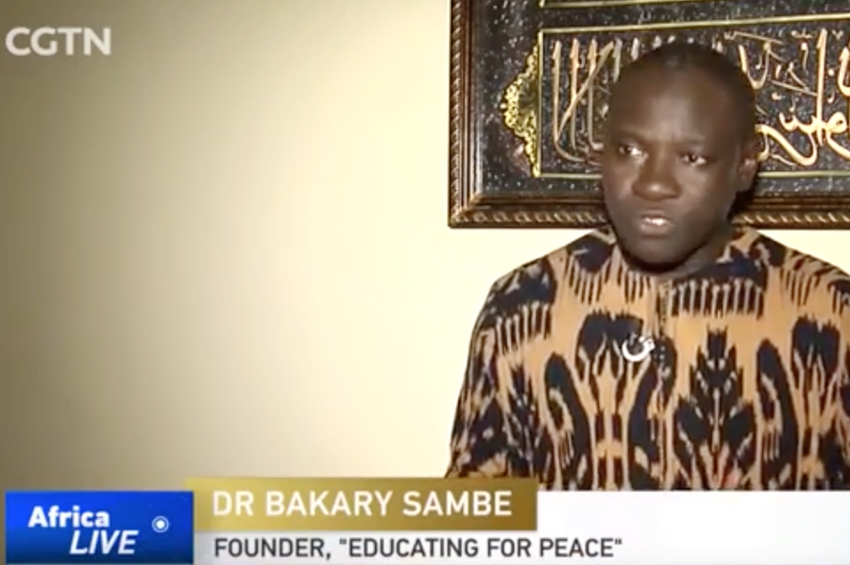
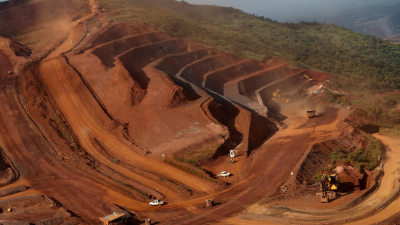
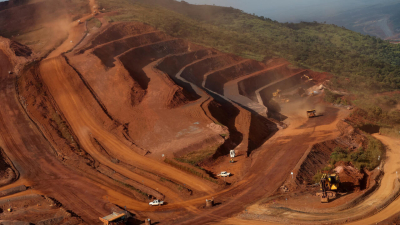
It is one of the largest mining projects in the world, backed by investments of nearly $20 billion. Mining operations at the Simandou iron ore deposit in Guinea began last November. Promises of economic growth. But these promises must be accompanied by tangible benefits for local communities to avoid repeating the situation in Boké—a bauxite mining area where the lack of basic services is a recurring problem. This is one of the conclusions of a report recently published by the Timbuktu Institute in Dakar, titled *Beyond Simandou: Guinea, a Fragility with Many Faces*. To discuss this, the institute’s regional director, Bakary Sambe, is our guest. He answers questions from Magali Lagrange.
RFI: Mining of the Simandou iron ore deposit has begun. Can it help Guinea take off?
Bakary Sambe: Yes, the economic expectations surrounding this project are indeed considerable. Based on projections from the World Bank, Guinea is currently expected to experience some of the highest growth rates on the continent. The risk identified in this study is therefore not that Simandou will fail economically. The risk is that the project’s macroeconomic success will mask—as in Boké [a region in western Guinea with significant bauxite reserves, Ed.]—a fairly persistent local deprivation. It is this tension between macroeconomic promise and immediate local expectations that will be the true political test for Simandou in the coming years.
What is needed in this region to satisfy the local populations? What do they need?
The local populations need hospitals, schools, and infrastructure. What’s needed is the rapid and visible redistribution of wealth—which is no easy task. And what we see in the announced figures is that growth is expected. But on the other hand, there’s no mention of how this growth will be shared, or how this area will benefit—immediately and directly—from the economic benefits of Simandou and the resources it generates. In short, there is a whole range of demands for basic social services that Guinea sorely lacks, particularly in the vulnerable regions of Kankan and Nzérékoré, where the ore is certainly present, where the prospects are quite significant, but where the population is waiting for results.
You mentioned the example of Boké, which is a bauxite mining area. What is the assessment of the situation there, and what is the current state of affairs in that area?
In the report, we refer to Boké as a case study of the mining paradox. Boké alone holds nearly two-thirds of Guinea’s bauxite reserves, yet at the same time suffers from a glaring shortage of roads, water, electricity, and educational infrastructure—and the roads deteriorate with every rainy season. Outbursts of anger have been occurring there for nearly a decade, with recent riots demanding the restoration of water and electricity that left one person dead and about thirty injured. In December 2025, the teachers’ strike escalated, and I believe this is a sign that social discontent in Boké is now also turning toward local groups, beyond just the government or the mining companies.
What needs to be done to make the benefits more tangible and ensure that wealth is better redistributed? What has been missing so far?
What is missing—beyond the rhetoric of sovereignty about the state and Guineans taking control of their own wealth—is the ability to manage this multifaceted fragility, particularly in mining areas. It is worth noting that Simandou is located in areas that are among the most fragile in terms of ethnic tensions, and that today, if the Simandou project is not accompanied by a well-defined social policy capable of generating concrete benefits for the population in the medium term, then Simandou will not be able to eliminate Guinea’s structural vulnerabilities. The other recommendation is to recognize that this vulnerability in Guinea takes many forms. The situation varies depending on whether one is in Ratoma [near the capital, Conakry—Ed.], Dalaba [in the central-western part of the country—Ed.], Boké, or elsewhere. A differentiated approach to this structural fragility in Guinea is now needed in order to address the specific needs of all regions.
Another vulnerability you identify in the report is the political situation in Guinea. You note that, while there has certainly been a return to institutional normalcy following the elections at the end of the year, you believe that the situation remains fragile.
Yes, what we’re seeing in Guinea is a change in status rather than a change in the nature of power. The return to constitutional order has altered the legal status of Guinea and its government, without changing the actual practices. For example, the ban on demonstrations has been in effect since May 2022. We see that political parties and independent media have been suspended. And the most sensitive issue today, in my opinion, remains the disappearances and other phenomena we’re seeing in Guinea, which show that there is a shrinking of civic space that is not merely anecdotal. It deprives informal mediation mechanisms—such as the work of elders or religious leaders—of their ability to engage in dialogue with a state that has, until now, been perceived as one that curtails citizens’ freedoms and rights. Guinea, generally speaking, cannot be analyzed today solely through the lens of Simandou and all its economic promises. A policy of social inclusion is needed, and one of the most important issues in Guinea today is the question of social cohesion.
Title adapted by the Timbuktu Institute
Source: RFI
Timbuktu Institute Juillet 2026
C'est l'un des plus grands projets miniers au monde, porté par des investissements de près de 20 milliards de dollars. L'exploitation du gisement de fer de Simandou, en Guinée, a été lancée en novembre dernier. Des promesses de croissance économique. Mais qui doivent s'accompagner de retombées concrètes pour les populations, pour ne pas reproduire la situation de Boké. Zone d'exploitation de la bauxite où le manque de services de base se fait régulièrement sentir. C'est l'une des conclusions d'un rapport que vient de publier le Timbuktu Institute de Dakar, intitulé Au-delà de Simandou - La Guinée, une fragilité à plusieurs visages. Pour en parler, son directeur régional Bakary Sambe est notre invité. Il répond aux questions de Magali Lagrange.
RFI : L'exploitation du gisement de fer de Simandou est lancée. Est-ce qu'elle peut faire décoller la Guinée ?
Bakary Sambe : Oui, les attentes économiques autour de cette exploitation sont quand même considérables. On anticipe aujourd'hui, avec la Banque mondiale, une croissance guinéenne parmi les plus élevées du continent. Le risque qui a été identifié dans cette étude n'est donc pas que Simandou échoue économiquement. Le risque, c'est que la réussite macroéconomique du projet masque, comme à Boké [région de l'ouest de la Guinée qui concentre de fortes réserves de Bauxite, NDLR], un dénuement local assez persistant. C'est cette tension entre promesse macroéconomique et attente locale immédiate qui constitue le véritable test politique de Simandou dans les prochaines années.
Qu'est-ce qu'il faut dans cette région pour satisfaire les populations. De quoi ont-elles besoin ?
Les populations ont besoin d'hôpitaux, d'écoles, d'infrastructures. C'est la redistribution rapide et visible de la richesse, ce qui n'est pas évident. Et ce qu'on voit dans les chiffres annoncés, c'est qu’une croissance est attendue. Mais d’un autre côté, on ne dit pas la manière dont cette croissance sera partagée, comment cette zone-là va bénéficier, immédiatement et directement, des retombées de Simandou et des ressources qu’elle génère. Bref, il s'agit de tout un ensemble de demandes en termes de services sociaux de base dont la Guinée manque cruellement, notamment dans les régions fragiles de Kankan et de Nzérékoré, où le minerai est certes là, où les promesses sont quand même assez importantes, mais où les résultats sont attendus par la population.
Vous avez cité l'exemple de Boké, qui est une zone d'exploitation de bauxite. Quel bilan fait-on là-bas et quelle est la situation aujourd'hui dans cette zone ?
Dans le rapport, nous parlons de Boké comme le laboratoire du paradoxe minier. Boké détient à elle seule près des deux tiers des réserves de bauxite guinéennes, mais souffre en même temps d'un déficit criant en routes, en eau, en électricité, en infrastructures éducatives, et les routes se dégradent à chaque saison des pluies. Des explosions de colère s'y succèdent depuis près d'une décennie, avec récemment des émeutes pour le retour de l'eau et de l'électricité qui ont fait un mort et une trentaine de blessés. En décembre 2025, la grève des enseignants a dégénéré, et je crois que c'est le signe que la colère sociale à Boké se retourne désormais aussi vers des catégories locales, au-delà du seul État ou des compagnies minières.
Qu'est-ce qu'il faut faire pour que les retombées soient plus palpables et que les richesses soient mieux redistribuées ? Qu'est-ce qui manquait jusqu'ici ?
Ce qui manque - au-delà des discours de souverainisme sur une emprise annoncée de l'État et des Guinéens sur leur propre richesse - c’est de gérer cette fragilité plurielle, notamment dans des zones minières. Rappelons que Simandou se trouve dans les zones les plus fragiles en termes de velléités ethniques et qu’aujourd’hui, si le projet Simandou n'est pas accompagné d'une politique sociale définie qui puisse, à moyen terme, générer des retombées concrètes pour les populations, alors Simandou ne pourra pas effacer les fragilités structurelles de la Guinée. L'autre recommandation est de considérer que cette fragilité en Guinée a plusieurs visages. La situation n'est pas identique selon qu'on soit à Ratoma [près de la capitale, Conakry, NDLR], à Dalaba [dans le centre-ouest du pays, NDLR], à Boké, ou ailleurs. Il faut désormais une approche différenciée de cette fragilité structurelle en Guinée afin de répondre aux besoins spécifiques de toutes les régions.
Une autre fragilité que vous identifiez dans le rapport, c'est la situation politique en Guinée. Certes, dites-vous, il y a eu un retour à la normalité institutionnelle avec les élections de fin d'année. Mais vous estimez que tout cela reste encore fragile.
Oui, il y a en Guinée un changement de statut, plus qu'un changement de nature du pouvoir. Le retour à l’ordre constitutionnel a modifié le statut juridique de la Guinée, du pouvoir, sans transformer les pratiques. Par exemple, l'interdiction des manifestations est en vigueur depuis mai 2022. On voit que les partis politiques et les médias indépendants ont été suspendus. Et le point le plus sensible aujourd’hui, à mon avis, reste les disparitions et d’autres phénomènes qu'on voit en Guinée, qui montrent qu'il y a une fermeture de l'espace civique qui n'est pas seulement anecdotique. Elle prive les mécanismes informels de médiation, comme le travail des sages ou des leaders religieux, de leur capacité à dialoguer avec un État perçu, jusqu'à présent, comme étant un État qui réduit les libertés et les droits des citoyens. La Guinée, de manière générale, ne peut pas être aujourd'hui seulement analysée avec Simandou et toutes les promesses économiques. Il faut une politique d'inclusion sociale, et l'un des sujets les plus importants aujourd'hui en Guinée, c'est la question de la cohésion sociale.
Titre adapté par Timbuktu Institute
Source : RFI
Timbuktu Institute – Juillet 2026
Télécharger le rapport intégral
Quatre ans après l'arrivée au pouvoir du général Mamadi Doumbouya et un an à peine après l'achèvement, en décembre 2025, de la transition constitutionnelle, la Guinée se présente à la communauté internationale sous les traits rassurants d'un double retour à la normale : un pouvoir civil légitimé par les urnes et une économie portée par le lancement, en novembre 2025, de l'exploitation du gisement de fer de Simandou, l'un des plus grands projets miniers au monde. Cette étude du Timbuktu Institute menée au sein du Fragility Observatory for West & Central Africa for Resilience & Democracy – FOWARD et fondée sur une veille continue et différenciée à l'échelle infranationale, montre cependant que ni la normalisation politique ni le boom minier n'ont fait disparaître les fragilités structurelles du pays : ils les recomposent plutôt qu'ils ne les résolvent.
Une normalisation institutionnelle à consolider
Le référendum constitutionnel puis l'élection présidentielle de décembre 2025, suivis de la levée des sanctions de la CEDEAO, ont acté un retour formel à l'ordre constitutionnel. Mais ce changement de statut juridique du pouvoir ne s'est pas accompagné d'un changement de pratiques politiques : interdiction des manifestations maintenue, répression de certaines mobilisations, suspension de partis et de médias, disparitions de figures de l'opposition et de la société civile. L'impunité des dirigeants successifs et la défiance structurelle envers l'État en tant que causes profondes identifiées dès le début de la veille, demeurent intactes et continuent de priver les mécanismes informels de médiation (sages, leaders religieux, société civile) de leur capacité de dialogue avec l'État.
Trois Guinées, trois grammaires du conflit
La fragilité guinéenne ne se lit pas comme une carte homogène mais comme une mosaïque de dynamiques localisées : violences électorales et délinquance urbaine à Conakry (Ratoma, Matoto) ; fractures intra-religieuses et conflits entre agriculteurs et éleveurs en Moyenne-Guinée ; tensions ethno-politiques, criminalité aurifère et exposition au risque jihadiste transfrontalier en Haute-Guinée (Siguiri, Kankan) ; rivalités intercommunautaires explosives et vulnérabilité infrastructurelle en Guinée forestière (Nzérékoré, Macenta). Des causes structurelles communes telles que le chômage des jeunes, la corruption, l’instrumentalisation ethnique du politique, l’essor des économies illicites (drogue, faux médicaments, orpaillage clandestin), traversent tout le territoire, mais leurs déclinaisons locales diffèrent radicalement, tout comme les mécanismes et leviers de résilience mobilisés (justice coutumière en zone rurale, justice formelle en milieu urbain), ce qui limite l'efficacité de toute réponse uniquement sécuritaire ou nationale et non différenciée.
Simandou : une rente ancrée dans les zones les plus fragiles
Portée par un investissement d'environ 20 milliards de dollars, Simandou nourrit des prévisions de croissance parmi les plus élevées du continent et un fonds souverain destiné aux régions minières. Mais le massif se situe précisément à Nzérékoré et Kankan, parmi les zones les plus exposées aux conflits ethniques et communautaires du pays. Le précédent de Boké englobant deux tiers des réserves de bauxite guinéenne, mais routes dégradées avec des coupures d'eau et d'électricité récurrentes, des émeutes parfois meurtrières, illustre le risque que Simandou reproduise le même paradoxe entre abondance extractive et dénuement local si les retombées ne sont pas perçues rapidement et concrètement par les populations. Loin d'atténuer les fragilités, le boom minier risque ainsi de les déplacer et de les intensifier là où elles sont déjà les plus vives.
Un pays à la croisée des chemins : pour une résilience différenciée
La Guinée est loin d'avoir atteint un seuil de résilience durable. Les leviers classiques qu’elle détient tels que le dialogue interreligieux, l’alerte précoce décentralisée, le contrôle renforcé des frontières, l’inclusion économique des jeunes et des femmes, restent nécessaires, mais ils devront désormais composer avec un pouvoir, certes, consolidé par les urnes mais en quête de légitimité réelle, et avec une rente minière appelée à transformer en priorité les régions les plus fragiles du pays. L'étude plaide, ainsi, pour une approche résolument différenciée et localisée de la fragilité guinéenne, seule à même de restituer la diversité des grammaires conflictuelles régionales tout en articulant les causes structurelles transversales, afin que les politiques de prévention, de cohésion sociale et de partage des richesses minières gagnent en pertinence locale et échappent à une lecture homogène et trompeuse d'un pays stabilisé.
Sacré-Coeur 3 – BP 15177 CP 10700 Dakar Fann – SENEGAL.
+221 33 827 34 91 / +221 77 637 73 15
contact@timbuktu-institute.org