 French
 Arabic
 English
 Portuguese
 Spanish
 Swahili


Sacré-Coeur 3 – BP 15177 CP 10700 Dakar Fann – SENEGAL.
+221 33 827 34 91 / +221 77 637 73 15
contact@timbuktu-institute.org

Source : Revue Défense, N°196 –Janvier- Février 2019
La multiplication des « stratégies Sahel », l’absence de coordination de l’action internationale dans cette région donnent parfois l’impression d’une compétition perçue comme une « inconscience » face à la montée des périls et aux urgences. Lors des échanges avec des acteurs maliens, on perçoit bien une forme d’incompréhension de l’action de la communauté internationale et de la France en particulier.
Au Mali, il semble se dessiner, depuis plusieurs années, un conflit de perception du conflit entre la classe politique malienne et les dirigeants européens plus focalisés sur la menace terroriste à raison de son caractère transnational que sur la question de la « réconciliation nationale ». En d’autres termes, au sein des sociétés civiles africaines, il y a une forte perception selon laquelle la lutte contre le terrorisme est aussi un levier d’influence et une justification « intéressée » d’une présence militaire occidentale en Afrique.
Dès 2014, dans une étude intitulée Mali-Mètre « Que pensent les Maliens ?» menée par la Fondation Friedrich Ebert, plusieurs sujets ont été abordés dont la présence et le rôle des forces étrangères dans le pays. Les sondés divergent sur la force française Barkhane et son rôle tout en méconnaissant l’action de l’EUTM, la mission de formation de l’Union européenne. Le signal avait été donnée sur la perception de la présence militaire française à travers l’appréciation de Barkhane et de son action dans le pays et 34% des citoyen(ne)s estimaient que les forces armées françaises devraient rester « moins d’un an » au Mali ; ils étaient 22% à penser qu’elles pourraient encore rester entre « un et trois ans ». Pour 6% d’entre eux, Barkhane pourraient faire plus de 15 ans au Mali révélant du coup que la stabilisation du pays et la victoire contre les djihadistes n’était pas pour demain alors que les acteurs locaux étaient plus dans la logique d’une présence salvatrice que celle d’une installation à long terme.
Au Niger voisin, les acteurs de la société civile qui ne partagent pas souvent les orientations des dirigeants politiques, développent un sentiment assez mitigé de la coopération sécuritaire dans le cadre de la lutte contre le terrorisme qui, pour l’heure, semble être la seule approche préconisée par les pouvoirs publics contre le phénomène de l’extrémisme violent. En plus des questionnements que soulève, pour les défenseurs des droits humains, l’arsenal répressif dans le cadre de la lutte contre le terrorisme, les principales inquiétudes portent sur les perceptions d’une coopération internationale souffrant d’une « absence totale de transparence » de la part de l’Etat. En quelque sorte, ces acteurs s’interrogent sur la pertinence même d’une telle coopération souvent vue sous l’angle d’une volonté des pouvoirs publics à satisfaire les désirs des partenaires internationaux aux agendas « flous » aux yeux de la population.
De ce fait, la question des « forces étrangères » commence à être un sujet majeure de préoccupation : « la présence des forces étrangères inquiète nos populations ; cela donne l’idée d’une occupation du Niger sous prétexte de la lutte contre le terrorisme », affirme un responsable d’une ONG locale. Ce regard critique sur coopération sécuritaire semble même recouper la perception assez mitigée, de plus en plus partagée, de la présence militaire dans le pays. Les déclarations sont de plusieurs types mais ont en commun la traduction d’un sentiment d’incompréhension et même d’un relatif rejet d’une coopération pourtant saluée par les Etats comme participant de la sécurisation de ces vastes zones du Sahel. Bien que plus discrète, la présence militaire américaine qui s’est révélée comme une réalité désormais admise depuis l’attaque mortelle d’octobre 2017, n’échappe pas à cette perception négative de la part des populations : « la mission des drones qui survolent le territoire nigérien est incompréhensible. Ces drones ne sont pas là pour nous ! ». Il y a aujourd’hui une forte impression lisible dans des déclarations publiques de la part de représentants de la société civile, telles que : « La présence militaire des pays occidentaux n’est pas là pour nous sécuriser. Les calculs géostratégiques orientent cette présence militaire ».
Du moment que la coopération sécuritaire est conçue comme relevant d’un engagement des Etats et des partenaires internationaux, on dirait que les sociétés civiles africaines commencent désormais à exiger plus de transparence au même titre que dans les autres volets de la gouvernance comme l’exprime cet acteur important d’une ONG travaillant dans la zone de Gueskérou : « Il y a tout un flou qui entoure cette présence des forces étrangères et la société civile voudrait qu’il y ait plus de transparence sur cette présence militaire qui accentue même le sentiment d’insécurité. La présence militaire étrangère est devenue même un facteur incitatif à l’extrémisme ».
Toutefois, une fine analyse de cette perception pourrait amener à croire à une différence d’appréciation selon qu’il s’agisse de l’approche américaine ou de celle française. Les liens historiques entre la France et les principaux pays du Sahel ainsi qu’une forte impression des acteurs français qui maîtriseraient mieux les « affaires africaines » pourraient induire à des erreurs d’appréciation de la situation. Il est encore courant que certaines autorités militaires françaises considèrent que les Etats-Unis seraient en rade sur les affaires sahéliennes en s’appuyant sur des documents américains de politique africaine dans lesquelles l’Afrique ne semble pas être une priorité. La réalité serait pourtant beaucoup plus complexe.
Une observation approfondie de la stratégie américaine ferait apparaître que les Etats-Unis ont, plutôt, fait l’option de laisser la sécurisation à d’autres pays avec son lot de critiques et de perceptions négatives, tout en profitant de cette sécurité relativement garantie pour accroître leur influence, à l’intérieur de l’espace, et se donner le temps de la prospective. Cette option semble « payer » et marque nettement les perceptions locales : « Il y a une différence entre l’approche américaine et l’approche française ; ils sont moins discrets. Il y a une forte suspicion sur la présence militaire française au Niger », remarque un président d’association de victimes à Diffa. Au moment où, l’option militaire semble être privilégiée par la France supportant ainsi les coûts financiers et militaires et termes d’image, les Etats-Unis se concentrent sur les actions de prévention de l’extrémisme violent avec une approche holistique. De la même manière l’Allemagne d’Angela Merkel qui a, désormais, pris son destin sahélien en main, en dehors des cadres européens ou sous « parapluie française », s’appuie sur l’approche développementaliste ainsi que ses puissantes fondations complétant sa diplomatie d’influence.
Cette incompréhension se creuse en même temps que, dans les cercles des leaders africains et de l’intelligentsia, les esprits se surchauffent déjà à l’idée de voire le Burkina Faso devenir un « nouveau Mali » malgré les assurances de Florence Parly lors de sa dernière visite à Ouagadougou. L’approche militaire, elle, dévoile ses insuffisances quotidiennes alors que les groupes terroristes qu’elle devait faire disparaitre se multiplient. Il y a aujourd’hui une forte impression selon laquelle la France s’interroge en même temps que ses alliés sahéliens doutent et sont fragilisés par les critiques des opinions publiques de plus en plus sceptiques quant à la pertinence de « nouvelles guerres » aux issues incertaines.
Il est sûr qu’un nouveau conflit s’installe : celui entre les approches internationales d’une crise sahélienne qui perdure et ses perceptions locales longtemps négligées. Ce que nous avons appelé le « nouveau dilemme sahélien » semble pour l’heure insoluble pour les Etats africains et de leurs partenaires internationaux « entre l’impératif de gestion des urgences sécuritaires et la nécessité d’un changement inévitable de paradigme face à l’échec patent du tout-militaire ».
Dans son ouvrage Al-Islâm fi Sinighâl (L’islam au Sénégal), Serigne Cheikh Ahmed Tidiane Sy brossait déjà une critique du monde contemporain qui revenait sur les différentes problématiques telles que la domination et la l’éthique. Dans sa conception toujours universaliste du rapport entre les cultures et civilisations, il soutient que l’islam a légué son patrimoine scientifique et éthique à toutes les cultures et civilisations pour qu’elles puissent s’interférer, se soutenir et se renouveler sous la supervision de ce message de grande qualité. Pour lui, sous le prisme de l’Unicité de Dieu, l’islam ne voit que l’Unité de l’Humanité. Cette égalité de condition n’est remise en cause que de manière temporaire et alternée par les vicissitudes de l’Histoire qui, à tour de rôle, distribuent puissance et décadence « Wa Tilkal Ayyâmu nudâwiluhâ bayna Nâsi ». Il ne manquera pas, toutefois, de rappeler que malgré l’ingéniosité des concepteurs des systèmes les plus sophistiqués, cette marche du monde n’a jamais pu échapper à la volonté du Sage Savant (Al-‘Alîmul Hakîm).
Dans cette partie de sa démonstration, Serigne Cheikh citera, l’auteur de l’Evolution de l’Islam (C-Levy, 1960), Raymond Charles, commentant l’orientaliste français, Louis Gardet, qui rappelait qu’il devenait urgent que l’Occident revînt aux valeurs spirituelles et religieuses en plus de son rôle scientifique ; ces valeurs sans lesquelles il retombera, sans doute, dans une forme de non-sens et d’absurde malgré ses conquêtes et explorations.
A cette époque précise, Serigne Cheikh exprimait une espérance de voir les Civilisations jouer leur véritable rôle en construisant plus qu’elles ne détruisent et à comprendre le mouvement de libération des pays dominés ainsi que l’affranchissement des « damnés de la terre » comme l’une des plus sages leçons de l’Histoire sur le caractère passager de toutes les dominations. Il espérait, comme il le disait, que ces civilisations accueillissent les donnes de l’Histoire et les grands évènements des temps nouveaux en les admettant de manière positive.
Hélas, d’après Al-Maktoum, cela n’était possible que dans un état d’esprit ou ne dominait pas ce qu’il appelle une certaine « philosophie de la décadence ».
A vrai dire, c’est la manière dont il décrit les effets d’une telle philosophie qui imprime à la pensée de Serigne Cheikh toute sa dimension universelle et avant-gardiste pour son époque.
En réalité, il nous peignait le contexte d’un monde contemporain où, tel qu’il le disait dans les années 60, « les plus riches du globe assaillent les pauvres et thésaurisent leurs avoirs au détriment même de tout esprit de fraternité et de rapprochement, déniant aux dominés l’ambition de l’avoir et de l’accumulation, et par-dessus tout, prétendent que le bonheur et la réussite sont l’apanage des seuls riches des civilisations industrialisées jusqu’à même se prévaloir d’une prétendue élection les plaçant au-dessus de tous les autres ». Et à Serigne Cheikh de leur rétorquer, en empruntant le style coranique : « Pourquoi donc êtes- vous constamment punis par le biais de la guerre, des dégâts de l’alcoolisme, de la cupidité, des jeux, de l’injustice, de la mesquinerie, de la tendance à l’exploitation ? Vous êtes donc de simples humains ! ».
Soulignant l’inanité et le non–sens d’une civilisation prétentieuse et dénuée d’éthique et de morale qu’il critiquait, Al-Maktoum se résolut à étaler sa vision d’un monde où on pourrait parler de « civilisation » dans son sens noble.
Selon lui, il faut espérer que la Civilisation humaine, dans son essence, « puisse retrouver la toute la splendeur qu’elle mérite et sans laquelle la terre deviendra une « boucherie » où, un jour ou l’autre, ceux à qui l’on a enlevé leur dignité pour en faire « des vaches, des chevaux et des loups », se révolteront contre les patrons et grands industriels, les habitants des capitales et des gratte-ciels pour recouvrer l’honneur de l’Humanité ».
Pour Serigne Cheikh Tidiane Sy si l’humanité en arrive à ce point, alors « plus d’humanité et point de civilisation ! ».
Vision ne pouvait être plus futuriste. Il aura bien fallu attendre la fin du XXème siècle, que le communisme s’effondre, que Jean-Christophe Ruffin parle d’« empire » et de « nouveaux barbares », qu’un certain Huntington théorise le choc des civilisations, que le 11 septembre se produise, qu’Emmanuel Todd prédit la « fin de l’Empire », qu’on envahisse des pays souverains au mépris du droit international, que le capitalisme mondial soit frappé par une crise inouïe, que le terme de régulation réintègre le vocabulaire économique et financier, que la jeunesse du monde arabe se dresse contre l’injustice des potentats, qu’une réelle crise de confiance s’installe entre les gouvernés et les gouvernants pour comprendre enfin le vrai sens et la nécessité de l’éthique dans les rapports politiques et économiques !
Pourtant, dès les années 1960, Serigne Cheikh, ce penseur avant-gardiste, l’avait intégré dans sa conception d’une civilisation universelle durable à laquelle l’islam et les Musulmans devraient contribuer à la mesure de la pertinence du message Mohammedien. Certainement, pour théoriser une telle conception et l’harmoniser avec le message islamique au-delà des particularismes, il fallait compter sur la vision d’un Cheikh Tidiane Sy, ce « philosophe de son temps » (faylasûfu ‘açrihi) –comme le dit SerigneMaodoSy – armé d’un sens élevé de la critique constructive et d’une audace de l’alternative, libératrices des conformismes coutumiers (âda), puisse l’exprimer en toute responsabilité.
|
Dans un communiqué signé par la Coordination des Mouvements et Associations islamiques du Sénégal (CAMIS), les leaders musulmans interpelle l'Organisation de la Coopération islamique (OCI) pour une rencontre d'urgence sur la situation de l'islamophobie dans le monde et en appelle à la communauté internationale pour plus de fermeté contre la promotion des discours et actes de haine anti-musulmans. Voici le texte intégral du communiqué conjoint:
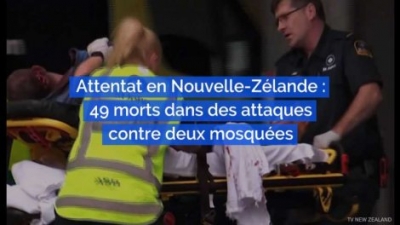
"Au nom d'Allah le Tout Miséricordieux le Très Miséricordieux Louange à Allah, c'est de lui que nous cherchons appui. Que la paix et le salut d'Allah soient sur le Prophète Mouhammad fils d'Abdallah, sur sa famille et sur tous ses Compagnons. C'est avec un grand regret et amertume que la Coordination des Mouvements et Associations Islamiques du Sénégal a reçu l'information du carnage qui a eu lieu dans la ville de Christchurch à la Nouvelle Zélande. En effet, le Vendredi 15 Mars 2019, en début d’après-midi, à l’heure de la grande prière hebdomadaire, un terroriste extrémiste de droite, de nationalité australienne, a perpétré un carnage dans deux mosquées de Christchurch, la deuxième ville de Nouvelle-Zélande faisant un bilan de 49 morts et de plus d'une vingtaine de blessés. Les images insoutenables, retransmises en direct sur Facebook puis relayées sur les réseaux sociaux, témoignent de l'acharnement du tueur et de son objectif à assassiner un maximum de fidèles musulmans, dans un pays jusqu'à maintenant épargné par de telles pratiques. Faisant référence à sa foi aux préceptes révélés et aux enseignements de l'islam, qui considèrent le droit à la vie comme universel, et infligeant des sentences les plus dures à ceux qui portent atteinte à ce droit, la Coordination des Mouvements et Associations Islamiques du Sénégal condamne avec la dernière énergie cet acte ignominieux dont les auteurs sont inspirés par les propagateurs de la haine et de l'aversion contre l'Islam et les musulmans; et au delà, contre l'humanité, la paix et la stabilité dans le monde. Nous prions Allah d'accueillir dans Sa miséricorde immense ceux parmi nos frères et sœurs qui ont perdu la vie dans ce carnage, qu'Il les accepte parmi les martyrs, qu'Il inspire à leurs familles et proches la patience et l'endurance, qu'Il accorde un prompt rétablissement aux blessés, et protège les musulmans du monde entier de cette vague de haine qui s'abat sur eux. Nous associons à nos prières, les musulmans en Afrique qui subissent directement les conséquences de l'islamophobie au nom de la lutte contre le terrorisme, les musulmans chinois "ouïghours" détenus dans des camps de concentration, et ceux de la Birmanie qui continuent à subir des atrocités du fait de leur conviction religieuse. Enfin, nous appelons solennellement l'ensemble des pays musulmans, sous la bannière de l'Organisation de la Coopération Islamique, à convoquer en urgence une rencontre sur la situation de l'islamophobie à travers le monde pour dénoncer vigoureusement et prendre des mesures sur les pays qui en font la promotion, et dont les idéaux influencent des criminels qui n'hésitent pas à passer à l'acte.. Inna Lillahi, wa Inna Ilayhi Raaji'oun Certes nous sommes à Allah, et c'est à Lui que nous retournerons
|
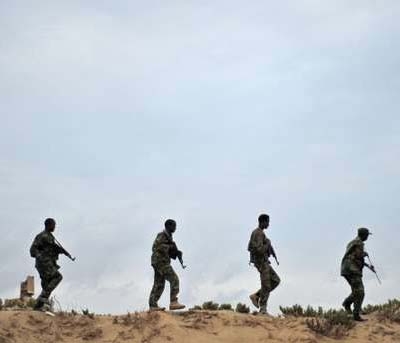
La dégradation de la situation sécuritaire au Burkina Faso, confronté à une multiplication alarmante des attaques djihadistes sur son sol, menace de s’étendre aux pays côtiers du Golfe de Guinée, jusque-là épargnés, préviennent experts et sources sécuritaires.
Héritant du chaos qui règne depuis 2012 au Mali, où prolifèrent les groupes liés à Al-Qaïda et l’Etat islamique (EI), le nord du Burkina Faso est confronté depuis trois ans à des attaques de plus en plus fréquentes et meurtrières.
L’instabilité s’est rapidement étendue ces derniers mois à d’autres régions dont celle de l’Est, frontalière du Togo et du Bénin.
« Cet acharnement inouï semble indiquer que le Burkina est le dernier verrou que ces groupes veulent casser pour atteindre l’Afrique côtière », affirme à l’AFP Bakary Sambe, directeur du Timbuktu Institute, basé à Dakar.
Le nord de ces pays, considérés jusque-là comme des îlots de stabilité dans une région mouvementée, pourraient ainsi devenir des « zones de repli » pour les djihadistes retranchés dans des poches forestières et rurales isolées, le long de frontières réputées poreuses.
« Étendre leur champ d’action loin de l’épicentre actuel du djihadisme leur permettrait en outre de gagner un accès à la mer via les ports ouest-africains », et donc de nouveaux circuits d’approvisionnement en armes, estime M. Sambe.
Le 15 février, l’assassinat de quatre douaniers burkinabés et d’un prêtre espagnol qui revenait d’une réunion à Lomé, au Togo, peu après avoir passé la frontière, a renforcé les craintes.
– ‘Menace réelle’ –
Hormis la Côte d’Ivoire, frappée par un attentat ayant fait 19 morts en 2016 à Grand-Bassam, aucune attaque n’a été recensée dans les pays du Golfe de Guinée.
Mais des signes précurseurs y indiquent une activité croissante depuis quelques années. Dans le parc du W, à cheval sur le Bénin, le Niger et le Burkina, « des combattants originaires du Mali auraient mené dès 204-2015 une reconnaissance » jusqu’au Bénin, selon un rapport publié en mars par l’institut de recherche Thomas More.
Mi-décembre, les services de renseignement maliens avaient annoncé l’arrestation de quatre djihadistes burkinabés, malien et ivoirien soupçonnés de préparer des attentats dans ces trois pays pour les fêtes de fin d’année.
Plusieurs sources font également état d' »incursions récentes de micro-groupes » traversant la frontière burkinabé vers des petits villages du Togo et du Bénin, pour leur demander d' »interdire la vente d’alcool » ou « prêcher des messages radicaux » dans les mosquées.
Burkina, Ghana, Bénin et Togo ont mené en mai et novembre 2018 une vaste opération de lutte contre la criminalité transfrontalière, conduisant à l’arrestation de plus de 200 individus – dont plusieurs soupçonnés d’activités djihadistes – dans les quatre pays.
« La menace est réelle. Tout le monde est sur le qui-vive », confirme à l’AFP un haut responsable sécuritaire togolais, précisant que le dispositif militaire a été renforcé dans le nord après l’assassinat du prêtre espagnol.
« Les forces de sécurités togolaises et béninoises travaillent en étroite collaboration avec les Burkinabés », ajoute-t-il. « Ces derniers temps, des patrouilles sont régulièrement organisées dans les villages frontaliers, surtout la nuit ».
Selon l’agence de gestion des secours ghanéenne (Nadmo), près de 300 Burkinabés – dont 176 enfants – ont fui les violences dans leur pays pour se réfugier dans le district de Bawku (nord-est du Ghana) ces dernières semaines.
– Banditisme et trafics –
« Nous surveillons de près la situation avec notre voisin (burkinabé) », déclare à l’AFP le porte-parole de l’armée ghanéenne, le colonel Aggrey Quarshie.
Au Burkina, 90% des attaques ne sont pas revendiquées. Elles ont été pour la plupart attribuées à Ansaroul Islam, au Groupe de soutien à l’islam et aux musulmans (GSIM) ou à l’Etat islamique dans le grand Sahara (EIGS), mais une dizaine d’autres groupes, « plus petits et sans doute moins structurés » sont également actifs, selon l’International Crisis Group (ICG).
« Il est très difficile de savoir qui fait quoi exactement, dans la mesure où il s’agit d’une nébuleuse de groupes armés dont les relations évoluent au gré des alliances et des fâcheries », rappelle Rinaldo Depagne, directeur pour l’Afrique de l’Ouest à ICG.
« Le Burkina, où l’Etat n’a pas les moyens de faire face, est devenu une sorte de maillon faible à partir duquel ils allument des foyers insurrectionnels », poursuit-il. « La multiplication des fronts leur permet notamment d’échapper à la tenaille des réponses militaires des armées occidentales et de la Force du G5 Sahel, qui les ont obligés à se disperser ».
Au sein de cette nébuleuse, interviennent également des groupes criminels sans idéologie particulière, mais attirés par la propagande des jihadistes et installés dans les zones frontalières, propices aux trafics en tous genres – contrebande d’armes, de drogues, orpaillage clandestin… – souligne M. Depagne, qui parle de « djihadisation du banditisme ».
Il reste toutefois difficile d’évaluer dans quelle mesure les groupes djihadistes parviendront à recruter au sein des populations locales. Mais selon plusieurs experts, le sentiment d’abandon, la pauvreté et le taux d’illettrisme dans ces régions éloignées des pouvoirs politiques et économiques pourraient à terme favoriser la percée des idées radicales.
Timbuktu Institute- Avril 2019
Avec les récents évènements au Mali et les risques d’extension du champ des conflits intercommunautaires vers le Burkina Faso et le Niger, notamment, dans la région de Tillabéry, il est urgent que la protection des populations soient renforcée surtout les couches les plus vulnérables y compris les femmes. Elles demeurent un maillon essentiel de l’activité sylvopastorale tout en étant injustement désavantagées dans le cadre de la gestion et de la distribution foncières. Si l’on sait que la plupart de ces conflits découlent, à l’origine, des velléités autour du contrôle des ressources (pâturages, terres agricoles, vol de bétail), il faudra forcément prendre en considération les risques qui pèsent sur les femmes, en même temps, exposées par leur intense activité et fragilisées par les systèmes de répartition notamment foncière.
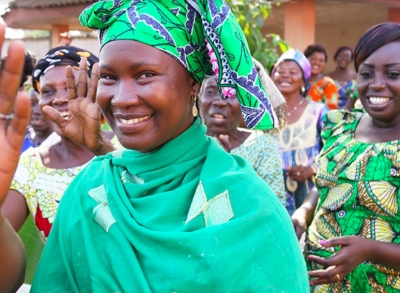
Mais au-delà de « simples » victimes, les femmes, par leurs différentes formes de mobilisation, pourraient constituer un premier pilier important dans la recherche de solutions endogènes, notamment, en termes de dialogue intercommunautaire, de sensibilisation et de médiation.
Pour ce faire, faudrait-il d’abord que leur rôle soit reconnu et renforcé par les Etas mais aussi tous les autres acteurs intervenant dans la région au-delà des simples effets d’annonce et d’une approche genre parfois superficielle. En d’autres termes, la résolution 1325 et ses dispositions et recommandations essentielles doivent être urgemment suivies d’effet surtout avec la recrudescence des crises intercommunautaires qui commence à déborder du Mali.
Il est vrai qu’avec la complexité progressive de la situation sous régionale, un certain nombre d’initiatives (conférences internationales, tables rondes, opérations militaires, etc.) ont été prises aux plans régional et international. Dans cet ordre d’idées, ONUFEMMES, pleinement inscrite dans la dynamique impulsée par la Résolution 1325, via la déclaration de Bamako, a tenté d’alerter les décideurs et la communauté internationale pour plus d’actions. Mais celles-ci ont été jusqu’ici timides au regard du grand enjeu que représente l’autonomisation des femmes mais surtout leur implication dans les questions de paix et de sécurité. Le G5 Sahel a pu aussi donner plus d’importance à cet aspect avec, notamment, une experte dédiée aux questions de genre au niveau du Secrétariat permanent, à Nouakchott.
Mais, depuis ces dernières décennies, les foyers de tensions se multiplient en Afrique de l’Ouest y compris dans des pays où, jusqu’à une période relativement récente, on était loin d’imaginer qu’ils seraient un jour le théâtre de conflits, aujourd’hui, les plus inquiétants. L’exemple typique est le cas malien, territoire jadis paisible, mais dont le Nord est aujourd’hui pris d’assaut par des groupes armés se réclamant tantôt de la nébuleuse terroriste, tantôt de la mouvance irrédentiste[1]. Le mal septentrional a contaminé le Centre, notamment la région de Mopti où sévissent des tensions interethniques parfois meurtrières. Bien que le Mali en soit l’épicentre, ce type de conflits s’est déjà signalé au Burkina Faso dans le département de Dori (province du Séno, région du Sahel), dans le Soum et sur quelques points déjà chauds de l’Oudalan.
À ces conflits intercommunautaires sur fond de lutte contre le terrorisme, se greffent toujours d’autres velléités telles que celles opposant traditionnellement éleveurs et agriculteurs[2]. Il est à noter que dans ce type de conflit, la gestion du foncier qui lèse souvent les femmes malgré leur dynamisme dans les activités agropastorales, demeure l’épine dorsale d’une problématique complexe et sensible. Cette situation préoccupante a provoqué d’importants déplacements de populations, n’épargnant pas les femmes vers d’autres pays ou près de la capitale notamment à Sénou, a seulement quelques kilomètres du Centre-ville de la capitale, Bamako. Ce conflit malien persistant a fini par déborder sur la quasi-totalité de la bande sahélo-saharienne dans une situation de forte vulnérabilité.
Sortir du paradigme simpliste de la victimisation
On présente les femmes de manière générale, comme de « simples » victimes des conflits notamment communautaires mais aussi dans le cadre de la recrudescence d’actes terroristes. De ce fait, leur implication en tant qu’actrices soit comme parties prenantes ou médiatrices reste négligée et reléguée au second plan dans l’analyse des conflits.
Cette image de « victimes » qui a dominé les perceptions s’est encore plus ravivée en Avril 2014, lorsque 276 lycéennes nigérianes sont enlevées à Chibok par les éléments de Boko Haram déclenchant, ainsi, l’indignation de toute la communauté internationale. Malgré une riposte lancée par le Tchad, le Niger et le Cameroun pour affaiblir les djihadistes nigérians, ces exactions continuent d’alimenter l’actualité régionale.
Cette vague d’enlèvement de filles et de femmes se poursuit, encore aujourd’hui, d’une part pour contraindre certaines à se marier, de plus en plus entraînées à prendre part aux attaques armées. Mais au-delà de cette brutalité qui a pu être médiatisée au regard de l’ampleur et du caractère spectaculaire du phénomène, il y a une réalité encore plus complexe et un processus qu’il serait intéressant de revisiter.
On oublie souvent que durant les deux décennies écoulées, les femmes ont marqué les différentes étapes de la lutte contre l’extrémisme religieux avent que celui-ci ne devienne un enjeu politico-sécuritaire. Bien avant le Nigéria, sans attirer l’attention de la communauté internationale, le Mali aussi fut le théâtre d’un long débat parfois houleux entre les franges islamistes et les organisations féminines. Cette situation faisait suite au vote massif d’un nouveau code de la famille avec des mesures consolidantes en faveur du droit des femmes en 2009. Dans cette configuration, les femmes sont toujours considérées comme les premières victimes de l’extrémisme religieux. En même temps elles ont été à l’avant-garde des luttes contre ce phénomène de la radicalisation du discours et des attitudes religieux. Les hommes politiques ont imprudemment attendu que l’extrémisme devienne un enjeu sécuritaire pour s’en préoccuper.
Mais l’apparition du phénomène surprenant de femmes kamikazes lors des attentats au Nigeria et dans le bassin du Lac Tchad a remis à l’ordre du jour le rapport entre les femmes et processus de radicalisation violente. Il s’est alors lancé un débat loin d’être tranché et de plus en plus tranché sur l’identité des femmes kamikazes de Boko Haram dont le premier attentat suicide au nom du groupe djihadiste remonte au 8 juin 2014, dans l’Etat de Gombe, au Nigeria. Dans la foulée, il y a eu la multiplication des attaques menées par des kamikazes de sexe féminin depuis le 22 février 2015 : une fillette de 7 ans tue sept personnes en se faisant exploser dans la localité de Potiskum. Dans les jours qui suivent, une autre kamikaze femme actionna une ceinture explosive à la gare routière de Damaturu au Nigeria avec un bilan aussi lourd. Cette nouvelle donne soulève nombre d’interrogations sans réponses pour l’heure ; le phénomène étant nouveau et intervenu de manière inattendue dans l’espace sahélien. Cela pourrait être dû à une globalisation des modes opératoires des mouvements radicaux qui n’aurait pas épargné le Sahel et renverrait à une standardisation des attaques terroristes au-delà de la diversité des contextes socioculturels.
De « victimes » à détentrices de solutions : les initiatives féminines au service d’une approche endogène et inclusive
Etrangement, dans le cadre de la lutte contre le terrorisme et les initiatives de paix on omet souvent de signaler le rôle très important joué par les femmes notamment en termes de résilience communautaire comme lors de l’occupation djihadiste à Tombouctou et à Gao. La marche peu médiatisée des femmes et leur résistance ont, façonné, par la suite la résilience des populations suite à un choc inédit en termes de prise en charge et de réconciliation.
Du côté du Nigeria le rôle de leaders féminins comme une pasteur de Jos, capitale de l’Etat du plateau, qui organise des rencontres inter-religieuses dans un climat de grande méfiance. Elle arrive à fédérer autour de messages de paix et de conciliation malgré les velléités et la persistance d’une croyance en un pays contrasté comme le Nigeria notamment entre certains Etats du Nord et du Sud. Rappelons que dans cet Etat, les heurs inter-communautaires entre agriculteurs et bergers Fulani causent des tueries loin d’être motivées par une quelconque idéologie mais provoquées par des divergences de même nature que dans le Macina, en région du Centre malien.
Une récente étude de l’OIM établit un lien potentiel entre ces faits combinés et une possible influence des groupes extrémistes sur le bassin du Lac Tchad au regard de la proximité géographique, des échanges commerciaux, des liens linguistiques avec le Nigéria. D’ailleurs, une des couches sociales considérées parmi les plus vulnérables, en l’occurrence les femmes, a subi très tôt les exactions des groupes extrémistes parfois violents. Rappelons qu’en 1993, le siège de l’Association des femmes du Niger sise à Zinder a été incendié par des assaillants islamistes sous prétexte de défendre les « valeurs de l’islam » et purifier les « pratiques et mœurs »[3]. Aussi, il a été constaté lors d’une récente étude sur la violence des jeunes dans la ville de Zinder et la menace terroriste, que la quasi-totalité des femmes interrogées au niveau des ménages identifiées refusaient purement et simplement de s’exprimer en l’absence du chef de famille[4]. Ceci pose un vrai problème d’expression des femmes dans l’espace public et donc d’autonomisation en vue d’un meilleur exercice de leurs droits malgré leurs capacités souvent démontrées de trouver des consensus même dans des zones propices à nombres de conflictualités.
Au Tchad, pays développant une certaine résilience malgré la pression sécuritaire, se développe aujourd’hui une rare expérience de résiliences communautaires s’appuyant sur l’apport inestimable des femmes. Très actives dans le cadre de la plateforme interconfessionnelle dans un pays à composition religieuse assez diverse, les femmes prédicatrices (preeching women), aux côtés des autres leaders religieux, arrivent à développer de nombreuses initiatives surtout dans la province du Lac Tchad considéré comme un continuum naturel de la crise sécuritaire qui frappe le Nord du Nigeria.
Dans la même logique, les caravanes de sensibilisation dans la province du Kompienga (Région Est) au Burkina Faso, sont l’œuvre de femmes actives dans la consolidation de la paix et la prévention des conflits, arrivant encore à maintenir un lien social indispensable pour la médiation et la résolution des conflits.
Malgré la crise multidimensionnelle qui perdue dans ce pays, plus d’une trentaine de femmes leaders maliennes se sont auto-organisées en comptant sur leur capacité de plaidoyer autour d’un groupe informel dénommé « femmes et consolidation de la paix ». Elles mènent aujourd’hui une réelle réflexion concertée sur la partition des femmes dans la recherche de solution aux conflits inter-communautaires et la réconciliation nationale à un moment où les hommes politiques sont constamment rattrapés par leurs contradictions et leur difficulté à créer des synergies au-delà des logiques partisanes dans un pays faisant face à une multiplication des foyers de tension.
C’est à ce niveau, d’une implication citoyenne des femmes libérée des pressions et contraintes socioreligieuses, que la Déclaration de Bamako suite à l’importante réunion d’ONUFEMMES dans la capitale malienne mériterait d’être opérationnalisée comme y a appelé Yague Samb[5], en charge de la résolution des conflits à Timbuktu Institute. A cet effet, cet institut qui travaille beaucoup sur la construction des résiliences communautaires par le dialogue inclusif, avait soutenu et apprécié positivement les recommandations de cette déclaration notamment :
– La mise en place au niveau national et régional des cadres de concertation entre les organisations des femmes et les organisations religieuses
– L’intégration de modules relatifs à la radicalisation et l’extrémisme violent dans les programmes scolaires et universitaires.
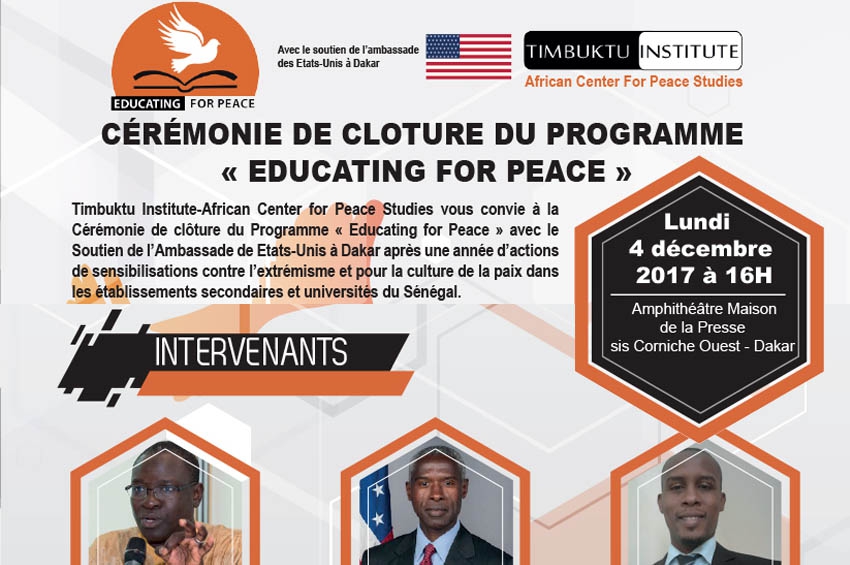
Dans le cadre de son Observatoire des radicalismes et conflits religieux en Afrique (ORCRA) et des activités qu’il mène à travers son Programme « Educating for Peace » au sein des établissements scolaires (Mothers for Peace), Timbuktu Institute participe activement à « la sensibilisation, des femmes, des jeunes, des leaders d’opinion (religieux et chefs coutumiers), la communauté et les médias sur les effets et les conséquences de l’extrémisme violent », conformément à la recommandation numéro 5 de la déclaration de Bamako portée par un bel esprit auquel il urge de donner corps.
Un véritable travail de recherche approfondie s’impose pour mieux documenter cette implication non négligeable des femmes dans la prévention et résolution des conflits à un moment où la complexité des crises notamment intercommunautaires exige une approche donnant plus de place aux stratégies endogènes et non forcément militaires ou sécuritaires.
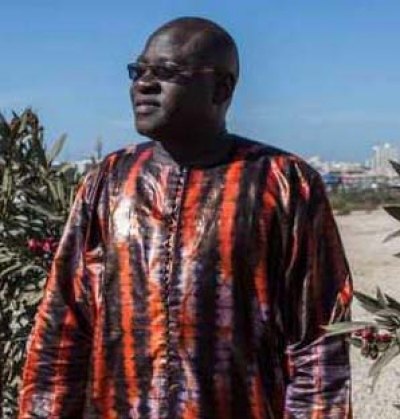
Par Dr. Bakary Sambe
Timbuktu Institute- April 2019
With recent events in Mali and the risk of inter-communal conflicts extending to Burkina Faso and Niger, notably in the Tillabery region, it is vital that protection of populations, especially vulnerable groups including women, be reinforced. Women hold a vital link to agricultural activity despite being routinely disadvantaged in terms of management and distribution of land. Knowing that such conflicts stem from outdated modes of control over resources (pastures, farmland, theft of livestock), we must consider the risks faced by women exposed to intense activity and weakened by systems of distribution and in particular land distribution.
But beyond being merely “victims”, women and their various forms of manifestation, could constitute an important pillar in researching local solutions to conflict. Intercommunity dialogue, sensitization, and mediation stand out in particular.
To do so, women’s roles must be recognized and reinforced by States and all other actors intervening in the region; simple declarations and “gender approaches” are superficial and no longer suffice. In other words, resolution 1325 and its essential clauses and recommendations must be swiftly followed, particularly as inter-communal conflict begins to rise in Mali.
It is true that with the increasingly complex regional situation, a certain number of initiatives have been undertaken at the regional and international levels (conferences, roundtables, military operations, etc.). Following the same logic, UNWOMEN, fully integrated in the dynamic resulting from Resolution 1325 via the Bamako Declaration, has tried to alert decision-makers and the international community to take further action. Until recently, such action has been timid compared with the larger issue of women’s empowerment and women’s involvement in questions of peace and security. The G5 Sahel could have given more importance to this aspect, specifically an expert dedicated to gender within the permanent Secretariat in Nouakchott.
For decades, tensions have multiplied in West Africa including in countries where, until quite recently, it was difficult to imagine there would be theaters of conflict- let alone the most worrying conflicts in the region. The typical case study is that of Mali, once peaceful, where the North has been taken hostage by armed groups, sometimes claiming terrorist affiliation and sometimes claiming irredentism[1]. This Northern sickness has contaminated the Center, notably the region of Mopti, where interethnic and occasionally deadly conflict has arisen. Although Mali is the epicenter of these phenomena, these types of conflict have been reported in Burkina Faso in Dori (province of Séno, Sahel region), Soum, and other hotspots in Oudalan.
Longstanding conflicts between herders and farmers also complicates intercommunal violence rooted in countering terrorism [2]. It should be noted that within this type of conflict, the management of land which is often discriminatory towards women, is at the forefront of this complex and sensitive issue. This situation has provoked significant displacement of people, not sparing women, to other countries or towards the capital including Sénou- only a few kilometers from downtown Bamako. This Malian conflict has ultimately spilled over into almost the entire band of the Sahel, resulting in extremely high vulnerability.
Leaving behind the simplistic paradigm of victimhood
Women are often presented as simply « victims » of conflict both in regard to communal violence and acts of terrorism. Their roles as actors, stakeholders, or mediators are neglected or relegated to the background in conflict analysis.
This image of « victims » that dominates perception was amplified in April 2014, when 276 high school girls were abducted in Chibok by Boko Haram, warranting indignation from the international community. Despite counterinsurgency operations by Chad, Niger, and Cameroon to weaken the Nigerian jihadists, these attacks continue to make regional headlines.
This wave of abduction of women and girls continues in part to force some into marriage, but also to train others as militants to carry out attacks. But beyond this brutality that has been mediated by the magnitude and spectacular nature of the phenomenon, lies a more complex reality and process worth revisiting.
It is often forgotten that over the past twenty years, women have determined methods of countering religious extremism before it became a national security concern. Well before Nigeria but without the same level of international interest, Mali was the scene of a long and fraught debate between Islamist fringe groups and women’s organizations. This came about after the vote to pass a new family law with consolidated measures favoring women’s rights in 2009. In this scenario, women were still considered victims of religious extremism. Yet they have been at the forefront of the struggle against the radicalization of discourse and religious attitudes. Politicians imprudently waited until extremism became a security issue to worry about it.
But the surprising appearance of female suicide-bombers in Nigeria and the Lake Chad Basin has revitalized the rapport between women and violent radicalization. It has launched a debate, far from being concluded, on the identity of Boko Haram’s female suicide-bombers, whose first attack was carried out on June 8, 2014, in Gombe State, Nigeria. Attacks by female suicide-bombers have multiplied since February 22, 2015 ; a 7 year-old girl killed seven people in an explosion in Potiskum. Another woman used a belt of explosives at the Damaturu bus stop, resulting in a similar death toll. This phenomenon raises new questions that have yet to be answered, as it is new to and was unexpected in the Sahel. Its appearance could be due to a globalization of operating methods of radical movements that would have otherwise not appeared in the Sahel and which has standardized terrorist attacks despite differing socio-cultural contexts.
From « victims » to bearers of solutions: women’s initiatives as part of a local and inclusive solution
Strangely, in the world of counter terrorism and peace initiatives, the important roles women play in community resilience (as with the jihadist occupation of Timbuktu and Gao) are often omitted. The low-profile women’s march resistance in the communities have subsequently shaped the resilience of local populations following an unprecedented shock in terms of a take-over and reconciliation.
In Nigeria, the role of women leaders - like a pastor from Jos, capital of Plateau State who organizes inter-religious meetings in a climate of great distrust – is notable. This pastor unites people around messages of peace and conciliation despite the impulse and persistence of a belief in a country divided between Northern and Southern states. It is important to recall that in this country, disputes between farmers and Fulani herdsmen cause killings that are not based in any ideology but caused by divergences parallel to those in the Macina, central region of Mali.
A recent study by the IOM established a potential link between these facts and the influence of extremist groups in the Lake Chad Basin on geographic proximity, commercial exchanges, and linguistic connections with Nigeria. Moreover, one of the most vulnerable social strata, in this case women, suffered the exactions of violent extremist groups early on. In 1993, the secretariat of the Women’s Association of Niger, located in Zinder, was burned down by Islamist assailants under the pretext of « defending the values of Islam » and purifying « practices and traditions »[3]. Also, it has been noted in a recent study of violence and the threat of terrorism on the youth of Zinder, almost all the women interviewed in identified households refused to speak in the absence of the head of the family[4]. This causes an issue for women’s expression in the public sector and their empowerment, specifically in terms of exercising their rights, despite their demonstrated capacities to resolve conflict and in zones afflicted by conflict.
In Chad, a country developing resiliency despite the pressure of its security situation, is building a rare community resilience initiative with the inestimable support of women. Active within the interfaith platform in a country that is somewhat religiously diverse, « preaching women » and other religious leaders have developed a number of initiatives particularly in the Lake Chad province, an area that is considered a natural extension of the security crisis in Northern Nigeria.
Following the same logic, sensitization caravans in the province of Kompienga (East region), Burkina Faso, are the work of women active in the consolidation of peace and conflict prevention and have maintained an indispensable social link mediation and conflict resolution.
Despite the multidimensional crisis that afflicts the country, more than 30 Malian women have self-organized based on their advocacy capacities into an informal group named « women and consolidation of peace ». They lead reflections on the partition of women in the search for solutions to intercommunal conflicts and national reconciliation at a moment when politicians are constantly trapped within their own contradictions and their difficulty in creating synergies beyond partisan logic in a country faced with multiple sources of tension.
Thus, the Bamako Declaration, announced after a meeting of UNWOMEN in the Malian capital, should be operationalized via the integration of women free from socio-religious pressures and constraints, as called for by YagueSamb (Head of Conflict Resolution, Timbuktu Institute)[5]. To this effect the Timbuktu Institute, which builds community resilience through inclusive dialogue, supports and appreciates the recommendations of the Bamako Declaration, notably :
- The execution of a national and regional framework of cooperation between women’s organizations and religious groups
- The integration of radicalization and violent extremism modules into school and university curricula
Within its Observatory on Radicalization and Religious Conflict in Africa (ORCRA) and the activities of its program « Educating for Peace » within institutions of education (Mothers for Peace), the Timbuktu Institute actively participates in the « sensitization of women, young people, thought leaders (religious and customary authorities), communities, and the media on the effects and consequences of violent extremism, » recommendation number 5 of the Bamako Declaration that must urgently take shape.
More in depth research must be conducted to better document the non-negotiable implication of women in the prevention and resolution of conflicts at a moment when the complexity of intercommunal crises necessitates an approach based on local strategies instead of military or security interventions.
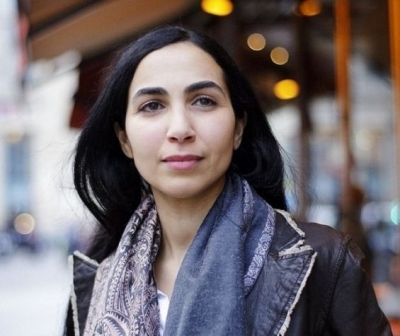
Consultante à l’Institute for Statecraft and Governance à Londres et au Timbuktu Institute de Dakar, Fatima Lahnait est historienne et enseignante en région parisienne. Après plusieurs travaux sur l’intégration des jeunes d’origine maghrébine en Europe et les femmes djihadistes, elle publie l’ouvrage Pasionarias pour dresser le portrait de militantes politiques armées qui ont marqué les 100 dernières années.
Comment vous est venue l’idée de ce livre ?
L’idée a germé à partir des attentats de 2015 à Paris, lorsque des femmes ont été impliquées au sein du groupe terroriste qui a commis ces attaques. Dans ce cadre, j’ai beaucoup été sollicitée par les journalistes et par les médias pour commenter cette implication des femmes dans les mouvements djihadistes, car cela surprend les voir engagées dans des mouvements armés et avoir recours à cette violence.
Cependant, il faut savoir que l’engagement des femmes dans les mouvements armés est une vieille réalité autant que leur recours elles-mêmes à la violence politique. On a toujours eu du mal à l’accepter, ce qui m’a toujours intriguée. Il ne faut pas le considérer comme un phénomène nouveau, comme l’ont fait certains médias depuis 2015. Ce qui m’a intéressée est donc de connaître à travers l’histoire ces femmes qui se sont engagées dans la violence au nom d’une cause qu’elles considèrent comme juste, quitte à sortir du cadre normatif dans lequel leurs sociétés les assignent.
Ce livre tente donc d’apporter un éclairage, à travers le portrait de douze femmes, concernant leurs rôles et leurs places dans le cadre de mouvements ou de conflits armés. Elles ont fait partie d’armées de libération, de révolutions ou de résistants qui ont porté les armes et qui ont défié le regard de tout un monde où l’on assimile automatiquement ces actes à des hommes.
Sur quels critères vous êtes-vous basée pour sélectionner les personnalités qu’on retrouve dans votre ouvrage ?
D’abord, j’ai beaucoup lu sur le sujet puisqu’il y avait la jonction entre l’engagement dans un mouvement politique conduisant à un engagement vers une violence. Je me suis rendue compte que pour la plupart des femmes, des idées féministes viendront se juxtaposer à leurs idéaux. C’est là où il a été important pour moi d’éclairer les facteurs qui ont impliqué ces femmes à devenir des auteurs d’actes violents et comment vont-elles et ont-elles voulu transgresser les normes, tout en tentant d’imposer une égalité des genres sur le terrain de l’action.
J’ai également évoqué un point commun à ces femmes selon lequel il faut avoir véritablement foi en sa cause pour s’engager jusqu’à recourir à la violence. Je me suis dit que je n’allais pas me restreindre au sujet du moment où l’on parle beaucoup de djihadisme et de mouvements terroristes islamistes. J’ai préféré prendre du recul. L’engagement, qu’il soit pour les hommes ou pour les femmes, ne relève pas que des groupes extrémistes religieux. Il porte sur différents contextes et cas que l’on ne peut pas réduire à cela.
J’ai voulu donc élargir cette vision en menant des recherches sur différents mouvements. J’ai veillé à avoir une variété et une diversité géographique en incluant des portraits de femmes ayant vécu ces 100 dernières années en Afrique, en Amérique, en Europe et dans différents pays.
On a beaucoup parlé de l’engagement des femmes palestiniennes j’ai voulu montrer qu’après 1948, leur mouvement était laïc. Toutes les femmes ont eu foi en leur cause. J’ai été intéressée de voir chez ces femmes un passage de la foi en la cause à la foi religieuse qui se superposera à la cause initiale. Au début des années 2000, des mouvements vont effectivement adopter des revendications religieuses pour légitimer notamment l’action kamikaze.
J’ai intégré par ailleurs une seule femme jihadiste avec laquelle le livre se termine, tout comme j’ai portraitisé une femme qui s’est engagé au Ku Klux Klan. Il ne nous appartient pas de porter des jugements sur leurs engagements mais de comparer les sources et d’éclairer ce parcours personnel au-delà des idéologies, en lien avec le contexte dans lequel ces femmes vivent.
Avez-vous trouvé des difficultés à documenter la vie de ces personnalités ?
La période de recherche a été longue car je devais croiser plusieurs sources, en essayant d’être la plus impartiale et objective possible, tout en m’adaptant aux supports dans différents langues. J’ai également côtoyé des femmes engagées dans des mouvements extrémistes islamistes, mais je n’ai pas voulu inclure ces parcours, n’apportant pas une véritable valeur ajoutée au livre dans la mesure où je n’ai pas souhaité n’être que dans du contemporain et sans recul nécessaire.
Sur 12 portraits, j’ai tenté par ailleurs de représenter 12 engagements différents tout en montrant qu’elles étaient très lucides et clairvoyantes dans le cadre de la défense de leurs causes politiques, et c’est là où je souligne que le titre du livre n’est pas employé dans une connotation péjorative mais exprime l’engagent fervent de ces femmes.
Pensez-vous qu’un long travail reste à faire pour tirer de l’oubli les femmes qui ont marqué l’histoire ?
Certainement. Pour avoir un éclairage correct quant au rôle et à la place des femmes, il reste beaucoup à faire, ne serait-ce que par exemple, lorsqu’on aborde la thématique des femmes et des violences. Bien évidemment, nous en restons avant tout des victimes, que ce soit dans les conflits armés ou dans les violences conjugales et domestiques.
Cependant, les femmes peuvent aussi être actrices de la violence pour une cause politique à laquelle elles croient durement. Les femmes ont des opinions qu’elles défendent parce qu’elles font une réflexion préalable et pas parce qu’elles seraient sous l’emprise d’un homme qui l’y pousserait. Ce sont ces femmes-là qui m’ont intéressées à travers l’histoire et cet ouvrage est une contribution pour lever le voile sur cette question, bien qu’il reste beaucoup encore à exhumer pour expliquer ces engagements, dans une démarche d’empathie mais sans sympathie.
Par Dr. Bakary SAMBE Enseignant-Chercheur au centre d’Etude des Religions (CER) UGB
Par un simple communiqué, le Ministère de l’Education nationale a voulu mettre fin à une polémique d’une extrême sensibilité en insistant sur des dispositions réglementaires. Mais le problème est plus profond et, au fond, plus sérieux. C’est ce qui a expliqué la passion qui a entouré le traitement médiatique de cette affaire. Encore temporairement étouffée, mais, comme d’habitude, rien n’est presque réglé dans le cadre d’une solution durable. L’affaire va s’oublier le temps que réapparaisse un autre symptôme du vrai mal qu’on ne prend jamais ni le temps encore moins le courage de soigner. Je suis persuadé que cette « affaire » est loin de connaître son épilogue !
C’est un fait triste mais il faudrait en convenir ! Il y a, dans notre pays, deux questions fondamentales que chaque régime laisse au suivant telle une patate chaude par manque de courage politique mais aussi pour des calculs électoralistes alors qu’il s’agit d’un enjeu énorme pour l’avenir du Sénégal : la question de la dualité de notre système éducatif et celle de la gouvernance du religieux. Dans leur majorité, tou régimes confondus, les réformes constitutionnelles n’ont, généralement, concerné, depuis notre indépendance, que des questions liées à la conquête, la gestion ou la conservation du pouvoir politique. Des questions sociales essentielles sont toujours renvoyées aux calendes grecques. En fait, nous sommes dans un pays où les dirigeants successifs ont toujours tenu un discours exprimant publiquement mais superficiellement le désir de construction d’une Nation, mais sans se soucier du ciment national : un système éducatif unifié inculquant les mêmes valeurs à tous enfants d’un pays qu’il instruit de manière égalitaire quelque soit la langue d’enseignement et quelle que soit leur religion.
Sur une question de voile dans une école catholique, les opinions les plus contradictoires se sont exprimées dans les médias sénégalais et les réseaux sociaux pendant une semaine. Malgré le désintérêt que l’on pourrait avoir pour les faits divers et les polémiques entourant cette affaire, il faudrait quand même apporter quelques précisions qui me semblent de taille afin de montrer, à l’instar de la gouvernance qui pose problème, les inconséquences de la presque totalité des positions prises par les différents acteurs.
1- De ceux qui demandent à l’école catholique de respecter le principe de la liberté religieuse peu seraient prêts à accepter une fille non voilée dans une école islamique à plus forte raison d’un garçon portant une croix, simplement intéressé par l’enseignement et non la pratique religieuse comme il est le cas pour ces enfants de musulmans admis dans des écoles catholiques.
2- De ceux qui demandent à l’Institution Sainte Jeanne d’Arc de ne pas « nuire à la cohésion sociale » par l’application de son règlement intérieur, presque personne n’a jamais défendu le droit des catholiques à avoir des lieux de culte partout où ils le désirent sur l’étendue du territoire de la République.
3- De ceux qui s’offusquent qu’une école privée reconnue par l’Etat sénégalais et régie par ses lois refuse à un enfant de la République « l’exercice de son culte », beaucoup ont été contre les propositions de l’Etat pour la modernisation des écoles coraniques ou introduire des enseignements du programme de l’Education nationale dans le cursus de leurs écoles privées.
4- Enfin, nombreux parmi ceux qui, derrière cette affaire, disent défendre les « daaras » ont leurs enfants dans les écoles publiques, privées laïques ou confessionnelles en français. Seulement, ils affichent, publiquement, pour souci de commodité idéologique et communautaire, un semblant de rejet d’une école sénégalaise qu’ils considèrent comme « occidentale » et qui serait encore sous l’emprise de la « langue et du modèle du colon » tout en y envoyant leurs enfants y compris dans les prestigieuses universités occidentales européennes ou encore Nord américaines.
Sur ce dernier point, l’inconséquence frise l’hypocrisie et fait que, finalement, la discrimination contre les élèves de l’école coranique tant décriée n’est, finalement, pas le seul fait de l’Etat mais de certains de ses propres acteurs qui en soustraient leurs propres enfants dès qu’ils en ont les moyens.
Bien que, pour la « cohésion sociale » l’Institution Jeanne d’Arc se doive d’intégrer les réalités socioreligieuses du Sénégal, il serait, toutefois, injuste de lui demander de supporter, seule, tous les efforts d’adaptation en taisant le caractère non religieusement contraignant pour les musulmans d’envoyer leurs enfants à l’école catholique. Cette dernière, comme celle islamique, a ses règles, ses objectifs et orientations clairement déclinés dans le projet d’établissement qu’elle n’a jamais imposé non plus à aucun parent musulman ou même chrétien.
C’est-à-dire qu’au-delà de la simple question du voile, cette affaire a été piégée par des sous-entendus et des non-dits. Elle a été un exutoire pour beaucoup d’acteurs impliqués. Derrière la levée de bouclier, il y a la revendication égalitariste d’une obligation de l’Etat à subventionner l’école coranique au même titre que le privé catholique dont les effectifs – faudrait-il le rappeler- sont composés en majorité d’enfants musulmans. C’est-à-dire que, contrairement au simplisme idéologique mettant en avant la subvention étatique au bénéfice des écoles catholiques dans un pays à majorité musulmane, l’Etat sénégalais, en réalité ne fait qu’appuyer financièrement un enseignement laïc dispensé à des enfants de musulmans largement majoritaires dans les écoles catholiques.
5- Certains, voulant « régler ses comptes » à l’Etat, soit dans le cadre leur opposition au projet de modernisation des daaras ou la volonté de réglementer les écoles coraniques prennent le débat en otage politique et en profitent pour agiter la dénonciation de l’injustice et des droits offerts à une « minorité » qui, à leurs yeux, en abuserait. C’est là la source du malentendu savamment entretenu par des idéologues et qu’il serait important de lever pour de bon : les Sénégalais chrétiens –l’ordre me semble important- ne sont pas une minorité au sens de dhimmi, mais des citoyens à part entière d’une République qu’ils partagent avec tous et avec tous les droits.
6- Mais d’autres encore, à l’attitude plus pernicieuse, se sont vite engouffrés dans la brèche pour mieux affirmer leur revendication du refus du système éducatif sénégalais et de son projet tout simplement parce qu’en réalité, ils en ont un autre : user de l’éducation pour la réalisation de projets idéologiques sur lesquels nous sommes revenus assez souvent ces dernières années. Ces mêmes acteurs plus visibles et un peu trop audibles lorsqu’il s’agit des droits des uns que quand ceux d’autres sont menacés, savent pertinemment ce qu’ils font et leur projet est clair. Ils le déroulent en violant les règles et principes qu’ils veulent que l’on n’applique qu’aux autres. Eux, peuvent bien fermer leurs écoles à une fille non voilée et leurs mosquées aux pratiques cultuelles même de musulmans d’eux différents. Accepter un non musulman ? La question ne saurait effleurer ! Quelle simpliste et sélective interprétation de la « liberté religieuse » qu’ils brandissent telle une épée de Damoclès au dessus de leurs concitoyens catholiques ! Mais, « celui qui n’a qu’un marteau dans la tête verra toujours tous les problèmes du monde sous forme de clous ! », dit un de nos proverbes qui a fini par voyager très loin.
La communauté musulmane qui a toujours vécu en toute harmonie avec nos compatriotes chrétiens et d’autres religions devrait, au même titre que l’Institution Jeanne d’Arc, penser les conditions toujours possibles d’un dialogue constructif avec les responsables de l’enseignement catholique et se départir des positions extrémistes de tous bords.
C’est déjà un échec sénégalais que cette affaire soit tranchée par un communiqué d’un Ministère évoquant des principes qu’il n’applique pas du tout à d’autres communautés avec lesquelles, au nom de compromis et de compromissions, il négocie depuis l’indépendance, parfois, au mépris même de ses prérogatives régaliennes. Au lieu d’un sens du discernement et de la mesure, c’est cela qu’on appelle un système de deux poids deux mesures dans la précipitation et la volonté d’évacuer une question qui dévoile des inconséquences longtemps traînées !
Il faudrait, cependant, saluer la position première du Cadre Unitaire de l’islam au Sénégal et ses efforts auxquels je me suis beaucoup associé ces dernières années depuis un premier cas similaire et que nous avons conjointement réglé par la médiation.
De la même manière, dans leur sagesse habituelle, des membres du clergé catholique comme Mgr André Guèye de Thiès, ont fait preuve de grande responsabilité. C’est sur ce sens d’une responsabilité partagée de la paix sociale et de l’entente cordiale qu’il faudrait miser pour sortir de cette crise. Le Sénégal en a traversé d’autres et les a surpassées !
Le système éducatif sénégalais tente, néanmoins, de se perfectionner et intègre, à doses homéopathiques, des réformes, certes, importantes mais parcellaires. La prise en charge des demandes éducatives des familles comme l’introduction de l’enseignement religieux mais aussi l’organisation et la reconnaissance d’un baccalauréat arabe permettant l’accès à l’université public sont des efforts à saluer.
Mais, il n’y a pas de schéma directeur vers l’unification définitive du système dans le respect de la diversité de ses demandes et des attentes de ses acteurs. Et, sans se voiler la face, on voit nettement que ces réformes ne vont pas au même rythme que celles constitutionnelles et politiques pour lesquelles auxquelles nos députés sont si habituées et en procédure d’urgence surtout lorsque les majorités sont si confortables.
Pourtant, des réflexions profondes auxquelles, avec une modeste contribution, j’ai eu l’honneur de prendre part aux côtés de collègues et amis comme Pr. Abdoul Aziz Kébé, Penda Mbow, Cheikh Guèye (Enda), Fatou Kiné Camara et Souleryame Gomis, avaient été engagées par des acteurs sénégalais du monde académique comme de la société civile et les conclusions versées dans le cadre du débat des Assises.
Mais, notre pays a continué de faire le pari inconséquent de vouloir consolider une Nation par le biais d’un système éclaté en envoyant ses enfants soit à l’école « française » ou « arabe » à défaut d’une école « sénégalaise » en tant que conjugaison de nos héritages négro-africains, arabo-islamiques, francophones et d’autres. Il a ouvert ce système à tous les pays, à toutes les offres, sans prendre la responsabilité d’en avoir la totale emprise. La raison n’est pas un déficit de capacités et de compétences mais une absence de vision et surtout d’un nécessaire courage politique.
Il est sûr que, lorsqu’un Etat croit qu’il peut régler les problèmes aussi sérieux en empruntant des bricolages circonstanciels sous couvert d’un consensus mou permettant de remettre toujours à plus tard la décision politique tranchée et juste, on en arrive à de telles situations où les fuites en avant produisent toujours des solutions à reculons.
C’est cela qui a mené à une situation où un débat sur un fichu morceau de tissu devant envelopper ou non la tête d’une apprenante soit source d’autant de polémiques. Notre pays vit aujourd’hui le même paradoxe que tous les autres Etats laïcs qui se trouvent devant la nécessité paradoxale de gérer le religieux au regard de ses enjeux. Pourtant le modèle sénégalais avait offert des champs de possibilités qui auraient même pu inspirer d’autres avec lequel nous partageons le fait d’être laïc mais pas de la même manière, au regards des circonstances historiques différentes.
Tant que l’Etat ne prendra pas la question éducative comme une problématique cruciale car traversant le vivre-ensemble et la cohésion sociale nous ne sortirons pas de telles contradictions et de telles inconséquences qui inspirent le bricolage à la place d’une véritable gouvernance.
En Juin 2010 dans une tribune intitulée « Les arabisants sénégalais ; une contre-élite à l’heure des changements politiques », nous recommandions la mise en place d’une grande direction de l’enseignement privé confessionnel avec des sous-directions musulmanes, catholiques, protestantes et autres. Un tel dispositif permettra de régler en grande partie la question de l’inégal accès au financement étatique pour toutes les écoles privées appliquant le programme de l’Education nationale quelles qu’en soit la langue d’enseignement et l’orientation en matière d’éducation religieuse.
Certaines de ces recommandations de l’époque que les « arabisants » avaient repris dans un mémorandum présenté aux candidats à la présidentielle de 2012 avaient abouti à la création du baccalauréat arabe et la réouverture d’une section arabisante à l’ENA pour permettre à tous les enfants de ce pays à pouvoir le servir sans discrimination. Des acteurs politiques du pouvoir comme de l’opposition se sont, depuis, inspirés de telles recommandations dans leurs discours ou programmes électoraux. Mais il reste à régler la question de fond : comment traiter définitivement de cette dualité du système éducatif avec des mesures fermes mais pédagogiques afin que l’école ne soit plus, dans ce pays, un sujet de division ou le terrain de confrontation des contradictions de notre société en mutation et en questionnement ?
Cette polémique autour du voile « islamique » dans une école « catholique » n’est qu’un des nombreux problèmes qui commencent à dévoiler les failles d’un système éducatif dont la réforme exige la plus grande concertation. La violence de certains propos et le caractère trop passionné du débat qui a vite viré à la polémique stérile et porteuse de risques sont dus au fait qu’il a été un exutoire pour certains exprimant très mal les maux d’un système à revoir.
En tout état de cause, ce n’est que le début d’une longue série d’autres polémiques qui tourneront toujours autour du religieux, de la famille, de l’école que, malheureusement, certains, à défaut d’un débat national ouvert et inclusif, n’hésiteront point à l’instrumentaliser à des réflexes identitaires. Un tel jeu ne fera que l’affaire des extrêmes de toutes natures dans un contexte sous-régional lourd de risques et d’incertitudes.
Pour éviter une telle situation, l’Etat doit refaire de l’éducation une prérogative nationale qu’il réglemente, gère et oriente en toute souveraineté malgré la nécessité d’une régulière et large concertation comme dans le cadre des Assises de l’Education dont les conclusions ne doivent plus rester lettre morte. L’essentiel de la réflexion est déjà produite. Ne font plus défaut que le courage et la volonté politiques.
Sacré-Coeur 3 – BP 15177 CP 10700 Dakar Fann – SENEGAL.
+221 33 827 34 91 / +221 77 637 73 15
contact@timbuktu-institute.org